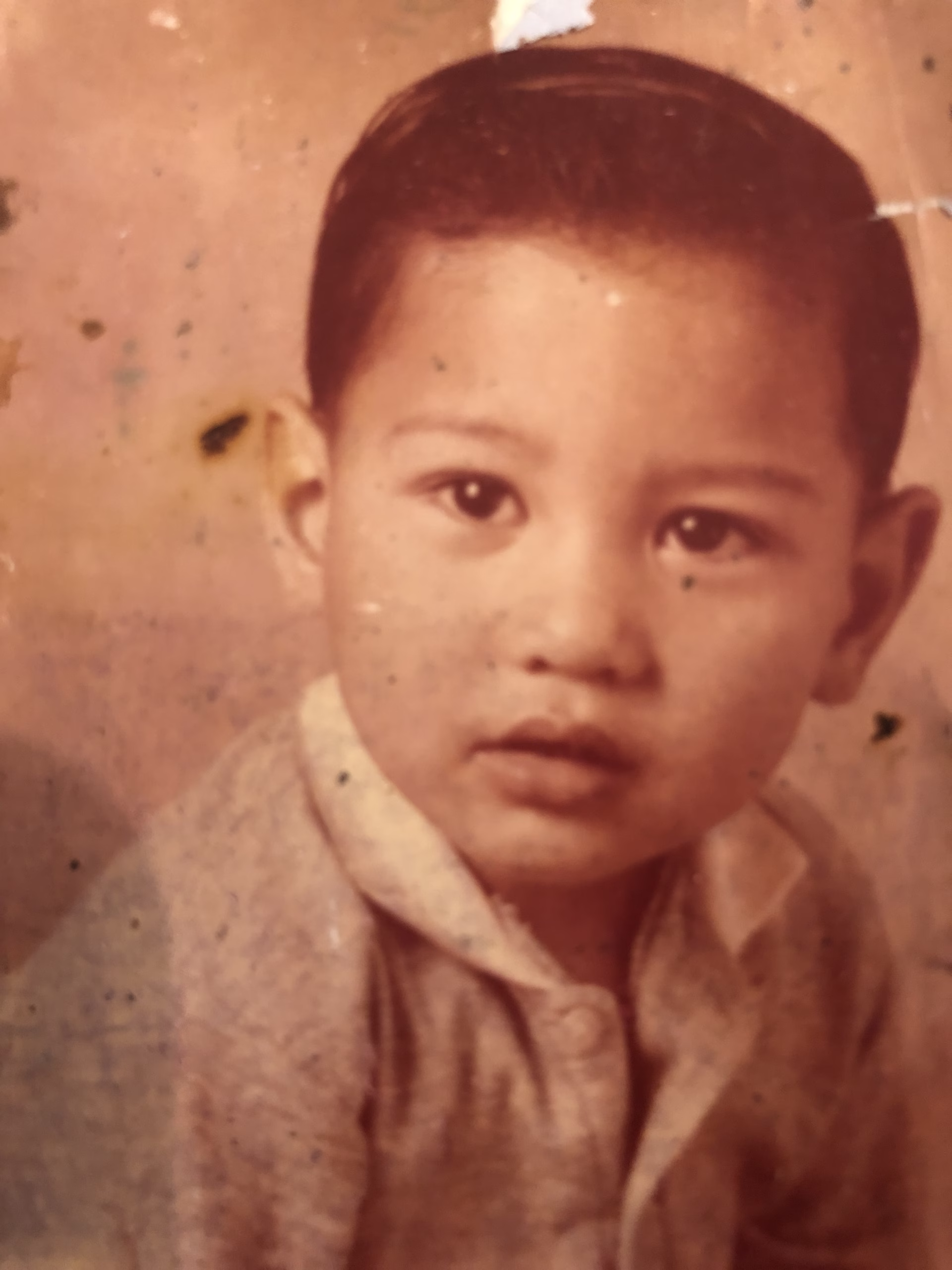
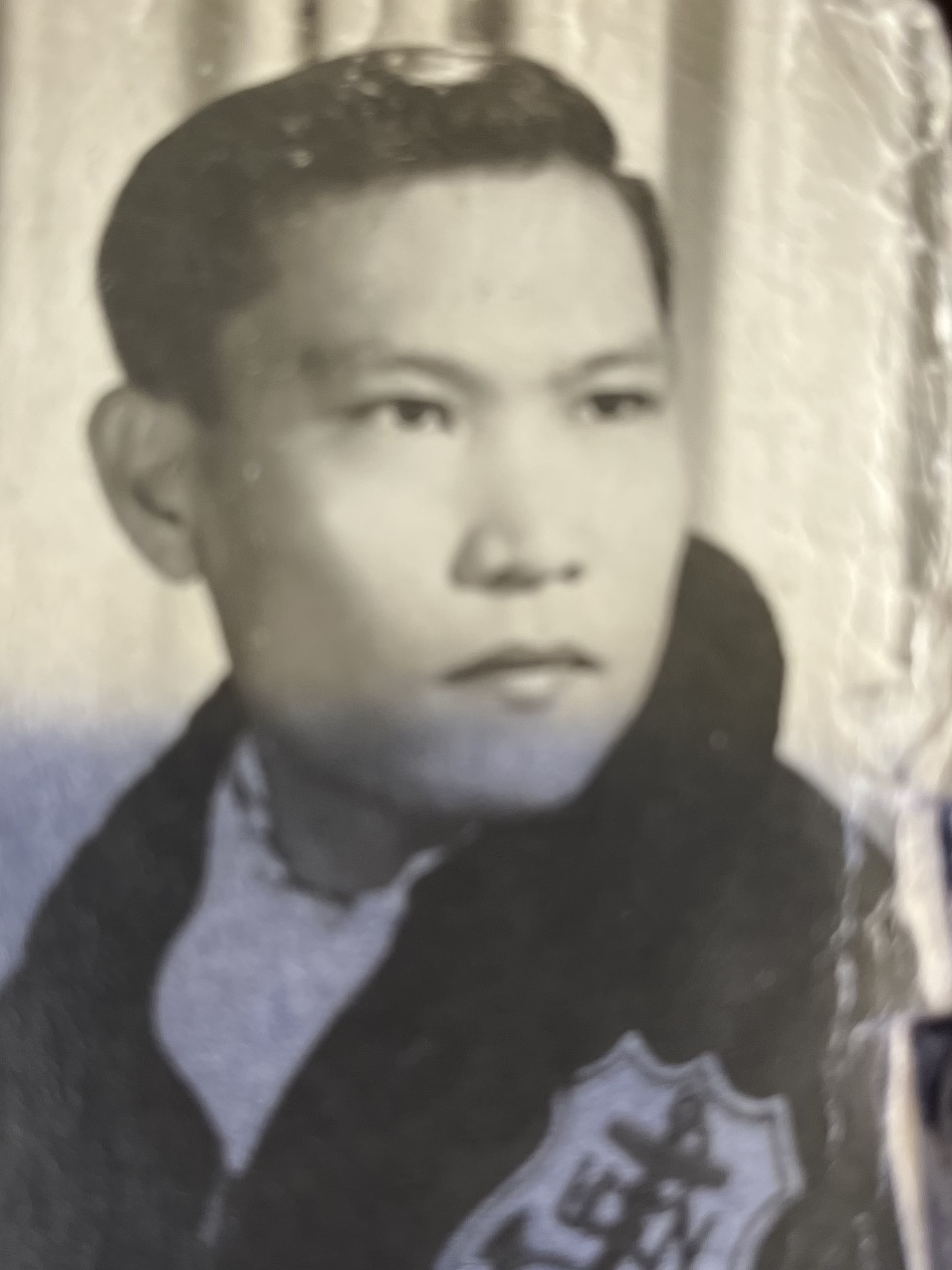
When I think of my father, the only good thoughts appear around food. It’s often how we remember people, how we ate with them at a dinner table or cooked beside them. It’s not how we wish they were, but as they were. In a time when immigration has yet again become so politicized and misunderstood, I think about my father, whose name was Primo. He was a complicated man, an immigrant, an enlisted Navy veteran of 40-plus years and a man I never truly knew. I knew that he walked to school on pristine beaches and white sand. His parents — my grandparents — were killed by U.S World War II pilots, flushing out enemies that hid in the dense jungles of the archipelago. Casualties of friendly bombings, if you will. He, along with three siblings, was adopted by family members. Tropical Cindafella — only hard work, cleaning the relative’s home for his keep, but grieving his childhood and loss. He was never quite taught how to be a father because he didn’t have one, nor were those around him capable. They, too, were mourning the deaths of their children and others. War, ultimately, guarantees that generations will suffer.
Because of his loss, what I received from him wasn’t warmth or fatherly advice, barely even love — although, my stepmother might argue that. However, when I lived with him briefly in my teen years, I was given his childhood memories of growing up and eating in the Philippines.
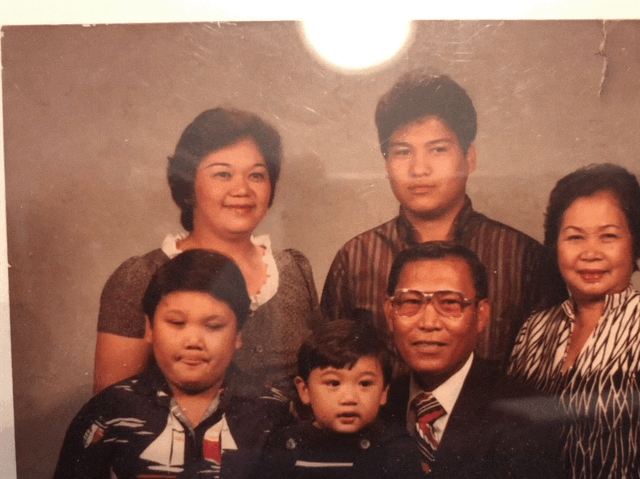
But Primo enlisted in the U.S. Navy and served a country that didn’t always see him. He stood watch on ships, served abroad, and carried that discipline into every corner of his life. It wasn’t gentle. But it was service and took him away from what he knew. You might even say joining the armed forces gave him a father. He learned about combat and racial discrimination. He learned infidelity and deceptiveness — to lie when he was caught. He did that quite often.
But he loved seafood.
If it came from the ocean, it was on his plate. Prawns, squid, bangus, and crab legs soaked in garlic butter and eaten with his hands. He would suck loudly suck the juice out of the shrimp’s head. “Mmmm, that’s good,” he would say to us around the table: my half-siblings, his second wife, her mother and me.
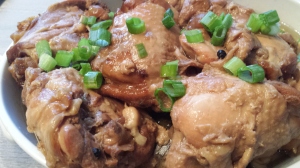
The sea reminded him of something he had left behind: it was full of free and accessible food. It was easy for him to catch fish with a handmade net and cook the nightly meal he had to make as an indentured child servant. When my stepmother or her mother didn’t cook adobo or pancit, he would make a bowl of halabos na hipon—Filipino-style buttered shrimp and rice—always rice.
When I cook this dish today, I can focus on his trials as an immigrant and his service in the Navy. Not as a father or someone I knew well, but as a figure in my history, a uniformed man who battled on iron ships and his demons. While I toss the garlic and shrimp, with splashes of carbonated lemon soda, and simmer to a tasty syrup, I imagine his life’s grueling and uphill battle. I never fully understood him dismissing me as his son until I wound up on his doorstep, thinking he could save me.
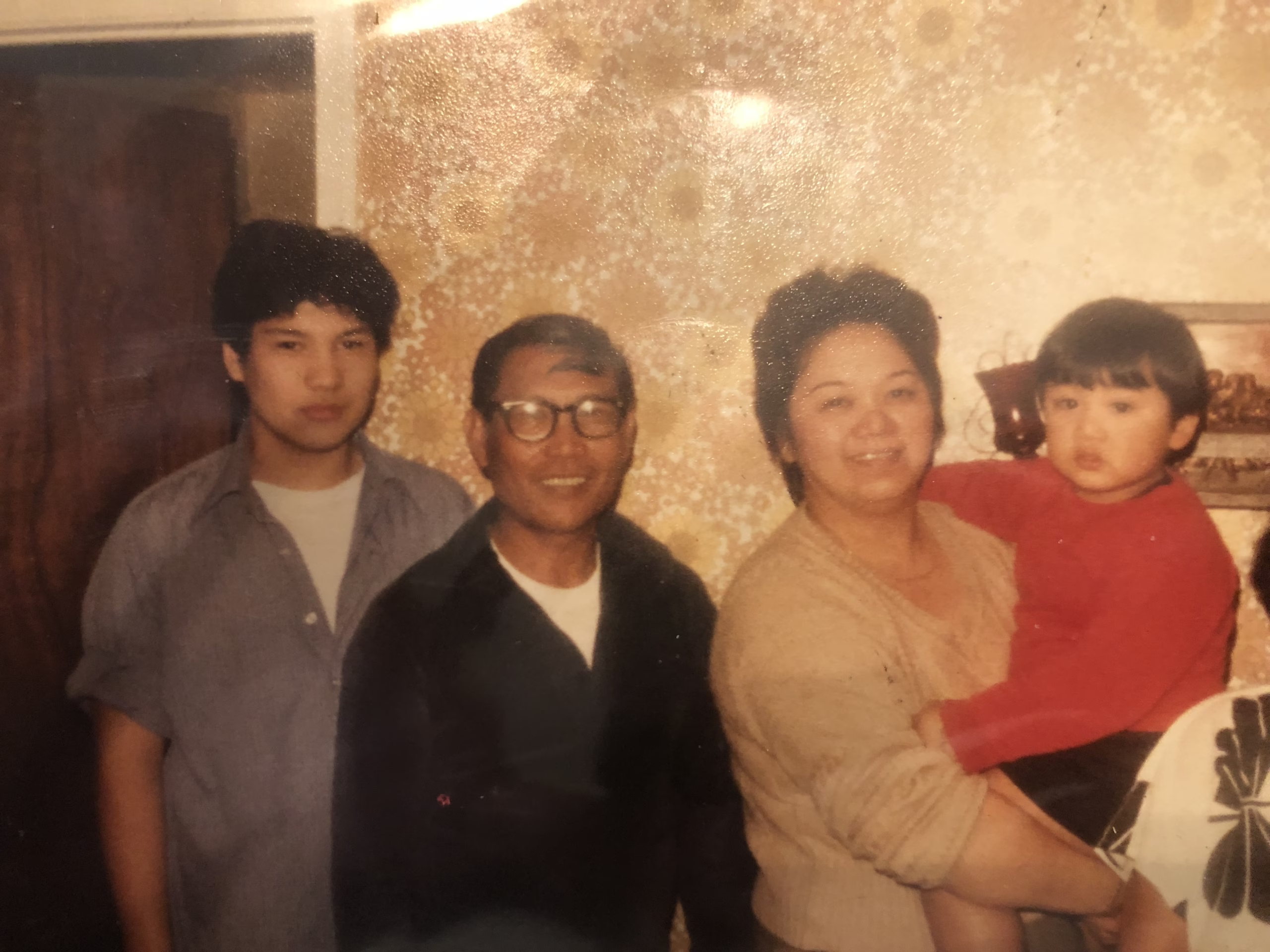
Today, we wrestle, yet again, needlessly, around immigration. As if that’s the problem. My father wasn’t perfect, but his journey — from the Philippines to military service in the U.S. — helped build this country. It’s easy to forget how many of our most valued dishes — tacos, pizza, hamburgers, French fries, dumplings — were brought here in the bags and bellies of people like him. Immigrants have never taken anything from the United States and this country, they bring flavor, resilience, and stories.
This isn’t a tribute to Primo on Father’s Day. Although he was my blood, he was many things: a loving father to his other kids, a daughter and a son, a veteran, a man who loved seafood and a proud settler to the United States. He loved this country as so many immigrants do.
Garlic Butter Shrimp (Halabos na Hipon)
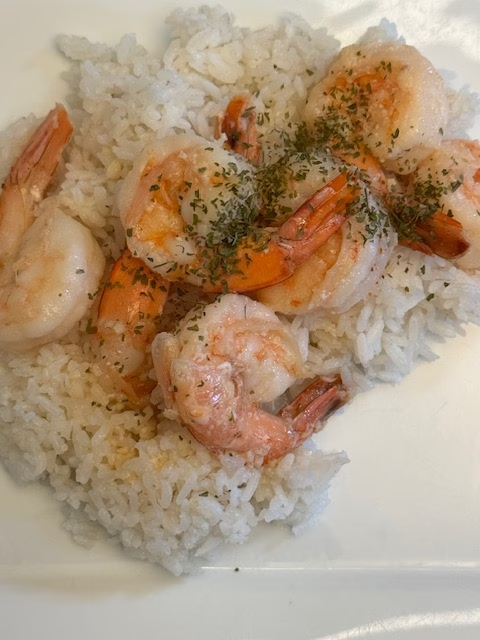
Serves 2–3
Ingredients:
- 1 lb head-on shrimp, shell on (I used shelled shrimp. Since I live in Indiana, it’s hard to find whole shrimp).
- 2 tablespoons unsalted butter
- 1 tablespoon neutral oil (canola or vegetable)
- 6 cloves garlic, finely chopped
- 1/4 cup Sprite or 7-Up
- 1 tablespoon fish sauce (optional, or substitute with a pinch of salt or a splash of soy sauce)
- Freshly ground black pepper
- Cut lemon for serving
- Steamed white rice
Directions:
- In a large skillet, heat the butter and oil over medium heat. Add the garlic and sauté until golden and fragrant, about 1–2 minutes.
- Add the shrimp and toss to coat in the garlic butter.
- Pour in the soda and fish sauce (if using). Let it bubble and reduce slightly, then cook the shrimp until pink and curled—3 to 5 minutes.
- Season with black pepper. Serve hot with calamansi or lemon wedges and plenty of steamed rice to soak up the sauce.