Tag: recipes

  • Mesquite Shortbread Cookies with Pecans, Baked in Tucson

    Mesquite Shortbread Cookies with Pecans, Baked in Tucson

    Mesquite shortbread cookies with toasted pecans and dark chocolate dip on a baking sheet
    Mesquite shortbread cookies with pecans, partially dipped in dark chocolate.

    I’ve been baking and cooking with mesquite lately. It’s an ingredient you don’t see on many menus or listed in recipes except as wood used for burning meat. As a wood, it imbues an aroma and smoky flavor you’d associate with a campfire or a grill. That savory, romantic smell of open flame alone is part of the reason many pitmasters pair it with apple and cherry woods.

    But mesquite has a much longer history as an edible food. Across the Sonoran Desert, Indigenous communities have harvested not only the wood from the trees but also the pods, drying them and grinding them into flour for thousands of years. That flour was mixed with water or fat and baked into tortillas, bread, or porridge. Mesquite flour isn’t meant to be used as a substitute for wheat. Because it’s derived from a tree pod, it’s grainy in a way that feels closer to rough-hewn corn or barley than sugar. It works best when blended with another flour, such as almond.

    I decided to try my hand at gluten-free shortbread made with mesquite. I paired it with almond flour, folded in pecans, and dipped it in melted dark chocolate. Pecans feel like a natural choice. They’re the only nut native to North America and appear across Indigenous, Mexican, and American kitchens. Cacao, indigenous to Mexico and the Amazon, adds another layer,  chocolate, to the cookie. Shortbread made sense because it’s traditional and feels like a holiday, and it doesn’t need frosting or messy sprinkles to contend with. This cookie relies on butter and balance, creating a sturdy texture that holds up to being dipped in chocolate.

    When they are finished, they make a good Santa treat. How could the jolly man, after squeezing himself down a Tucson chimney, covered in Sonoran dirt, not find joy with these and a glass of milk?

    I like mesquite – I’m using it in sauces too –  because it connects Indigenous foodways, Mexican culture, and the American Borderlands kitchen that absorbed both, often without being acknowledged.

    Did I say these were gluten-free?

    Mesquite shortbread cookies with pecans, dipped in chocolate.
    (Gluten-free) Makes about 24 cookies

    Ingredients

    1 cup almond flour
    1/3 cup mesquite flour
    1/4 cup powdered sugar
    1/4 teaspoon fine salt
    1/2 cup cold unsalted butter, cut into small cubes
    1 teaspoon vanilla extract
    1/2 cup finely chopped pecans
    4 ounces dark chocolate, chopped

    Instructions

    1. Heat the oven to 325°F. Line a baking sheet with parchment paper.
    2. In a bowl, whisk together the almond flour, mesquite flour, powdered sugar, and salt.
    3. Add the butter and work it in with your fingers or a pastry cutter until the mixture looks like coarse sand and holds together when pressed.
    4. Stir in the vanilla, then fold in the pecans. If the dough feels dry, add 1–2 teaspoons of cold water.
    5. Roll out the dough so it’s about a quarter inch thick, then cut it into. Cut into rectangles for a classic shortbread shape, then place them on the baking sheet. Repeat the process with the remaining dough.
    6. Bake for 14–16 minutes, until set and just lightly golden at the edges. Let cool completely.
    7. Melt the chocolate gently. Dip half of each cookie into the chocolate, then return it to the parchment to set. You can even paint the chocolate onto the cookie with the back of a spoon – which is what I did. I tried dipping a couple of times, but found the cookie broke under the weight. I didn’t wait for the cookie to cool completely.

    Aside: Because mesquite flour is naturally sweet, it doesn’t need additional sugar. These keep well for several days and freeze well, both as a dough and as a finished product.

    Leftovers

    Local: Tucson Foodie reported that brothers Erick and Jose Quintero have opened Kintoki Sushi House & Bar in the former El Berraco space on North First Avenue, bringing a modern sushi concept with subtle Latin influences to a longtime neighborhood location. The restaurant, which opened Dec. 5, retains the building’s recognizable exterior while introducing a new menu of sushi, small plates and cocktails, keeping the cultural focus of the brothers’ Tucson ties.

    Regional: According to KJZZ, winter vegetable growers in southwestern Arizona are preparing for another uncertain season as water constraints and rising input costs continue to pressure food production in the Sonoran Desert. The Yuma region, which supplies a majority of the nation’s leafy greens during the winter months, remains heavily dependent on Colorado River allocations, even as short-term conservation agreements provide some stability. Growers say labor costs, transportation expenses and long-term water security remain key concerns heading into 2026.

    National: Labor shortages across U.S. agriculture are continuing to strain the food supply chain, with growers warning that limited access to workers could reduce output and contribute to higher food prices, according to national trade publication, FreshPlaza.

    The end. Go eat.

  • Black Tepary Bean Hummus: A Sonoran Desert Recipe

    Black Tepary Bean Hummus: A Sonoran Desert Recipe

    Nick and I will have been in Tucson for a little over two months by the time I publish this post. While I often mention what I’ve done and where I’ve been, and, of course, what I eat, I try to keep things that are really important to me private. Sometimes, I leave Nick out. Not because I don’t want to share about him, but I believe I honor our life together by not sharing it with everyone. I also feel that way about my friendships. Sometimes, I post about them, but in this day and age of oversharing, I don’t want to share everything.

    Citrus growing at Mission Gardens

    But, oddly, kismet–happenstance–luck happened before Nick, and I arrived in the Sonoran Desert. Thus, I believe this warrants a blog post. 

    Unbeknownst to me, Kim, the former food editor for the now-defunct Cottage Living, which published from 2004 to 2008, and I worked together on a series of stories in Napa Valley. We became friendly as journalists and media relations people do. You spend hours – sometimes, days working beside journalists, helping keep clients on message, ensuring control over what your client may or may not say and in general, guiding both with helpful information. On one such venture, Kim stayed with me in San Francisco once, and another time, when I first got sober, she stayed with me in West Hollywood while she was on her memoir tour for Trail of Crumbs. Admittedly, I was a bit of a mess – my world imploded. I realized that those whom I thought cared about me – indeed, said they loved me – had thrown me to the wolves, in front of an oncoming train, under a bus and facing an avalanche.  

    Kim moved to Alaska with her then-new husband. When Kim said to me about moving to Anchorage, I replied, “They don’t even grow basil there!” (They do, but that’s not the point I was making. Luckily, she laughed.)  I floundered about until I met Nick and continued to be a fish out of water until – truthfully, until we decided to move to Southern Arizona.

    We didn’t stay in touch except maybe with our social media posts. In September, she posts something about moving to Tucson – and I reply, “No way! We are moving there too!” As a couple, they have been together for 15 years, almost as long as I’ve been sober. Nick and I bought a home in a developing neighborhood about 7 miles south of the entrance to Saguaro National Park. Our commutes to the grocery store and shopping pass through undulating mountain ranges and saguaros – desert sentinels, really – standing as tall as a four-story building. 

    We’ve spent time together now – the four of us eating magnificent meals cooked by Kim overlooking the Tucson Valley basin from her new home with Neil. If the desert can bring a longtime friend into the fold, perhaps it’s the Sonoran Desert telling us that this is home. 


    Tepary beans are native to the Sonoran Desert, which extends into Mexico from Arizona. It’s been cultivated by the indigenous peoples for more than 4,000 years and is drought-resistant, owing to its prevalence in the region’s foodways. When cooked, it’s sweet, if not a little sugary, a bit nutty too and stays firm.  I bought these at Mission Gardens, a four-acre agricultural museum that showcases the heirloom crops grown in the Sonoran Desert for thousands of years. 

    Black Tepary Bean Hummus 

    This version keeps the ingredients minimal, so you will find a sugariness. It has a deeper, more complex flavor than chickpea hummus and a gorgeous dark color that photographs beautifully.

    Ingredients

    • 1 ½ cups dried tepary beans
    • 2 tablespoons tahini
    • 2 tablespoons olive oil
    • 2 tablespoons fresh lemon juice
    • 1–2 cloves garlic, minced
    • ½ teaspoon ground cumin
    • ½ teaspoon salt, more to taste
    • ¼ cup of  cold water (to thin)
    • A pinch of chiltepin or red pepper flakes
    • A drizzle of chile oil
    • A squeeze of lime instead of lemon

    Instructions

    1. To begin, soak the tepary beans for at least 24 hours. They take a very long time to cook. I have found that they need at least 10 hours on the stove at a gentle simmer. I also add salt, pepper, a garlic clove and a bay to the water. Keep testing a bean or two until soft. 
    2. In a food processor, combine the tepary beans, tahini, olive oil, lemon juice, garlic, cumin and salt.
    3. Add ¼ cup of cold water at a time until the smooth texture to your liking. Tepary beans make hummus thicker, so continue adding a little water until the desired consistency is reached. Adjust seasoning as needed. 
    4. Add more salt, lemon or garlic as needed. If you’re using chiltepin or chile oil, add it now.
    5. Spoon into a serving bowl, drizzle with more olive oil and finish with your optional Tucson flourish.

    LEFTOVERS

    LOCAL

    Café Maggie, according to Tucson Foodie, a popular Fourth Avenue spot known for coffee, sandwiches, and a collegial atmosphere, has closed after an equipment failure and ongoing financial strain.

    REGIONAL

    KTAR News reported that Michelin Guides will now cover the Southwest. It will include Arizona, New Mexico, Nevada and Utah. 

    NATIONAL

    The James Beard Foundation announced new criteria for its 2026 Awards, placing greater emphasis on community impact, wage transparency, and equitable workplace culture. While culinary excellence remains central, nominees will now be required to show documented commitments to fair labor practices. 
    Bon Appétit did a beautiful story on Tucson. I wish I had the chance to write it. Bummed.

  •  Cooking with Tucson’s Indigenous Ingredients

     Cooking with Tucson’s Indigenous Ingredients

    How a Newcomer to the Southwest Dips His Toes into the Holiday Festive Glaze.

    When Nick and I picked Tucson as (hopefully) our final move and — yes, our last destination — I knew I didn’t have a clear picture of Tucson’s Indigenous ingredients or the region’s complex food history, even after living on both U.S. coasts and in seven cities. Tucson, also known as the Old Pueblo, is full of gastronomical history, indeed the country’s oldest, going back nearly four centuries. In comparison, I’ve spent years writing about ingredients, cooking techniques, and chefs in their kitchens, and I’ve felt confident in my descriptions and use of both gluten-free and non-gluten-free ingredients. Living in the Sonoran Desert is making me realize my usual approach doesn’t apply here.

    This Tucson gluten-free almond cake came out of that intention — something simple, something I could bake without fuss, but still tasting like the Sonoran Desert brushing up against my kitchen. Hibiscus for tang and color, citrus for brightness, almonds for body. It’s the kind of dessert that lets the region show up without trying too hard.

    Tucson isn’t a “farm-to-table” town in the way the Midwest is. It’s much older than that. What you see in markets and farmers’ markets traces back to Indigenous farming methods that have been here long before the United States existed. Tepary beans. Mesquite. Chiltepin. The three sisters — corn, squash and beans. Sonoran white wheat. These are foods created by people who figured out how to thrive in arid conditions, stark heat and scarcity, including long periods of drought. Yet, they managed to build a culinary region with depth.

    I’ve certainly not used many of the new ingredients I’m surrounded by, such as the beans or nopales.  Instead of asking myself, “What’s seasonal?” I’m now asking no one but me, “What survived here, continues to grow and why?” It creates a different way of viewing local Ingredients. And, these, of course, carry stories as well as the people who cultivate them, too.

    I’ve also been reading how longtime Tucson restaurants have done this work. Wildflower, native Tucsonan and restaurant impresario Sam Fox’s first restaurant, manages to highlight the region without leaning on trends. No doubt you know his Culinary Dropout or Flower Child, and the selling of his empire to the Cheesecake Factory netted him $800 million. It opened more than two decades ago and still draws a regular clientele because it balances a sense of place with a contemporary atmosphere: no adobe wall or cactus but a well-lit, sexy space. The menu changes enough to keep new and old customers happy, but you’ll always find something tied to the desert, such as mesquite, squash, cinnamon and Oaxaca cheese. 

    So, I’m trying to cook with the foods that matter to my new home. I’m buying mesquite flour. I’m reading up on tepary beans. I’m reaching for chiltepin instead of the usual red pepper flakes. And I’m letting Tucson teach me to look at food from a different, more inclusive perspective.

    This week’s recipe is an almond cake with cinnamon, covered in a “pretty in pink” hibiscus glaze, which isn’t ancient or Indigenous. But it uses items such as almond flour (while wild desert almonds can be made into a flour—this Bob’s Red Mill almond flour), hibiscus, an edible flower found throughout the Southwest, and cinnamon, brought to the region in the 16th century by the Spanish. It tastes sweet and right while showcasing the beauty of where I’m living now. It’s easy, with hints of sweet floral notes and pantry ingredients I have on hand – except the hibiscus syrup. (You can find that online or at specialty stores like AJ Fine Foods. It’s where I purchased mine.)  And sometimes it’s enough to acknowledge the food where you moved, combined with familiar elements that you know. 

    Importantly, it’s festive enough for the holidays.

    Almond Cake with Cinnamon and Hibiscus Glaze

    Serves 8

    Almond Cinnamon Cake with Hibiscus and Orange Glaze

    Ingredients

    • 1 ½ cups almond flour
    •  ½ cup white rice flour
    •  1 teaspoon baking powder
    •  ¼ teaspoon baking soda
    • ½ teaspoon kosher salt
    • 1 teaspoon ground cinnamon
    • 2 large eggs, room temperature
    • ⅓ cup neutral oil (avocado, canola, grapeseed)
    • ½ cup sugar
    • 1 teaspoon vanilla extract
    • ½ cup milk or a milk alternative

    Hibiscus Glaze

    • ½ cup powdered sugar
    • 2 to 3 tablespoons hibiscus syrup (adjust to taste and thickness)
    • A gentle squeeze of fresh orange juice for brightness (Optional)  

    Directions

    1. Preheat oven to 350°F. Grease an 8-inch round cake pan and line the bottom with parchment.
    2. Whisk the dry ingredients together in a medium bowl: almond flour, rice flour, baking powder, baking soda, salt, and cinnamon.
    3. In a separate bowl, whisk the eggs, oil, sugar, vanilla, and milk until smooth.
    4. Combine the wet and dry ingredients. Mix until just blended. The batter will be slightly thick.
    5. Pour into your prepared pan and smooth the top.
    6. Bake for 22 to 28 minutes, or until the center is set and a toothpick comes out clean.
    7. Cool completely before glazing.
    8. Make the glaze: whisk the powdered sugar with hibiscus syrup until it reaches a pourable consistency. Add lime juice if using.
    9. Drizzle glaze over the cooled cake. Let it sit for at least 15 minutes before slicing.

    LEFTOVERS

    Local: Tucson
    Tucson’s KGUN reports that the MSA Annex at Tucson’s Mercado District continues to grow, adding two new food spots to its westside lineup. BŌS Burger opened with Japanese-leaning Wagyu smash burgers and katsu-style sandwiches, while Hidden Hearth Bakery started serving whole-grain, fresh-milled breads in late November.

    Regional: Arizona and the Southwest
    According to The Glendale Star, A 16-year-old was hospitalized after visiting the fair on Oct. 26. She and several others say the illness began after petting pigs at the fair’s zoo. 

    National:
    The USDA Economic Research Service says food prices in the United States will continue to rise in 2026. The agency’s latest Food Price Outlook projects an increase over all food categories of about 2.7 percent next year, with grocery costs climbing roughly 1.2 percent and restaurant prices up an estimated 3.3 percent. The forecast states that uncertainty remains high, driven by tariffs and climate-related disruptions.

  • Discovering Flavor and Community in Tucson

    Discovering Flavor and Community in Tucson

    What We Eat When We Move

    A view from my backyard.

    When you pack up your life and start over somewhere new, you think about the job, the weather, the cost of living, and finding a community. When Nick and I moved to Tucson, a city framed by the Sonoran Desert and celebrated for its food culture, I didn’t expect to miss my grocery store so much.

    After six years in Indianapolis, I knew where to buy the best gluten-free baked goods (Gluten Free Creations), which great butcher (Moody’s) to buy meat, and which farmers market stand (Warfield Cottage) sold the best greens. Moving to Tucson meant trading the Midwest’s cornfields for the desert’s cactus, and where much of the food is born of Mexican and Indigenous ingredients, even an easy meal of rice and beans felt like an introduction to another language.

    There is no doubt that moving from one state to another changes the way you eat. In Indiana, I cooked broths and experimented with braising, especially during the fall, winter and early spring, eating warm, stewy dishes. Here, I think more about citrus, chilies, and beans. Dinners are full of flavors that make up the region: mesquite, nopales, prickly pear, and the “three sisters” comprised of corn, beans, and squash. Now our pantry will be stocked with dried chiles and freshly made corn tortillas, replacing the hoarded Red Gold pasta sauce of my Hoosier days.

    The four sauces: I think they are meant so customers can try them.

    The relocation isn’t only about ingredients; it’s about discovering a community. For Nick and me, it’s how we find and make friends. In our first week in our new home, we joined our next-door neighbors, Greg and Colleen, at La Frida’s Mexican Grill, a charming, well-designed spot located on East 22nd Street with a painterly mural honoring the late artist. The meal started with a basket of chips and — surprise — jalapeño crema (instead of salsa) for dipping, touched with habanero. Zesty, rich, and impossible to stop eating. Alongside it came an additional four sauces to try: salsa verde, black refried beans, a smoky coloradito, and a deep, chocolatey mole. The chef, originally from Hermosillo, cooks with an appreciation for her birthplace and presents dishes in a hearty, picturesque manner: deep browns, rich greens, and sauces with royal crimson overtone. We had a variety of dishes, but the quesabirra, historically from Tijuana and developed by the region’s taqueros, had that buttery crunch with tender meat, salty creaminess from the cheese and that rich flavor from the consommé for dipping. The corn ribs, quartered and eaten off the cob, smeared with cotija, were a reminder of how delicious street food can be. We arrived at 4:00 p.m. and by the time we left two hours later, it felt like the whole of Tucson was waiting for a table.

    Quesabirria at La Frida's.

    In every move I’ve made — Los Angeles, San Francisco, Irvine, Palm Springs, New York City, Indianapolis, now Tucson — I’ve learned that the fastest way to feel at home is through its restaurants and markets. Each city teaches you its flavors, and Tucson shows the earthiness of Sonoran wheat tortillas, the char on a roasted green pepper, and the comfort of beans simmering away on the stove. These are image postcards tattooed into my memory banks that will last longer than any logo t-shirt ever will. Indeed, Tucson’s UNESCO City of Gastronomy status only reinforces the idea that what we eat tells the story of who and where we are.

    In the freezer, there’s still a loaf of gluten-free bread from Native Bread Company in Indianapolis. I slice and toast it on mornings when I miss the Midwest. It’s that heady scent of bread, with a smear of local prickly pear jam bridging my recent past to today in a way no moving truck can.

    What we eat when we move isn’t just about adapting to a new market or menu. It’s about creating continuity. The table’s location may change, but the act of sitting down, of being fed and feeding others, remains constant.

    But in a short time, here in the Old Pueblo, I’ve found that the desert’s vastness, beauty and indigenous ingredients are finding a way into my kitchen. As I’ve said before, moving isn’t about leaving something behind. It’s about eating and discovering what’s next.

    Chips and jalapeno crema

    Recipe: Prickly Pear and Lime Agua Fresca

    Makes 2 quarts

    • 2 cups prickly pear puree (fresh or bottled)

    • Juice from 3 limes

    • 4 cups cold water

    • 2 tablespoons agave syrup (more to taste)

    • Dash of sea salt

    Whisk or blend all ingredients until smooth. Taste and adjust the sweetness. Chill for at least 30 minutes. Serve over ice with a sprig of mint or a lime slice. While this is a simple beverage, it tastes like the Sonoran Desert, which I think of as being bright, sweet, and restorative. If you’re feeling festive, add a touch of rum, tequila, or vodka.

    The End. Go eat.

    A mural of the restaurant's namesake. on the back wall.

  • This Is American Food

    This Is American Food

    If a corn cake and crab dip chatted in the kitchen, they would say, “Gurl, this is real food for the Fourth of July.

    We know our founding fathers did not eat hot dogs, hamburgers, and apple pie after signing one of the world’s most important political documents. Most likely, their plates were heaped with pancakes made of cornmeal served with roasted meats and seafood gathered from nearby waterways. 

    It makes sense that corn, cultivated by Indigenous peoples for thousands of years, was the staple of early cuisine. Indeed, cakes made from ground maize, such as hoecakes or johnnycakes, were easy to make and eat, piping hot out of a wood-burning fireplace. Coupled with the abundance of seafood along the Eastern Seaboard, tables featured paired combinations like crab, oysters, and fish, to accompany the cornmeal staples.

    Indigenous Ingredients Were Already Here

    However, these flavors didn’t originate from European settlers; they were already grown and eaten by the existing populations of Indigenous people. New foods were introduced to the settlers including corn, squash, beans, and natural salts harvested from brine springs and coastal waters. These weren’t just ingredients, they were intertwined to the land, ceremony, and survival of the tribal nations.

    Enslaved Africans brought frying, stewing, and seasoning traditions that became the foundation of Southern and coastal cooking. Caribbean immigrants layered in citrus, chili, and preservation techniques that show up in seafood, spice blends, and pickled vegetables.

    Who Gets Credit for “American” Food?

    For too long, the narrative of “American food” has centered on Germanic and Eastern European traditions, sausages, stews, pies, because these communities, though once immigrants, came to hold power in cultural storytelling. Meanwhile, Indigenous, African, and Caribbean contributions were often erased, commercialized, or absorbed without credit.

    Thus, I decided to create a bit-sized corn cake appetizer dolloped with hot crab dip ontop. It’s inspired by the foods served during those first July celebrations in 1776. American cuisine has always been a blend of indigenous crops, African techniques, Caribbean flavors, and immigrant ingenuity.

    This 4th of July, Celebrate Interdependence.

    This Fourth of July, I’m celebrating not just independence, but interdependence. The shared hands, cultures, and histories that shaped what we eat today.

    Mini Corn Cakes with Crab Salad (Gluten Free)

    I created this recipe from many sources as a showcase of early American roots: Indigenous, African and early settlers.

    Makes about 12–16 mini corn cakes

    For the Corn Cakes:

    • 1 cup stone-ground cornmeal (medium grind works best)
    • ½ tsp baking powder
    • ½ tsp kosher salt
    • 1 cup buttermilk (or ¾ cup milk + 1 Tbsp vinegar, rested 5 minutes)
    • 1 large egg
    • 2 Tbsp melted butter or neutral oil
      ½ cup corn kernels (fresh, frozen, or canned—optional)
    • oil for frying

    If the batter seems too thin, let it sit for 5–10 minutes so the cornmeal can absorb more of the liquid. For a thicker batter, add 1 Tbsp finely ground cornmeal or masa harina.

    For the Hot Crab Dip:

    • 8 oz lump crab meat, drained and checked for shells
    • 2 Tbsp mayonnaise
    • 1 Tbsp sour cream or plain Greek yogurt
    • 1 tsp Dijon mustard
    • 1 tsp lemon juice (plus more to taste)
    • 1 tsp chopped chives or green onion
    • Pinch of Old Bay or cayenne (optional)
    • Salt and pepper to taste

    Instructions:

    Corn Cakes:

    1. in a medium sized bowl, mix cornmeal, baking powder, and salt.
    2. In another bowl, whisk buttermilk, egg, and melted butter. Add the wet ingredients to the dry and stir just until combined. Fold in corn kernels, if using. Let it sit for a few minutes to thicken.
    3. Heat a skillet or griddle over medium with a light layer of oil.
    4. Drop batter by heaping tablespoonfuls to form small cakes (~2 inches). Cook 2–3 minutes per side until golden and crisp on the edges. Transfer to a wire rack or paper towel.

    Crab Salad:

    1. Preheat the oven to 350 degrees. While that reaches temperature, Gently mix mayo, sour cream, mustard, lemon, chives, and spices in a bowl and place into a baking dish
    2. Fold in crab meat, being careful not to break it up too much. Taste and adjust seasoning.
    3. Bake for 15 – 20 minutes until heated through.

    Serving: 

    Top each corn cake with a spoonful of crab dip. Garnish with a sprinkling of fresh, chopped herbs (such as dill or chives) or a sprinkle of smoked paprika or lemon zest, if you’re feeling fancy. 

    Sources & Further Reading

    • Randolph, Mary. The Virginia Housewife (1824) – One of the earliest American cookbooks, documenting cornmeal-based dishes such as hoecakes.
    • Freedman, Paul. American Cuisine and How It Got This Way – A comprehensive look at the evolution of American food culture, including colonial influences and Indigenous ingredients.
    • Miller, Adrian. Soul Food: The Surprising Story of an American Cuisine, One Plate at a Time – Explores the role of African American culinary traditions in shaping Southern and early American cuisine.
    • Library of Congress – Food at Mount Vernon and American Memory collections: Primary source material on colonial food habits, including George Washington’s preference for hoecakes.
    • Southern Foodways Alliance – Oral histories and essays on cornmeal, seafood traditions, and foodways rooted in African, Indigenous, and Southern cultures.

    P.S. Photo was AI-generated. I made the crab dip for a party and planned to create the corn cakes. But, life got in the way.

    The end. Go eat.

  • Beautiful, Longer Days: Foraging for Wild Onions & Garlic

    Beautiful, Longer Days: Foraging for Wild Onions & Garlic

    Imbloc, A Celtic Tradition: The Period Between Winter Solstice and Spring’s Beginning

    Did you know that cheesy onion biscuits with a big smear of butter are associated with gratefulness and optimism? It’s one of several dishes historically found at meals that celebrate February 1st—Imbolc or Astronomical Spring—and February 2nd, which has morphed into the modern Groundhog Day. Humans have enjoyed particular dishes to ritually and emotionally welcome the lengthening day for millennia. People understood they depended on seasonal food access and that even hunting was at the mercy of weather and animal behavior.

    The etymology of Imbolc refers to “in the belly” since domestic animals are pregnant in winter and produce milk for the babies born in the spring. It may still be quite cold or snowy, but tendrils of green are climbing up from the soil.

    Some communities stored domesticated animals and harvests for winter, while others relied primarily on foraging and hunting. By winter’s end, food was getting scarce. Imbolc marks the incrementally extended daylight that awakens wild garlic and onions—some of the first fresh plants to appear. People build fires, sharing revelry and gratitude for making it through winter with feasts. Grains, cheeses, butter, milk, and optimistic spring greens make up these meals. Even now, we enshrine these foods as symbols of early spring.

    We can invite this festive and grateful energy into this century and our lives. What a cheerful way to interrupt the sometimes oppressive cold and gray winter days. In the 21st century, people are not as tightly bound to seasonal rotations or natural light cycles due to their connection to the grid and the global food industry. We entrench ourselves in the hustle of deadlines, the economy, careers, staying informed, grocery shopping, laundry, rush hour, crime statistics, and paying bills.

    But we are also sensuous mammals, our senses enmeshed with light, temperature, scents, and sound changes. All of these stimuli trigger responses in our bodies and behavior. Our modernity abstracts how we entangle with nature, and trivializing its influence shrinks our impulse to be playful, contented and inspired. Consider an Imbolc-inspired meal with your family to root yourself back into rhythms and cycles. Or reach out to others and have a potluck feast with a gathering of people. You can share the Onion and Cheese biscuits and an excellent rich butter. The ingredients are probably already in your home or easily picked up at a market.

    Science and folklore agree that it is good for our health to give some time and attention to our environment and share it with other living beings.

    One way I’ve started to appreciate the living beings I interact with every day is to learn their names. I’ve begun discovering what wild plants are edible around me growing wild. I experiment with gardening but am more intimidated by it than Early Spring foraging. Early spring is a low-effort window for beginners like myself because there’s only a little green coloring in the soil. It’s much easier to discern one plant from another.

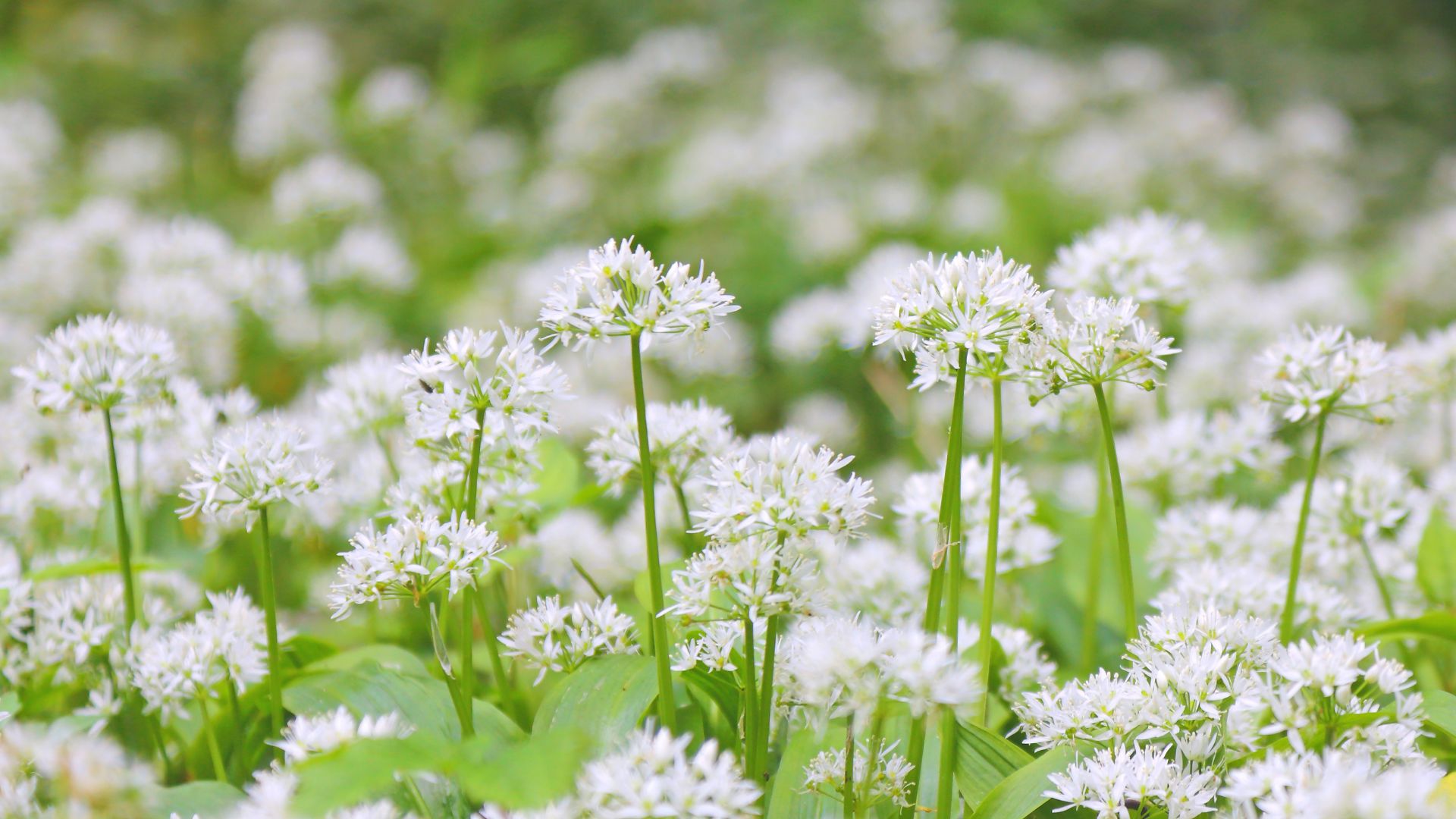
    If you’d like to be bold and find a plentiful, unassuming plant to forage and use immediately, find field garlic (allium vineale) and field onions (Allium Canadense). They grow almost anywhere. In the Northern Hemisphere, they sometimes appear on winter days with some warm sunshine. In early spring, they come forth and are often mistaken for fast-growing grass.

    Step one: Find a field or a yard. It could be your yard, a shared bit of grassy area in your apartment complex, landscaping at your place, a public park, or an edge of woods. Field onions and garlic grow anywhere in soil and sunlight.

    Do take a moment to consider the “isolation” of your spot. I prefer a place away from dog walkers or heavy industry. There are varying opinions about pesticides/herbicides. Still, I won’t harvest where little lawn treatment flags protrude from the ground. Many public parks and woodlands are sprayed with treatments, too. I prefer to forage inside a forest rather than from its edges, where they mainly concentrate the spraying. Sometimes, there is signage after an application.

    When you’ve picked your first spot, quickly scan and notice clumps growing taller than the surrounding grass. Please take a little pinch of stalk and smell it. If you smell either garlic or onion- bingo! You’ve found them. The garlic scent is so distinctive, while the onion is more subtle. Because they look so similar, the aroma will be your reliable identifier. Before the Spring Equinox, you are unlikely to have flowering, but you can see differences in their leaves. Field Garlic is a darker green, with hollow leaves like little straws. Field Onions are not hollow.

    You can gather leaves by pulling them or cutting them with scissors to harvest.

    The leaves are saturated with flavor, but if you want the little bulbs for extra punch, dig down around the plant with a tool like a spade or even a giant spoon. The bulbs will come out caked in soil, and you may not get all of them entirely, but that’s okay. The remaining bulbs will grow again. They are tenacious, and a lot of people consider them weeds.

    Bring something along to carry your treasure. It could be a basket or a washable bag. It will get dirty and soak up that Allium scent. Please give them a good soak in hot water at home, which will loosen the soil. Rinse them a few times, and that’s all there is to it. The next delight is deciding how you’ll use your treasure. Making the cheese and onion biscuits with these may make you feel optimistic and accomplished.

    Another bonus to discovering the wild plants we intermingle with daily is that many people already know what these plants look and taste like. There are field guides, websites, YouTube videos, local classes, and flesh-and-blood people who love to share their interests with you.

    Recipe for Cheesy Onion Biscuits

    • 2 cups all-purpose flour or gluten-free. (We like Cup4Cup)
    • 1 tablespoon baking powder
    • 1/2 teaspoon baking soda
    • 1/2 teaspoon salt
    • 1/2 cup cold unsalted butter, cut into small cubes
    • 1 cup shredded cheddar cheese
    • 1 small onion, finely chopped
    • 1/2 cup buttermilk
    • 1/4 cup sour cream
    • 1 tablespoon honey (optional, for a touch of sweetness)
    • 1 tablespoon chopped fresh parsley (optional, for garnish)

    Instructions:

    1. Preheat your oven to 425°F (220°C). Line a baking sheet with parchment paper or lightly grease it.
    2. In a large mixing bowl, combine the flour, baking powder, baking soda, and salt.
    3. Add the cold butter cubes to the dry ingredients. Use a pastry cutter or your fingertips to rub the butter into the flour mixture until it resembles coarse crumbs.
    4. Stir in the shredded cheddar cheese and chopped onion until evenly distributed.
    5. In a separate small bowl, whisk together the buttermilk, sour cream, and honey (if using).
    6. Make a well in the center of the dry ingredients, and pour the buttermilk mixture into the well. Gently stir until the dough comes together. Be careful not to overmix.
    7. Turn the dough out onto a lightly floured surface. Pat it into a rectangle about 1/2 to 3/4 inch thick.
    8. Use a biscuit cutter or a sharp knife to cut the dough into biscuits. Place the biscuits on the prepared baking sheet, leaving a little space between each one.
    9. If desired, brush the tops of the biscuits with a little extra buttermilk or melted butter for added flavor and color.
    10. Bake in the preheated oven for 12-15 minutes, or until the biscuits are golden brown and cooked through.
    11. Remove from the oven and sprinkle with chopped fresh parsley, if using. Serve warm and enjoy your cheesy onion biscuits!
  • My Indy Neighbor Makes the Best Jerk Chicken

    My Indy Neighbor Makes the Best Jerk Chicken

    Or, How I Learned About Chinese Jamaican Food

    It’s easy to meet your neighbors when you have dogs. Owners seem to be on the same schedule. It’s either before work or after, sometimes it’s in the afternoon when you work from home. Such as it is with Scott, whom I met as he rolled by on his skateboard with Indigo in tow. However, with her sylph-like form harnessed to her owner, it seemed that Indy pulled Scott like a husky. Indy is sweet to watch; she lopes with determination and zest, eager to exercise.

    In comparison, I trundled by with George. Our chocolate lab loves every dog, and every dog loves him. Indy, a pit and whippet mix, can be rough and needs galloping runs with her skater Dad. The two canines have become friends—a quick sniff and off to their worlds. George is finding good goose poop to eat – a never-ending process – and Indy is potentially racing the Iditarod.  

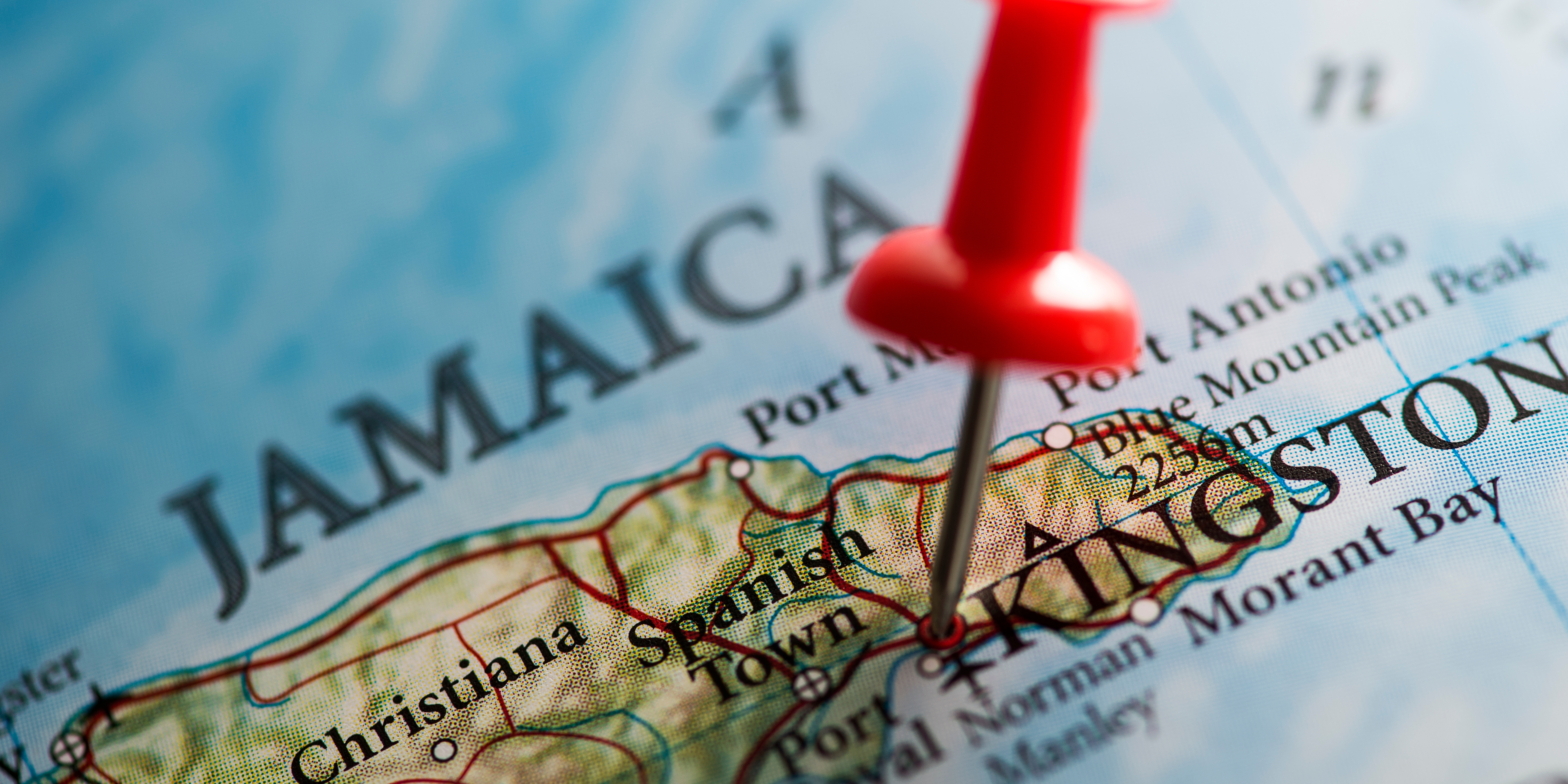
    Growing up as a half-Filipino and half-Caucasian-American boy, I feel acutely drawn to people like me. We are unique. I thought Scott might be bi-racial, too. As it turns out it, he identifies as Chinese Jamaican, a small group of the country’s immigrants that settled in the Caribbean. The son of an American Irish-Scottish father and a Chinese mother, he was born in the Caribbean nation of Jamaica. Raised in Indiana, he, a digital artist, and his wife, Berlin, a teacher are now empty nesters.  

    Scott and Berlin Hughes Photo, Scott Hughes

    Being the food lover I am, I immediately searched the internet for recipes from his Caribbean background. His cooking heritage includes many dishes such as stir-fried goat, jerk chicken chow mein, and char sui dahlpouri. The last dish, literally is a melting pot of cultures, with tastes from Southeast Asia, China, and the continent of Africa.  

    According to the National Library of Jamaica website, the Chinese, mostly Hakka, arrived as indentured servants to work the sugar plantations from 1854 until 1886. Three well-documented ships sailed with almost thousand immigrants during this period. Then, a second and third migration occurred from the early 20th century until the 1970s, mostly of individuals and entrepreneuers looking for better lives. The online publication Gal-Dem, dedicated to telling marginalized people’s stories, says that 50,000 Chinese Jamaicans live on the island today. During an ethnic revolt during the 1970s, several thousand Chinese Jamaicans moved to Canada and parts of the U.S. for safety. 

    When I learned that Scott was Chinese Jamaican, I took it upon myself to learn more. It’s a fascinating immigration story about how Asians and Pacific Islanders came to create a diverse culture in Caribbean history.  Through this, I discovered that the first Filipino settlement occurred in a Louisana in 1763 with a group of enslaved people and other people of color. Even earlier, Filipinos sailors aboard a Spanish ship landed in Morro Bay, California in 1587, reports PBS So Cal Focus, 33 years before the pilgrims land at Plymouth Rock. With this said, discovery of North America most likely were not European but from the Asian diaspora

    In his words: Scott Hughes

    I was born in Kingston, Jamaica in 1972. My father was American Scotch/Irish, and my mother was Chinese, whose parents came to China in the early 20th century. My mother’s people are called Hakka Chinese. They have a dialect but no longer speak it. They are native to Southern China but originally migrated to the region from the central part of China in ancient times. They are considered Han Chinese (a particular group which than moved to Southern China, before immigrating to Jamaica) and live in the traditional Hakka round houses.

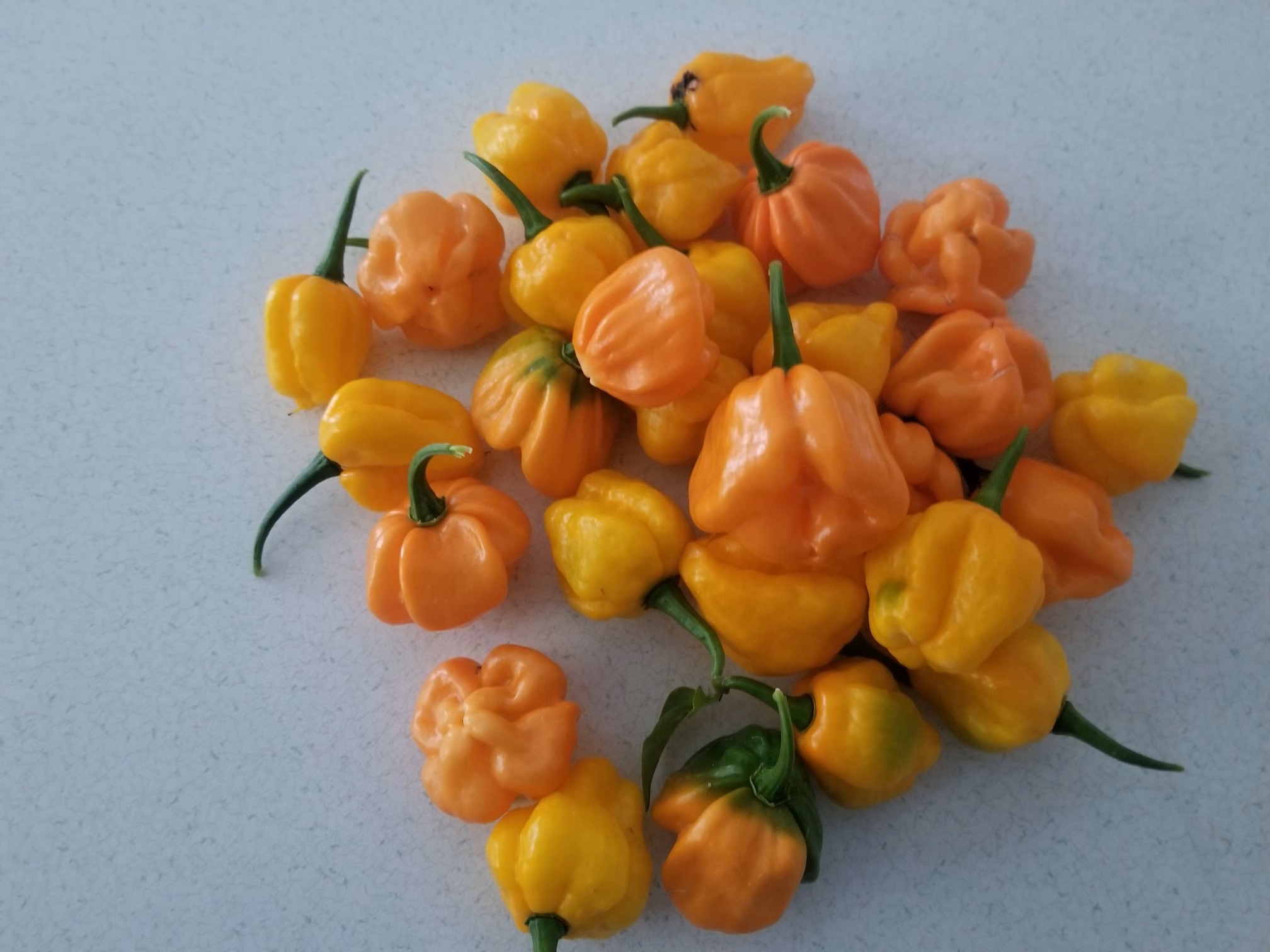
    Home grown scotch bonnets: Photo by Scott Hughes

    My mother came to America through Catholic school connections and attended Marian College in the sixties when she met my father. They moved to Jamaica and lived with my mother’s family before migrating back to the U.S. in the seventies. 

    My uncle owned a small Jamaican eatery called Patties of Jamaica at the 52nd and Allisonville Road intersection. It has been there for over 40 years, now run by my cousin.

    What is your favorite food to cook at home? 

    Jamaican food.

    What do you always have in your fridge at home?

    Scotch bonnet peppers that I grow.

    What marked characteristic do you love in a person you share a meal with?

    Trying new food.

    What marked characteristic do you find unappealing in a person with whom you share a meal?

    Hogging the best shrimp. 

    Beer, wine, or cocktail?

    No

    Who is your favorite cookbook author?

    Julia Child.

    What is your favorite kitchen or bar tool?

    Meat tenderizer mallet. 

    Favorite types of cuisine to cook?

    Chinese, Thai, and Caribbean.

    Beef, chicken, pork, seafood or tofu?

    I love chicken, beef and goat.

    Favorite vegetable?

    Green beans

    What chef or culinary person do you most admire?

    Bourdain

    What food do you like the most?

    Blueberries

    What is your favorite non-eating thing to do?

    skateboarding, water-coloring, digital design

    Whom do you most admire in food?

    Chef Ricardo 

    Where is your favorite place to eat/drink in the Midwest? Delicia

    Where is your favorite place to eat and drink outside the Midwest?

    New Orleans & Jamaica

    What is your favorite restaurant?

    Benyue Dim Sum House in Castleton.

    Who is/are the person/s with whom you would share your last meal?

    My wife. 

    Scott Hughes Recipe for Jerk Chicken

    • One medium onion, coarsely chopped
    • Three medium scallions chopped
    • 3 Scotch bonnet chiles, chopped
    • Two garlic cloves, chopped
    • One tablespoon five-spice powder
    • 1tsp ground cinnamon
    • 1 tsp ground fennel seeds
    • One tablespoon Jamaican allspice berries, coarsely ground
    • One tablespoon of coarsely ground black pepper
    • One teaspoon of fresh thyme
    • One teaspoon of freshly grated nutmeg
    • One teaspoon salt
    • 1/2 cup soy sauce
    • One tablespoon of olive oil
    • ¼ cup dark brown sugar
    • 2 (3 1/2 to 4-pound) chickens, quartered
    • 1tsp Chinese MSG (that’s right)
    • 1 Lime to wash the chicken pieces with (Jamaican practice but not needed)

    Prep chicken pieces by poking them with a fork to allow marinade to seep into the flesh. Rub chicken pieces with fresh lime (optional).

    Use a blender to make spices into a marinade, and place chicken into a 1-2 1-gallon size freezer bag(s) and marinate for a day. If you need to use two freezer bags, split the marinade into both.

    Bake or grill at around 415 degrees for approximately 40 -50 minutes, depending on the size of the pieces.

    If baking, use a slotted pan to release the chicken drippings below. However, roasting the meat in a glass baking dish allows the spices and juices to bathe. It all comes out delicious. 

    You can adjust to a lower heat but add extra time to accommodate.

    Best served with Jamaican rice and peas and a mango coleslaw

    [mc4wp_form id=3900]

  • Goodie, Goodie, Gluten Free

    Goodie, Goodie, Gluten Free

    Learning How to Make GF Sea Salt Pecan Bars with Indy’s GF Lady, Lydia Bootz Armstrong.

    When we moved to Indianapolis from Southern California, we had already been on a gluten-free diet for several years. Before being diagnosed with celiac, doctors couldn’t understand my partner’s overwhelming gastrointestinal pain. The outcome was celiac, which now seems as common as a cold. But it’s actually not. 

    According to Beyond Celiac, a non-profit dedicated to eradicating the autoimmune disease, they estimate that one in 133 Americans has celiac. However, 83% of individuals with celiac may not even know they have it or are misdiagnosed with another ailment. Another six percent of the general population may have non-celiac gluten sensitivity (NCGS), says the World Journal of Gastroenterology, with symptoms ranging from acute abdominal pain, bloating, constipation and diarrhea. Still, all of this can be managed, states the Celiac Disease Foundation, with a lifelong adherence to a strict gluten-free diet, avoiding anything that contains wheat, rye and barley. While the cause of celiac disease is unknown, it is a genetic issue, handed down along a family line.

    I can manage diet adjustments. Besides, a cake is a cake regardless of the flour used; it’s only a different ingredient. There might be some stretch or elasticity missing from the dough. If you toss in chocolate chips, some walnuts and buttercream, it can be as tasty as wheat-based – almond flour, anyone?- and sometimes even better. Pizza crusts made from rice flour offer a lovely chew and crispness, holding toppings even better instead of flopping. Of course, French macaron and marzipan quell a sweet tooth and happen to be made from almond meal, making them gluten-free.

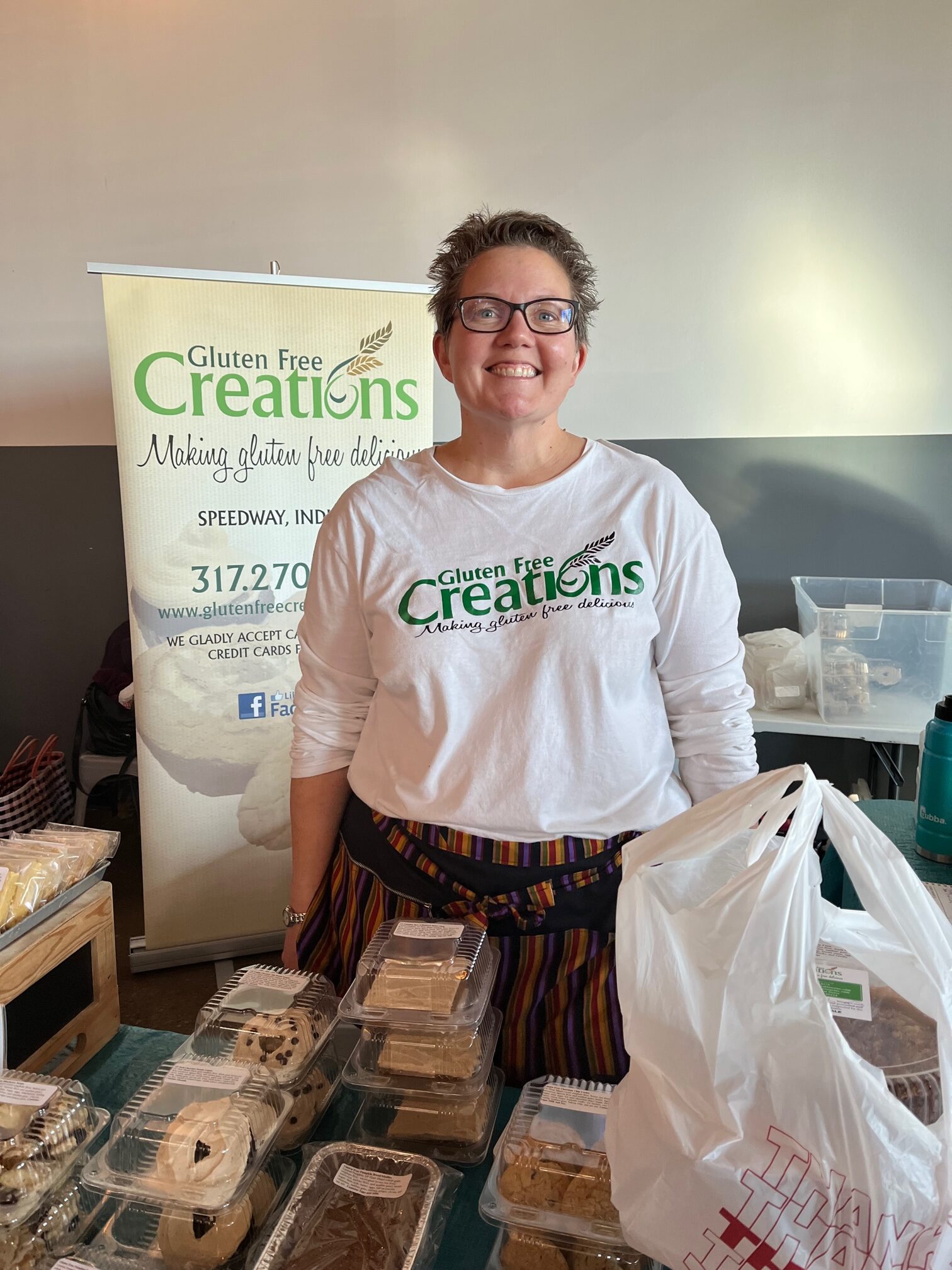
    Lydia Bootz Armstrong, Indy’s GF Lady

    I was prepared to bake most of our cookies, cakes and breads when we set up a heartland home. However, it turned out to be easier to find wheat-free bakers in the Midwest than on the coasts. While most sell goods at local farmers’ markets, many brick-and-mortars provide tasty alternatives using proprietary blends crafted with tapioca, potato and rice. Baking, indeed, is a science.

    This is how I came across Gluten Free Creations and Lydia Bootz Armstrong, a wheat-alternative baker but still uses true-blue butter, sugar and all the other tasty goodies found in confectionaries. While healthy is a good thing, we still wanted the experience of granulated sugar, not substitute sweeteners, no matter how good they might be. I’ve eaten her goods for the better part of the four years we have lived in Indiana.

    Why did you start making gluten-free baked desserts? I began when several of my Purdue University Extension colleagues I worked with were celiac or had gluten sensitivities. I enjoy baking, creating things so everyone can eat at special events. The caterers (at work) couldn’t figure out different flours or alternatives for gluten-free, so I started working on transforming recipes from regular wheat flour to gluten-free.

    I realized I also needed to be gluten-free, which I discovered. It made it even more urgent for me to dig in and expand, making things gluten-free for me and my family.

    When did you start baking? I’ve been cooking since I was young, a little kid. I always enjoyed doing that and making desserts for my family.

    When did you start it as a business? I started Gluten-Free Creations nine years ago this past April. It grew out of my desire to have gluten-free baked goods for people who needed something gluten-free that tasted better than in the commercial grocery stores. There were only so many options for local bakeries. 

    Have you found that gluten-free baked goods have grown? There’s definitely been growth, but only some things have improved with time. There are still plenty of dried, baked goods out there. 

    What would you like me to ask that I still need to include in your gluten-free story? I’m not the only gluten-free baker in town. I have colleagues, whether they are brick and mortar or from their homes; we all work together. If one of us doesn’t make a particular product, we call upon each other and give the referral. We’re in this work and business together and want everybody to succeed. We try to remember our humble beginnings to serve people who desire something delicious that they can eat without getting sick. It’s great knowing we can support our customers by providing products they enjoy knowing.

     I’m glad to be a part of these options available, so that people can have regular everyday lives and enjoy the things they love.  

    Follow her on Instagram and Facebook.

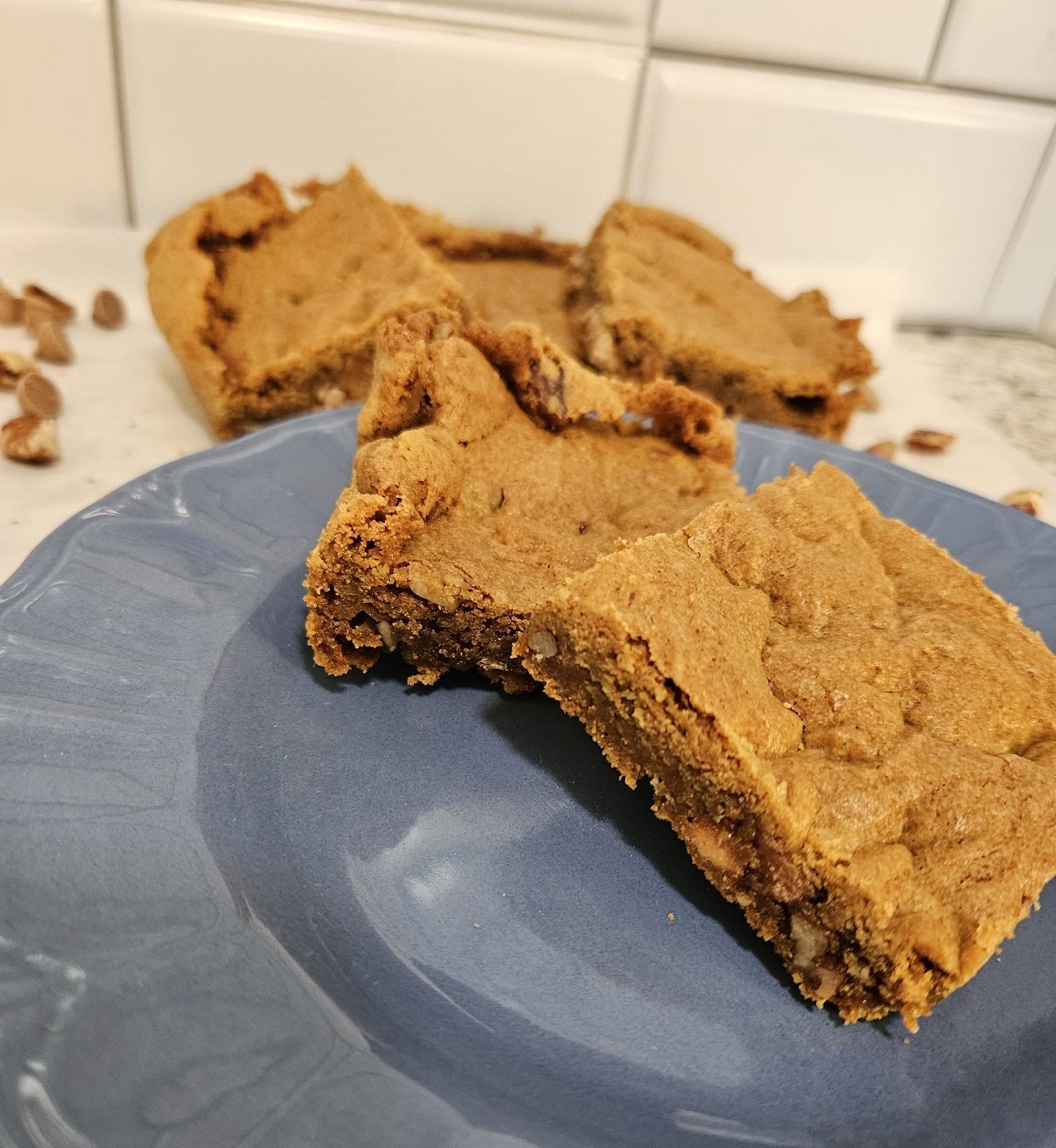
    Gluten Free Sea Salt Pecan Bar

    Lydia Armstrong, President and owner of Gluten Free Creations, Inc. Carmel, IN, Makes 8×8 pan. 9 Servings

    Ingredients:

    1 ⅛ c GF Flour Blend (I use our house blend.)

    ¾ t baking soda

    ½ t xanthan gum

    ½ c Unsalted butter, softened

    ½ c Brown sugar, firmly packed

    ¼ c Granulated sugar

    1 Egg

    ¾ t Vanilla extract

    1/3 c Sea Salt Caramel Morsels

    1/3 c chopped pecans

    Directions:

    Preheat oven to 350ᵒ degrees. Line 8×8 pan completely with parchment paper and set aside. Whisk together GF Flour, baking soda and xanthan gum and set aside.

    Combine unsalted butter and both sugars in a mixing bowl; beat on medium speed with mixer until light and fluffy. Add in egg and vanilla extract. Incorporate everything into the mixture.  With mixer going, add in flour mix a little at a time until incorporated. Stir in morsels and pecans with spatula.

    Pour batter into prepared pan and spread evenly with spatula. Place in preheated oven and bake for 25-30 min. Batter will rise during baking, but will “collapse” when finished. Remove pan from oven and place on cooling rack. Once cooled, remove bars by pulling them out by the parchment paper and place on counter/table to cut. Pull parchment away from the sides and cut into 3rds yielding 9 bars. Store in airtight container for up to a week.

  • i8tonite: Filipino Food in Indy? Yes! And Noodles, too!

    i8tonite: Filipino Food in Indy? Yes! And Noodles, too!

    INDY’S STAR CHEF CARLOS SALAZAR CONTINUES TO

    COOK OUTSIDE THE MIDWEST COMFORT ZONE

    When Chef Carlos Salazar opened in 2016 his Fletcher Place restaurant, Rook, he quickly emerged as one of Indianapolis’s cooking icons, changing the dining scene locally and regionally. He captivated area eaters with his Asian and Latin fusion approach to food, displaying a creative passion using ingredients from local farms while pushing the boundaries of flavor to Midwest palates. Items such as bulgogi lamb meatloaf bao bun with kimchee cucumbers, sweet and sour fried ribs with napa cabbage slaw or “kimcheese” jalapeno poppers regularly graced his menu. In a brilliant brunch dish, he took the stalwart favorite of biscuits and gravy using koji cream and pickled onions, creating a world where a Japanese farm existed in the gentile South. Even though the eatery became a pandemic casualty like many, Salazar continues to profoundly impact the city and the regional dining scene today.

    Born in the Philippines but raised in Indianapolis by his father, Salazar’s journey in the kitchen began when he started cooking for his neighbors as a kid. He said, “I would whip up oven-roasted salmon and pesto for my friends and me to eat.” After a brief and unhappy tenure in accounting, his then-best friend and now wife encouraged him to try something different. He enrolled in an Indy-based culinary school, the Chef’s Academy, under the tutelage of Tony Hanslit, one of the region’s premier and award-winning cooks. 

    After graduation, Salazar plied his trade at Oakley’s Bistro, the much-lauded American bistro, before opening his debut restaurant, Rook. It quickly became a celebrated spot with Salazar’s love of combining flavors. As previously noted, his first experience has become much celebrated ghost, but luckily for us, Salazar did not. He continues to produce tasty experiences in the heartland, such as his Lil Dumplings at the Garage, consulting with West Fork Distillery, and his recently launched Lil Rook food truck.

    In a city known more for sports food and venues serving hot dogs and tater-tots than far-flung Asian and Latin ingredients such as huitlacoche, bao buns, or epazote, Salazar, became known as a tastemaker of worldly treats in a landscape of fast-casual chains. The state’s ethnic demographics are changing, notably, under the influence of growing industries such as technology, medicine, and education, Salazar’s international tastes bring a bit of home away from home for the new global residents of Indy. 

     What do you like about living in the Midwest? My favorite thing about the Midwest is the simplicity and the quietness. I love cities like Chicago. It’s the best city in the country, but I can’t see myself living in a place that’s so crowded. Indianapolis is just perfect. It’s chill. 

    If you want to go crazy, you can do that in Indy or drive three hours and live that lifestyle. 

    What are your favorite foods to eat? I moved (to Indy) from the Philippines when I was eight. We were eating Spam, Vienna sausages, cheeseburgers and pizza. My dad worked 24/7. He worked the morning, afternoon, night, and graveyard shifts. We were either getting fast food or making our own. But, if I had to pick a meal that resembles a great Midwest dinner, it would be meatloaf. I love a good old meatloaf with ketchup on top.  

    Where’s your favorite place in Indianapolis to go grocery shopping? It’sn’t our favorite, but the most convenient is Kroger. It’s five minutes from my house, and they have everything we need. If I’m going for my Asian ingredients, I go to Viet Hua Food Market in Castleton.

    A little Latin. A little Asian. Ramen and birria

    A little Latin. A Little Asian. Ramen and birria.

    What would you like me to ask you? What have you never been asked? No one has ever asked me that. (Laughs.) If it has to do with cooking, I would ask, “Why did I create Rook with the cuisine that it had?” That is the question. I felt that I perfected French cuisine when cooking for Oakley’s Bistro, probably about six years ago. I wanted to be challenged. I wanted to do something that I had never done. I didn’t know **** about the Philippines or the food. I knew about being around my family in Fishers. 

    When I got the opportunity to open Rook, I wanted to do Asian cuisine, heavy on the Filipino. I wanted one month to serve Chinese and the next Japanese, and then Vietnamese the next. I wanted to cook something different and to challenge myself. All I knew was French and cooking is learning. You need to learn every day. You have to be better than you were the day before. I didn’t want to just create a menu and make it. 

    I wanted to research and test something a couple of times. Fail. Figure out what I need to do to make it better. 

    What did you want to serve at Rook that you didn’t serve? People eat that food in Asia–China, Japan, and the Philippines – repeatedly. I wanted to introduce that experience to Indiana, that cuisine and culture. At Rook, we made our own soy sauce and fermented vegetables. We tried to do everything from scratch. I think that was the biggest thing. We wanted to learn. 

    I told my guys I hired I want you to be better tomorrow than you are today. If you could make 50 dumplings today, I want you to come back tomorrow and make 51. 

    What brought you here to the United States? My Dad. He left the Philippines when I was just born. His life could have been better there. He was always getting into trouble. His oldest brother, who was caring for us in the Philippines, was very wealthy. He told my dad, “Hey, you have kids. You need to make a life for them.” My dad left and moved to the U.S. in the mid-eighties. When I turned eight, my dad did all the paperwork to bring my sisters and me to the U.S. for a better life. When my dad first moved to Indiana, he worked various jobs, including the graveyard shift, making prosthetic legs. At Steak & Shake in Carmel. Currently, he works at a nursing home. 

    Where is your mom? She followed us five years later, in 1997. 

    Did you find it difficult to become a chef in the Midwest? No, I don’t think so. I guess I got lucky, too. The food (in Indiana) is uncomplicated, so it’s easy to stick out if you do something different. About fifteen years ago, there were only franchises and steakhouses. It made it a little easier for me to become a chef with something different. 

    Tell me about your food truck, Little Rook. I’m missing Rook. I don’t know if I am ready to open Rook 2.0, but I keep thinking about steam buns (Laughs). That’s what’s in my head right now. Those gears are turning, but I wanted to start with a food truck. 

    You grew up eating burgers and hot dogs like I did, but who did most of the cooking? My Dad. He was the inspiration without knowing it. My dad cooked at home. I sat there and watched. And then, we would do sleepovers with friends, but we didn’t eat doughnuts or pizza. I cooked them food like roasted salmon with asparagus and a little bit of pesto sauce. It was something like that instead of ordering food. It was me cooking. I didn’t even think of becoming a chef. Never even thought of it. 

    You made salmon for your friends? I started cooking for my friends in my freshman high school year. I would make roast salmon with the skin, make a little pesto, you know—things like that. Make pad Thai. I never said I was going to become a chef because I love cooking. I felt like making food was me and this is who I am. I never thought of being a chef until my wife–my best friend ‌at that time – told me to go to culinary school. 

    You can stay up to date on Chef Carlos Salazar with his food truck and noodle shop via social media. All photos courtesy of Chef Carlos Salazar and his Instagram accounts.

    ## i8tonite ## 

    Chef Carlos Salazar’s Assam (Tamarind) Peel & Eat Shrimp 

    What You Will Need: 

    • One pound large shrimp, preferably with shells and heads on
    • 1/4 cup tamarind paste or pulp (available at Asian markets) 
    • Two tablespoons brown sugar
    • Two cloves of garlic, finely chopped
    • 1-inch piece of fresh ginger, grated
    • 1 – 2 jalapenos, thinly sliced (adjust to your spice preference)
    • Salt to taste
    • Fresh cilantro leaves for garnish
    • Lime wedges for serving

    How to Make: 

    If using frozen shrimp, thaw them completely in the refrigerator. Then, rinse the shrimp under cold water and pat them dry with paper towels.

    To make the Assam Sauce:

    Combine the tamarind paste or pulp with brown sugar in a large bowl. If using tamarind pulp, soak it in warm water for a few minutes to soften it, then strain out the seeds and fibers before mixing with sugar. Add minced garlic, grated ginger, and sliced jalapenos to the tamarind mixture. Always adjust the chilies to your desired level of heat. Stir well to combine, and taste to adjust sweetness and spiciness. Add a pinch of salt if needed.
    Marinate the Shrimp:

    Into the large bowl, place the cleaned and dried shrimp. Toss to coat them evenly. Allow the shrimp to marinate for 15-30 minutes at room temperature.

    Cook the Shrimp:

    Heat a skillet or pan over medium-high heat. Add the marinated shrimp along with the tamarind sauce to the hot pan. Sauté the shrimp on each side for 2-3 minutes until they turn pink and opaque. The sauce will thicken and coat the shrimp as they cook. Transfer the Tamarind Peel and Eat shrimp to a serving platter, pouring any remaining sauce over them. Garnish with fresh coriander or parsley – some folks don’t like coriander – and serve with lime wedges, adding a bright citrus edge. 

    We may make a commission on items sold through our website.

  • I8tonite: Media Maven Jennifer Magley & Her Grandmother’s Delicious Rolls

    I8tonite: Media Maven Jennifer Magley & Her Grandmother’s Delicious Rolls

    When I first met Jennifer Magley at an event, she offered huge smiles, genuine warmth, displayed a brilliant fashion sense all while listening to an old fart (me) prattle on about nonsense. That very morning, her company downsized leaving her without work. To her credit, she showed grit and resilience by coming out to make new acquaintances instead of staying cooped up, feeling sorry for herself, which is what I would have done. 

    Born in Kansas, Magley attended the University of Florida and was a scholarship athlete at IMG Academy under the direct tutelage of renowned tennis coach Nick Bollettieri. While in college, Magley became the number one ranked NCAA Division, Singles player in the country, a four-time All-American, and the Arthur Ashe Jr. Sports Scholar recipient. As a member of TEAM USA, Magley represented the United States in over 14 countries. After graduation, she competed professionally on the WTA Tour before being named Associate Head Coach at Wichita State University. With many accolades and recognition, she became the nation’s youngest NCAA Division head coach at Florida Gulf Coast University. 

    She has written two books, with her debut novel Division I, released in 2014, spotlighting issues that affect female collegiate athletes and, in 2021, How to Be Queen-A Leadership Fable, about the power of imperfect leadership. 

    Today, with national media coverage, from USA Today, CNN, ESPN, Foundr Magazine, and US News & World Report, she is a successful Keynote Speaker and High-Performance Coach, having spent over a decade as a recruiter and helping successful people become their best. Additionally, she started Magley Mass Media, where she promotes women, including her mother, Evelyn Magley, the first Black woman to head a men’s professional basketball league. Her father, a former pro player with the Cleveland Cavaliers, Dave Magley, was the former commissioner of the National Basketball League of Canada and now is the president and chief operating officer for the North American Basketball League. 

    Between her sold-out luncheons, writing, speaking, and being just a media superstar, Magley graced us with answers to i8tonite questions and a time-honored yeast rolls recipe.

    Why did you start Magley Mass Media? 

    In March, my full-time role as a technical recruiter laid me off and launched Magley Mass Media. I just looked at my phone and it says I started doing my thing on April 18th full time.

    What gives you the greatest joy in working in this space? 

    For most people, the reality is that no one knows your name; I help change that through 90-day Media Mastermind Groups. My greatest joy is seeing the folks I partner with land more media, connections, and onstage opportunities. People need to know you exist and that you have expertise.

    What is your favorite thing to do around your company? 

    Finding new ways to surprise and promote the people I work with. I deeply believe that over-performing is such a gift. It’s a joy to be able to see my clients light up.

    Could you tell us about your favorite inspirations? 

    There have been a lot of people who have sacrificed in my bloodline for me to be where I am today. I have descended from slaves and slave owners, immigrants, and orphans. That’s positive motivation. On the flip side, there are a handful of men that have taunted me with their money and arrogance. Hard to say which inspires me more.

    What are your favorite things about the Midwest? 

    The people. Indiana has been rated by the IEDC as one of the best places in the country to begin a business. That proves to be true. I was born in Kansas, so that’s why I probably say the people. Secondly, cost of living.

    What is your favorite regional city and why? 

    This is unexpected but Cincinnati, that counts right? They have done so much to develop their downtown, especially Over the Rhine, with restaurants and shops. They have a bit more elevation than Indianapolis and it really is such a lovely place, and the food is fantastic.

    Where is your favorite place to eat and why? 

    VIDA. (It’s a) Cunningham property, however it is a chef’s restaurant, so it is not a chain. This is where we go for special occasions because of their four-course dinner. Chef’s kiss. I’ve had literally everything on the menu and their consistency is unmatched for fine dining in Indy.

    What do you have in the fridge currently?

    Oatmilk. Organic Eggs. Champagne. Organic Greens. I want to be bourgeois.

    Jennifer Magley’s Grandma’s Yeast Rolls 

    Ingredients

    4 – 5 cups all-purpose flour

    2 cups hot water

    ⅔ cup sugar

    ½ cup of liquid Crisco or any liquid cooking oil

    3 eggs

    2 packages yeast, Rapid rise or day (3 if you are in a hurry)

    Cupcake pans, greased and floured

    To Make: 

    Pre-heat oven to 375° to 400°depending upon oven. Mix hot water, oil, sugar and eggs. Stir until sugar is dissolved. If you use rapid rise yeast, sprinkle in liquid, then let it dissolve waiting a few minutes. Stir. Add about two cups of flour and stir adding more flour on the right consistency for kneading. You may put a kneading board on the counter-top. 

    Knead very little, just enough to roll out and cut. If you don’t have a biscuit cutter, use a cup to cut out two circles and a half. Fold the circles in half and add the half-circle into the greased and floured cupcake pans. Pinch the edges together. Brush with melted butter and let rise until they look right for baking. (Forty-five minutes to an hour). 

    “This makes for the rolls to be very lovely in shape and fashioned to pull apart.”.

    Jennifer Magley

    Bake for 10 minutes or until brown, brush with butter again when removed from oven. 

    Cinnamon Rolls: Simply roll out as you do for rolls. Brush with butter. 

    Mix brown sugar, white sugar, cinnamon, raisins and nuts. Roll up the dough into a log. Let rise.

    I8tonite

    We may make a small commission on the links.