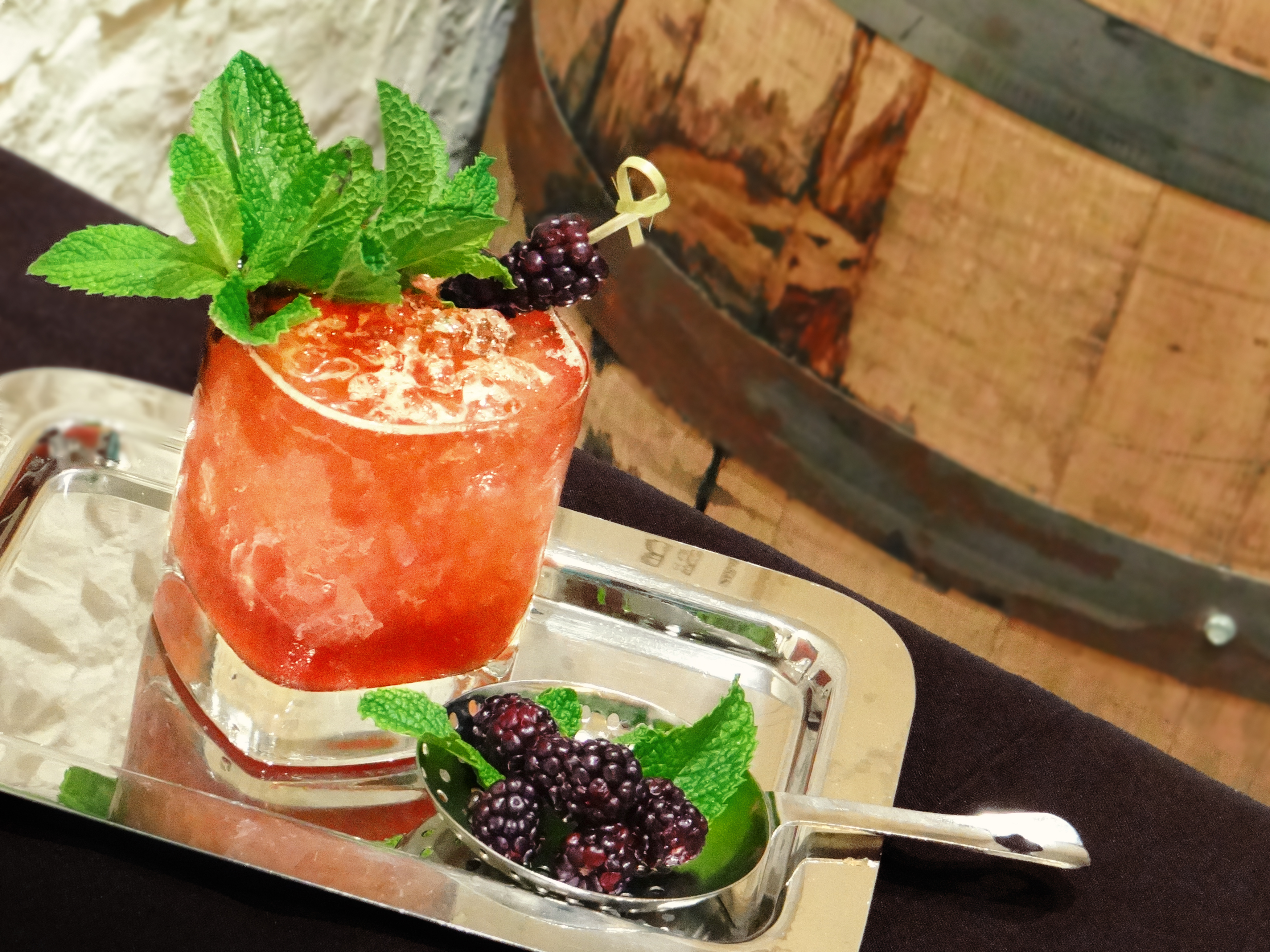
We have been in Tucson for nearly six months. Nick and I have been eating out a lot , trying to get a better sense of Southern Arizona through its food. I’m grateful to have a partner who allows me this indulgence. There is no misunderstanding that eating is far more expensive than it’s ever been, for everyone. However, this is our extravagance. We aren’t big on moviegoing, concerts or theater, maybe the occasional symphony, but dining out is our big thing. It’s our entertainment. I know that when you eat at restaurants in an area and shop at its farmers’ markets, you get to understand its culture better than anything else.
I’ve even been trying to eat my way through as many breakfast burritos in Tucson as I can. While I love burritos, I heart an egg, cheese, bean and whatever else can be stuffed into the Mexican roll-up. It’s a perfect balance of carbs, fat, and protein in one portable, easy-to-eat meal.
Over the last several weeks, we had breakfast at four very different tables: Tumerico, Tito + Pep, El Brunch Bistro, and Buendia Breakfast & Lunch Cafe.
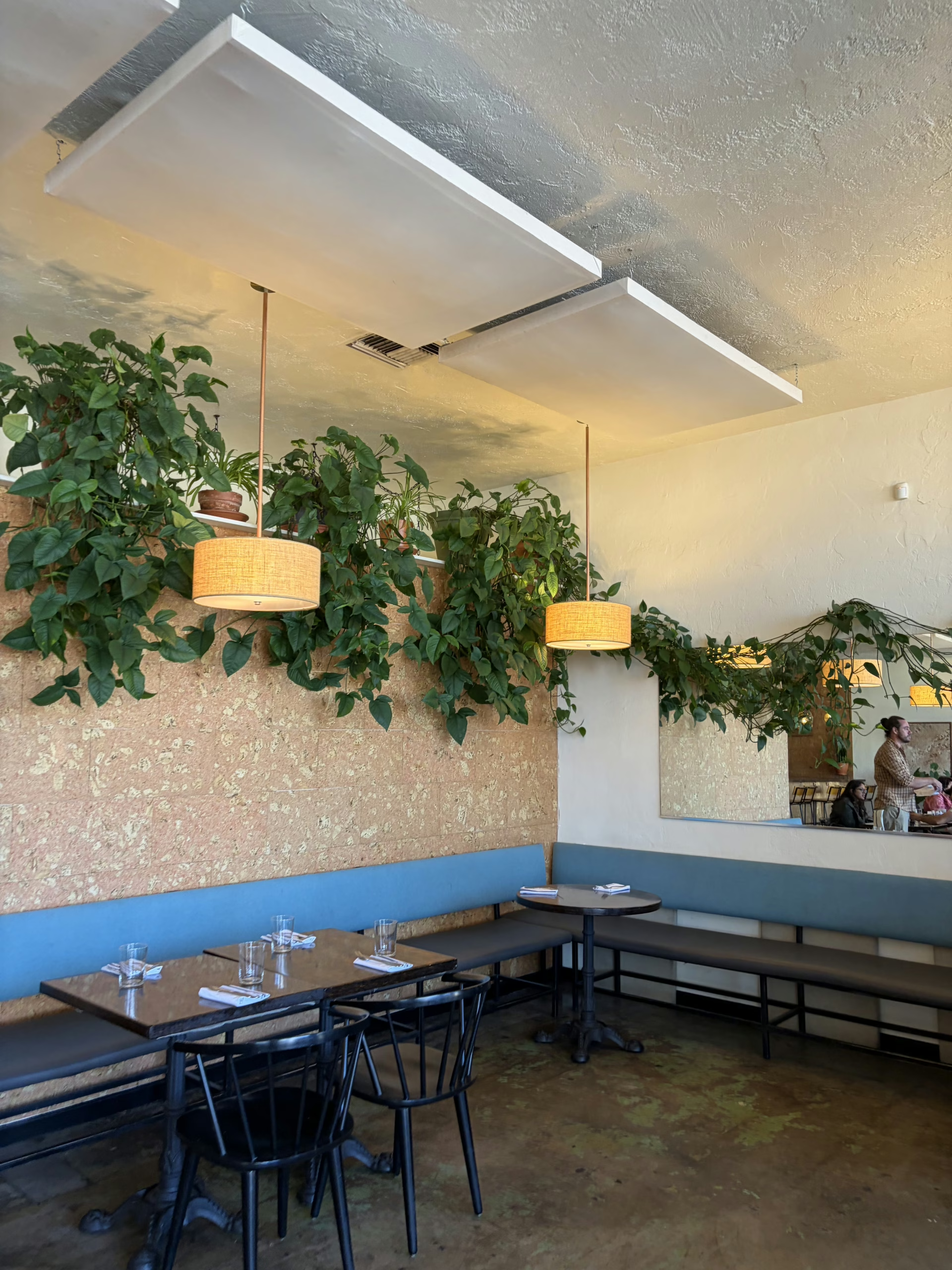
At Tio & Pep, brunch is an energetic and gestural, artsy experience. The dishes look more abstract expressionist, with sauces dripping from well-conceived proteins on large plates, serving as canvases. The interior even sets a specific tone with its Midcentury modern appeal and a philodendron that vines itself around the ceiling.
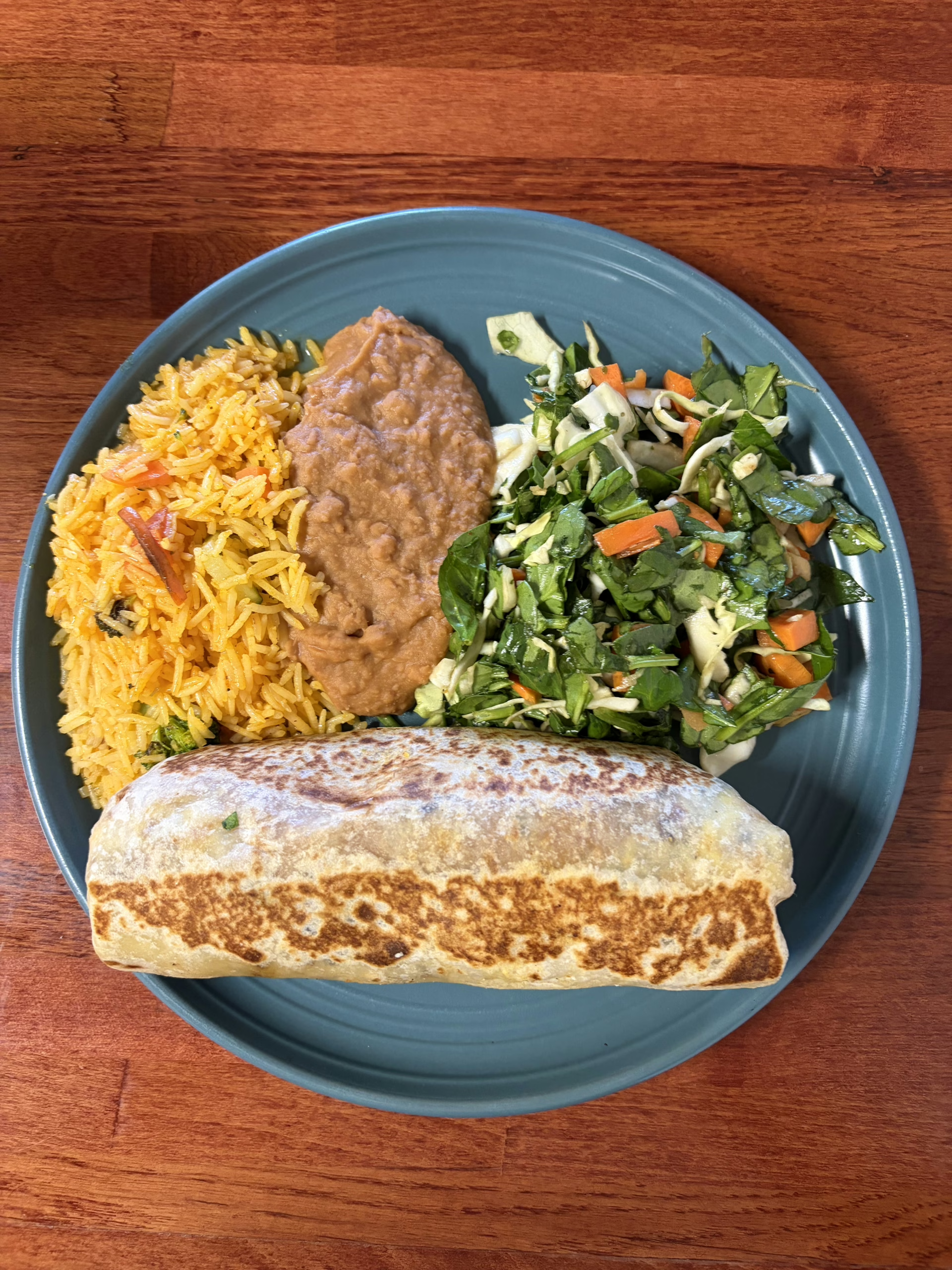
The very well-known Tumerico pulls you in a different direction with its commitment to vegetarianism. I went in thinking light and left with something more substantial than expected. Chef Wendy Garcia doesn’t sell you on anything; she cooks with the intention of flavor. Even when you think you’re ordering simply, there’s more going on beneath it, and the menu changes frequently.
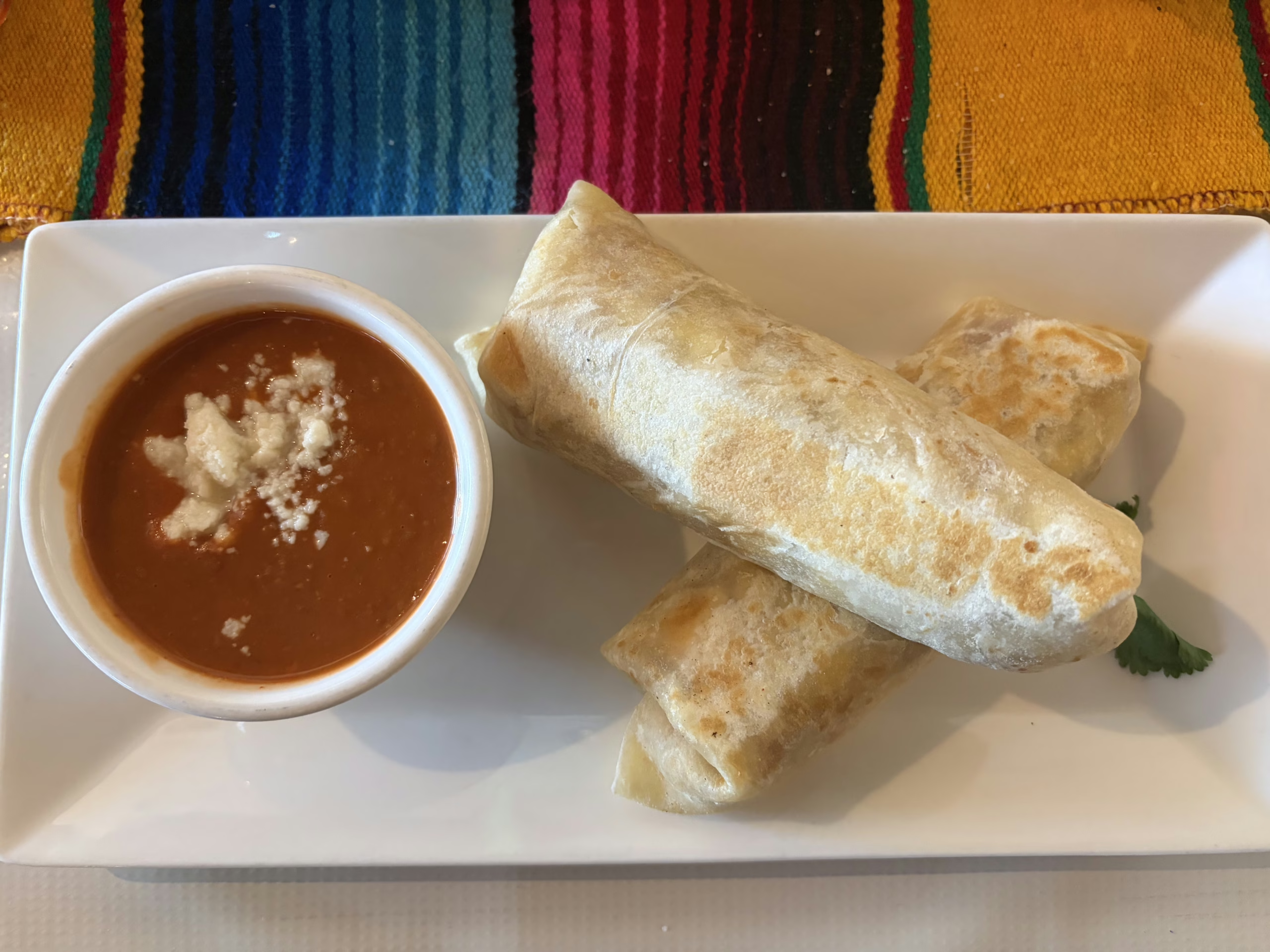
Over at Buendia Breakfast & Lunch Cafe, husband and wife team, Julio and Jael Garcia sprinkle a bit of happiness over every meal. (We can all use that right about now.) Their rendition of a burrito is actually two with housemade refried beans as a dipping sauce. Charming place that you can – or I can go in like a crab-apple and come out as sweet as a peach.
And then El Brunch Bistro, a hidden carry-out spot where the burrito, a mas grande ham, cheese and egg log felt like it belonged to the burrito-eating project I’ve silently been on. It was warm, lusciously straightforward, and exactly what you want to be fed well with lots of smack. This is the kind of robust burrito that keeps me seeking out others just like it. Look at the ceiling and it’s not tin, but old license plates painted white. Nice touch.

This is where we are eating right now: Out in the Old Pueblo, somewhere in the middle of a very unofficial burrito tour and at home.
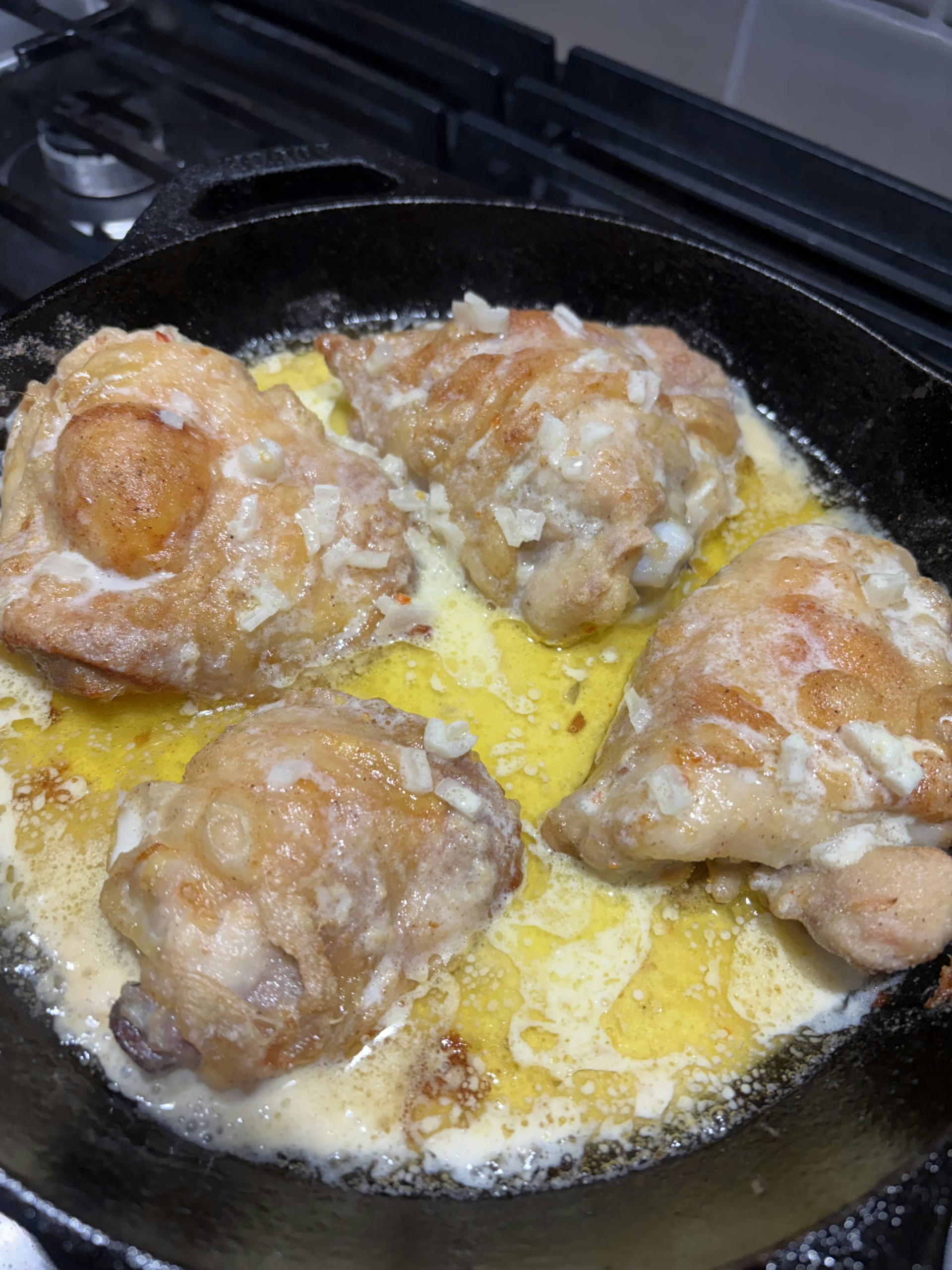
After a week of eating out, I ended up back in our kitchen, trying to cook something that carried a bit of comfort, depth, and enough heat to wake everything up, including my stuffed sinuses from the desert pollen. That’s where this came from: Chicken thighs with cream and chiltepin.
It’s a simple, European-inspired dish with seared skin, a delectable richness from the cream, and a little sharp, indigenous Sonoran heat from the chiltepin, making a dish that tastes like it rightfully belongs in the desert.
Chicken Thighs with Cream and Chiltepin
Ingredients
- 4 bone-in, skin-on chicken thighs
- Salt and pepper
- 1 tablespoon olive oil
- One medium chopped onion
- 2 cloves garlic, minced
- 1 cup heavy cream
- 1/2 teaspoon crushed chiltepin (more if you want heat)
- 1/2 cup chicken stock
- Optional: squeeze of lime, chopped herbs.
Instructions
- Pat the chicken thighs dry, then season with salt and pepper.
- Heat olive oil in a skillet over medium heat. Place the chicken skin-side down and cook until the skin is golden and crisp, about 6–8 minutes. Flip and cook for another 5 minutes. Remove and set aside.
- In the same pan, add garlic and onion and cook briefly until your kitchen smells aromatic.
- Pour in the chicken stock, scraping up any browned bits. Let it reduce slightly.
- Add the cream and chiltepin, stirring to combine.
- Return the chicken to the pan and simmer until cooked through and the sauce thickens, about 10–15 minutes.
- Finish with a squeeze of lime or and freshly chopped herbs, such as Mexican oregano or epazote, if you like.
Serve with rice, handmade tortillas, or a freshly baked bolillo, toasted, to sop up the sauce.

The end. Go eat.