Tag: Indy

  • i8tonite: Top Favorites Eats, 2023: Delicious, Easy Recipe for Hasselback Potatoes

    i8tonite: Top Favorites Eats, 2023: Delicious, Easy Recipe for Hasselback Potatoes

    Our favorite meals over the last year. And a Thanksgiving Hasselback Potato Recipe.

    I spoke to a born and bred Hoosier who said to me, “Hoosiers are humble. We don’t talk about the great things we offer.” In today’s day and age of marketing and promotion, no one wants to dine at your table if they don’t know what’s available. We have many opportunities to promote local Indiana food entrepreneurs, and we should. A friend and former editor-in-chief of the biggest food magazine in the world said her life was about traveling to eat. In 2004, London-based food writer Andy Hayler went to every three Michelin-starred restaurants worldwide and was the first to do so. He continued to do it six more times until the pandemic. Traveling for food is big business. 

    Having lived, worked and promoted destination and resort towns across the United States and internationally for most of my life, it’s always about the food and drink first, even more so than the hotels. Think about heading to Napa Valley without the wine? Leaving the lackluster conference hotel room, the food – and service –will make or break the experience. Before living in Indy, except once, I never read about great food from the Hoosier state, but there are stellar places. I’ve eaten at them. 

    Read our first two of 2023 until we get to eight!
    Tinker Street

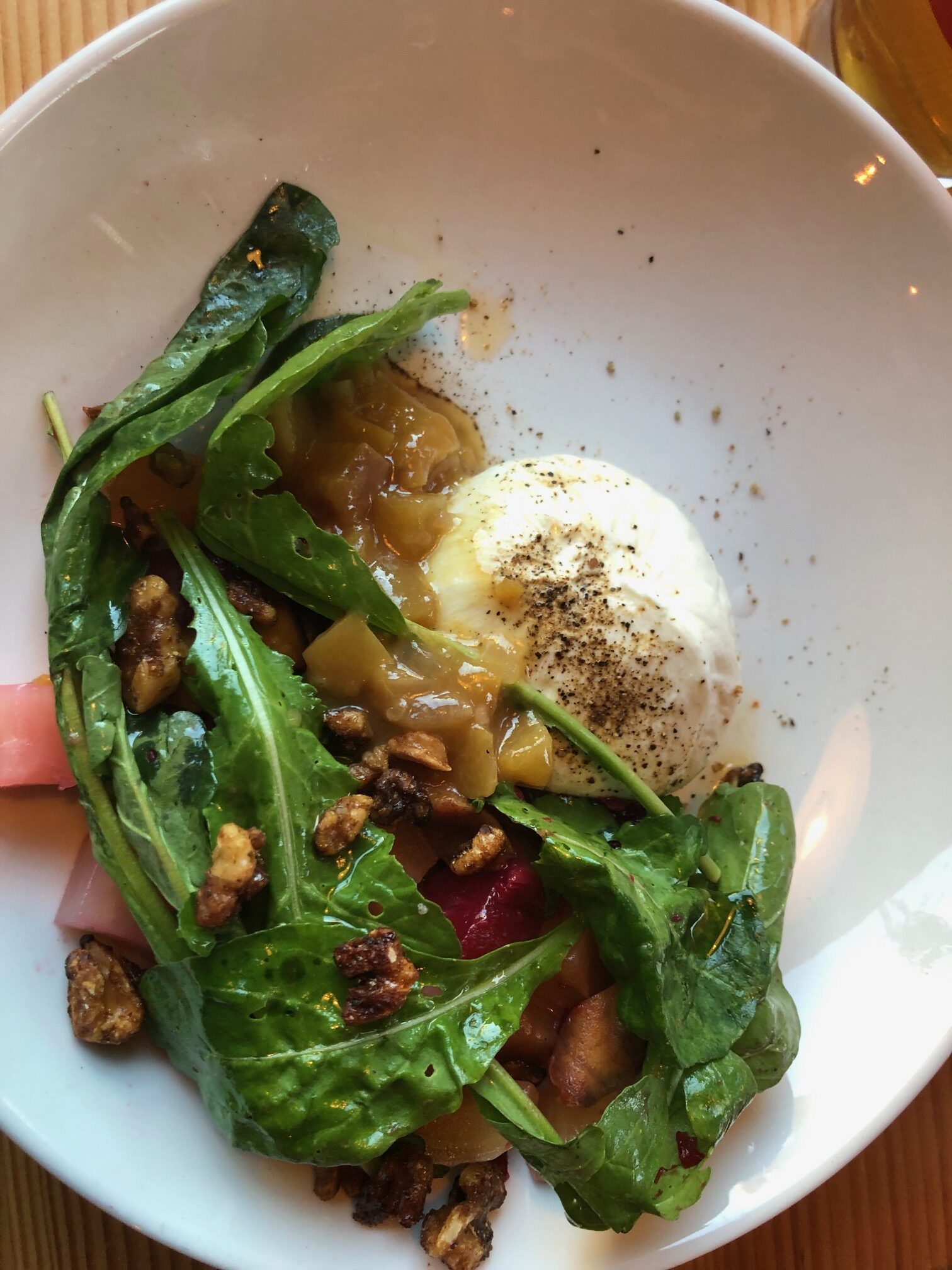
    Four years ago, Nick and I spent my first birthday in Indy at Tinker Street, one of the city’s mainstays, which I place as one of the finest eateries in the Midwest. Opened in 2015, the small restaurant on 16th Street in the historic district of Herron Morton provides Chef Tyler Shortt an opportunity to be creative with Indiana-grown ingredients. It’s one of the few restaurants that promote the area farmers while also being in the 21st century with a female sommelier, Ashlee Nemeth, and providing reservations. 

    Shortt’s recipes showcase regional agriculture, corn and tomatoes, and meats like duck and pork. That’s a good thing. The New American fusion – that ubiquitous term that uses herbs and spices from international flavors with European cooking methods – shows in the sauces such as the yuzu garlic aioli on the scallop and scallion risotto or the cappelletti with a Korean braised short rib. It’s an eating destination where one is never disappointed in the food or service. Importantly, it’s that place you bring your Chicago, Los Angeles and New York City friends when they finally come to visit you. Thankfully, it’s 21 and over, too. 

    402 E. 16th Street

    Indianapolis, IN 46202

    (317) 925-5000
    Reservations

    Chicken Scratch

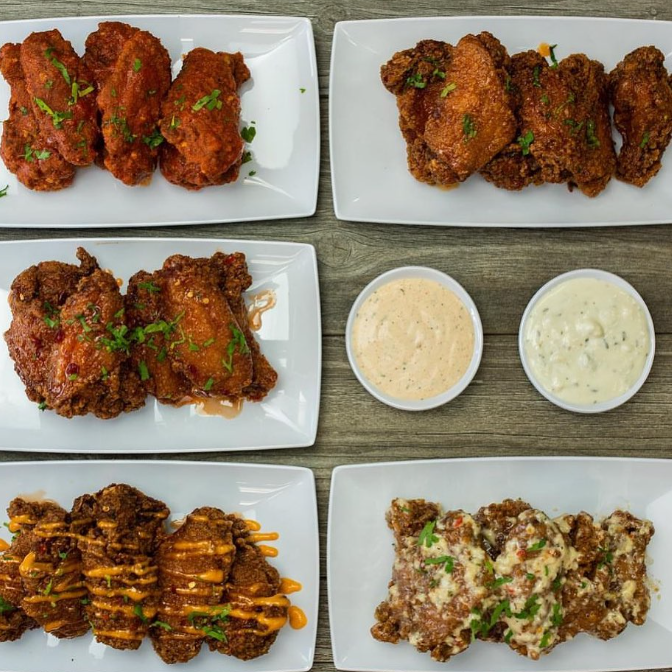
    A graduate of Ivy Tech’s Culinary School, Chef Tia Harrison, who catered for ten years before opening her restaurant called Chef Tia & Co., started serving her wings as a special on Wednesdays. Upon being one of two $25,0000 Discover Financial Services recipients to support Black-owned food entrepreneurs, she opened her first standalone devoted to the hump day special on Keystone. It’s a pickup and delivery spot with over a thousand reviewers from happy customers giving it a thumbs up. Ms. Harrison creates mighty tasty wings and loaded fries from this location. And as a customer, your choices feel endless. Who knew there were so many variations on wings? Naked or breaded, bone-in, boneless, and vegan, made with cauliflower florets and tossed in almost a dozen hand-crafted sauces that make everything finger-licking good. 

    Parmesan garlic is a house specialty, and the spicy jerk BBQ fires up the tastebuds, but no one can do wrong with the hot honey. If you’re visiting Indianapolis, have them delivered to your room and source a wine from one of the Black female winemakers in Indiana (Sip & Share or Cultured Urban Winery). You will remember the meal much more than the keynote speaker. 

    Since debuting in 2021, Harrison opened two more this year, one in Cincinnati and another downtown Indy location. 

    5308 N. Keystone Avenue

    Indianapolis, IN 46220
    Order

    Anthony’s Chophouse

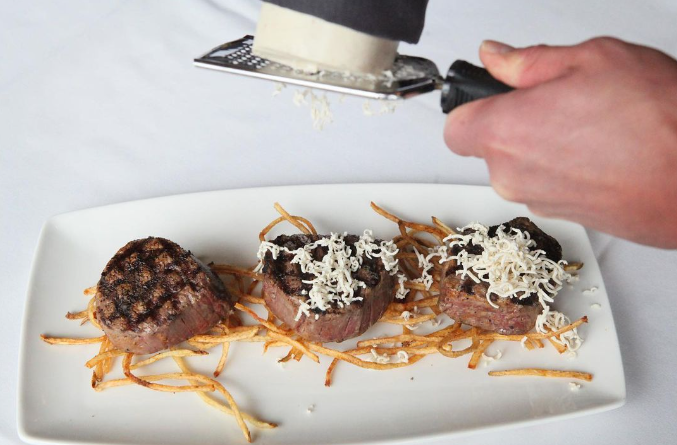
    Filet of Beef, courtesy of Anthony’s Chophouse

    I’m fascinated by Carmel’s carefully planned community design, so much so that I often drove by Carmel’s Anthony Chophouse without noticing. The developed city has entranced me with its perfect walkways and storefronts, that I missed the illuminated sign, mistaking it for another chain. 

    But once inside, they transport you past the white picket fences and into a South Beach atmosphere, exuding sex appeal. A gas fireplace framed by brick illuminated the staircase leading upstairs and packed the bar area with crowds of Carmelites — sculpture and texture play in the dining room, with Rat Pack chocolate-covered banquettes and brass mid-century lights. A wood-planked floor allows for runway arrivals of Manholos and To Boots before stepping onto a modern weave. And, of course, the glass-walled kitchen allows diners to see the back of the house between sips of ready-to-pair meat cabernets. 

    As for the boeuf, it was standard with freshly seared ribeye and filets. We like the flight of beef, like tastes of wine, that featured four-ounce portions of USDA prime, grass-fed, and Wagyu. We have yet to eat in every steakhouse in the world, but we found this to be a novel idea. Dining at a butcher emporium, for the most part, is about something other than the steaks. It’s about the wine, the cocktails, service, appetizers and the sides. Diners will find creativity in these dishes, wine menu and libations. The bone marrow, harvest pig and the gambas pil pil are worth visiting every single evening. And if we could afford it, we would. 

    201 W. Main Street

    Carmel, IN 46032

    (317) 740-0900

    Reservations

    A Thanksgiving Recipe for Hasselback Potatoes

    Ingredients:

    • 4 large russet or Yukon Gold potatoes
    • Olive oil or melted butter
    • Salt and pepper
    • Optional toppings: grated cheese, chopped herbs (such as rosemary or thyme), garlic powder, paprika, sour cream, bacon bits, or any preferred toppings

    To Make:

    1. Preheat your oven to 400°F (200°C). Wash the potatoes thoroughly and pat them dry with a kitchen towel. Place a potato on a cutting board. Using a sharp knife, make vertical slices across the potato, about 1/8 to 1/4 inch apart, ensuring it does not cut all the way through. Pro tip: To prevent cutting through the potato, place chopsticks or wooden spoons on either side to act as a barrier.
    2. Once all the potatoes are sliced, place them on a baking sheet or in a baking dish.
    3. Drizzle olive oil or melted butter over the potatoes, making sure to get some in between the slices. Use your hands or a brush to evenly coat each potato with oil or butter.
    4. Season generously with salt and pepper, ensuring the seasoning gets into the crevices.
    5. Optional: Add your preferred toppings such as grated cheese, chopped herbs, garlic powder, or paprika between the slices or on top of the potatoes.
    6. Place the baking sheet or dish in the preheated oven and bake for about 50-60 minutes, or until the potatoes are crispy on the outside and tender on the inside. The cooking time may vary depending on the size and type of potatoes used.
    7. Once done, remove the potatoes from the oven and let them cool slightly for a few minutes before serving.
    8. Serve the Hasselback potatoes as a side dish with your favorite main course. Optionally, garnish with additional toppings like sour cream or bacon bits before serving.
  • i8tonite: Filipino Food in Indy? Yes! And Noodles, too!

    i8tonite: Filipino Food in Indy? Yes! And Noodles, too!

    INDY’S STAR CHEF CARLOS SALAZAR CONTINUES TO

    COOK OUTSIDE THE MIDWEST COMFORT ZONE

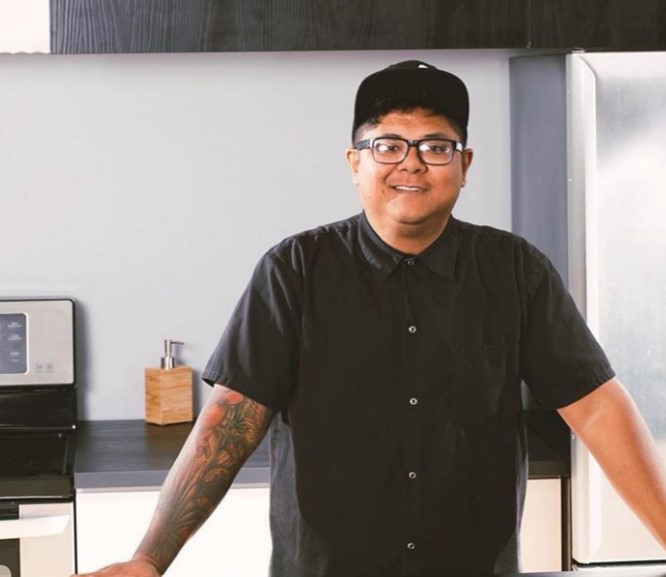
    When Chef Carlos Salazar opened in 2016 his Fletcher Place restaurant, Rook, he quickly emerged as one of Indianapolis’s cooking icons, changing the dining scene locally and regionally. He captivated area eaters with his Asian and Latin fusion approach to food, displaying a creative passion using ingredients from local farms while pushing the boundaries of flavor to Midwest palates. Items such as bulgogi lamb meatloaf bao bun with kimchee cucumbers, sweet and sour fried ribs with napa cabbage slaw or “kimcheese” jalapeno poppers regularly graced his menu. In a brilliant brunch dish, he took the stalwart favorite of biscuits and gravy using koji cream and pickled onions, creating a world where a Japanese farm existed in the gentile South. Even though the eatery became a pandemic casualty like many, Salazar continues to profoundly impact the city and the regional dining scene today.

    Born in the Philippines but raised in Indianapolis by his father, Salazar’s journey in the kitchen began when he started cooking for his neighbors as a kid. He said, “I would whip up oven-roasted salmon and pesto for my friends and me to eat.” After a brief and unhappy tenure in accounting, his then-best friend and now wife encouraged him to try something different. He enrolled in an Indy-based culinary school, the Chef’s Academy, under the tutelage of Tony Hanslit, one of the region’s premier and award-winning cooks. 

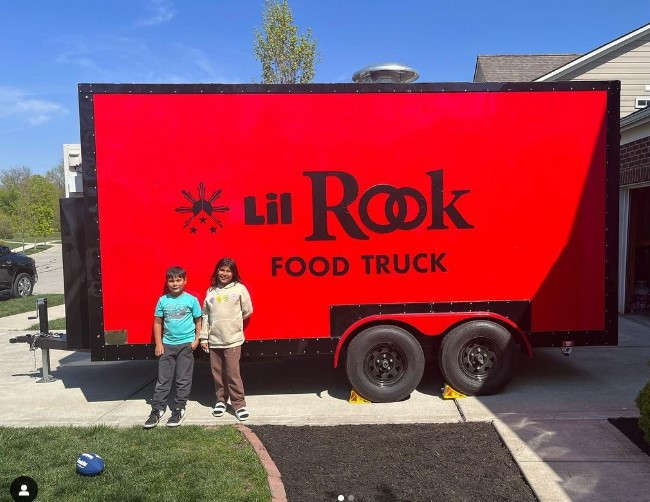
    After graduation, Salazar plied his trade at Oakley’s Bistro, the much-lauded American bistro, before opening his debut restaurant, Rook. It quickly became a celebrated spot with Salazar’s love of combining flavors. As previously noted, his first experience has become much celebrated ghost, but luckily for us, Salazar did not. He continues to produce tasty experiences in the heartland, such as his Lil Dumplings at the Garage, consulting with West Fork Distillery, and his recently launched Lil Rook food truck.

    In a city known more for sports food and venues serving hot dogs and tater-tots than far-flung Asian and Latin ingredients such as huitlacoche, bao buns, or epazote, Salazar, became known as a tastemaker of worldly treats in a landscape of fast-casual chains. The state’s ethnic demographics are changing, notably, under the influence of growing industries such as technology, medicine, and education, Salazar’s international tastes bring a bit of home away from home for the new global residents of Indy. 

     What do you like about living in the Midwest? My favorite thing about the Midwest is the simplicity and the quietness. I love cities like Chicago. It’s the best city in the country, but I can’t see myself living in a place that’s so crowded. Indianapolis is just perfect. It’s chill. 

    If you want to go crazy, you can do that in Indy or drive three hours and live that lifestyle. 

    What are your favorite foods to eat? I moved (to Indy) from the Philippines when I was eight. We were eating Spam, Vienna sausages, cheeseburgers and pizza. My dad worked 24/7. He worked the morning, afternoon, night, and graveyard shifts. We were either getting fast food or making our own. But, if I had to pick a meal that resembles a great Midwest dinner, it would be meatloaf. I love a good old meatloaf with ketchup on top.  

    Where’s your favorite place in Indianapolis to go grocery shopping? It’sn’t our favorite, but the most convenient is Kroger. It’s five minutes from my house, and they have everything we need. If I’m going for my Asian ingredients, I go to Viet Hua Food Market in Castleton.

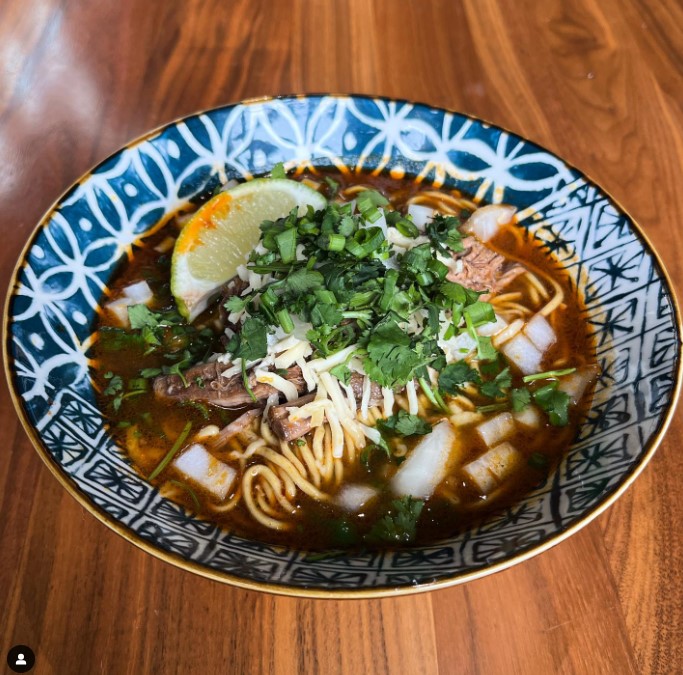
    A little Latin. A little Asian. Ramen and birria

    A little Latin. A Little Asian. Ramen and birria.

    What would you like me to ask you? What have you never been asked? No one has ever asked me that. (Laughs.) If it has to do with cooking, I would ask, “Why did I create Rook with the cuisine that it had?” That is the question. I felt that I perfected French cuisine when cooking for Oakley’s Bistro, probably about six years ago. I wanted to be challenged. I wanted to do something that I had never done. I didn’t know **** about the Philippines or the food. I knew about being around my family in Fishers. 

    When I got the opportunity to open Rook, I wanted to do Asian cuisine, heavy on the Filipino. I wanted one month to serve Chinese and the next Japanese, and then Vietnamese the next. I wanted to cook something different and to challenge myself. All I knew was French and cooking is learning. You need to learn every day. You have to be better than you were the day before. I didn’t want to just create a menu and make it. 

    I wanted to research and test something a couple of times. Fail. Figure out what I need to do to make it better. 

    What did you want to serve at Rook that you didn’t serve? People eat that food in Asia–China, Japan, and the Philippines – repeatedly. I wanted to introduce that experience to Indiana, that cuisine and culture. At Rook, we made our own soy sauce and fermented vegetables. We tried to do everything from scratch. I think that was the biggest thing. We wanted to learn. 

    I told my guys I hired I want you to be better tomorrow than you are today. If you could make 50 dumplings today, I want you to come back tomorrow and make 51. 

    What brought you here to the United States? My Dad. He left the Philippines when I was just born. His life could have been better there. He was always getting into trouble. His oldest brother, who was caring for us in the Philippines, was very wealthy. He told my dad, “Hey, you have kids. You need to make a life for them.” My dad left and moved to the U.S. in the mid-eighties. When I turned eight, my dad did all the paperwork to bring my sisters and me to the U.S. for a better life. When my dad first moved to Indiana, he worked various jobs, including the graveyard shift, making prosthetic legs. At Steak & Shake in Carmel. Currently, he works at a nursing home. 

    Where is your mom? She followed us five years later, in 1997. 

    Did you find it difficult to become a chef in the Midwest? No, I don’t think so. I guess I got lucky, too. The food (in Indiana) is uncomplicated, so it’s easy to stick out if you do something different. About fifteen years ago, there were only franchises and steakhouses. It made it a little easier for me to become a chef with something different. 

    Tell me about your food truck, Little Rook. I’m missing Rook. I don’t know if I am ready to open Rook 2.0, but I keep thinking about steam buns (Laughs). That’s what’s in my head right now. Those gears are turning, but I wanted to start with a food truck. 

    You grew up eating burgers and hot dogs like I did, but who did most of the cooking? My Dad. He was the inspiration without knowing it. My dad cooked at home. I sat there and watched. And then, we would do sleepovers with friends, but we didn’t eat doughnuts or pizza. I cooked them food like roasted salmon with asparagus and a little bit of pesto sauce. It was something like that instead of ordering food. It was me cooking. I didn’t even think of becoming a chef. Never even thought of it. 

    You made salmon for your friends? I started cooking for my friends in my freshman high school year. I would make roast salmon with the skin, make a little pesto, you know—things like that. Make pad Thai. I never said I was going to become a chef because I love cooking. I felt like making food was me and this is who I am. I never thought of being a chef until my wife–my best friend ‌at that time – told me to go to culinary school. 

    You can stay up to date on Chef Carlos Salazar with his food truck and noodle shop via social media. All photos courtesy of Chef Carlos Salazar and his Instagram accounts.

    ## i8tonite ## 

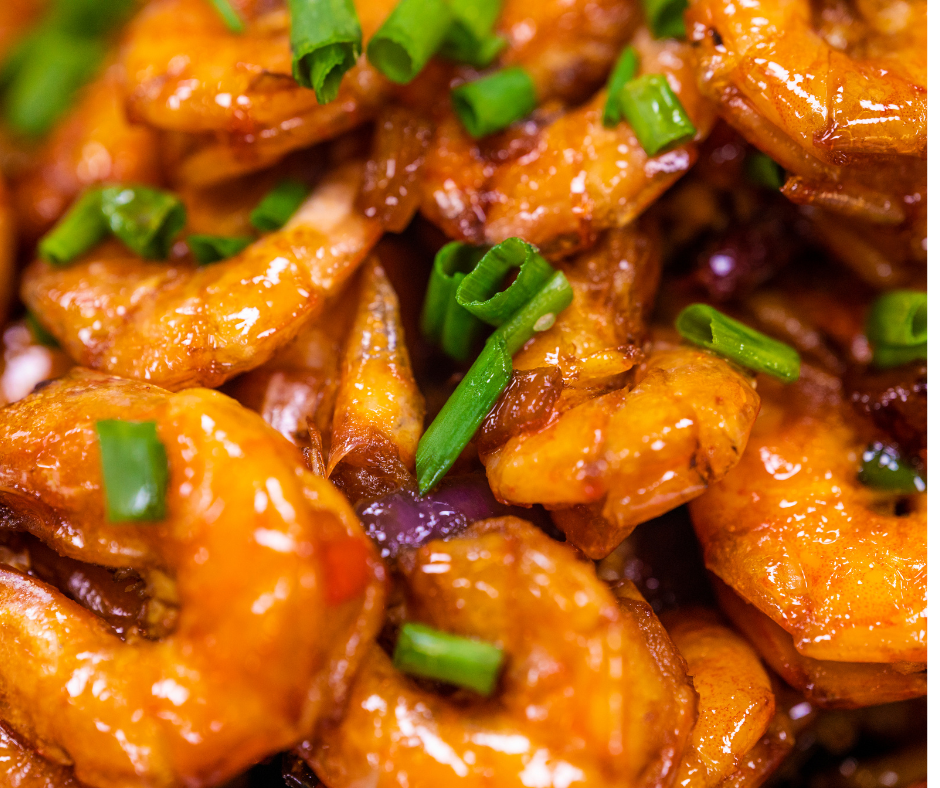
    Chef Carlos Salazar’s Assam (Tamarind) Peel & Eat Shrimp 

    What You Will Need: 

    • One pound large shrimp, preferably with shells and heads on
    • 1/4 cup tamarind paste or pulp (available at Asian markets) 
    • Two tablespoons brown sugar
    • Two cloves of garlic, finely chopped
    • 1-inch piece of fresh ginger, grated
    • 1 – 2 jalapenos, thinly sliced (adjust to your spice preference)
    • Salt to taste
    • Fresh cilantro leaves for garnish
    • Lime wedges for serving

    How to Make: 

    If using frozen shrimp, thaw them completely in the refrigerator. Then, rinse the shrimp under cold water and pat them dry with paper towels.

    To make the Assam Sauce:

    Combine the tamarind paste or pulp with brown sugar in a large bowl. If using tamarind pulp, soak it in warm water for a few minutes to soften it, then strain out the seeds and fibers before mixing with sugar. Add minced garlic, grated ginger, and sliced jalapenos to the tamarind mixture. Always adjust the chilies to your desired level of heat. Stir well to combine, and taste to adjust sweetness and spiciness. Add a pinch of salt if needed.

    Marinate the Shrimp:

    Into the large bowl, place the cleaned and dried shrimp. Toss to coat them evenly. Allow the shrimp to marinate for 15-30 minutes at room temperature.

    Cook the Shrimp:

    Heat a skillet or pan over medium-high heat. Add the marinated shrimp along with the tamarind sauce to the hot pan. Sauté the shrimp on each side for 2-3 minutes until they turn pink and opaque. The sauce will thicken and coat the shrimp as they cook. Transfer the Tamarind Peel and Eat shrimp to a serving platter, pouring any remaining sauce over them. Garnish with fresh coriander or parsley – some folks don’t like coriander – and serve with lime wedges, adding a bright citrus edge. 

    We may make a commission on items sold through our website.

  • Hummus: A Recipe from Manhattan to Indy

    Making your own Middle Eastern dip tastes better than store bought.

    After a year and a half of living in our second and newest Indy neighborhood, Nick and I had our neighbors, a couple, for a repast of small bites. He made the cocktails and I served a wheat-free pizza (gluten-free store bought), Buffalo wings, a charcuterie and cheese board with Norwegian crispbread and GF crackers and hummus. 

    While sipping on her New Zealand Sauvignon blanc, washing down the cracker topped with the Middle Eastern dip, Tricia commented, “Everything is delicious, but I need your recipe for the hummus. It’s really good!” 

    I’ve been making the chickpea and tahini dip for close to 30 years now, long before its ubiquity in the refrigerator section of the grocery store. I discovered it at Yaffa Cafe, an East Village eatery which opened in the early eighties but closed in 2014. It was an eclectic spot in an area growing with creativity. Then, I ate as a vegan and this was one of the few restaurants that I could afford that offered meat and dairy free dishes. It also expanded my horizons with food. I wasn’t stuck with eating rice and beans anymore. I discovered Mediterranean foods.

    In order to make this delicious item, I would walk a few blocks to a natural grocery store called Commodities in Tribeca. (I saw Blondie’s Chris Stein and the late John F. Kennedy, Jr. there). Housed in a massive cast-iron building, I found freshly ground nut butters like peanut, almond and sesame (tahini) by the pound and also lots of meat substitutes like seitan and tofu. Going there for groceries felt like heaven, although it wasn’t inexpensive by any stretch. I relegated my purchases to specific items. 

    The only special thing I needed was a food processor. Unless you’re into hand grinding things into a paste with a molcajete, it’s a must have. A NYC boyfriend had one which he never used.  Purchased by his parents when he moved to Manhattan, it was an unwieldy contraption that was as heavy as a cement brick. And that is how I started making this hummus. 

    During my time in New York, I made the bean spread for every party at the loft I lived in with two roommates. We served guacamole, crackers, chips and sliced baguettes and sangria nearly every weekend. 

    While I would say taking a trip to Manhattan and eating Middle Eastern food on the Lower East Side would be divine, staying home can be just as fun. 

    While I started with the Silver Palate cookbook recipe, I adapted it to suit my tastes over the years. Add roasted vegetables such as red peppers or carrots if you like. Pop them in as you hit pulse or blend on the machine. For a bit of fun, make a traditional pesto, omitting the nuts. Or leave them in and stir in before serving for a swirl of color and flavor. 

    Manhattan to Indy Hummus

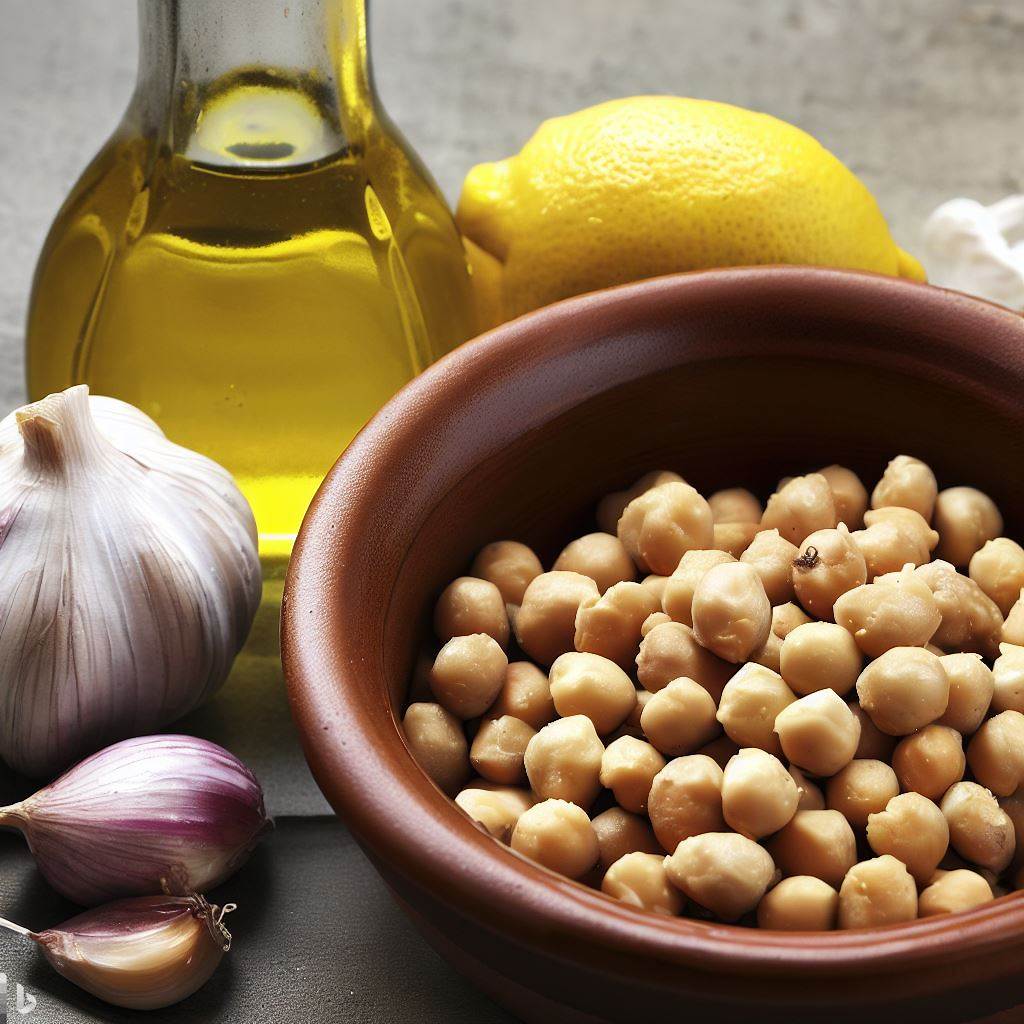
    • 1 can of chickpeas (garbanzo beans), drained and rinsed
    • 3 cloves garlic, minced
    • Juice of half a lemon. Remove seeds. (I can see someone saying, “Do I remove the seeds?”) 
    • 1/2 cup of tahini. (Make sure you stir the oil and paste if separated.)
    • 1 cup of water (You will use this to slowly drizzle, thinning out the hummus, giving it a smoother consistency.) 
    • A couple of glugs of extra virgin olive oil
    • A pinch of salt (adjust to taste)
    • Dusting of hot paprika (optional, for garnish)
    • Flaky sea salt like Maldon’s (optional, for garnish)

    How to make: 

    • In a food processor or blender, combine the chickpeas, minced garlic, lemon juice, tahini, olive oil, and salt. Process the mixture until smooth. If it seems too thick, add water (¼ cup at a time) until you reach the desired consistency. If you add too much liquid, add more tahini.
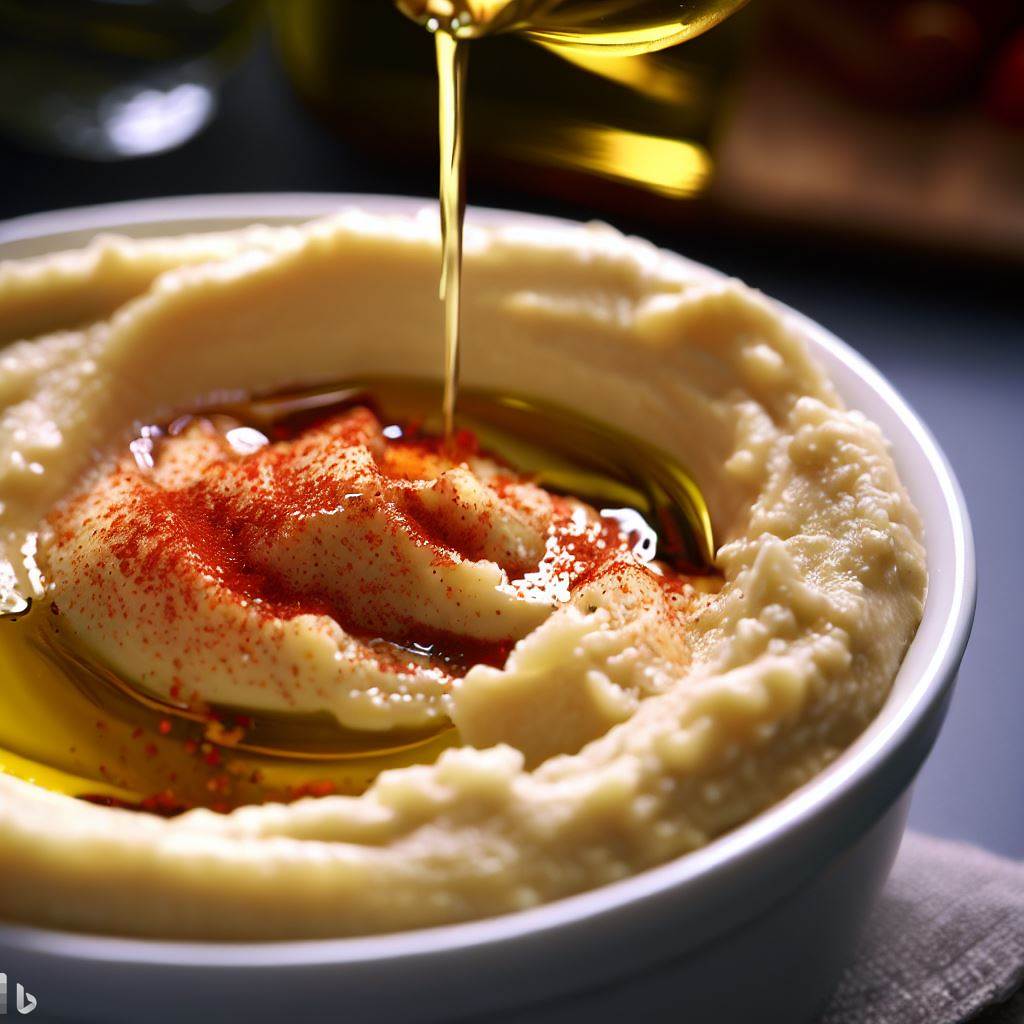
    • Taste the hummus and adjust the seasoning by adding more salt or lemon juice if needed. Transfer the hummus to a bowl. Finish with a little olive oil on top and sprinkle with hot paprika and salt for added flavor and presentation.
    • Refrigerate any leftovers. When serving again, add tahini and/or water to freshen up.

    (Disclosure: We may make a commission from any links to this site.)