Category: Chef Questionnaire

Chef interviews with a nod to Marcel Proust.

  • i8tonite with Phoenix’s Barrio Café Chef Silvana Salcido Esparza & Chiles en Nogada Recipe

    i8tonite with Phoenix’s Barrio Café Chef Silvana Salcido Esparza & Chiles en Nogada Recipe

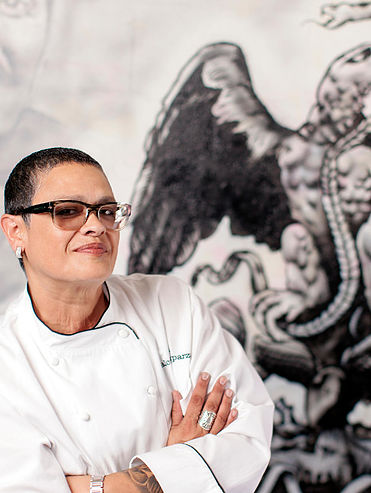
    i8tonite with Phoenix’s Barrio Cafe Chef Silvana Salcida Esparza & Chiles en Nogada RecipeThere is no doubting Chef Silvana Salcido Esparza’s immense impact in the Phoenix restaurant world. Ask any chef currently with a restaurant in the Valley of the Sun about Esparza, and they will respond, “Oh, she’s the best. She’s tough, but she is one of the best.”

    A second generation Mexican American, Esparza was born as a hija de las panaderias (baker’s daughter) in Merced County, California, America’s Salad Bowl. In her early teens, she already started using her entrepreneurial skill set and cooking acumen to fashion her first carnecaria, serving up grilled meats next to her parent’s bakery. She worked a variety of well-paying jobs as a broker, Aramark and executive chef at a variety of Arizona hotels before opening Barrio Café.
    i8tonite with Phoenix’s Barrio Cafe Chef Silvana Salcida Esparza & Chiles en Nogada Recipe

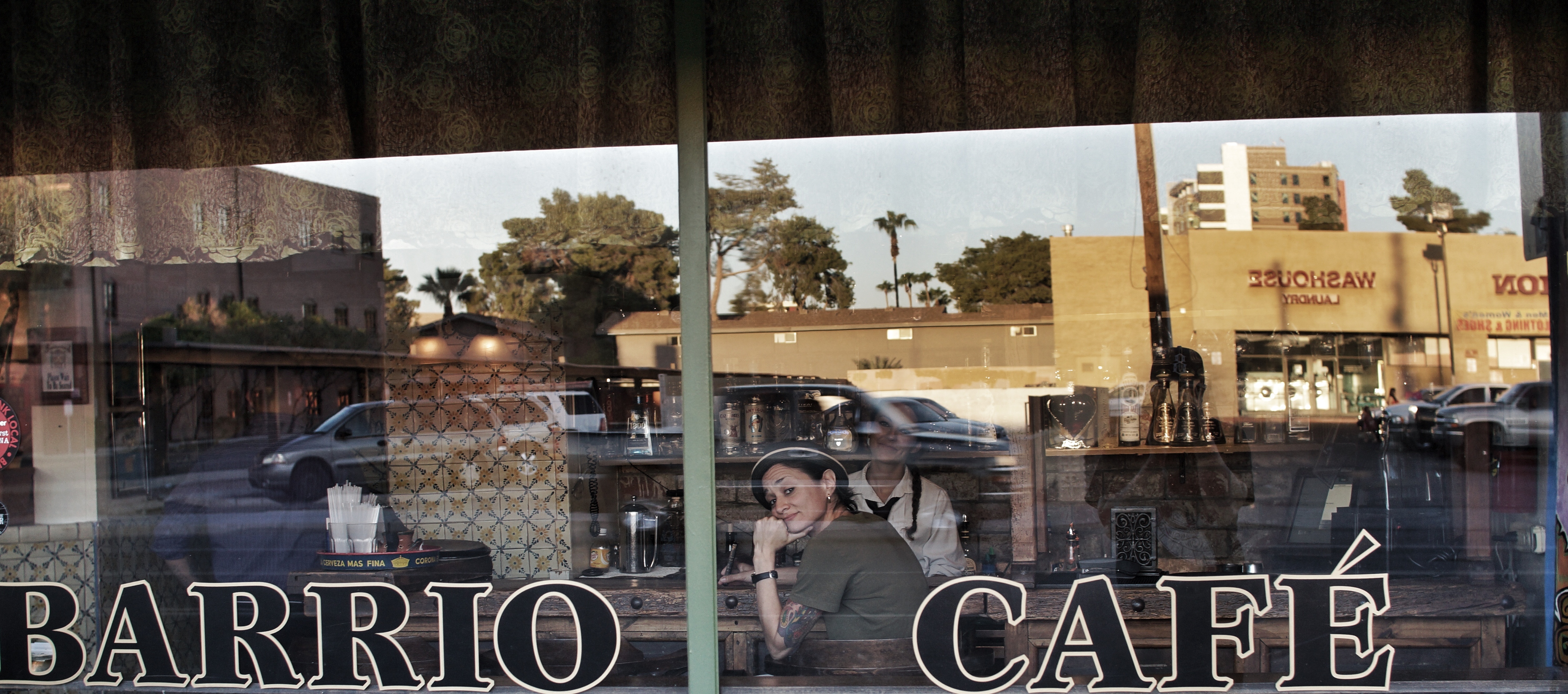
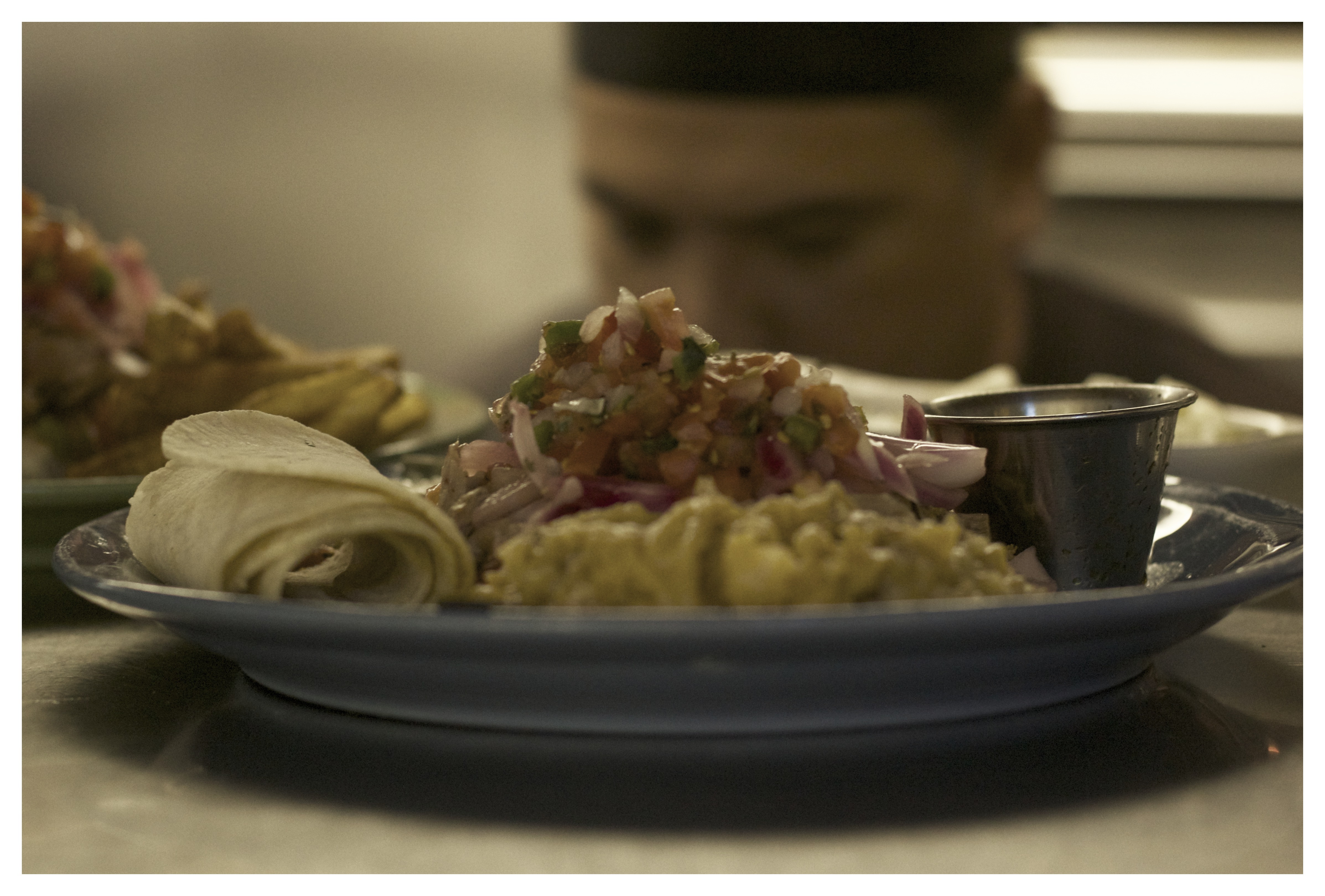
    Currently, she has four restaurants and another one on the way, Barrio Café Gran Reserve, opening in downtown Phoenix, on Grand Avenue, a hipster spot. Esparza came to Valley of the Sun prominence in 2002 with Barrio Café, serving central Mexican food with European influences, tableside guacamole, and real south of the border sauces. Her dishes include 12 Hour Roasted Pork and Posole Verde. In The Yard, a large complex housing four restaurants, Esparza created Barrio Urbano, a hipper, millennial friendly experience, which also serves breakfast, and two in the Sky Harbor International Airport. Esparza is undeterred in her quest for making the best Mexican that she can make, as she says, “I will not resort to using yellow cheese.”

    Ezparza is an outspoken, leading advocate on immigration and LGBTQ causes. To showcase the creativity the Mexican American population has brought to Arizona, she, along with other community leaders generated a non-profit organization called Calle 16, dedicated to showcasing various arts, food, and other Mexican exports to the Valley of The Sun.
    i8tonite with Phoenix’s Barrio Cafe Chef Silvana Salcida Esparza & Chiles en Nogada Recipe

    Chef’s Questionnaire (with a nod to Proust):

    How long have you been cooking? Since I was six years old.

    What is your favorite food to cook? Italian

    What do you always have in your fridge at home? Condiments, demi-glaze, anchovies

    What do you cook at home? Barbeque.

    What marked characteristic do you love in a customer? I love when they are enthusiastic.

    What marked characteristic do you find unappealing in a customer? When they lack enthusiasm. I don’t want them to be dead fish.

    Tupperware, Rubbermaid, or Pyrex? Tupperware.
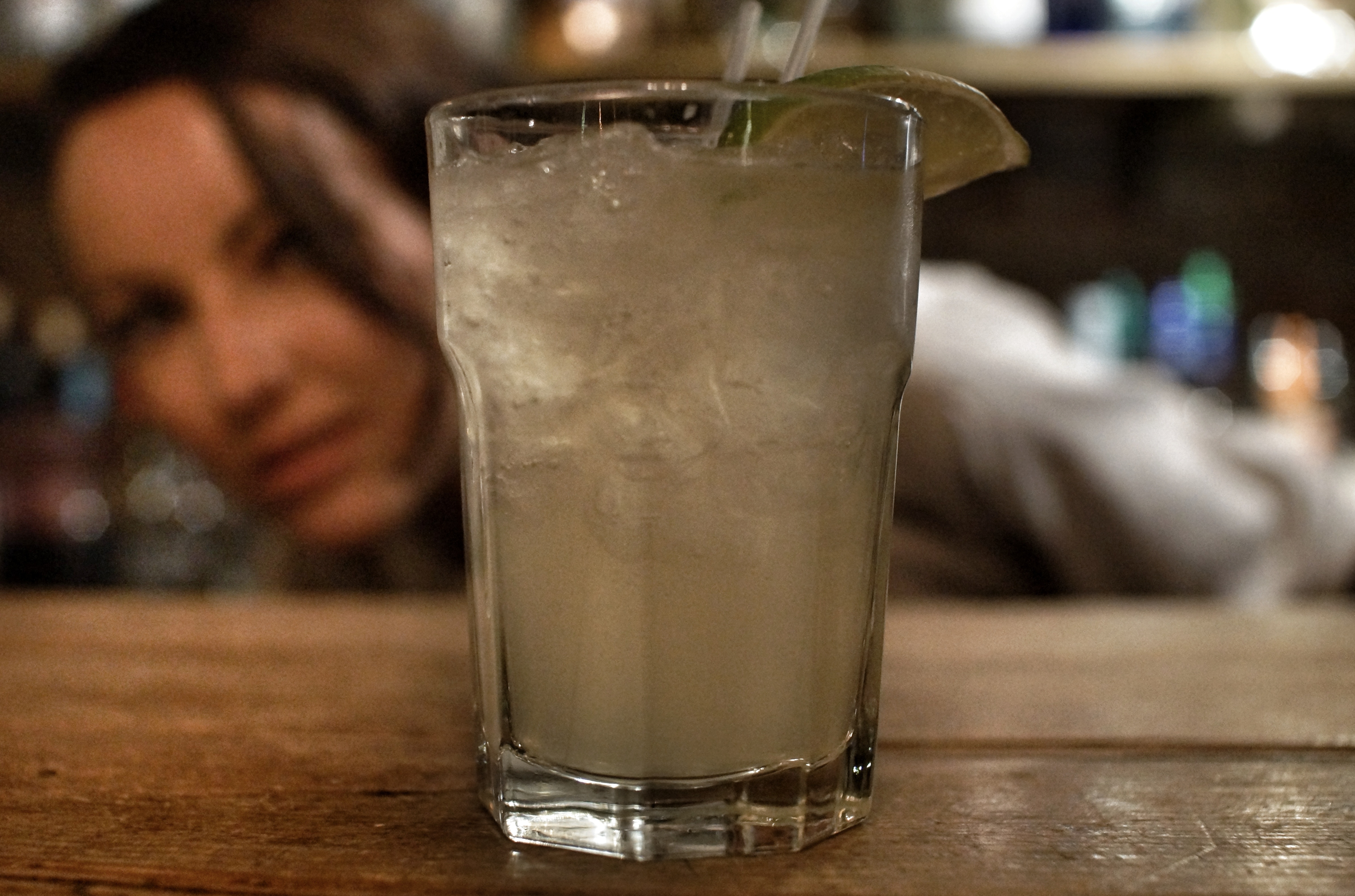
    i8tonite with Phoenix’s Barrio Cafe Chef Silvana Salcida Esparza & Chiles en Nogada RecipeBeer, wine, or cocktail? Cocktail.

    Your favorite cookbook author? Patricia Quintana

    Your favorite kitchen tool? Molacajete

    Your favorite ingredient? Chile

    Your least favorite ingredient? Lavender

    Least favorite thing to do in a kitchen? If I have to…wash dishes.

    Favorite types of cuisine to cook? Italian

    Beef, chicken, pork or tofu? Pork

    Favorite vegetable? Chayote

    Chef you most admire? Patricia Quintana

    Food you like the most to eat? Italian, barbeque.

    Food you dislike the most? Fried chimichanga. Fake Mexican. Yellow cheese.

    How many tattoos? And if so, how many are of food? Too many.

    i8tonite with Phoenix’s Barrio Cafe Chef Silvana Salcida Esparza & Chiles en Nogada Recipe

    Recipe: Chiles en Nogada

    i8tonite with Phoenix’s Barrio Cafe Chef Silvana Salcida Esparza & Chiles en Nogada Recipe
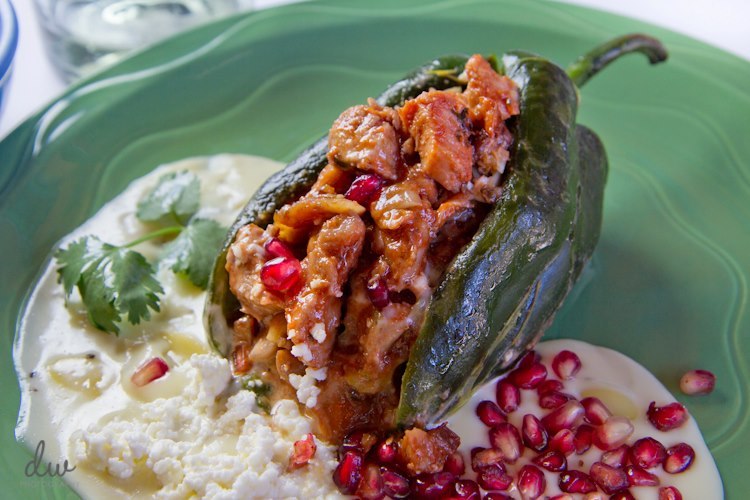
    Chiles en Nogada Recipe

    Ingredients
    Chiles:
    1 tablespoon canola oil
    2 boneless skinless chicken breasts, diced small
    2 teaspoons diced onion
    1 teaspoon diced apple
    1 teaspoon diced dried apricot
    1 teaspoon diced pear
    1 teaspoon raisins
    1 clove garlic, minced
    2 teaspoons tomato paste
    1 cup red wine, preferably Cabernet
    Kosher salt and black pepper
    4 poblano peppers, roasted and peeled

    Nogada Sauce:
    1 tablespoon canola oil
    1 shallot, minced
    1 clove garlic, minced
    1 cup white wine, preferably Chardonnay
    2 cups heavy cream
    Kosher salt and black pepper
    1/4 cup almonds, roughly chopped
    Fresh cilantro leaves, for serving
    Pomegranate seeds, for serving

    Directions
    For the chiles: Heat a large skillet over high heat. Add the canola oil when hot. Add the chicken and saute until the chicken starts to turn white, 7 to 8 minutes. Add the onions and continue to saute until the onions are translucent, 3 to 4 minutes. Add the apple, apricot, pear, raisins and garlic and saute until they begin to soften, about 1 minute. Add the tomato paste and stir so the paste coats all of the ingredients. Add the red wine and cook until the chicken is tender, about 5 minutes. Season with salt and pepper and let cool slightly. Remove the seeds from the peppers by making one long slice down the sides, stuff them with the chicken-fruit mixture and keep warm until ready to serve.

    For the nogada sauce: Heat the oil in a saute pan over medium-high heat, add the shallots and saute until translucent, about 3 minutes. Add the garlic and continue to saute until the garlic has turned a light caramel color, about 1 minute. Add the white wine and reduce until almost gone, 3 to 4 minutes. Add the cream and simmer until reduced by half, 5 to 7 minutes. Season with salt and pepper and finish with the almonds.

    For serving: Place each stuffed pepper on a plate and spoon some of the nogada sauce over top. Garnish with the cilantro and pomegranate seeds.

    Note: This recipe was originally published by Chef Silvana Salcida Esparza at http://www.foodnetwork.com/recipes/chiles-en-nogada.html

    Pin for later:
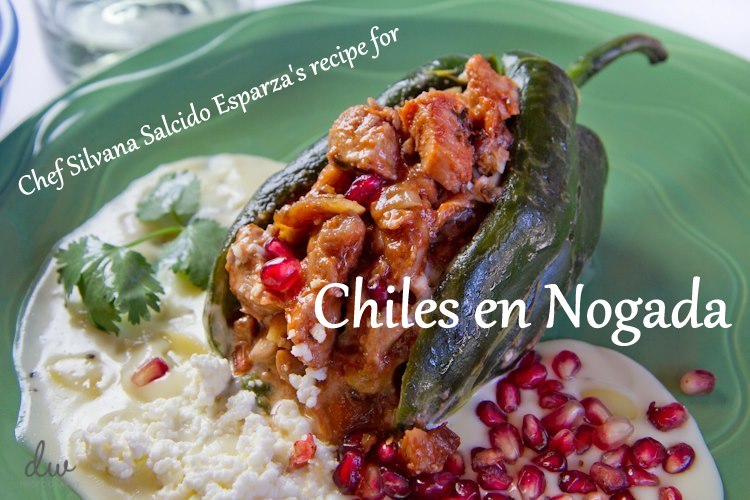
    Chef Silvana Salcido Esparza's recipe for Chiles en Nogada

    – The End. Go Eat. –
  • i8tonite: with Palm Springs’ Workshop Chef Michael Beckman

    i8tonite: with Palm Springs’ Workshop Chef Michael Beckman

    i8tonite: with Palm Springs' Workshop Chef Michael Beckman
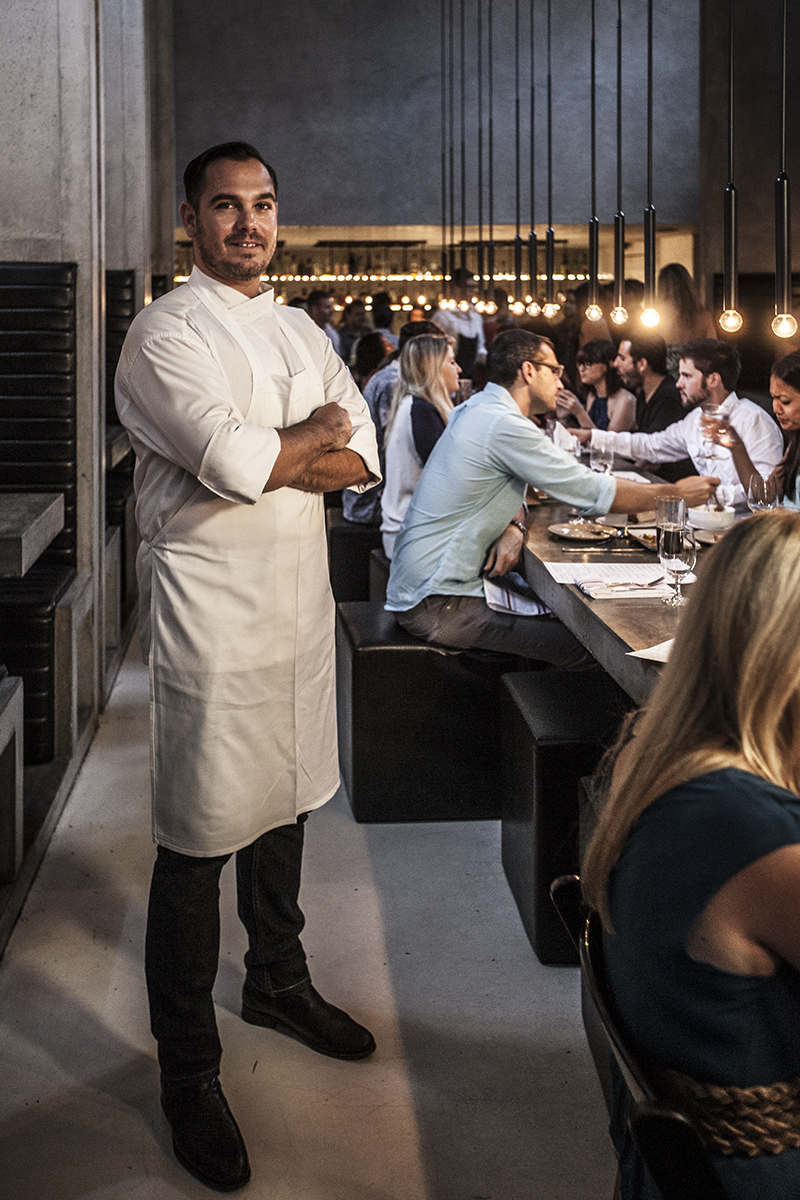
    Chef Michael Beckman: Photo by Van Roo

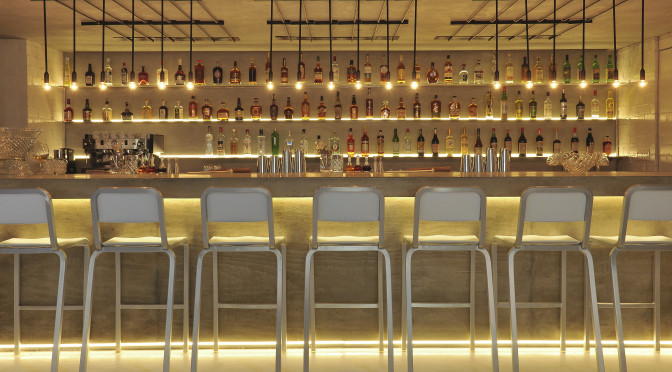
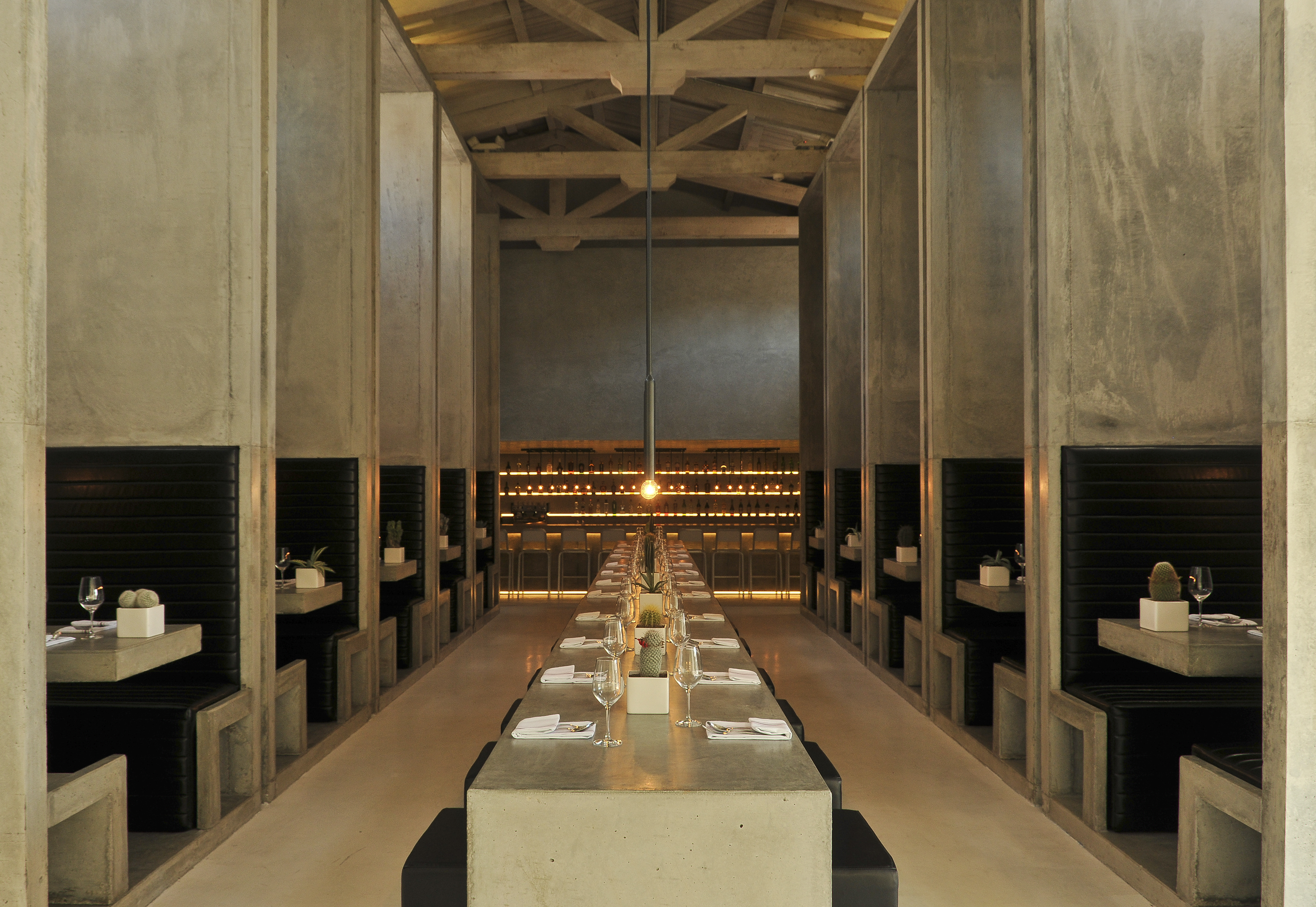
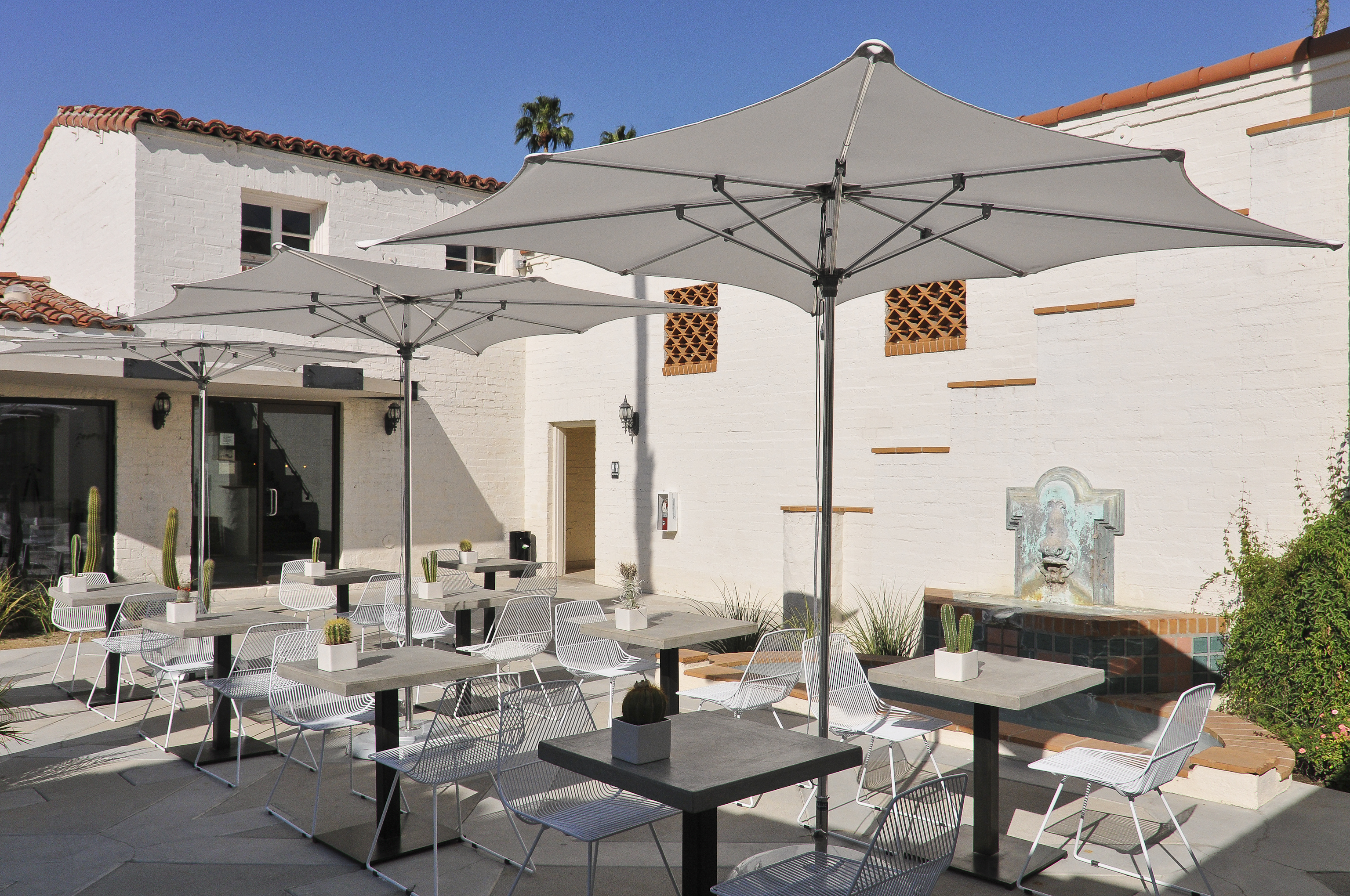
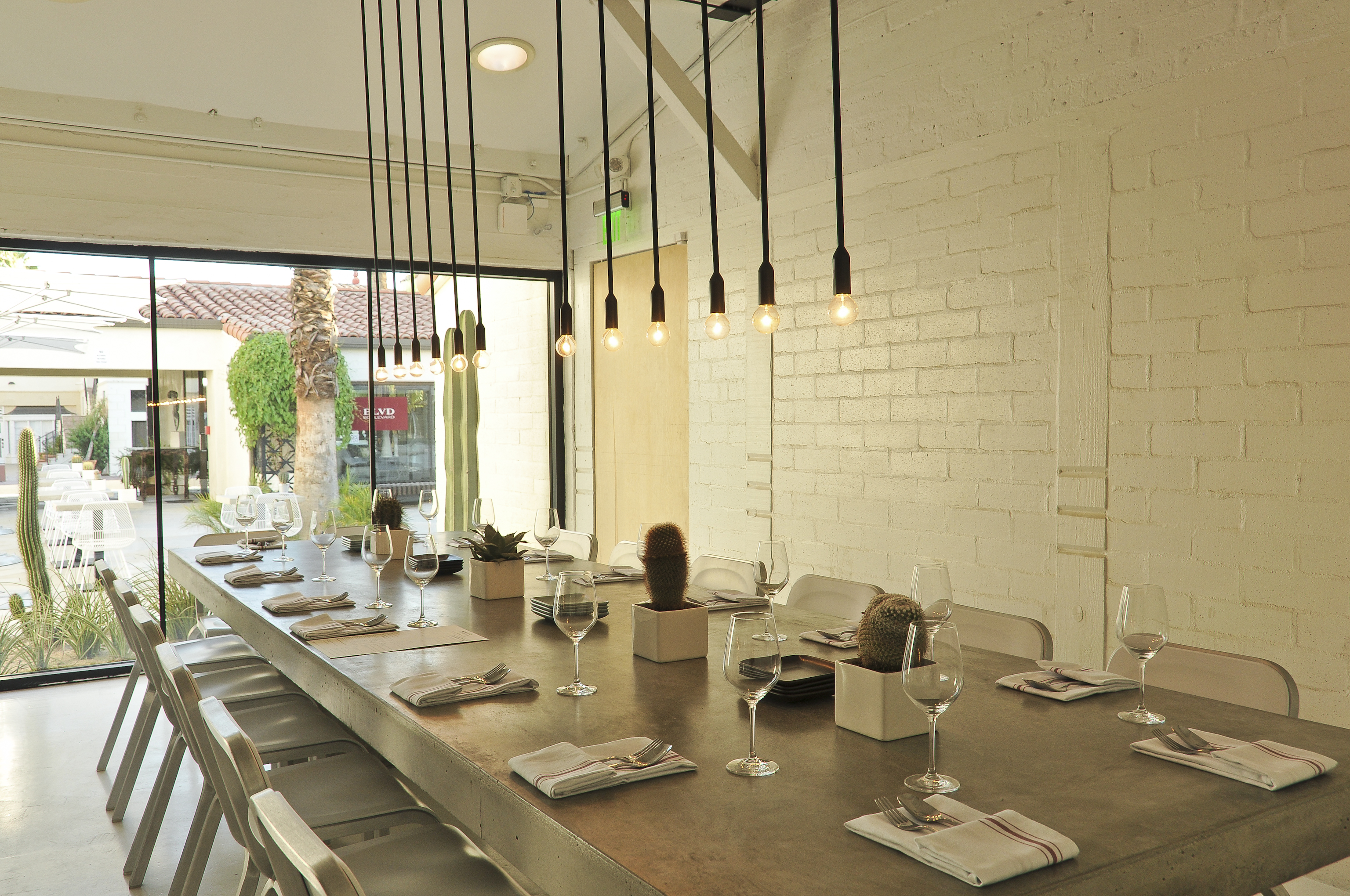
    Palm Springs is known as a resort town – an enclave for second homes, secret hotel pools, and cocktails. The cocktail culture is the town’s prevailing modus operandi. With a population of a little over 50,000, it’s never really been considered a food haven. Ask a few of the locals who live in the desert year round, and the answer is their private chef does the cooking. Or, they recommend one or two restaurants which are more about an elongated drink menu rather than a superbly pan-roasted fish or braised greens from the surrounding Coachella Valley farmers. There are a few notable exceptions to this observation.  The first that comes to mind is the four-year-old Workshop, owned and cheffed by Michael Beckman, which can be the honest answer to the question: “Where to eat in Palm Springs?”

    i8tonite: with Palm Springs' Workshop Chef Michael Beckman
    Workshop: Photo by Michael Horton

    There are two reasons for this. The first is that Mr. Beckman is a classically French-trained chef with stints apprenticing, cooking, and learning in European kitchens, including Burgundy’s three Michelin-starred Lameloise and working under noted German chef Thomas Kellerman at the Ritz-Carlton, Berlin. Beckman maybe the only independent chef in the Southern California desert communities to claim to work in a Michelin-starred dining room.

    i8tonite: with Palm Springs' Workshop Chef Michael BeckmanSecondly, he’s smart enough to promote his restaurant outside the Palm Springs area, getting the first and the last reservations from area visitors. It’s been a very smart business move to market his talents to the gourmand set, rather than wait for visiting travel media shuffling through for an annual Palm Springs pilgrimage. Instead of getting the backend of travel pieces, Beckman put forth the effort and it’s paid off with stories in Sunset Magazine, Bon Appetit, Eater, and Wall Street Journal. But the question remained: how could someone with Beckman’s background become part of Palm Springs? Truthfully, he stated he was a private chef working with a client based in Rancho Mirage. He grew to love the area’s farmers markets and vendors, as well as the community’s natural beauty, so he stayed, opening Workshop and having a family.

    Interestingly, Beckman – though successful — is so dedicated to his

    i8tonite: with Palm Springs' Workshop Chef Michael Beckman
    Workshop: Photo by Michael Horton

    craft that he recently completed a several month staaj (cooking apprenticeship) with celebrated New York City’s chefs Dan Barber, Blue Hill Farms and Daniel Hume, Nomad (also of the Michelin-starred Eleven Park Madison). Beckman, as a chef, wants to continue to creatively evolve.

    i8tonite: with Palm Springs' Workshop Chef Michael BeckmanBeckman will have another feather to add to his list of accomplishments – Truss + Twine, a bar serving handcrafted cocktails and small bites; a chef will work in tandem with the bartenders behind the bar in a dedicated cooking area. Palm Spring’s newest watering hole is slated to open fall 2016. Lastly, he also partnered to oversee the food and beverage program for an unnamed independent 44-room hotel concept that that will have a restaurant and rooftop pool area. The hotel’s construction will start at the end of 2016.

    Beckman will soon be hailed as Palm Springs’ Emperor to All Things Culinary. Rightly so.

    Chef’s Questionnaire (with a nod to Proust):

    How long have you been cooking? 16 years.

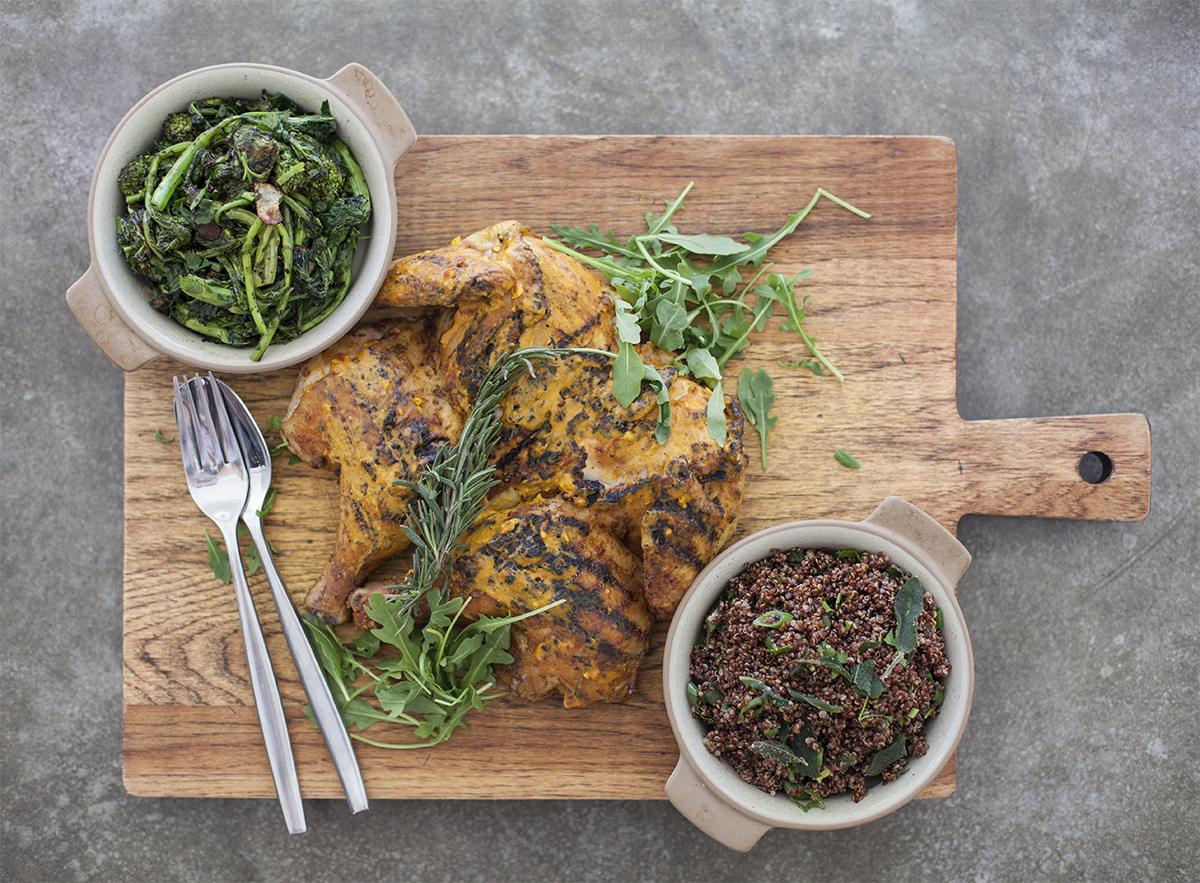
    Chicken Diavolo. From i8tonite: with Palm Springs' Workshop Chef Michael Beckman
    Chicken Diavolo: Photo by Van Roo.

    What is your favorite food to cook? Braises are most satisfying for me with deep flavors that develop, and the cozy aromas and feel of a braised dish is somehow emotional for me.

    What do you always have in your fridge at home? Quesadilla mise en place.  Eggs for omelettes.  A perfectly made omelette is one of my favorite challenges to see a chef’s skill set.

    i8tonite: with Palm Springs' Workshop Chef Michael Beckman
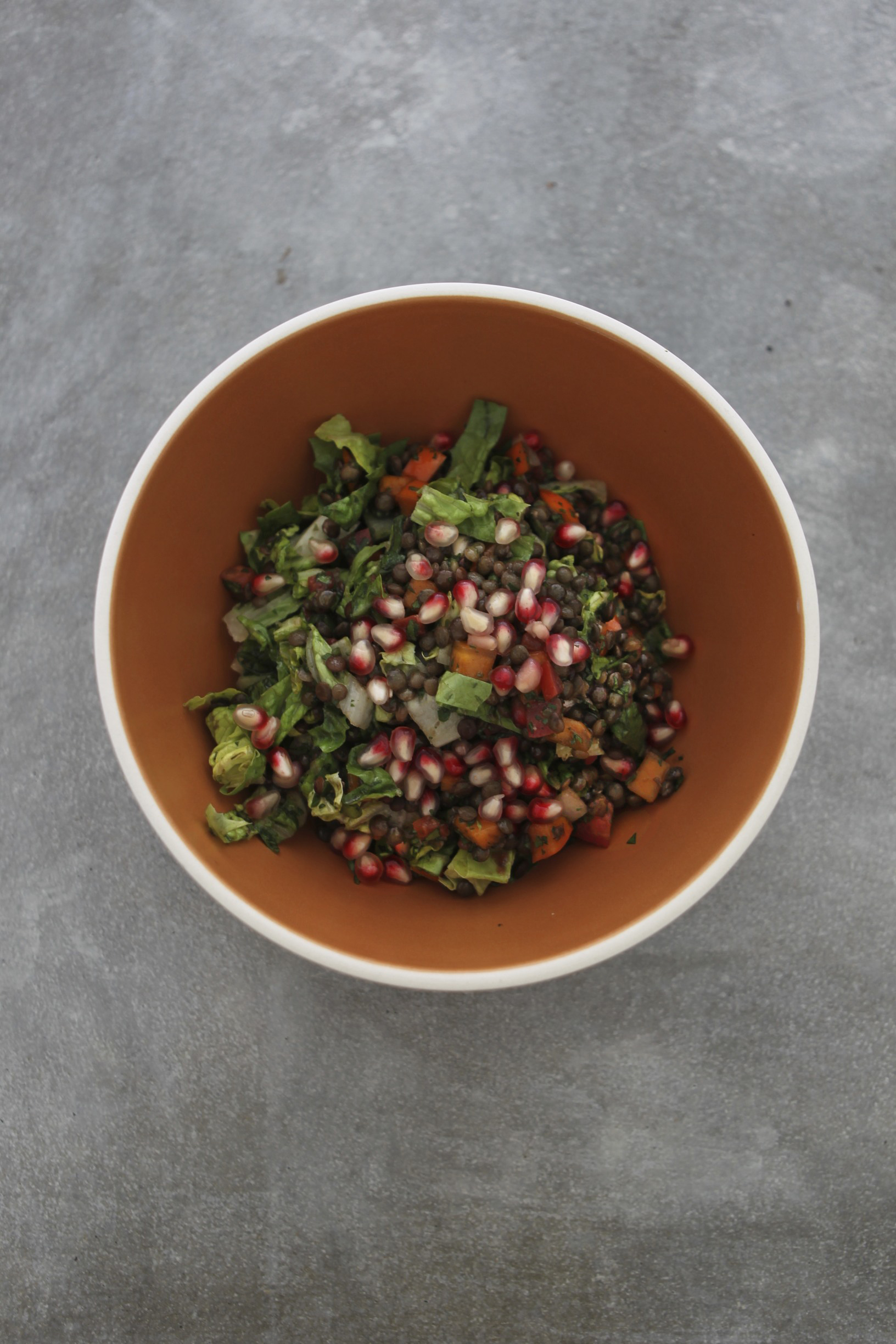
    Lentil salad

    What do you cook at home? I love my Weber grill for smoking and grilling fish and meats.  I also get nostalgic for the Lebanese food I cooked as a private chef in Beverly Hills and love those flavors.  Super healthy and super flavorful.

    What marked characteristic do you love in a customer? Someone who puts us in the drivers seat and trusts us.


    What marked characteristic do you find unappealing in a

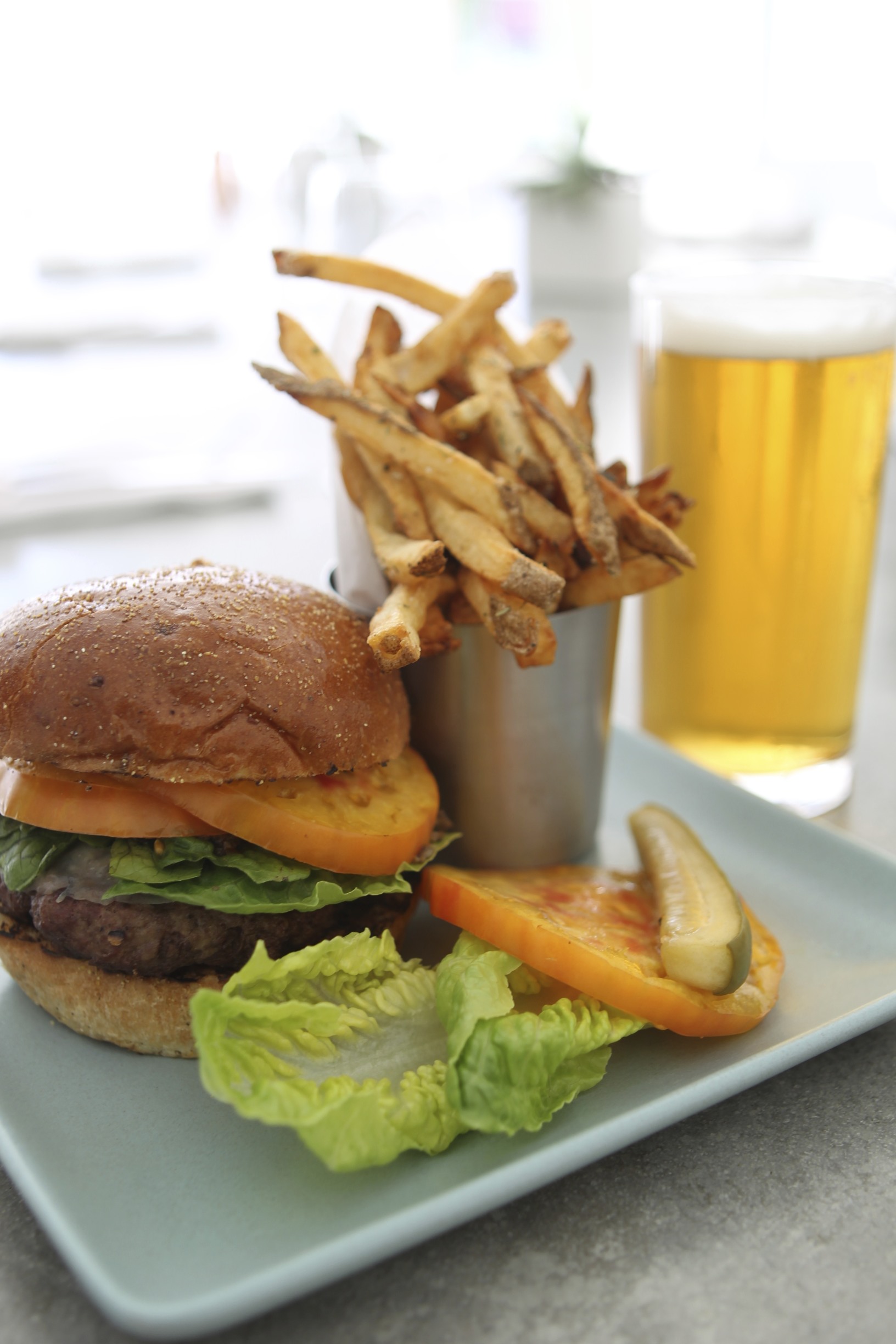
    Workshop Burger and Fries. i8tonite: with Palm Springs' Workshop Chef Michael Beckman
    Workshop Burger and Fries: Photo by Michael Horta

    customer? People who lie at the host stand about their reservation.  People who don’t even read the menu and want to order something they can get anywhere.

    Tupperware, Rubbermaid, or Pyrex? None of the above. Deli cups.

    Beer, wine or cocktail? Yes, please.

    Your favorite cookbook author? Dan Barber for “The Third Plate

    Your favorite kitchen tool? My Chef de Cuisine Max.

    i8tonite: with Palm Springs' Workshop Chef Michael BeckmanYour favorite ingredient? Eggs.

    Your least favorite ingredient? Balsamic reduction.

    Least favorite thing to do in a kitchen? Cleaning the fryer.

    Favorite types of cuisine to cook? Mediterranean basin.

    Beef, chicken, pork or tofu? Beef.

    Favorite vegetable? Right now I’m digging parsnips.

    Chef you most admire? I like Paul Kahan’s rustic straight-forward style and also how prolific he is with his projects.

    The food you like the most to eat? Oysters

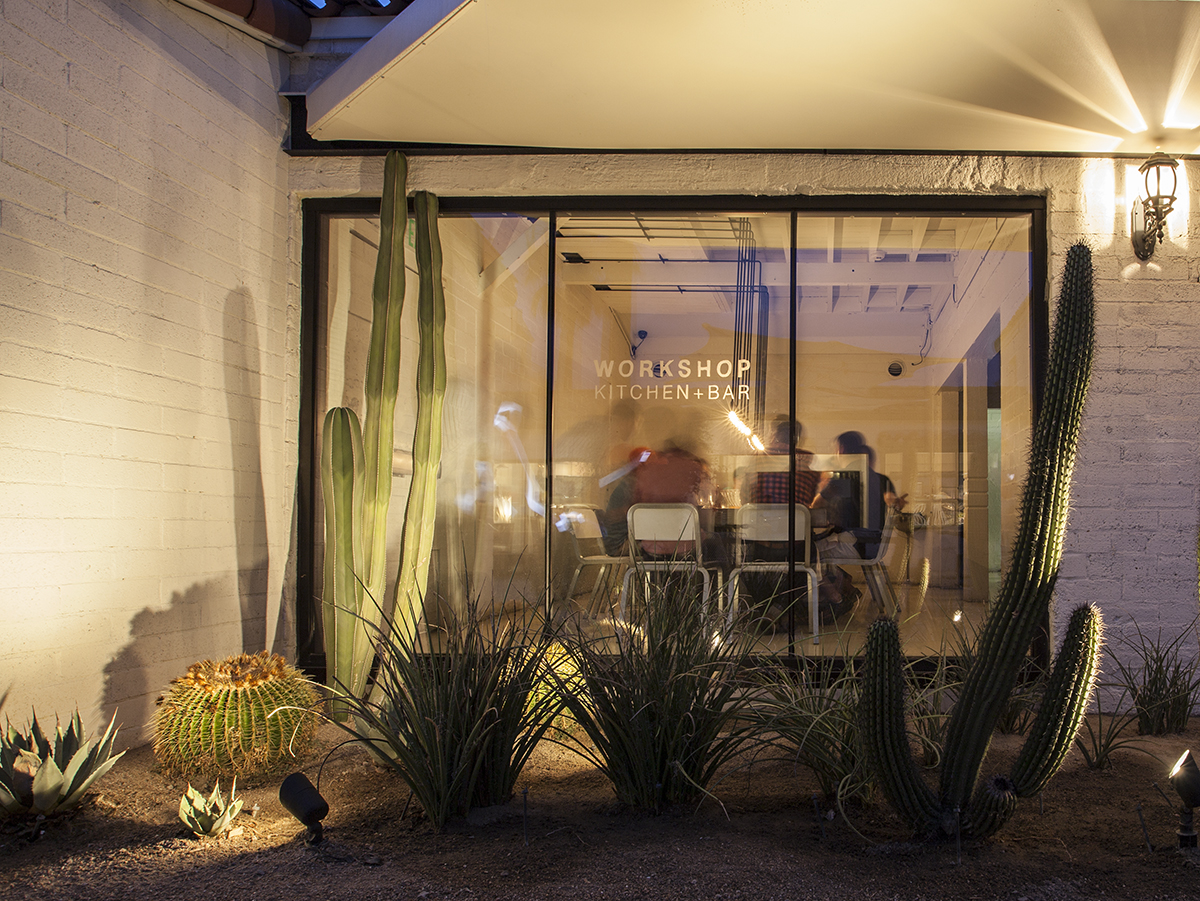
    i8tonite: with Palm Springs' Workshop Chef Michael Beckman
    Outside Workshop: Photo by David A. Lee.

    The food you dislike the most? Shitty banquet food.

    How many tattoos? And if so, how many are of food? None yet.  Never could figure out the first one…we’ll see.


    Recipe: Beet Braised Lentils

    Here’s a recipe from Feasting at Home, inspired by Chef Beckman’s dish at Workshop. She notes, “This recipe was inspired by a dish we had at a restaurant in Palm Springs, called Workshop. They topped their Beet braised lentils with a warm, crispy breaded goat cheese “cake”. It was divine. The chef, Michael Beckman, adds browned butter to the finished lentils, which brought it over the top.”

    Beet braised lentils, inspired by Chef Beckman, Workshop.
    Beet braised lentils, inspired by Chef Beckman, Workshop. Photo & Recipe: Feasting at Home

    Beet infused lentils are a healthy side dish, with chicken or fish, or serve it on its own, as a vegetarian meal in a bowl with crumbled goat cheese.

    Ingredients
    3 T olive oil
    1 C diced red onion ( ½ a red onion)
    1 C diced carrot
    ½ C diced celery
    1 Cup peeled and diced beet (one large beet, plus 2 more for juicing)
    4 cloves roughly chopped garlic
    1 T fresh Thyme leaves
    1 Bay leaf
    1 1/2 C black caviar, beluga, or Puy lentils ( soaked overnight if possible)
    4 C chicken or vegetable stock
    ½ tsp salt
    salt and pepper to taste
    splash balsamic vinegar
    1 Cup fresh beet juice (either purchase from a juice bar, or juice 2 extra large beets)
    2- 3 T browned butter (optional but delicious)
    crumbled goat cheese (optional)

    Directions
    In a large heavy bottom pot or dutch oven, heat olive oil over medium high heat. Add onion, carrot, beets and celery, and saute for 5 minutes, until slightly softened. Turn heat to medium, add garlic, lentils and herbs and sauté for 2 more minutes.

    Add stock and salt. Bring to a boil. Once boiling, cover with lid, and turn heat to low, maintaining a gentle simmer. Simmer for 30 minutes.

    After 30 minutes, add the beet juice, taste for salt, add more if necessary, and continue simmering on low for 10-15 more minutes or until tender. If you feel there is too much liquid for your liking, keep the lid off, and increase the heat, letting it reduce. (I like the braise slightly juicy, personally, so I just replace the lid.)

    Stir in a generous splash of balsamic vinegar and browned butter (optional) but the brown butter is divine.

    Serve in a bowl with crumbled goat cheese, or as a base for fish or chicken.

    Read about this recipe – and see more gorgeous photos – here.


    The end. Go eat. 


  • i8tonite with Hope, BC’s 293 Wallace Chef Hiro Takeda & Cacio e Pepe Recipe

    i8tonite with Hope, BC’s 293 Wallace Chef Hiro Takeda & Cacio e Pepe Recipe

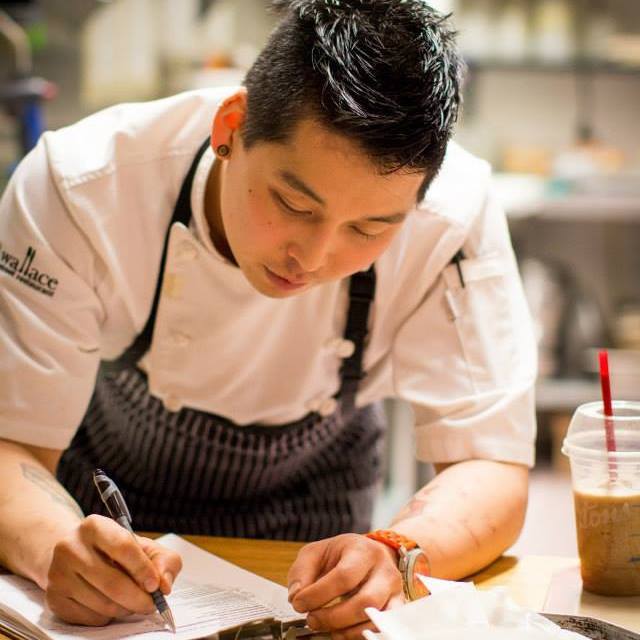
    Chef Hiro Takeda. i8tonite with Hope, BC's 293 Wallace Chef Hiro Takeda & Cacio e Pepe Recipe
    Chef Hiro Takeda

    Inspired by his father, who was a chef before he became an ice carver, Hiro Takeda began his career at Newlands Golf and Country Club, completing his three year apprenticeship before the age of 20. Working at the Fairmont Hotel Vancouver and Diva at the Met gave him valuable experience in Vancouver, and a job at Squeah Camp and Retreat Centre brought him out to Hope.

    at noma. i8tonite with Hope, BC's 293 Wallace Chef Hiro Takeda & Cacio e Pepe Recipe
    noma

    Opening 293 Wallace Street Restaurant in May of 2013, Hiro has since completed a 3 month internship at restaurant noma in Copenhagen, Denmark. Using local suppliers and foraged ingredients, Hiro focuses on providing his guests with a mixture of comfort food as well as creative tasting menus, while sharing his philosophy and providing mentorship to his young team.

    at noma. i8tonite with Hope, BC's 293 Wallace Chef Hiro Takeda & Cacio e Pepe Recipe
    at noma

    I first met Hiro a few years ago, through a mutual friend, the Maplemusketeer. I will tell you that anyone that is a friend of Jordan’s is a friend of mine – and so here we are today, years later, chatting about food and sharing a delicious, easy recipe.  I’m impressed with Hiro’s work with local foraging and ingredient sourcing, as well as his creativity and sense of humor. I think you will be, too.

    You can find him online at:

    www.293wallace.com
    Instagram: chefhirotakeda
    Facebook: 293 Wallace Street Restaurant
    Twitter: 293wallace

    Cheese crackers at 293 Wallace, Hope, BC. i8tonite with Hope, BC's 293 Wallace Chef Hiro Takeda & Cacio e Pepe Recipe
    Cheese crackers at 293 Wallace, Hope, BC

    Chef’s Questionnaire (with a nod to Proust):

    How long have you been cooking?

    About 12 years

    What is your favorite food to cook?

    I have a soft spot for seafood, fish, but have lately been enjoying cooking with foraged greens.

    What do you always have in your fridge at home?

    Sriracha, Japanese mayo

    What do you cook at home?

    Instant noodles…mi goreng is the bomb

    butternut squash panna at 293 Wallace, Hope, BC. i8tonite with Hope, BC's 293 Wallace Chef Hiro Takeda & Cacio e Pepe Recipe
    butternut squash panna at 293 Wallace, Hope, BC

    What marked characteristic do you love in a customer?

    Someone who just gets it, understands the work that goes into the food, is willing to get out of their comfort zone to try things they’ve never tried before.

    What marked characteristic do you find unappealing in a customer?

    Those who are rude to our staff. We don’t tolerate that.

    Tupperware, Rubbermaid, or Pyrex?

    Tupperware

    Beer, wine, or cocktail?

    All of the above. Gin and Grapefruit is king right now.

    Your favorite cookbook author?

    creme brulee at 293 Wallace, Vancouver. i8tonite with Hope, BC's 293 Wallace Chef Hiro Takeda & Cacio e Pepe Recipe
    creme brulee at 293 Wallace, Hope, BC

    Too many to count! Off the top of my head, Rene Redzepi or Ferran Adria.

    Your favorite kitchen tool?

    Chopsticks or utility knife

    Your favorite ingredient?

    Scallops, or pine mushrooms

    Your least favorite ingredient?

    Chicken breast

    Least favorite thing to do in a kitchen?

    Repeat what I’ve already said.

    Favorite types of cuisine to cook?

    Indian, and, well, anything that requires foraging and using wild foods.

    Beef, chicken, pork or tofu?

    Beef

    Valentine's dessert by Chef Hiro Takeda. i8tonite with Hope, BC's 293 Wallace Chef Hiro Takeda & Cacio e Pepe Recipe
    Valentine’s dessert by Chef Hiro Takeda

    Favorite vegetable?

    Sunchokes

    Chef you most admire?

    Lars Williams, head of Research and Development at noma.

    Food you like the most to eat?

    Ramen or Japadogs

    Food you dislike the most?

    Uninspired food…or roasted/baked potatoes

    How many tattoos? And if so, how many are of food?

    i8tonite with Hope, BC's 293 Wallace Chef Hiro Takeda & Cacio e Pepe Recipe
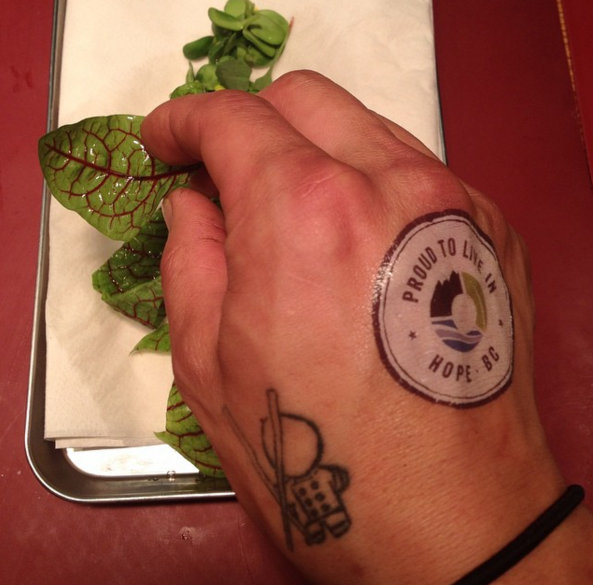
    A glimpse of one of Chef Hiro Takeda’s tattoos…

    Seven, and just one…a little chef on my hand…. Well and I have koi on my leg…I guess that counts, if you cook it.

    Recipe: Cacio e pepe with a couple extras

    i8tonite with Hope, BC's 293 Wallace Chef Hiro Takeda & Cacio e Pepe Recipe
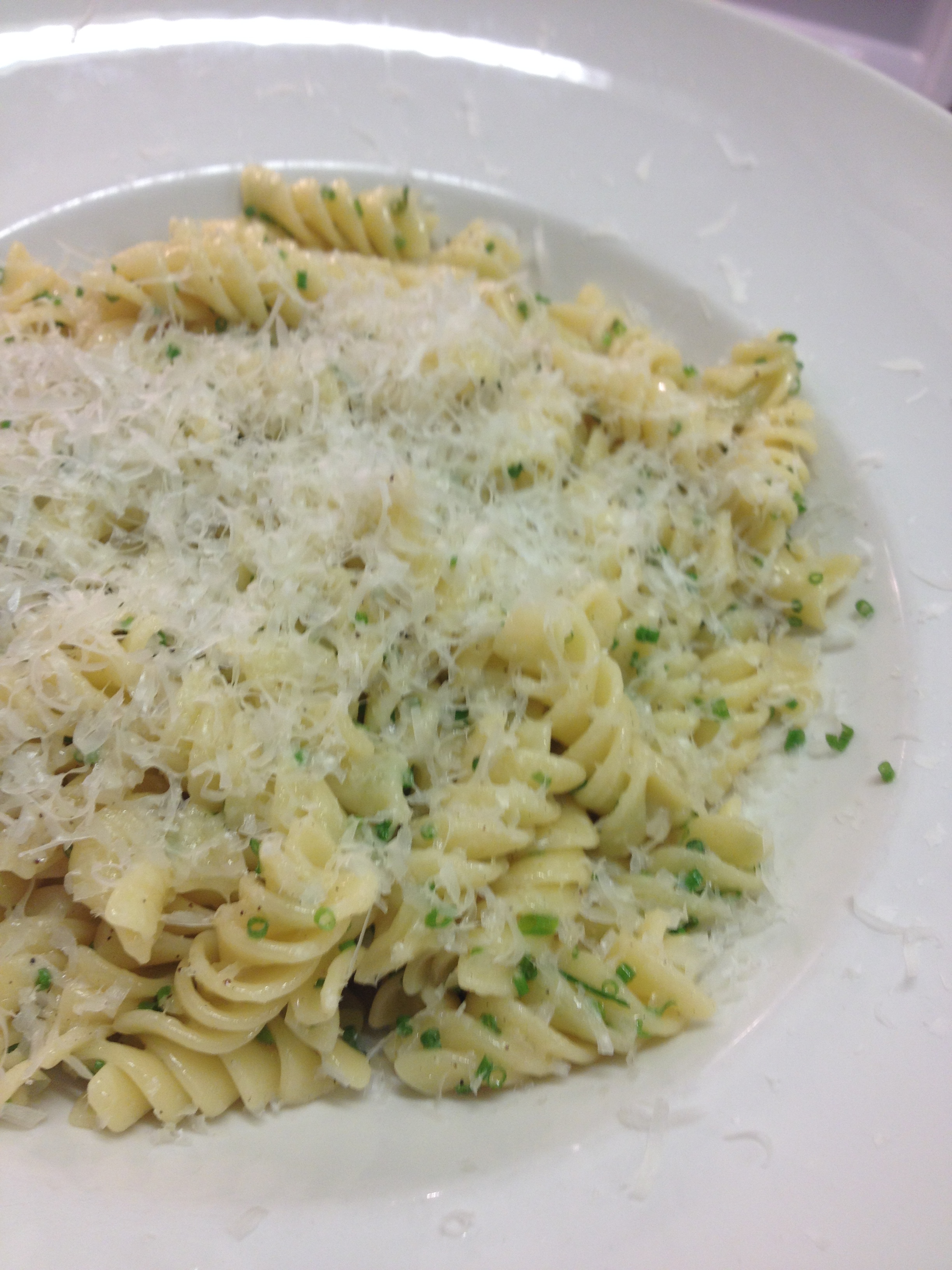
    Cacio e Pepe

    Cacio e pepe is a really simple recipe, with black pepper and pecorino. Pasta is easy for home cooking, filling and easy to pair with other things.

    Take pasta, whatever shape you like, and cook in boiling water with olive oil and salt until al dente.

    At the same time, in a fry pan, start with a touch of canola oil and add minced onions and garlic. Sweat until onions are translucent. Deglaze with white wine, add lots of freshly cracked black pepper. When pasta is done, toss into the fry pan, along with a touch of pasta water. Grate pecorino into pasta; add some whole butter, chopped chives, and a touch of lemon juice to finish. Season with kosher salt. Put it into a bowl, then grate pecorino on top.


    The End. Go Eat.

  • i8tonite: Los Angeles’ Franco on Melrose, Chef Franco de Dominicis

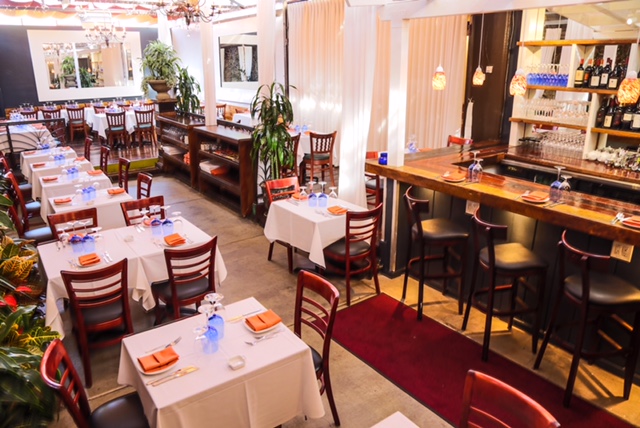
    IMG_1422Along a strip of Melrose Avenue, just past La Brea is Franco on Melrose. It’s location is in the City of Angel’s culinary corridor featuring a few of the most lauded epicurean stops in the city including Providence, Mozza, Mud Hen Tavern and Trois Mec. To the south, one can wander to Republique or Odys + Penelope.  It’s a hidden gem of an Italian eatery although a favorite among the celebrity set. However, the trattoria has been under the radar since its inception over four years ago. Why? Partially, says chef and owner Franco de Dominicis, “I didn’t have a beer and wine license. It was BYOB but now I do and things have changed.”

    Originally born in Venezuela to Italian parents, de Dominicis was then raised in Paestum, Italy about a hundred miles south of Naples, renowned for its Greek and Roman archeological sites. The 2600-year-old settlement has also been known as the second largest agricultural center in Italy, the first being in Umbria. De Dominicis had an excellent childhood and gained a love of cookery via his family. He had formal culinary training at a Naples based school which supplied him with European apprenticeships. Now, in the States, the food he makes is indicative of his European and Italian roots, staying true to his youth.
    IMG_3359Proudly, de Dominicis makes all of his own pasta, ravioli, and lasagna. Many of the recipes are adapted recipes from his mother and childhood. He also sources as much as he can from the farmers markets throughout Los Angeles. It’s a true Los Angeles-based trattoria serving up Neapolitan fare without having to travel to Italy.

    Franco on Melrose is a lovely place with a sidewalk awning extending out to the valet. Its roof is canopied and during the summer is open to the stars. The best thing about the new Italian-centric wine menu which was personally selected by de Dominicis it’s priced so reasonably you can imbibe with that second bottle while looking at the stars.

    Chef Questionnaire: 

    IMG_1877How long have you been cooking? Since I was 13.

    What is your favorite food to cook? Meat and fish and pasta.

    What do you always have in your fridge at home? Milk, juices, herbs, prosciutto, burrata, eggs.

    What do you cook at home? Sometimes I get together with friends and I love to do brunch with roasted beef tenderloin and rack of lamb.

    What marked characteristic do you love in a customer? An open mind to try different things.

    What marked characteristic do you find unappealing in a customer? Unwilling to expand their palate.

    IMG_1242Tupperware, Rubbermaid, or Pyrex? Rubbermaid.

    Beer, wine or cocktail? Definitely wine. A full body red and champagne.

    Your favorite cookbook author? Julia Child.

    Your favorite kitchen tool? Hand mixer

    Your favorite ingredient? Extra virgin olive oil.

    Your least favorite ingredient? Okra.

    Least favorite thing to do in a kitchen? Stirring for hours.

    FullSizeRender (3)Favorite types of cuisine to cook? Italian, French, Caribbean,

    Beef, chicken, pork or tofu? Beef.

    Favorite vegetable? Haricot vert and brussels sprouts.

    Chef you most admire? Gordon Ramsey.

    Food you like the most to eat? Breakfast items.

    Food you dislike the most? Russian.

    How many tattoos? And if so, how many are of food? None.

    Franco on Melrose’s Roasted Chicken and Pears

    • 3-4 lbs. chicken, whole roasting
    • 3 Anjou pears (Peeled and cut into quarters)
    • 3 shallots (Cut into quarters)
    • 2 carrots
    • 2 celery stalk
    • 2 cups white wine
    • 1 tablespoon of fresh thyme
    • ½ a tablespoon of freshly cut sage. Or thereabouts.
    • Salt and pepper

    To Make: Pre heat oven a 400 degree. Take the chicken and stuff it with the whole pears, some thyme, some sage, and 1 shallots cut into quarters. Tie the legs back with twine. Place the chicken in a roasting pan, with all the carrots and celery, cut into  pieces, add the rest of the shallots cut in ¼ as well, disperse the herbs around, poor the wine and salt and pepper to taste. Cover the chicken with aluminum foil and place in the oven for about 45 minutes. Uncover the chicken and let it finish cooking, for another 15 to 20 minutes, until a nice golden brown and juices run clear.

    The End. Go Eat.

  • I8tonite with San Francisco’s Anzu Chef Michael Raub on Asian Fusion Cuisine & Citrus Glazed Mahi Mahi Recipe

    I8tonite with San Francisco’s Anzu Chef Michael Raub on Asian Fusion Cuisine & Citrus Glazed Mahi Mahi Recipe

    Anzu’s Chef Michael Raub‘s story is one that seems to exemplify the phrase, “Life is what happens when you’re making plans.”

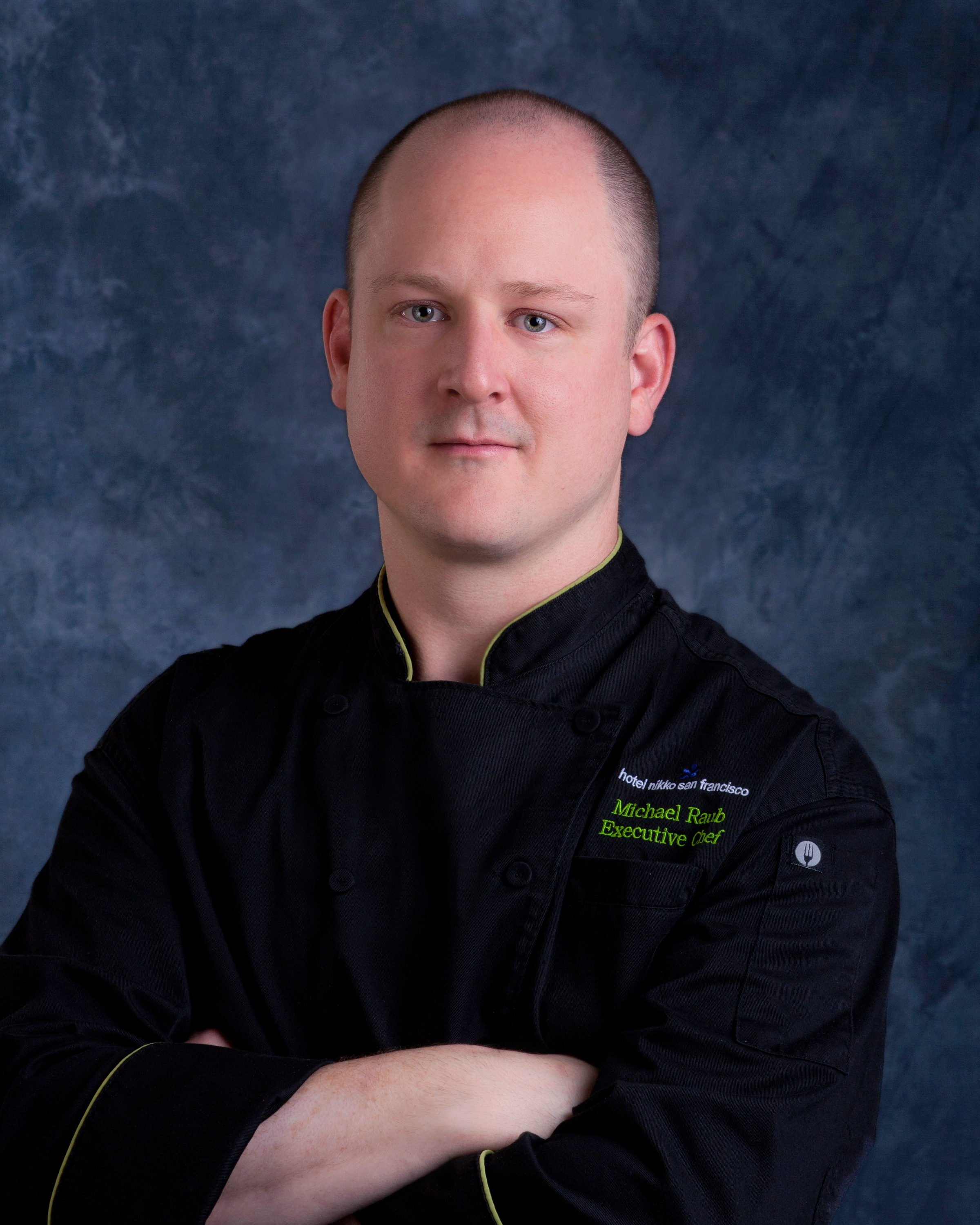
    San Francisco’s Anzu Chef Michael Raub on Asian Fusion Cuisine & Citrus Glazed Mahi Mahi RecipeFrom Texas barbecue to the French Laundry to Asian-Fusion cuisine, Michael Raub, Executive Chef at the Hotel Nikko San Francisco, didn’t plan a career in the restaurant business.

    Though cooking was a big part of his youth (with not one, but two grandmothers in the kitchen at every family gathering), his coursework was in marketing while at university in Houston, Texas. After college, he went to Colorado to pursue an internship in the hospitality industry. It was there that fate (or life) took over, and Michael’s career in the restaurant business really began.

    After a brief return to Texas, he pursued the best of the best: The Thomas Keller Restaurant Group. His ambition and initiative served him well, and he was soon on his way to Napa Valley, California, where he interned at Bouchon, quickly moving on to a full time position as Garde Manager. In 2010, he was promoted to Sous Chef. Michael stayed with the Keller Group for four years, also working at Ad Hoc and the French Laundry, a Michelin three star restaurant.

    In 2012, Michael accepted a position as Executive Sous Chef at Ame Restaurant in the St. Regis Hotel, San Francisco, where he worked with Hiro Sone, winner of the James Beard Foundation’s Best Chefs of California award.

    Michael credits both of his grandmothers with instilling in him an appreciation of good food and fresh ingredients, his first employers with his work ethic, and his determination with a bit of luck, for the opportunity to work alongside some of the best chefs in the business.

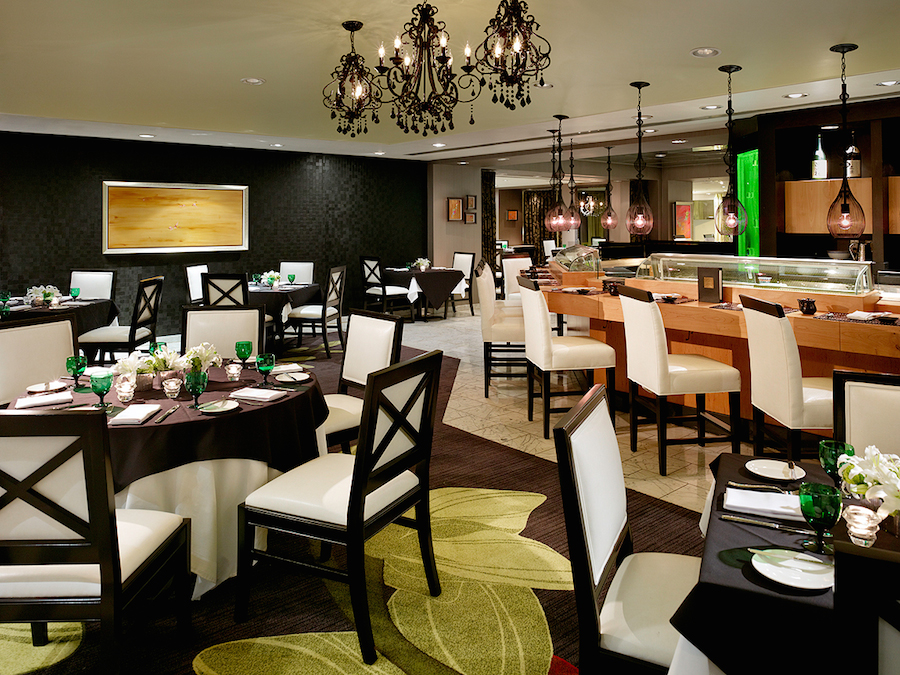
    ANZU restaurant, Hotel Nikko, San FranciscoAnzu is the perfect venue, allowing him to create dishes like Sichuan Peppered Filet Mignon and Citrus Glazed Mahi Mahi (recipe below). The menu incorporates his love of high quality meats and fresh local sustainable seafood. It seems that life was just waiting to bring Michael’s particular blend of experience and skill to Anzu at the Nikko.

    Chef’s Questionnaire (with a nod to Proust):

    How long have you been cooking?
    16 Years

    What is your favorite food to cook?
    I love cooking with fresh seafood. It is very delicate and takes constant attention.

    What do you always have in your fridge at home?
    Kimchi

    ANZU restaurant, Hotel Nikko, San FranciscoWhat do you cook at home?
    I love the experience of smoking fish and meat all day to make delicious Barbeque. A great way to spend a day off!

    What marked characteristic do you love in a customer?
    I haven’t served a customer in a very long time. What I find appealing about one of our guests is a sense of adventure.

    What marked characteristic do you find unappealing in a customer?
    Rudeness

    Tupperware, Rubbermaid, or Pyrex?
    Pyrex, but prefer a good old fashioned mason jar.

    Beer, wine, or cocktail?
    Wine

    Your favorite cookbook author?
    Right now, I can’t put Dominique Crenn’s new book down

    Your favorite kitchen tool?
    My hands

    Your favorite ingredient?
    The lettuces and herbs we are getting from Ecopia Farms right now!

    Your least favorite ingredient?
    Lavender

    Least favorite thing to do in a kitchen?
    Leave for the day

    ANZU restaurant, Hotel Nikko, San FranciscoFavorite types of cuisine to cook?
    French, Japanese, Italian, and Korean

    Beef, chicken, pork or tofu?
    Chicken

    Favorite vegetable?
    Whatever is at the peak of the season

    Chef you most admire?
    Laurent Gras

    Food you like the most to eat?
    Grilled Fish

    Food you dislike the most?
    Hard Boiled Eggs

    How many tattoos? And if so, how many are of food?
    0

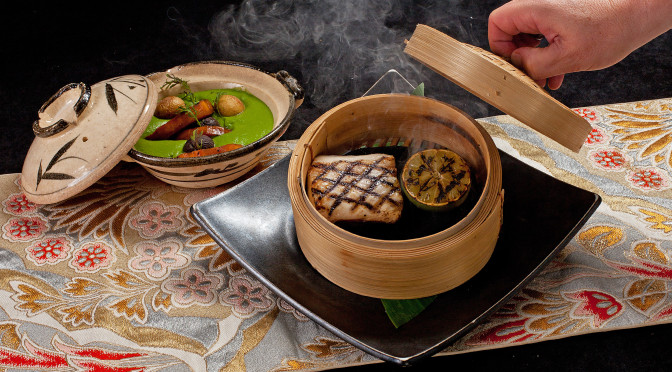
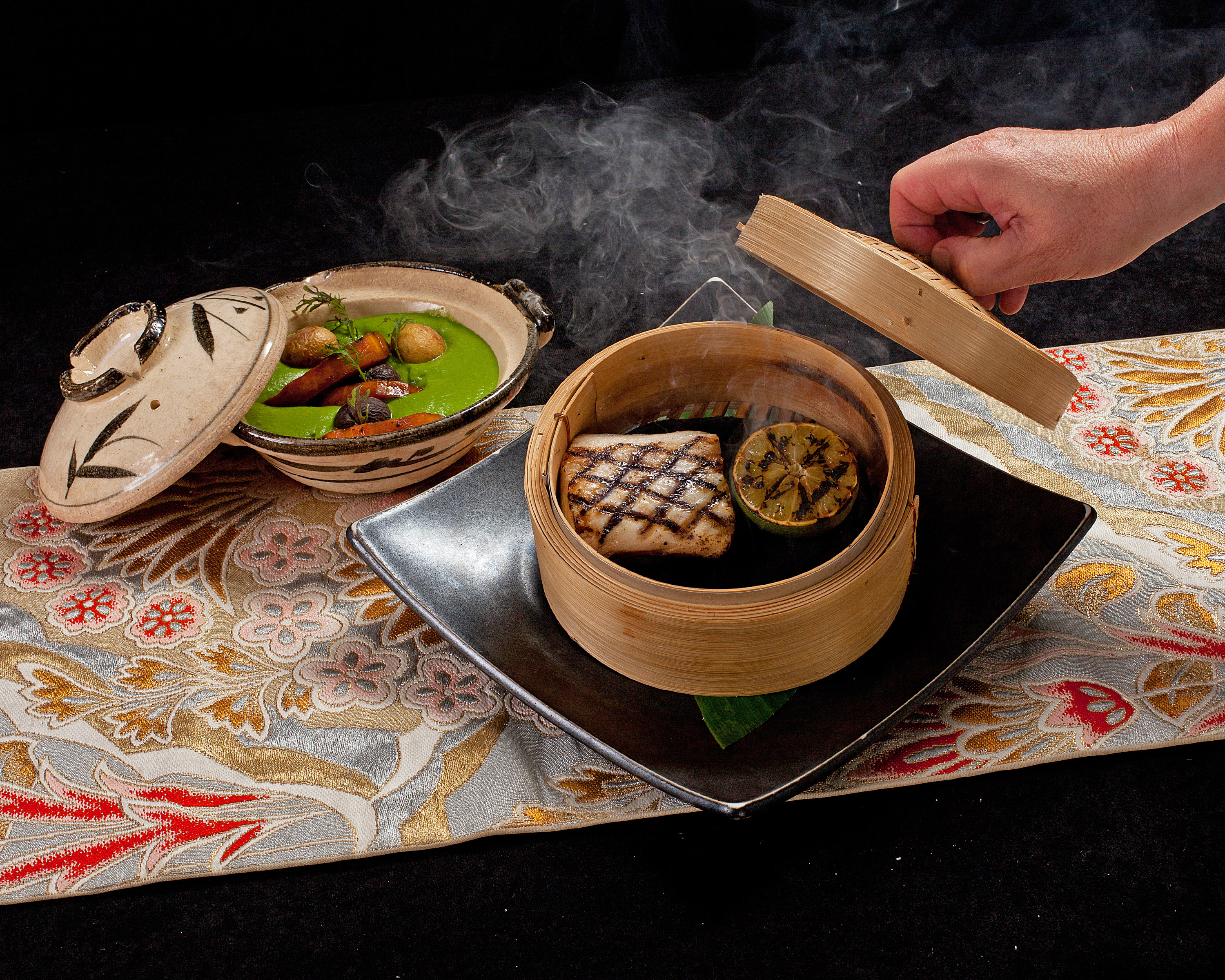
    Citrus Glazed Mahi Mahi Recipe from at Anzu Restaurant, Hotel Nikko, San Francisco
    Citrus Glazed Mahi Mahi

    Recipe: Citrus Grilled Mahi Mahi with Thai Green Curry
    Serves 4

    Ingredients:

    Curry

    • 1 T Olive Oil
    • 3 T Green Curry Paste
    • 1 Shallot (Minced)
    • 1 Inch Peeled Ginger (Minced)
    • 2 Cloves Garlic (Minced)
    • .5 Each Lemon Grass (Chopped)
    • 1 C Coconut Milk
    • 1 C Dashi
    • 5 Each Kaffir Lime Leaves
    • 1 T Fish Sauce
    • 1 T Brown Sugar
    • 2 Bunches Thai Basil
    • 1 C Baby Spinach

    Citrus Cure

    • 2 T Kosher Salt
    • 1 T Sugar
    • 1 Lime (Zested)
    • 1 Lemon (Zested)
    • 1 Orange (Zested)
    • 1 t Cracked Coriander
    • 4 each 5 Ounce Mahi Mahi Portions
    • 1 Large Butternut Squash
    • 12 Mixed Marble Potatoes
    • 4 C Baby Spinach
    • 1 Clove Garlic (Minced)
    • .5 Lime

    For the curry, heat the oil in a medium heavy bottom pot on high heat until slightly smoking.
    Add the shallot, garlic, ginger, and lemongrass and brown for about two minutes.
    Add the curry paste and kaffir limes and continue cooking another minute. Add the coconut milk and dashi and bring to a simmer.
    Add the sugar and fish sauce and cook for thirty minutes.
    Season to taste and let cool to room temperature.
    Remove the kaffir lime leaves and place the curry in a blender with the spinach and basil.
    Puree until completely smooth and pass through a fine mesh strainer.

    For the citrus cure, combine all the ingredients in a small mixing bowl and reserve.

    Cut the butternut squash in half lengthwise and remove the seeds and flesh. Peel the outer layer and cut into one inch pieces and roast in the oven at 400 degrees.
    Season with salt and pepper and keep warm.

    Season the mahi with the citrus cure and grill until medium to medium well. The internal temperature should be 150 degrees F.
    Take the half of lime and place on the grill, flesh side down, until a dark caramel crust forms.
    We like to finish our mahi in the oven on a smoking plank of cherry wood.
    Take a large sauté pan and heat up a small amount of olive oil and place the garlic in the pan and sweat for thirty seconds.
    Place the spinach in the pan and cook until just wilted.

    Blanch the mixed marble potatoes in boiling salted water until just tender. Heat the curry and add the squash and potatoes.
    Ladle the curry in four separate bowls and top with the wilted spinach.
    Serve the fish on the side on the wood planks, so you can add the fish as you eat the curry.

    The End. Go Eat.


    All photos courtesy and copyright Anzu at the Hotel Nikko, San Francisco

  • I8tonite with Miami’s Drunken Dragon Chef Xavier Torres: Recipe for Drunken Dragon Popcorn

    I8tonite with Miami’s Drunken Dragon Chef Xavier Torres: Recipe for Drunken Dragon Popcorn

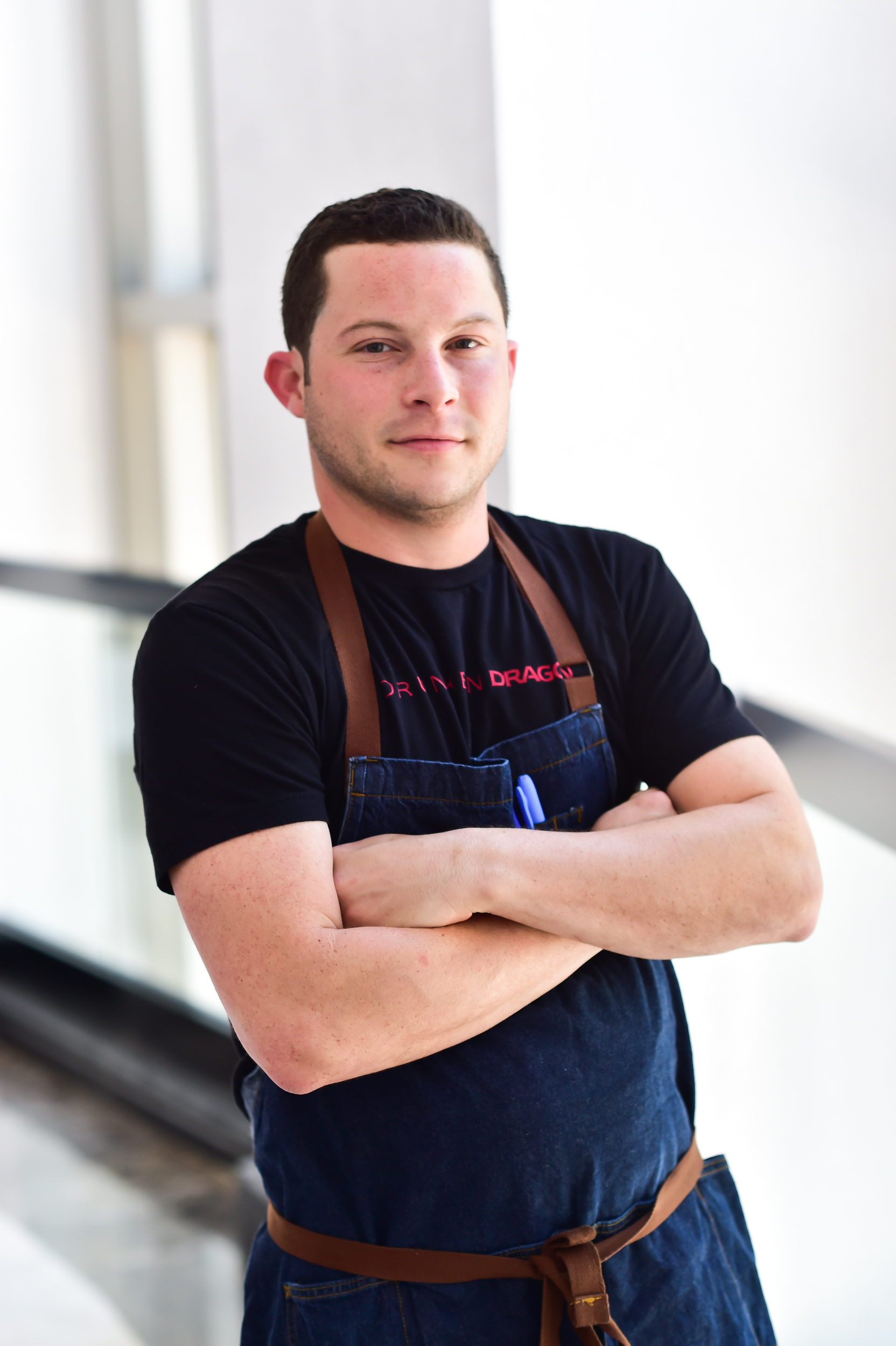
    Cochon555_MIA-8Drunken Dragon Chef Xavier Torres cooked for both for his mother and brother while growing up in Puerto Rico.  It’s what he loved to do. With his family’s support, the well-traveled chef sought out new flavors and cooking opportunities —  but every step of the way his family had his back.

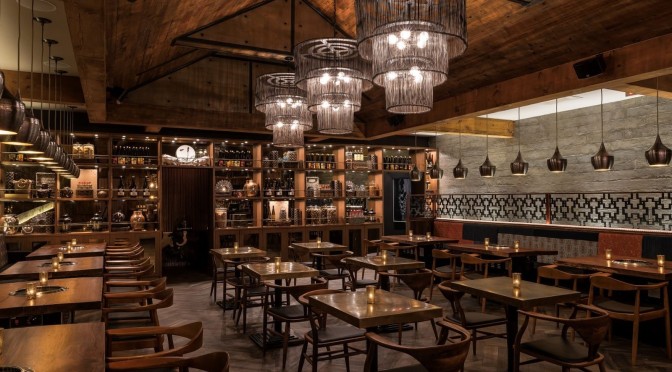
    In 2014, the Johnson & Wales culinary graduate Torres was given the reins to create whatever cuisine he wanted by Homecookin’ Hospitality Group, owners of Miami’s Foxhole. The area is typically known for repetitive, albeit delicious international flavors consisting of sushi and sashmi bars, neighborhood bodegas with out delectable Latin food and American steakhouses. It was a welcome surprise when Torres settled on a speakeasy dining experience of Korean barbeque, the first South Beach restaurant devoted to this Asian cuisine.

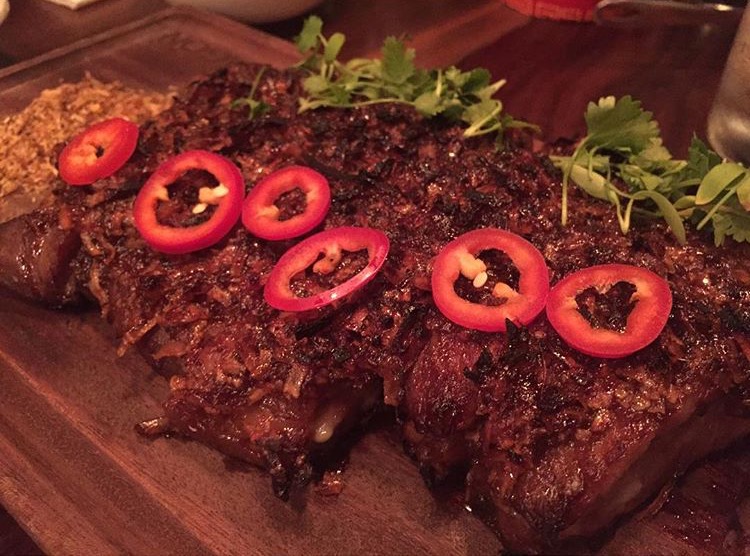
    Korean Ribs: Credit Drunken Dragon
    Korean Ribs: Credit Drunken Dragon

    Interestingly, Torres is classically trained in European cookery starting his career under Chef Paul McDonald at Ireland’s Adare’s Manor Hotel & Golf Resort. This led him to Lasarte, Spain where direction emanated from famed, three Michelin-starred Basque Chef Martin Berasategui at his eponymously named restaurant.

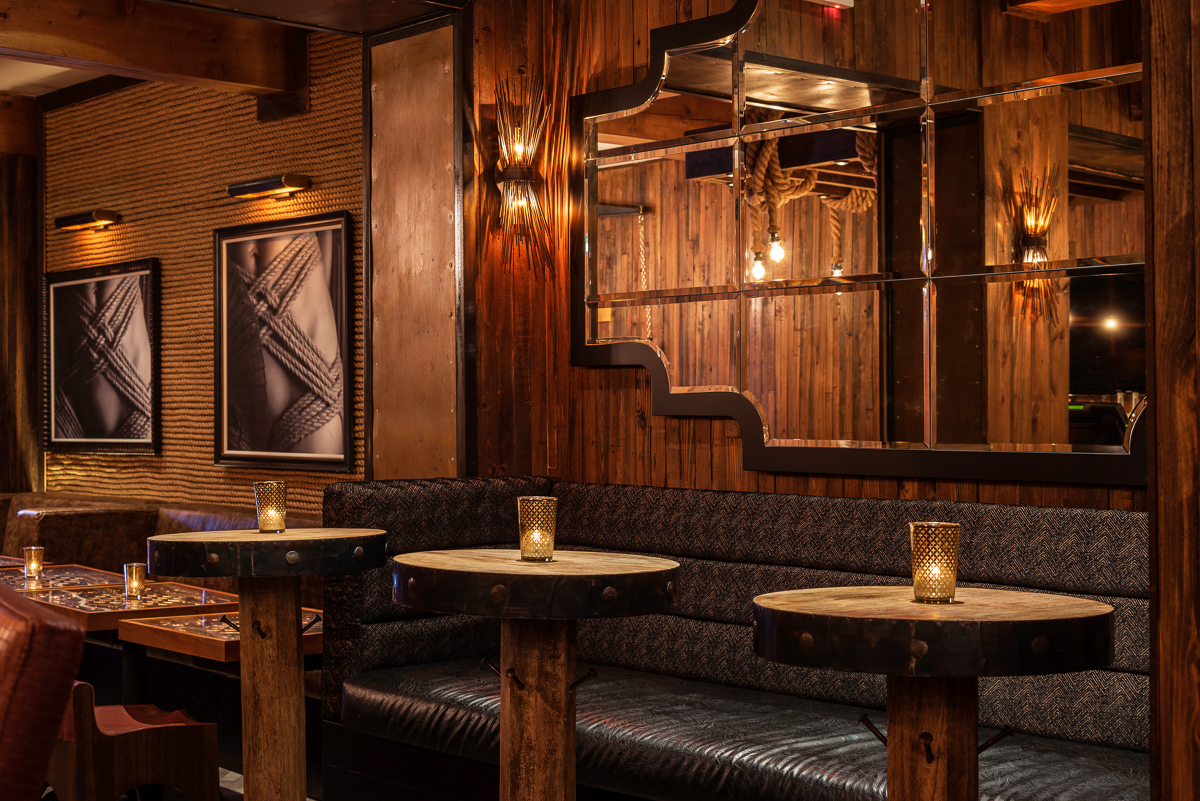
    Upon returning stateside, Torres took a variety of chef positions at some of South Beach’s illustrious restaurants such as Andrew Carmellini’s The Dutch, Sushi Samba and Nobu. Torres says, “I worked at Sushi Samba, (the now defunct) Wish and Nobu. I wanted to stay with Asian flavors but allow the city to try something which we didn’t have in South Beach.” (Korean barbeque is incredibly popular in Los Angeles where the team sourced Los Angeles-based Studio Collective to design Drunken Dragon’s Asian gastro-pub space.)

    Table: Credit Drunken Dragon
    Table: Credit Drunken Dragon

    Ironically, his family never cooked Asian food, as they were steeped in the tradition of Puerto Rican cuisines.  When asked how Torres’ family perceives his success, he answers, “They are happy with the job I’m doing. If I’m happy – they are happy.”


    Chef’s Proustian Questionnaire: 

    • Xavier TorresHow long have you been cooking?  Twelve years.
    • What is your favorite food to cook? Basque cuisine –  food from Spain.
    • What do you always have in your fridge at home? Fresh fruit.


    • What do you cook at home? Depends what I want to eat … sometimes fish.
    • What marked characteristic do you love in a customer? When a customer calls me over to their dinner table to compliment my dishes and really express their gratitude for what I cook.
    • IMG_2138What marked characteristic do you find unappealing in a customer? When a customer tries to make their own dish with ingredients they see on the menu.
    • Tupperware, Rubbermaid, or Pyrex? Tupperware.
    • Beer, wine or cocktail? Wine.
    • Your favorite cookbook author? James Oseland.
    • Your favorite kitchen tool? Knife
    • Your favorite ingredient? Garlic
    • Your least favorite ingredient? Radish.
    • Least favorite thing to do in a kitchen? Receive orders.
    • Favorite types of cuisine to cook? Basque cuisine, food from Spain.
    • Beef, chicken, pork or tofu? Beef.
    • 11742862_920538968011529_2317882634785788078_nFavorite vegetable? Asparagus.
    • Chef you most admire? Thomas Buckley.
    • Food you like the most to eat? Spanish Food. I like to cook food other than my own because I always learn something new.
    • Food you dislike the most? Caribbean Food.
    • How many tattoos? And if so, how many are of food?  No tattoos.

     Recipe: Drunken Dragon Popcorn

    • 3 Tbsp coconut, peanut, canola oil or clarified butter
    • 1/3 cup of high quality popcorn kernels
    • 1 3-quart covered saucepan
    • 1 Tbsp or more (to taste) of butter (optional)
    • Salt to taste

     In a 3-quart saucepan, melt the oil or clarified butter over high heat. Take a couple of kernels and place in the pot. Cover. Once these have popped, the oil is ready for the rest of the popcorn. Add everything in a single layer cover and take off heat. Everything should pop without burning.

    In a mixing bowl add a little truffle oil, then toss with truffle salt. Add a little freshly grated pecorino cheese followed with nori powder. (Note: Nori powder is a staple found in most Asian markets or purchase through Amazon.com)

    The End. Go Eat.


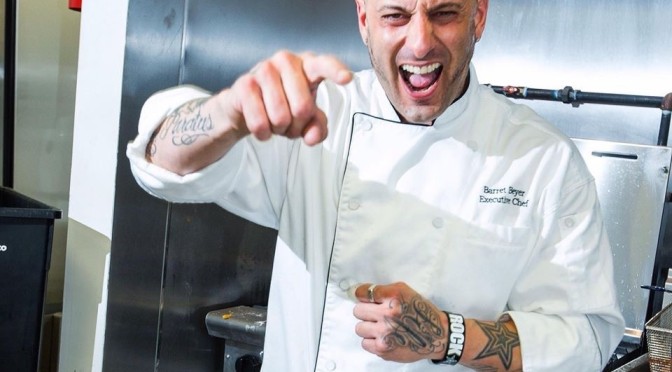
  • i8tonite with Chef Barret Beyer:TV’s Reality Chef Opens Up About Cooking Sober

    i8tonite with Chef Barret Beyer:TV’s Reality Chef Opens Up About Cooking Sober

    Barret Beyer 2Chef Barret Beyer epitomizes new beginnings and change, inspiring millions with his cooking and actions. While working in New York City’s financial industry and boom era during the aughts, Beyer was arrested ten times for drug charges, even overdosing in 2006. For ten years, from 1998 until 2008, he was in and out of jails. However coinciding with the birth his daughter in 2008, the reality TV star finally got sober.

    Beyer said, “I couldn’t do it anymore. I wanted to be a father she could look up to.” He did.

    Leaving the world of finance and clanging cells bars behind, the love of cooking become the inspiration for his life’s next course. Always a home cook, Beyer attended culinary school in his native Long Island. Before even graduating the ambitious New Yorker already had a job as a sous chef.

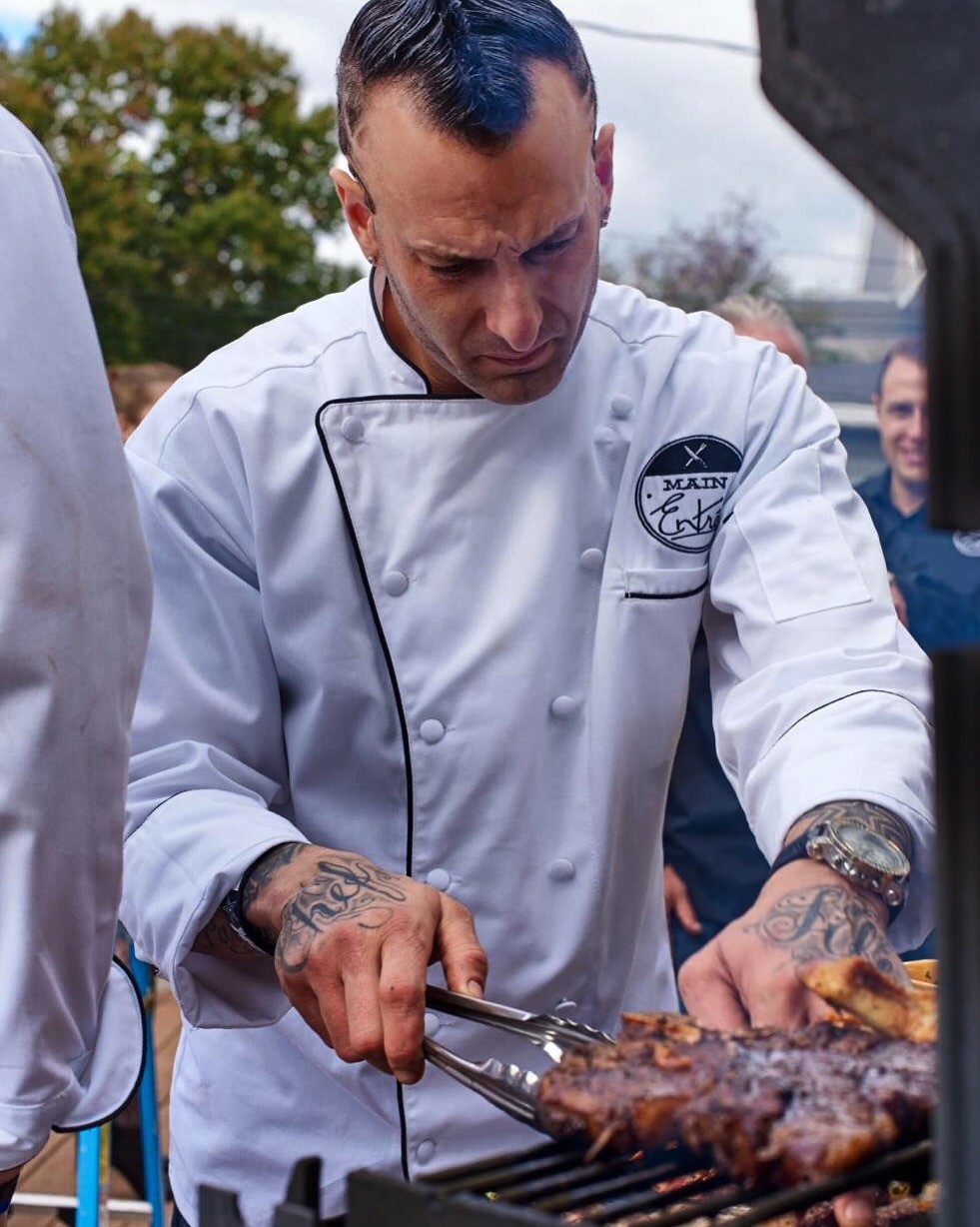
    Barret BeyerBeyer then made it to “Hell’s Kitchen” with the legendary kitchen screamer Gordon Ramsey. His favorite television experience. Although, he didn’t win the show, Beyer realized that working in the kitchen is the work he loves.

    It’s that drive to succeed and healthy ambition which drove him to participate in “Cutthroat Kitchen”, another on-camera cooking competition. “I was the first one cut. It was for not putting the chicken on a Chicken Caesar Salad,” the chef says while chuckling at his folly.

    From his experience on reality TV, the cheffing professional has become a consultant opening a multitude of East Coast restaurants, receiving many accolades along the way. Food & Beverage Magazine and Chef Works have both named him “Chef of The Month”, in 2013 and 2014, respectively. With his new found celebrity status, Beyer volunteers or works non-profits events around the country including the Long Island Hospitality Ball, spokesperson for “Bullyin’ We’re Kickin it”, a Rocky Marciano Jr. organization and the annual fundraiser for Michelle’s Place Breast Cancer Resource Center in Temecula, California.

    With eight years of sobriety and five years of cooking, it’s clear Chef Beyer has changed his life.

     Chef’s Questionnaire:

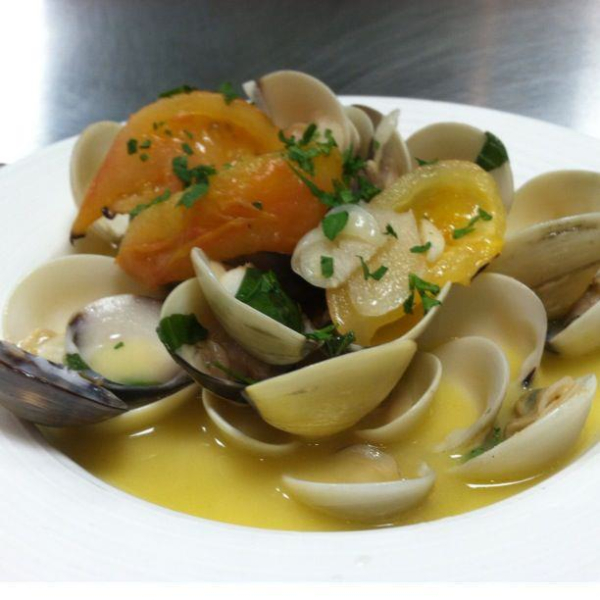
    clamsHow long have you been cooking? I just came up on my 5th year anniversary. I started culinary school this past December, five years ago.

    What is your favorite food to cook? I love cooking comfort food but elevating it to the next level.

    What do you always have in your fridge at home? Gatorade, water, bacon, butter and French vanilla creamer

    What do you cook at home? For myself, anything that can be done in 3-5 minutes, but when I’m trying to come up with recipes, it’s no holds barred.

    What marked characteristic do you love in a customer? People who aren’t afraid to try new things

    What marked characteristic do you find unappealing in a customer? The opposite of the above answer. LOL.

    Tupperware, Rubbermaid, or Pyrex? Tupperware at home. Rubbermaid for my equipment and Pyrex in any kitchen.

    Beer, wine or cocktail? To drink, I would say none of them; however to cook?  (I use) all of them.

    Your favorite cookbook author? I honestly never had a favorite cookbook author because I rarely use them.

    Your favorite kitchen tool? My knives. Isn’t that every chefs’ favorite?

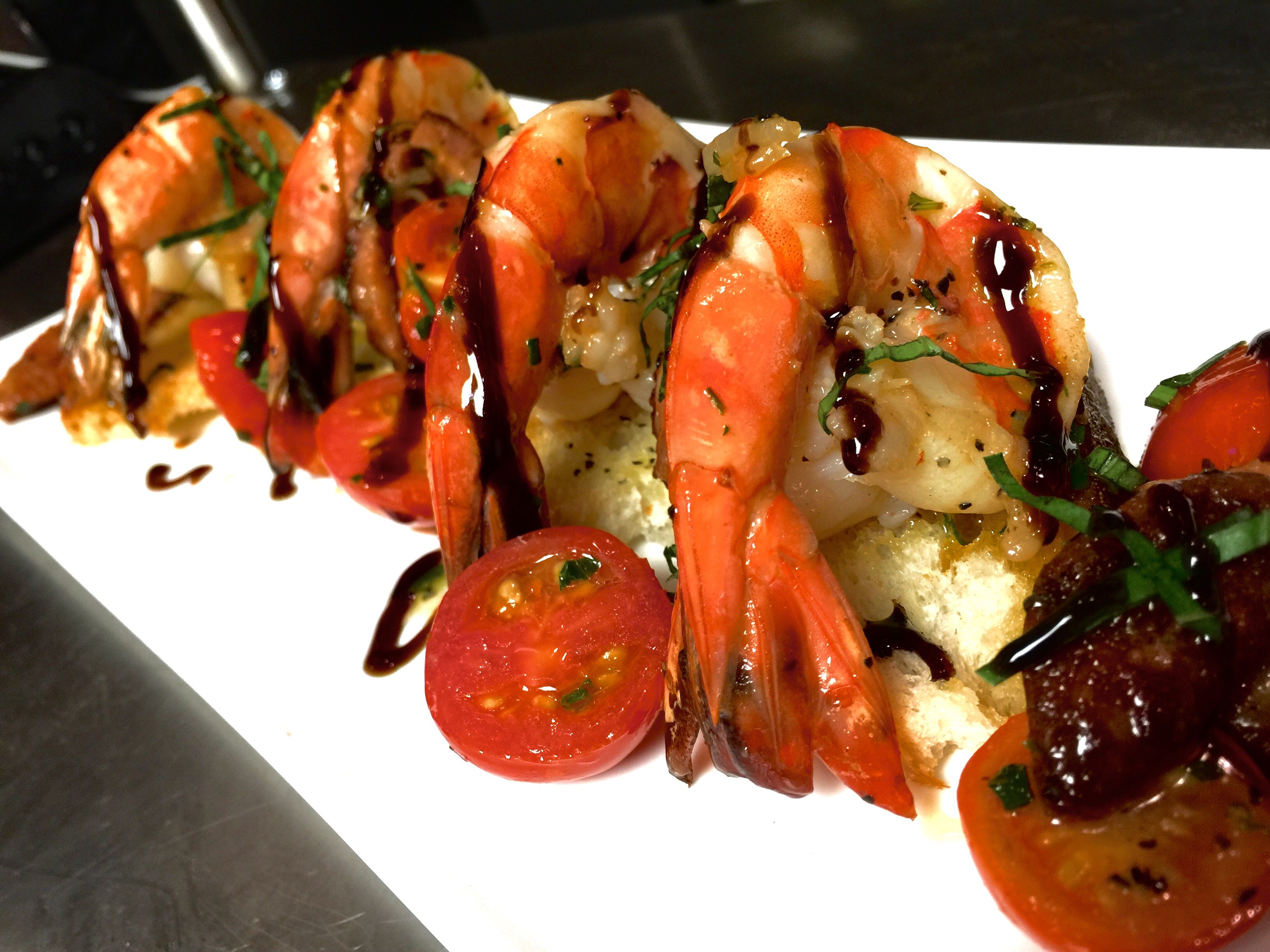
    ShrimpYour favorite ingredient? Hmmmmm. I have a few. Grape seed oil because of its high smoke point, Himalayan pink salt because of its mineral value, and garlic.

    Your least favorite ingredient? Curry. I had neighbors that abused it.

    Least favorite thing to do in a kitchen? Standing still. I love cooking.

    Favorite types of cuisine to cook? American classics with maybe a fusion of Latin or French

    Beef, chicken, pork or tofu?  Pork. I believe in low and slow to achieve flavoris maximus. (Ok, I made that word up.)

    Favorite vegetable? Corn and Cauliflower

    Chef you most admire? Marco Pierre White, Gordon Ramsay and Anthony Bourdain

    Food you like the most to eat? Pizza, pulled pork and ramen… and sometimes all at the same time

    Food you dislike the most? Anything with curry

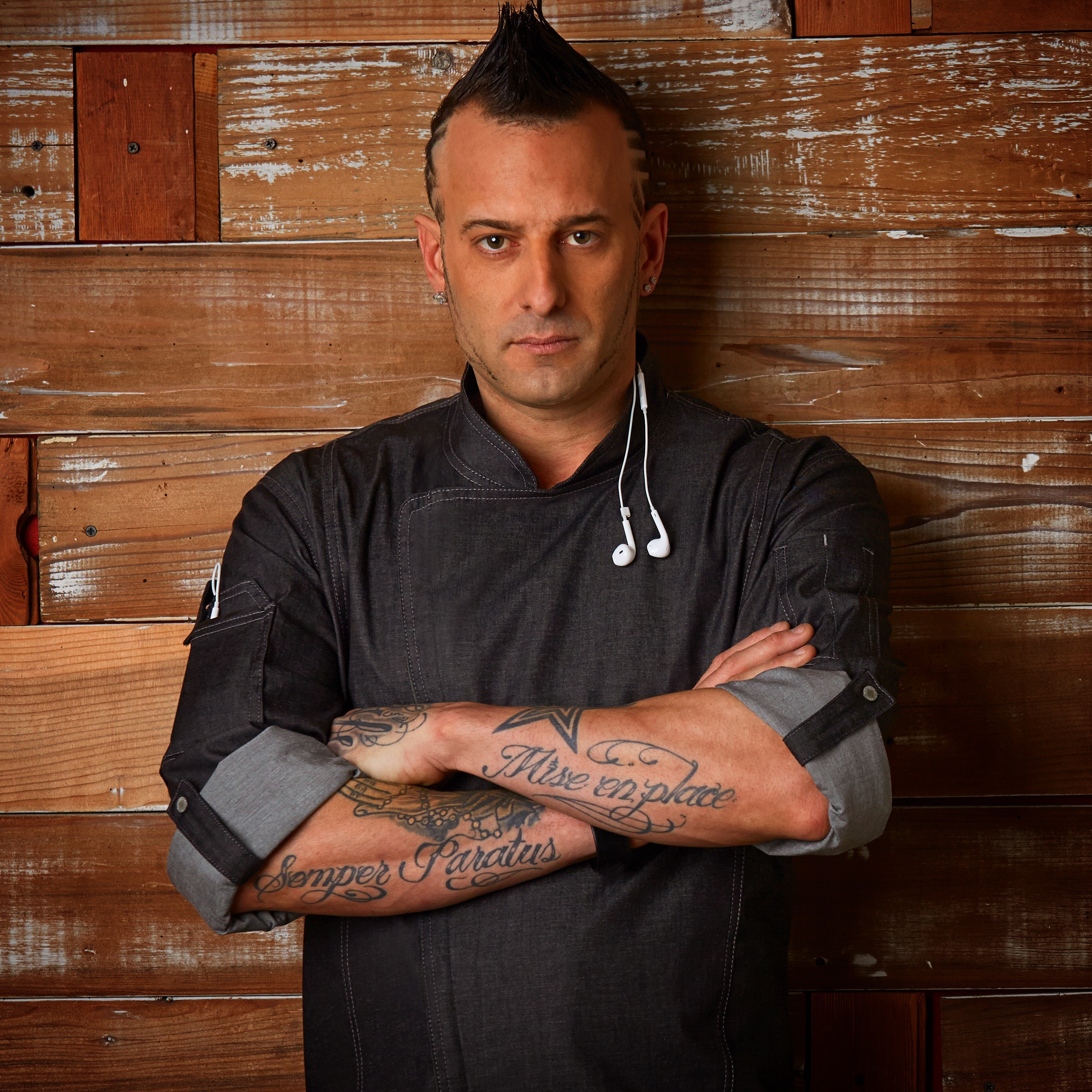
    How many tattoos? And if so, how many are of food? 14 total. None of food yet I am not a fan of colors. I do have a tattoo on my forearm that says mise en place – everything in its place.

    Chef Barret Beyer’s Scallops with Wasabi Cream

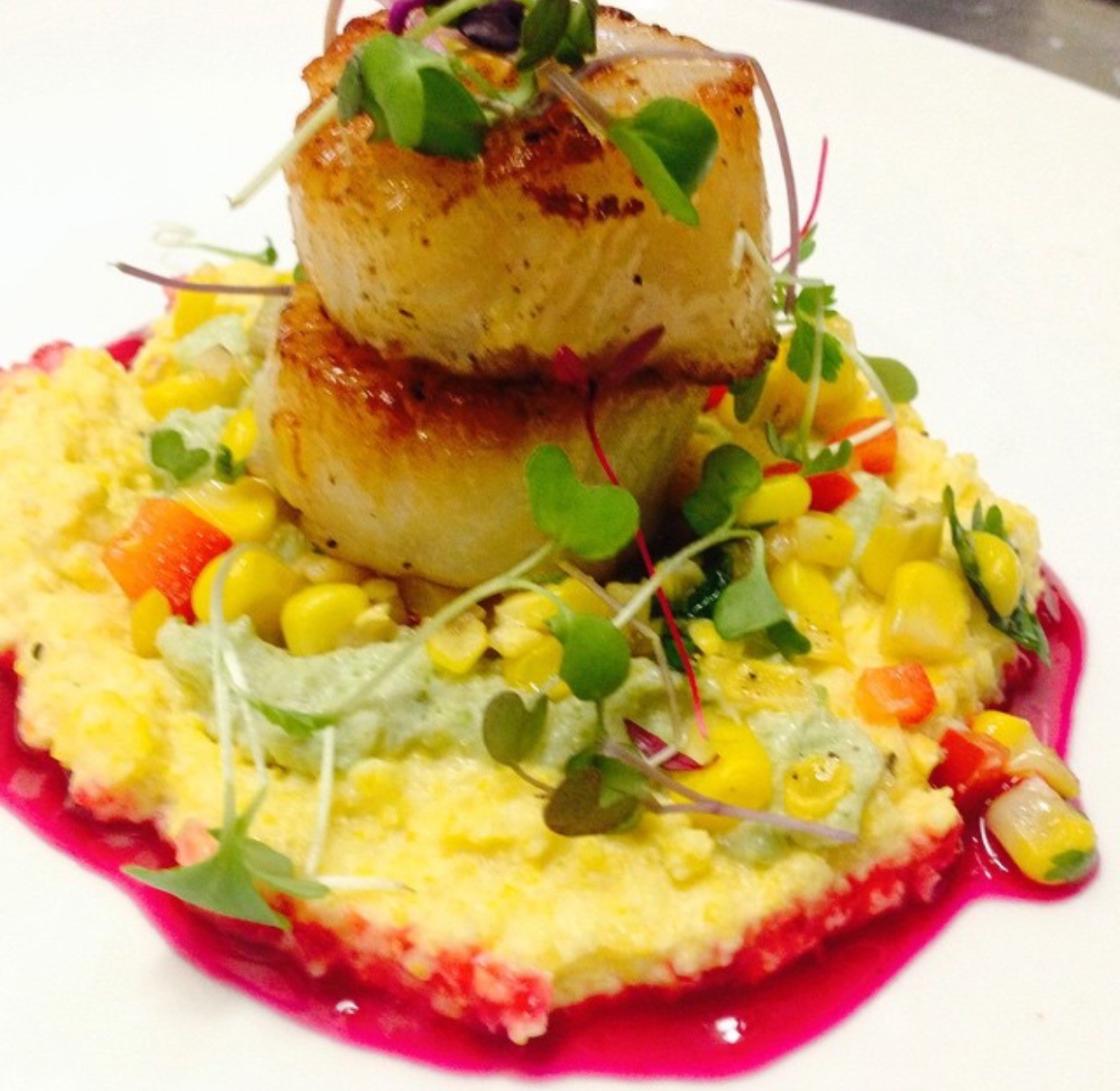
    ScallopsIngredients

    • U10 Scallops (largest available)
    • 1/4 head cauliflower
    • Heavy cream
    • Wasabi powder
    • One corn on the cob
    • One red pepper
    • Peppadew
    • Grenadine
    • 1/4 cup Sugar
    • 1/4 cup Vinegar
    • One small can pineapple juice 6 oz
    • One tbs chili flake
    • Two tsp honey
    • Micro-greens

    Cooking Instructions

    For the gastrique:  Place vinegar, pineapple juice, about 1/3 cup grenadine, sugar, red chili flake, honey, 3 tbsp. water and about 5 Peppadew peppers in pot. Let it reduce for about 20 minutes on high heat. Blend with an immersion blender. Should be the consistency of syrup; if it’s not, place back on heat and reduce more.

    On medium heat put about 1/4 cup of heavy cream in a medium pot and add about 1/4 of a head cauliflower and cover. Let simmer until cauliflower is cooked through and tender; using an immersion blender, puree cauliflower. Add about 1 oz of wasabi powder, 3-4 Peppadew peppers and 2 tbsp. of juice from the jar while mixing.

    Cut corn kernels from the cob, tossing with oil, salt, and pepper. Roast for about 8 minutes at 425 degrees. Put in a bowl with small diced red pepper, about 1 tbsp. of grape seed oil salt and pepper. Mix and set aside. In a large sauté pan, put heat on high and let the pan get hot. Add grape seed oil and let the oil heat up.

    Put scallops on a paper towel to absorb the moisture, so they are dry, and then dash them with salt and pepper. Place the scallops in the pan and let them get a good sear on one side for about 60 seconds. Flip the scallops and leave them on high heat for about another 30 seconds.  Then turn off heat and remove the pan from stove. Put the scallops on a clean paper towel to absorb oil.

    On a plate, place a spoonful of the wasabi cauliflower under each scallop and place corn salsa on top of the puree. Add scallop and top with micro greens.  Drizzle the gastrique about the cauliflower. Serve.

    The End. Go Eat.


  • i8tonite: with James Beard Award-Winning Chef Naomi Pomeroy from Portland, Oregon’s Beast featuring her recipe for Lacquered Duck Confit

    i8tonite: with James Beard Award-Winning Chef Naomi Pomeroy from Portland, Oregon’s Beast featuring her recipe for Lacquered Duck Confit

    NOTE: This is the first post of 2016. You would think I would write something with a little more auspiciousness or something marking the occasion. However, I loved this story from 2015. I feel Naomi Pomeroy is a great chef making amazing inroads into an industry dominated by men. The recipe — although difficult is amazing. I would love to highlight more entrepreneurial female chefs like her, Kelly Chapman of Macolicious and Monica Glass.

    I’ve been to Portland and had delicious food many times but not to Chef Naomi Pomeroy’s restaurant Beast. Portland has become one of the great food cities of our country. It’s placement on that list is certainly attributable to Chef Pomeroy.

    Naomi with greens by door - Alicia J Rose
    Photo Credit: Alicia J Rose

    She has many accolades including stories in Gourmet and Elle Magazine; Bon Appètit named her one of the top six of a new generation of female chefs in September 2008; Food & Wine Magazine recognized her as one of the 10 Best New Chefs in America for 2009. In 2010, Oprah magazine named her one of the Top 10 Women to Watch in the Next Decade, and Marie Claire named her one of the top 16 Women in Business. She has given several lectures on creativity, including a TedX talk given in 2013.

    In the local Oregon publications, Portland Monthly voted Naomi Chef of the Year in 2008. Beast was honored as Restaurant of the Year in 2008 by the Oregonian and chosen as best Brunch by the Willamette Weekly. Naomi has been the sole owner of Beast since 2009 when she paid back her investors.

    In 2010, 2012, and 2013, she was selected as a finalist for the James Beard Awards in the category Best Chef Pacific Northwest. In 2014, she was selected as the recipient of this prestigious award.

    How long have you been cooking? Since I was 5.

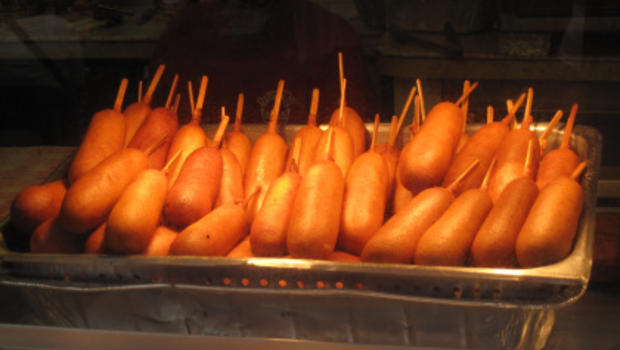
    What is your favorite food? Corn Dogs.

    What do you always have in your fridge? Condiments.

    What do you cook at home? Right now I’m working on my cookbook, so whatever recipe I’m testing. Currently, that means a lot of soufflé.

    What marked characteristic do you despise in your customer? I hate it when people really examine their food, pick it apart, and look at it too long before the eat it. I’m standing right in front of them!

    What marked characteristic do you love in a customer? When people come up after a meal and take the time to say that they loved it.

    Tupperware, Rubbermaid, or Pyrex? Pyrex, I don’t cook in plastic.

    Beer, wine or cocktail? Rosé.

    Your favorite cookbook author? Madeline Kammann.

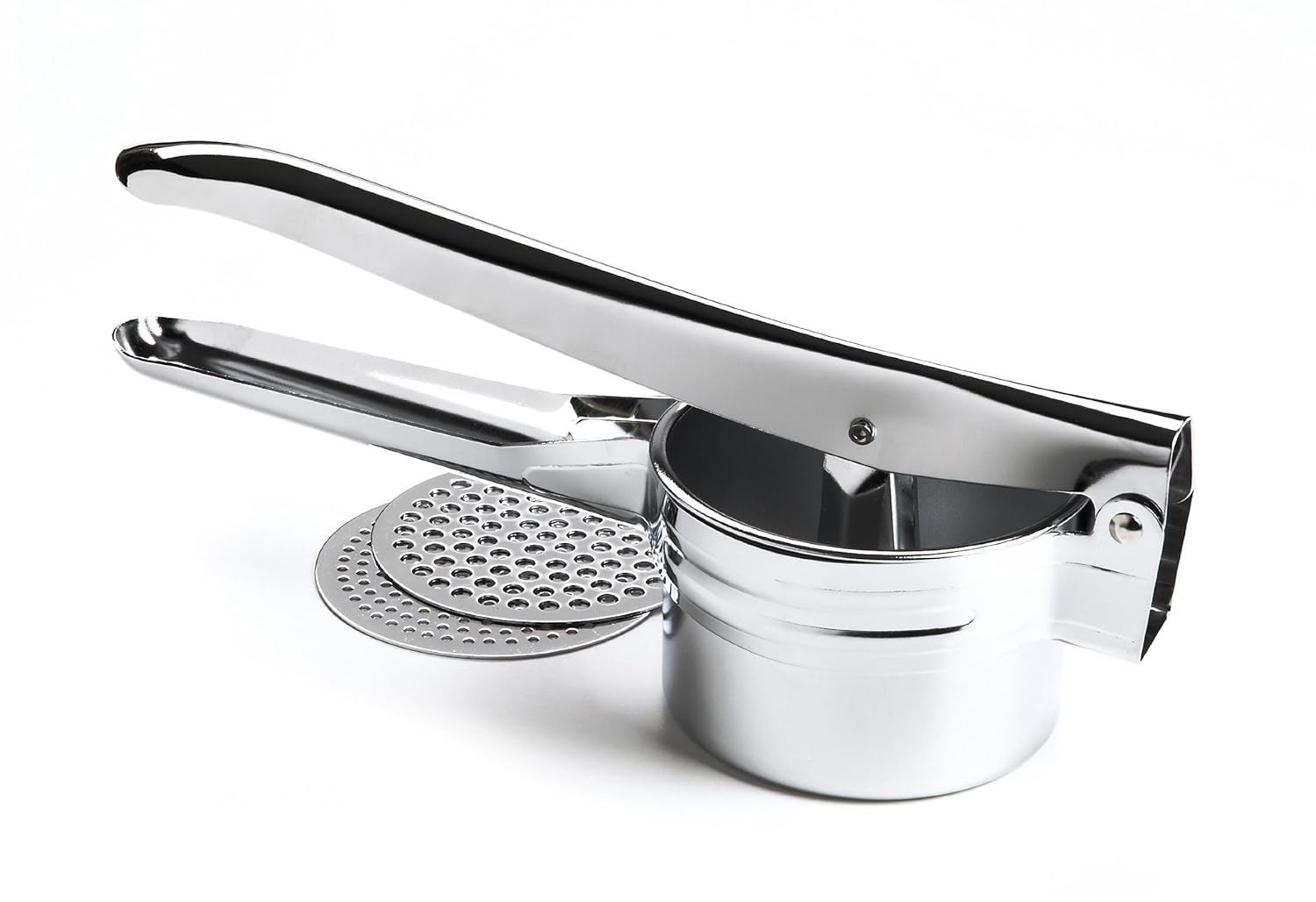
    Your favorite kitchen tool?  Ricer.

    Your favorite ingredient? Demi-glace.

    Least favorite thing to do in a kitchen? Scoop ice cream.

    Favorite types of cuisine to cook? Indian.

    Chef you most admire? José Andrés.

    Food you dislike the most? White pepper.

    How many tattoos? And if so, how many are of food? One. Not food.


    Lacquered Duck Confit with Cracked Green Olive & Armagnac Prune Relish

    Serves 8

    For the spice blend:

    • ½ teaspoon whole black peppercorn
    • 6 whole allspice berries
    • 1 teaspoon coriander seed
    • 4 whole cloves
    • 1/2 stick cinnamon
    • 6 juniper berries
    • ¼ teaspoon freshly-grated nutmeg
    • ½ teaspoon pepper
    • 4 bay leaves

    For the duck:

    • 10-12 duck legs (preferably 6-8 ounces each, from Muscovy ducks)
    • 1 head garlic, cut into quarters (no need to peel the cloves)
    • 1/2 bunch fresh thyme
    • 1 bunch thyme
    • 3 quarts duck fat (more if the duck legs are closer to 10-12 ounces)
    • ¾ teaspoon salt per leg for duck /8 teaspoons

    For the lacquer:

    • ½ cup aged sherry vinegar
    • ½ cup muscovado or dark brown sugar
    • ½  teaspoon salt

    For the relish:

    • 1 cup cracked and pitted castelvetrano olives
    • 1 cup Armagnac prunes, quartered
    • 6 tablespoons olive oil, divided
    • 2 tablespoons shallots, finely minced
    • 1 teaspoon garlic, finely minced
    • 1 generous pinch chili flake
    • ½ teaspoon fennel pollen
    • 1 tablespoon sherry vinegar

    Make the spice blend: In a medium skillet, lightly toast all spices, with the exception of the bay leaves. You will know the spices are properly toasted when they begin to slightly change color and their aromatic oils begin to release a lovely fragrance.

    Add the toasted spices and bay leaves to a spice grinder (or a coffee grinder reserved for this purpose) and finely grind. Shake spices through a mesh strainer to ensure that there are no large, un-blended spices. Re-grind as necessary.

    Make the duck legs: Rinse the duck and dry it well on a paper towel. At the end of the long bone opposite the meaty side, use a sharp paring knife or good kitchen shears to score all the way around the circumference of the bone to cut away any tendon, which helps prevent any meat from tearing. This will create a more beautiful presentation.

    Combine the salt with the spice mix. Season each leg with about ¾ teaspoon of the salt-spice mix, evenly on both sides, and place in a single layer in a 9 x 13-inch casserole dish or Dutch oven. Place the dish in refrigerator overnight.

    The next day, take the duck legs out of the refrigerator and preheat the oven to 325°F. Remove and dry each of the duck legs. Clean out the dish and return the dried duck legs to it. Add the garlic and thyme. In a small saucepan over low heat, gently warm the duck fat. Pour the fat over the duck legs so that they’re completely submerge and covered by at least ¼” of fat. (If necessary, some of the legs can be moved into a second dish and covered in fat, so long as they’re all still completely submerged, meaning that you may need a little more fat.)

    Cut a piece of parchment paper to fit over the top of the dish, then completely cover the top with foil. Place the dish onto a sheet tray to catch any bubbling fat that might spill over into the oven. Place the dish into the oven and set a timer to check on it in one hour. Depending on the size of your legs, they can take anywhere from 1 ½ to 3 hours to cook.

    You’ll know the duck is finished when you carefully remove one leg from the fat and place it on a plate, then, using your tongs, press down with medium pressure at the place where the meat and the bone join in the crook of the thigh. The meat will begin to release easily from the bone.

    When the duck is cooked, remove the foil and parchment and allow the legs to cool for 20 minutes in the duck fat before moving them onto a parchment-lined sheet tray. Reserve the duck fat in a plastic container and place the sheet tray with the legs in the refrigerator overnight.

    For the relish, combine the olives and prunes in a medium mixing bowl. In a small saute pan, warm half of the olive oil over medium-low heat. Add shallot, garlic and chili flakes. Lower heat to ensure nothing gets color. Add fennel pollen. As soon as the shallot and garlic are translucent, after about 5 minutes, remove them from heat and add to the prune and olive mix. Add sherry vinegar and additional olive oil and stir. Set aside.

    On the day of serving, make the lacquer: Pull the duck legs out of the refrigerator and bring them to room temperature.

    In a small saucepan, heat the sherry vinegar over medium-high heat. Add muscovado sugar and salt and bring to a boil until slightly thickened, 3-4 minutes. Set aside.

    If this mixture has thickened too much upon cooling, add a splash of sherry vinegar. Its consistency when hot should be slightly thinner than honey (when room temperature it should be thicker, but still brushable). Leave this out at room temperature; it will harden it it gets too cold.

    Preheat oven to 400F°. In each of two medium-sized nonstick or cast iron (oven-proof) pans, heat 2 tablespoons of the duck fat used to confit the duck over medium-high heat. Sear the duck legs, skin side down, weighing them down onto the pan with a heavy plate, until golden brown, approximately 1-2 minutes. Check frequently for an even, golden brown, crisp surface. Remove the plate and flip the legs.

    Brush the legs with a thin layer of the lacquer. Add about ¼ cup water to the bottom of each pan to prevent the sugars from sticking. Move the pans to oven and cook until the lacquer is bubbling, 5-6 minutes.
    Remove the pans from the oven and serve immediately. Serve with cracked green olive & Armagnac prune relish.

     – The End. Go Eat. –
  • i8tonite: Sex on The Table’s Chef Fed Comes to Los Angeles: Recipe for Brie Fondue, Smoked Duck and Apricots

    i8tonite: Sex on The Table’s Chef Fed Comes to Los Angeles: Recipe for Brie Fondue, Smoked Duck and Apricots

    Chef Fed: Photo Courtesy of Chef Fed
    Chef Fed: Photo Courtesy of Chef Fed

    Chef Fed made a culinary name for himself in New York City. Teaching and pairing wines under the pop-up moniker of Sex On the Table, a showcase of edible aphrodisiacs,  he established a considerable following among the discerning palates of the nation’s Big Apple. He’s even garnered a lot of media attention appearing on Chopped, The Today Show, E! News and profiled in Cosmopolitan, New York Daily News and Maxim to name a select few.

    Now, the city  of Los Angeles will have the opportunity to dine on Chef Fed’s noted cuisine. Every Friday and Saturday evening, over the next two months, Chef Fed – whose real name is Juerg Federer – is cooking at his pop-up, Fedish, in the former Scratch|Bar Space on Beverly Hills Restaurant Row. It will be an opportunity for Angelenos to dine on the food of who may be the next rising star on the world’s gastronomic stage.
    Chef Fed
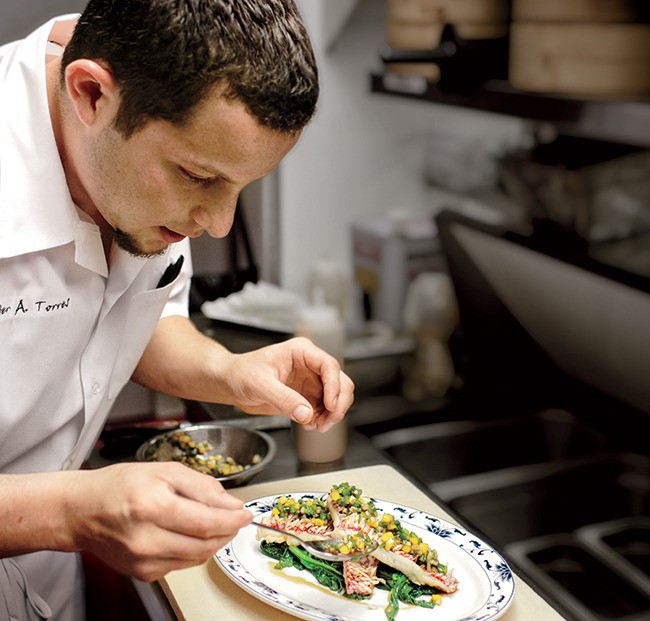
    Chef Fed

    Chef Fed’s background and cooking credentials are so appetizingly delicious that without tasting his food but viewing the planned menu, there should be no hesitation in paying for your dinner in advance. Born in Switzerland, Chef Fed attended European culinary school. He then went to work with two Michelin-starred chefs (see below), one who helmed the kitchen at the greatest restaurant in the world – heads to New York City to ply his trade; then, needs change. Warmer weather and close proximity to California’s famed agriculture brought the trained European cook to California. Of course, the story also conjures other notable immigrant chefs who traveled to the West Coast such as Christophe Eme, Wolfgang Puck, Joachim Splichal, Piero Selvaggio, and Ludo Lefebvre. There is no question the five-course tasting menu will be worth the $75 price of admission (an extra $49 for wine pairings) . Where else are you going to have a New York dining experience cooked by a famed European chef in the balmy weather of Los Angeles?

    Angelenos will have the opportunity to partake of his cooking class, Sex on The Table. It’s a new year so do something new, fun and exciting. Besides, Chef Fed is very smart, funny, talented and resembles a cooking Gabriel Aubry when in the kitchen.  What more do you want?

    Chef Questionnaire with Chef Fed:

    Brie Fondue: Courtesy of Chef Fed
    Brie Fondue: Courtesy of Chef Fed

    How long have you been cooking? By the time that I was tall enough to overlook my mom’s kitchen counter, she wasn’t safe anymore. I graduated from culinary school 15 years later. And that was exactly 20 years ago.

    What is your favorite food to cook? It changes with the seasons. But I certainly have a thing for dishes that develop over a long cooking time. What never changes is my childish excitement for super fresh, sustainable and organic ingredients.

    What do you always have in your fridge at home? Besides a light bulb and a box of baking soda, there are always some fresh limes, ginger and unsalted butter (the real one).

    What do you cook at home? For my next cookbook, I’m actually developing all the recipes at my house because I want to create the recipes in the same environment as my readers will cook them. When I cook for myself, I focus on greens, grains, and beans. And the occasional Swiss Cheese Fondue with my girlfriend…

    Chef FedWhat marked characteristic do you love in a customer? I love it when they’re adventurous eaters. The most exciting customer for me is the person that knocks on my kitchen door and says: “Hey Fed, me and my friends are hungry. We eat everything. Here’s my credit card, we’ve got to be somewhere in 2 hours…”

    What marked characteristic do you find unappealing in a customer?It can be tough when the customer thinks in boxes. When you’re basing your expectations on your experiences, you stop creating. That’s true for chefs and customers alike.

    Tupperware, Rubbermaid, or Pyrex? You’ve got to love it when a brand a becomes so dominant that even their competitor’s  product takes on their name: Tupperware.  My company’s called Sex on the Table, so a rubber has different uses in my vocabulary. And Pyrex, I mean I love German engineering, but that applies more to my car than to my kitchen utensils. I’m going with Tupperware on this one. It reminds me of home.

    Beer, wine or cocktail? Yes please, exactly in that order.

    Chef Fed 2Your favorite cookbook author? My mother is pretty cool. Her last cookbook was on vegan cuisine, though. That’s a tough sell with me. But she autographed it for me.

    Your favorite kitchen tool? My Bob Kramer knife. Don’t even think I would ever let you touch it.

    Your favorite ingredient? Agave Nectar, Fresh Lime Juice, and homemade chicken stock share the win for this one.

    Your least favorite ingredient?  Everything genetically modified, especially canola oil.

    Least favorite thing to do in a kitchen? Cleaning the freezer tops my most hated list.

    Favorite types of cuisine to cook? I was born and raised in Zurich, which comes with a weird mix of Mediterranean style and Bohemian precision. I believe that, even though I traveled far and I explored a lot, when you get to the bottom of it you will always find that little boy in me that was surrounded by French and Italian chefs growing up.

    Beef, chicken, pork or tofu? What the hell is tofu? It makes your manhood go away, did you know that? It’s a testosterone killer. A Rib Eye from Flaca Vaca farm in upstate New York would be my last meal on earth.

    Favorite vegetable? My favorite vegetable is a flower: The artichoke, where the heart’s the best.

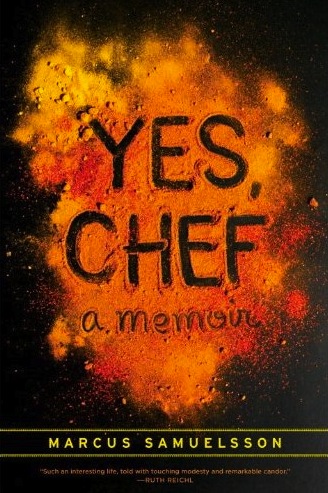
    Yes-ChefChef you most admire? My first executive chef has no fame, and he’s still cooking the same menu from 20 years ago. His name is Meinolf Zarnitz, and he had a huge impact on me. But you probably want to hear some celebrity names. I have a lot of respect for Marcus Samuelsson. His book “Yes Chef” made me cry twice.

    Food you like the most to eat? I’m on a lifelong quest for the perfect burger. They’re so relaxing to me that I never put them on any of my menus.

    Food you dislike the most? Ever been to McDonalds?

    How many tattoos? And if so, how many are of food? I don’t know, can you eat a lion?

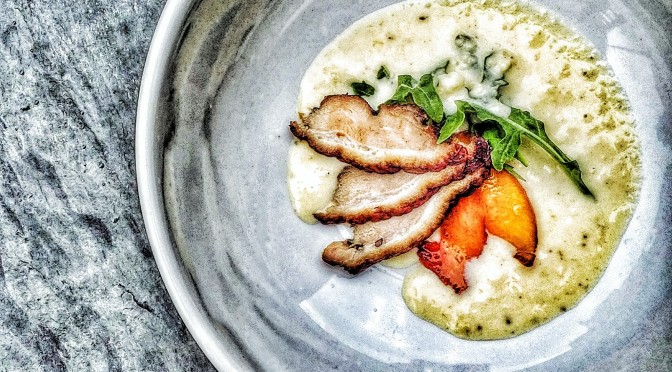
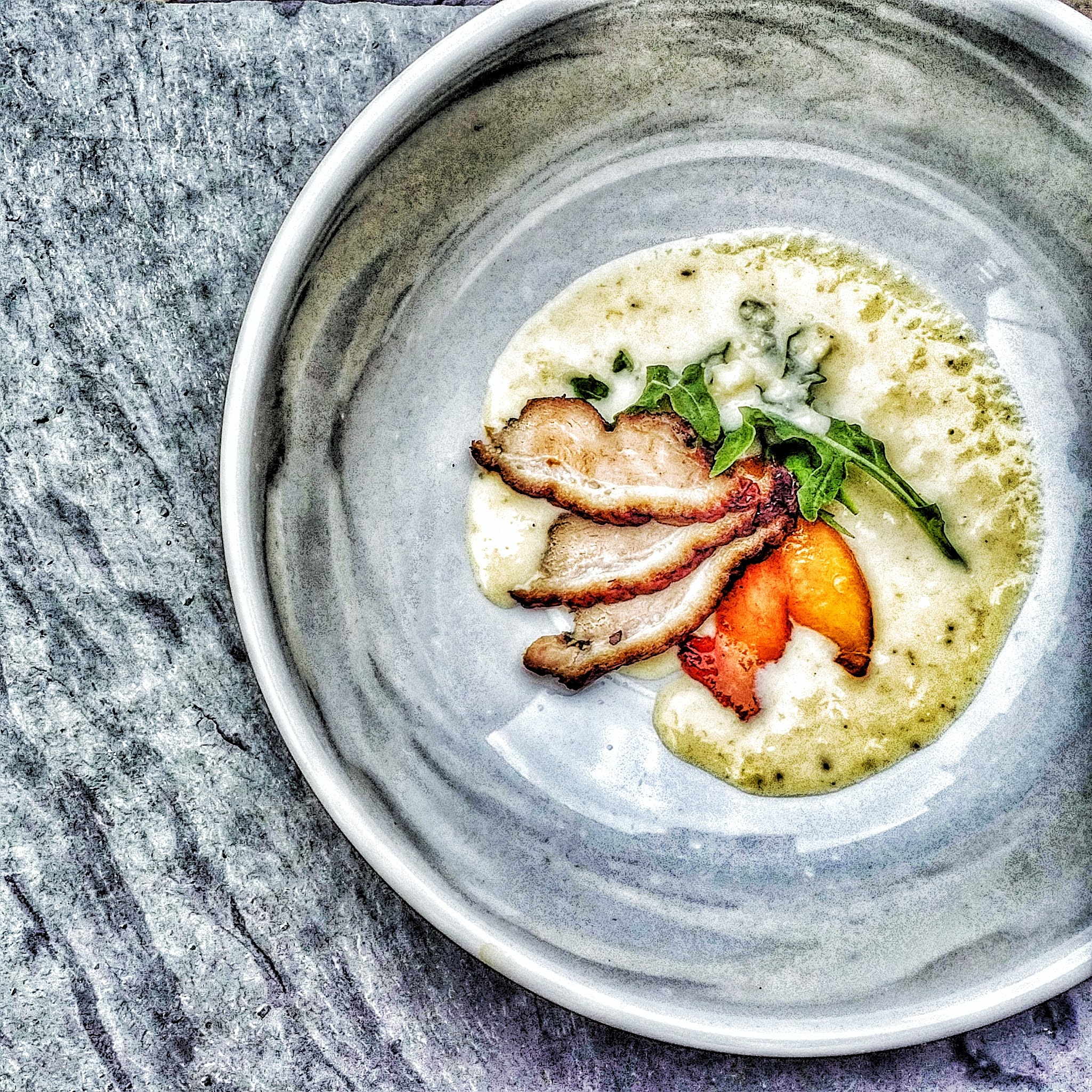
    Recipe from Chef Fed: Brie Fondue with Grilled Apricots & Smoked Duck (Serves 2). 

    • Grilled Apricots
    • 1 apricot (can be frozen and may be substituted with Peaches or Red Pears)
    • 1 tsp champagne Vinegar (or any other white acidity that you may have handy)
    • 1/8 tsp chili Flakes
    • 1/2 tsp honey
    • Nutmeg
    • Cut the fruits in wedges, marinate in the seasoning, then dry roast them in a skillet or on the grill. Set aside.

    Brie Fondue

    • 1/2 Cup dry white wine
    • 1/4 lbs. Brie
    • 3 oz. Mascarpone
    • Black Pepper, coarsely ground
    • Nutmeg
    • 1 sprig of mint cut to Chiffonade
    • 1/2 Breast of smoked Duck (hey, if you have leftover chicken breast or a little bit of chorizo, feel free to substitute the duck. What you’re looking for is smokiness… Did I mention thick cut bacon?)

    Bring the wine and the spices to a boil. Melt the brie and mascarpone without boiling them. Keep warm. Before serving, slice the duck breast and pour the fondue in a soup bowl. Plate the fruits. Arrange the duck in a fan shape on top. Garnish with mint chiffonade.

    The End. Go Eat.

  • i8tonite: with Chef Jamie Lynch, Charleston’s 5Church & Broiled Oysters with Polenta and Quail Egg

    i8tonite: with Chef Jamie Lynch, Charleston’s 5Church & Broiled Oysters with Polenta and Quail Egg

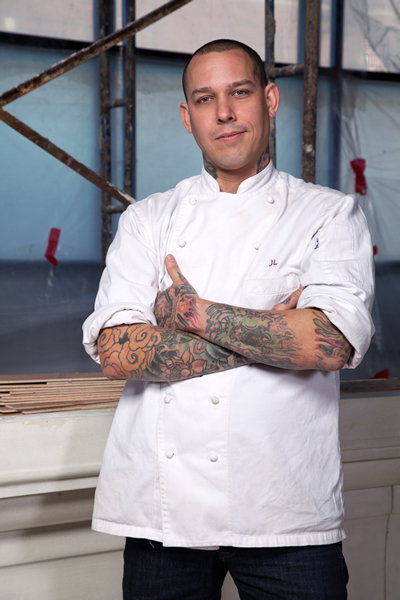
    Chef Jamie Lynch, 5Church Charleston
    Chef Jamie Lynch

    Jamie Lynch is a New York native and graduated from New England Culinary Institute in Burlington, Vermont. He has worked at New York Time’s 4 star Le Cirque 2000 Restaurant in The Palace Hotel, Aureole under Charlie Palmer and Daniel Boulud’s Café Boulud, and Touquevillle Restaurant in Union Square. Reflecting on his years cooking in NYC, Jamie notes, “At that time we had an all or nothing approach to cooking, we ate, drank and slept food. It was ether the very best we could do or it was garbage.” Chef Jamie has anchored some of Charlotte’s most notable restaurants such as Blue with Chef Gene Briggs and Barrington’s as Bruce Moffet’s Chef De Cuisine, and garnered many accolades such as being Voted BEST CHEF in 2013, 2014 and 2015 in Charlotte Magazine’s BOB (Best of the Best) Awards.

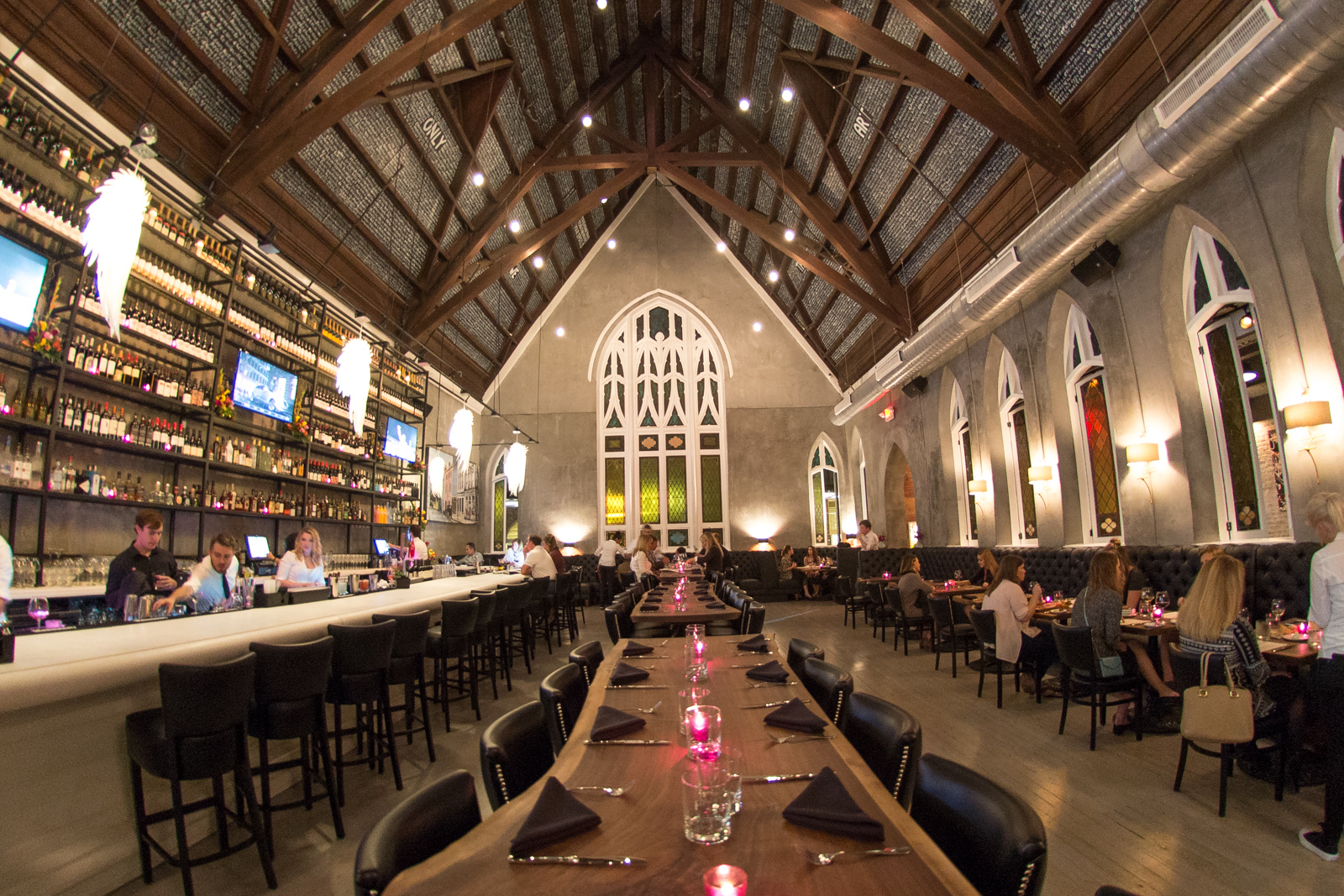
    Chef Jamie recently moved to Charleston in 2015 to serve as 5Church Restaurant, CharlestonExecutive Chef of 5Church Charleston. 5Church Charleston is a new restaurant in a historic old church (Church of the Redeemer and Harriott Pinckney House) in downtown’s bustling Market Street district. The restaurant’s elaborate, modern décor features awe-inspiring stained glass windows, a white concrete bar, black leather banquettes, eye-catching chandeliers, large-scale pop-art, and hand-painted written verbiage of Sun Tzu’s “The Art of War” on the church ceiling. The restaurant’s award-winning food, top-rate service and nationally-acclaimed design will mimic its sister property in Charlotte, N.C., which opened in 2012. Be sure to visit for the Sunday Brunch – swoon!

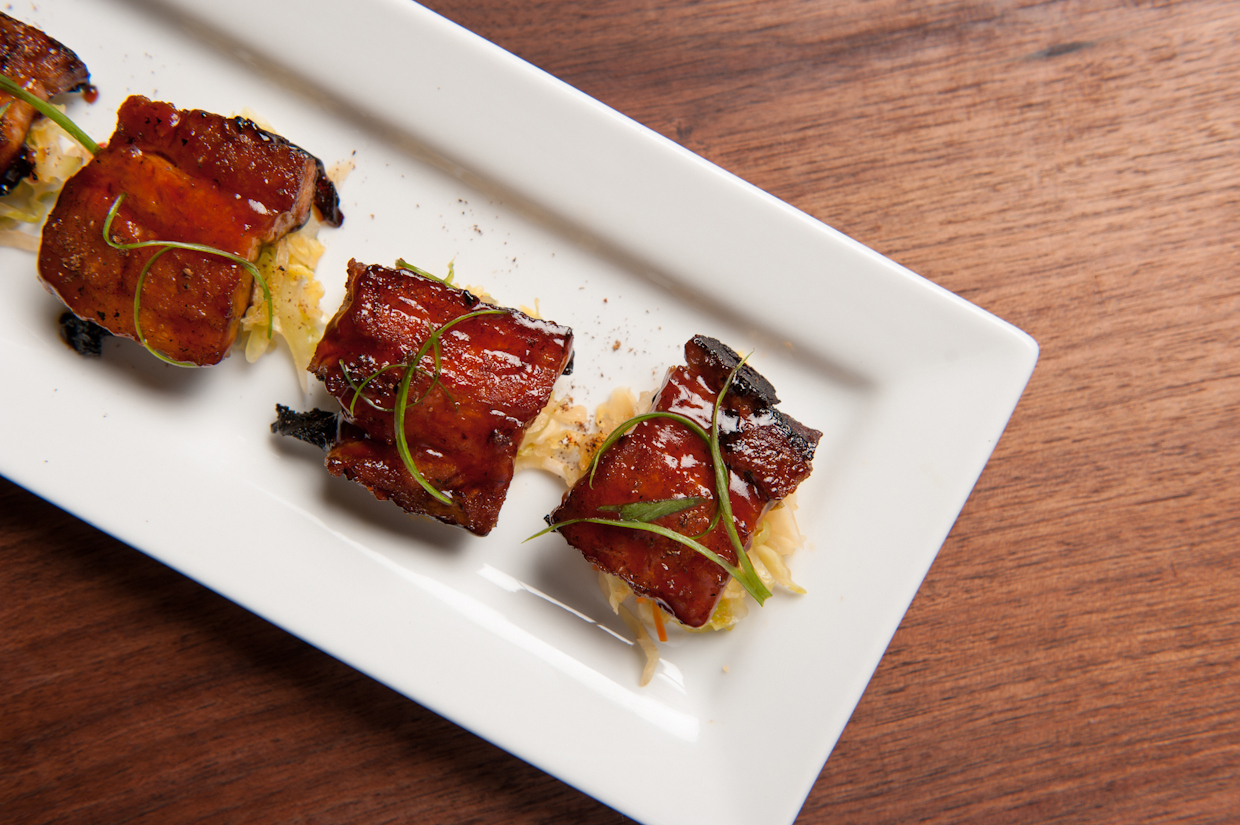
    Crispy Szechuan Pork Belly, 5Church, Charleston
    Crispy Szechuan Pork Belly


    Chef Questionnaire from Chef Jamie Lynch:

    How long have you been cooking?
    I started cooking at the age of 16 at a small bar and grill. I have been at this for 24 years.

    What is your favorite food to cook?
    I really enjoy cooking fresh pasta. Pasta when cooked perfectly is the perfect vehicle to deliver a wide range of flavors to the palate in a most satisfying way!

    What do you always have in your fridge at home?
    Hot Sauce… all makes and models. It is my favorite condiment by far!

    What do you cook at home?
    Frozen pizza, if anything at all. I do all of my cooking at the restaurants and there is rarely time for a proper meal at home.

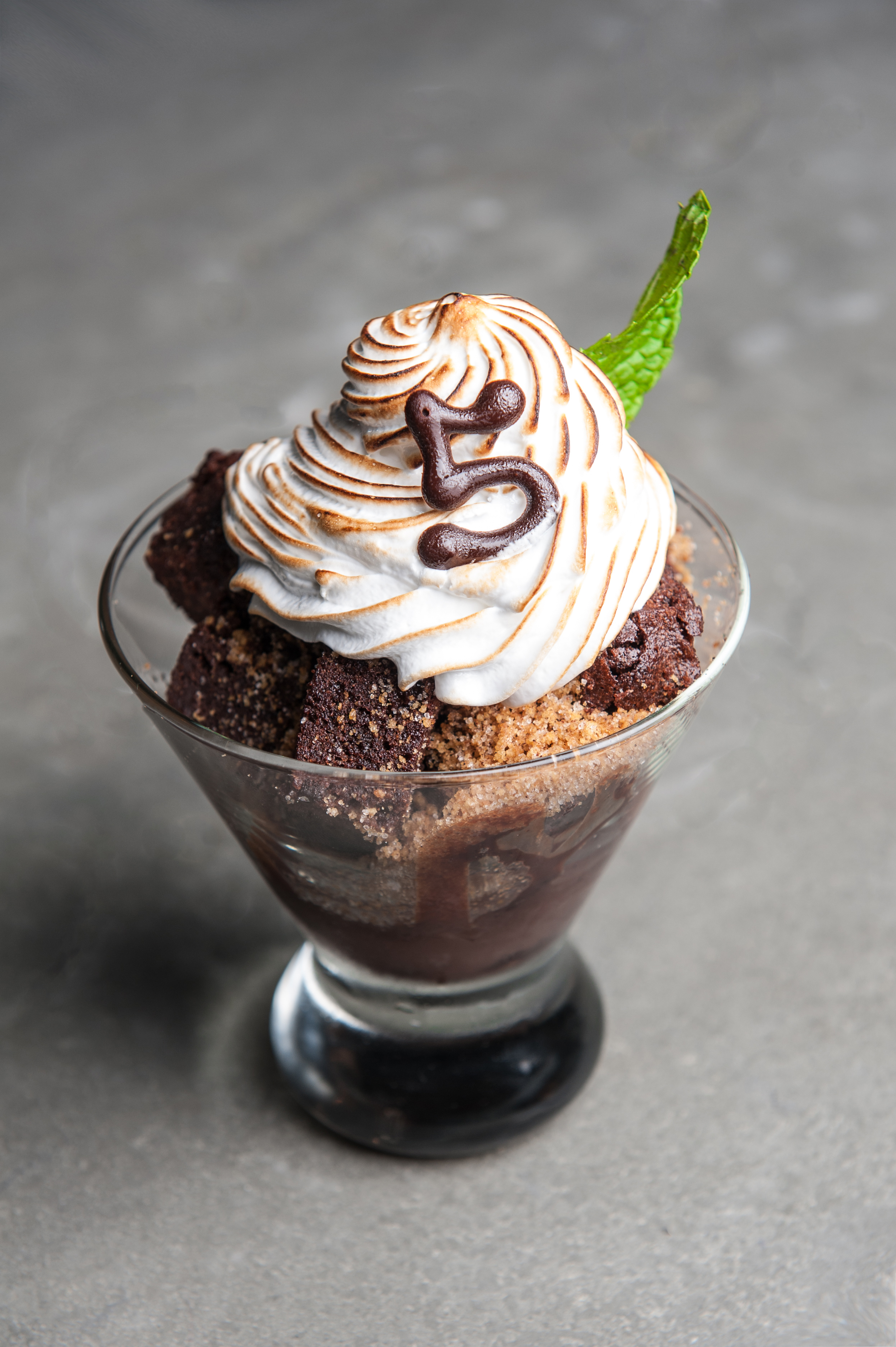
    S'mores Trifle - 5Church Restaurant, Charleston
    S’mores Trifle

    What marked characteristic do you love in a customer?
    It’s a toss-up between open mindfulness and patience. The open minded guest can appreciate the fun and interesting things we do with food while the patient guest will understand to cook at an excellent level takes time.

    What marked characteristic do you find unappealing in a customer?
    Rude or unpleasant. I do not like guests that are rude to their servers or bartenders. Dining out is supposed to be a fun and enjoyable experience.

    Tupperware, Rubbermaid, or Pyrex?
    Rubbermaid

    Beer, wine, or cocktail?
    Wine and beer usually – I’m a purist when it comes to booze, so I like my liquor to taste like liquor.

    Your favorite cookbook author?
    Andrew Carmellini. He taught me everything I know over the years, so I’m biased.

    Your favorite kitchen tool?
    A heavy, deep welled spoon that holds about an ounce is the most versatile tool.

    Your favorite ingredient?
    I am very fond of Ramps!

    Your least favorite ingredient?
    Salmon

    Least favorite thing to do in a kitchen?
    Leave! I find myself lingering around well after my “shift,” either talking with my staff about food or restaurant experiences they have. Those are the interactions that inspire what I do!

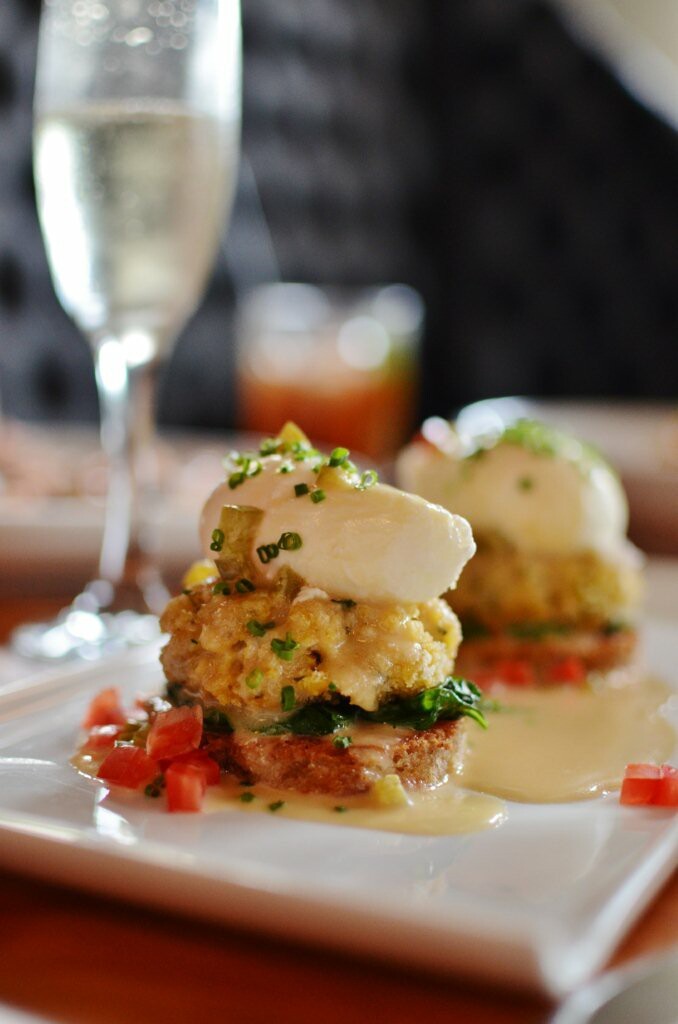
    Crab Cakes Poached Eggs, 5Church, Charleston
    Crab Cakes Poached Eggs

    Favorite types of cuisine to cook?
    My own style of cooking is rooted in traditional French and Italian technique, but “New -American” is the label that best suites my cuisine.

    Beef, chicken, pork, or tofu?
    Pork

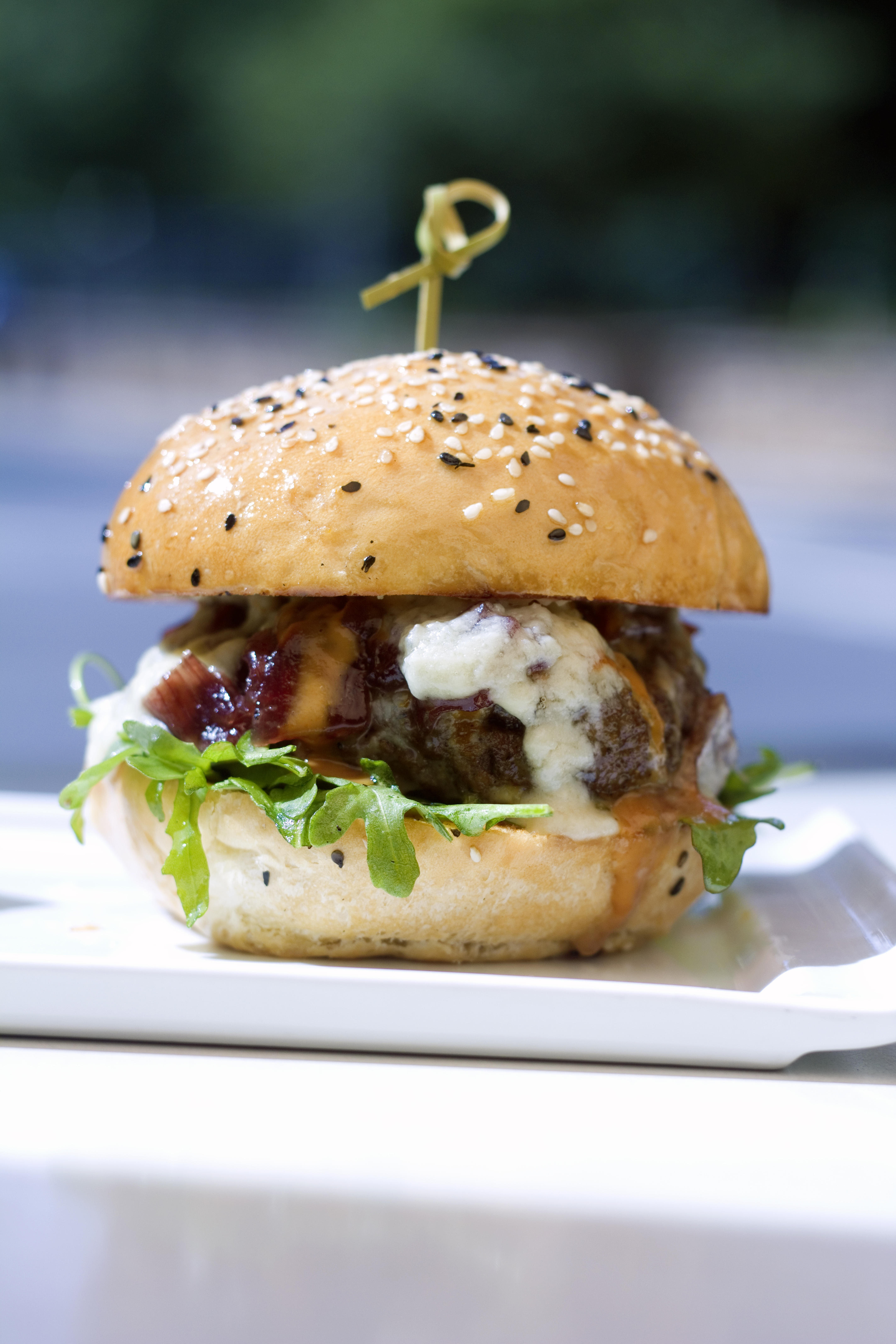
    5Church Lamb Burger, Charleston
    5Church Lamb Burger

    Favorite vegetable?
    I was the Entrmettier at Le cirque 2000 and Cafe Boulud, I have a deep affection for fresh vegetables. I couldn’t pick one.

    Chef you most admire?
    Andrew Carmellini

    Food you like the most to eat?
    Anything traditionally ethnic. In Charlotte, N.C. we have really good Vietnamese, and one particularly good Korean joint.

    Food you dislike the most?
    Salmon Roe. It is the seed of salmon, which i can’t stand, so the egg has to be worse.

    How many tattoos? And if so, how many are of food?
    Too many to count. They have sort of melded into one giant one. None of them are of food items specifically but more tell the story of my life in kitchens through imagery.
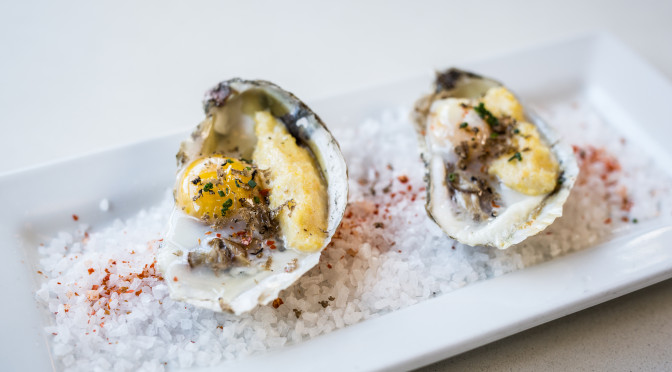
    Broiled Oysters with Polenta and Quail Egg

    Yields: 2 servings

    Ingredients:
    6 oysters, shucked on the half shell
    1 cup cooked creamy polenta, preferably Anson Mills
    6 quail eggs
    6 dashes black truffle oil
    1 small black truffle
    Bull’s Bay Red Mash Sea Salt

    Directions:
    1. Preheat broiler in oven.
    2. Cut aluminum foil into 8-inch pieces, and twist ends to create rope. Form into circle-shaped holder to hold the oysters in place, and put into oven-proof dish. Set oysters in dish.
    3. Spoon ½ -ounce of polenta onto lip of each oyster to create a little dam, then crack quail egg on other half of oyster to completely cover.
    4. Place oysters under broiler with 6-8 inches of clearance from heat. Bake until quail eggs are just set, approximately 4 minutes or until the quail eggs.
    5. Remove oysters from oven and put a drop of truffle oil. Shave truffles with microplane, and place shavings on each oyster. Sprinkle with Red Mash Salt and serve.


    The End. Go Eat.