Category: Classic dishes

  • I8tonite: Media Maven Jennifer Magley & Her Grandmother’s Delicious Rolls

    I8tonite: Media Maven Jennifer Magley & Her Grandmother’s Delicious Rolls

    When I first met Jennifer Magley at an event, she offered huge smiles, genuine warmth, displayed a brilliant fashion sense all while listening to an old fart (me) prattle on about nonsense. That very morning, her company downsized leaving her without work. To her credit, she showed grit and resilience by coming out to make new acquaintances instead of staying cooped up, feeling sorry for herself, which is what I would have done. 

    Born in Kansas, Magley attended the University of Florida and was a scholarship athlete at IMG Academy under the direct tutelage of renowned tennis coach Nick Bollettieri. While in college, Magley became the number one ranked NCAA Division, Singles player in the country, a four-time All-American, and the Arthur Ashe Jr. Sports Scholar recipient. As a member of TEAM USA, Magley represented the United States in over 14 countries. After graduation, she competed professionally on the WTA Tour before being named Associate Head Coach at Wichita State University. With many accolades and recognition, she became the nation’s youngest NCAA Division head coach at Florida Gulf Coast University. 

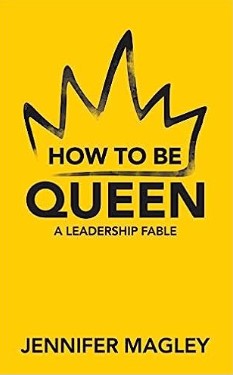
    She has written two books, with her debut novel Division I, released in 2014, spotlighting issues that affect female collegiate athletes and, in 2021, How to Be Queen-A Leadership Fable, about the power of imperfect leadership. 

    Today, with national media coverage, from USA Today, CNN, ESPN, Foundr Magazine, and US News & World Report, she is a successful Keynote Speaker and High-Performance Coach, having spent over a decade as a recruiter and helping successful people become their best. Additionally, she started Magley Mass Media, where she promotes women, including her mother, Evelyn Magley, the first Black woman to head a men’s professional basketball league. Her father, a former pro player with the Cleveland Cavaliers, Dave Magley, was the former commissioner of the National Basketball League of Canada and now is the president and chief operating officer for the North American Basketball League. 

    Between her sold-out luncheons, writing, speaking, and being just a media superstar, Magley graced us with answers to i8tonite questions and a time-honored yeast rolls recipe.

    Why did you start Magley Mass Media? 

    In March, my full-time role as a technical recruiter laid me off and launched Magley Mass Media. I just looked at my phone and it says I started doing my thing on April 18th full time.

    What gives you the greatest joy in working in this space? 

    For most people, the reality is that no one knows your name; I help change that through 90-day Media Mastermind Groups. My greatest joy is seeing the folks I partner with land more media, connections, and onstage opportunities. People need to know you exist and that you have expertise.

    What is your favorite thing to do around your company? 

    Finding new ways to surprise and promote the people I work with. I deeply believe that over-performing is such a gift. It’s a joy to be able to see my clients light up.

    Could you tell us about your favorite inspirations? 

    There have been a lot of people who have sacrificed in my bloodline for me to be where I am today. I have descended from slaves and slave owners, immigrants, and orphans. That’s positive motivation. On the flip side, there are a handful of men that have taunted me with their money and arrogance. Hard to say which inspires me more.

    What are your favorite things about the Midwest? 

    The people. Indiana has been rated by the IEDC as one of the best places in the country to begin a business. That proves to be true. I was born in Kansas, so that’s why I probably say the people. Secondly, cost of living.

    What is your favorite regional city and why? 

    This is unexpected but Cincinnati, that counts right? They have done so much to develop their downtown, especially Over the Rhine, with restaurants and shops. They have a bit more elevation than Indianapolis and it really is such a lovely place, and the food is fantastic.

    Where is your favorite place to eat and why? 

    VIDA. (It’s a) Cunningham property, however it is a chef’s restaurant, so it is not a chain. This is where we go for special occasions because of their four-course dinner. Chef’s kiss. I’ve had literally everything on the menu and their consistency is unmatched for fine dining in Indy.

    What do you have in the fridge currently?

    Oatmilk. Organic Eggs. Champagne. Organic Greens. I want to be bourgeois.

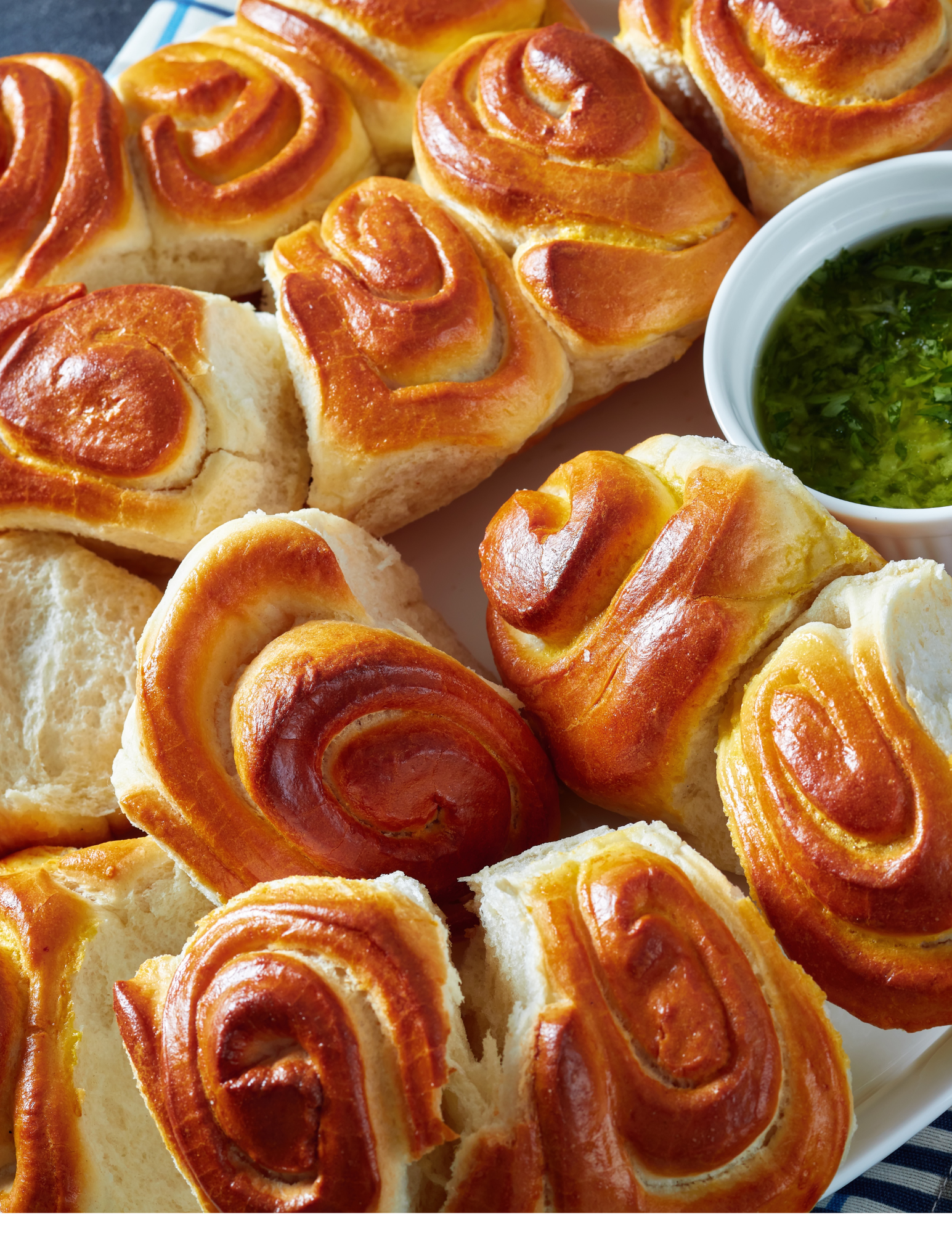
    Jennifer Magley’s Grandma’s Yeast Rolls 

    Ingredients

    4 – 5 cups all-purpose flour

    2 cups hot water

    ⅔ cup sugar

    ½ cup of liquid Crisco or any liquid cooking oil

    3 eggs

    2 packages yeast, Rapid rise or day (3 if you are in a hurry)

    Cupcake pans, greased and floured

    To Make: 

    Pre-heat oven to 375° to 400°depending upon oven. Mix hot water, oil, sugar and eggs. Stir until sugar is dissolved. If you use rapid rise yeast, sprinkle in liquid, then let it dissolve waiting a few minutes. Stir. Add about two cups of flour and stir adding more flour on the right consistency for kneading. You may put a kneading board on the counter-top. 

    Knead very little, just enough to roll out and cut. If you don’t have a biscuit cutter, use a cup to cut out two circles and a half. Fold the circles in half and add the half-circle into the greased and floured cupcake pans. Pinch the edges together. Brush with melted butter and let rise until they look right for baking. (Forty-five minutes to an hour). 
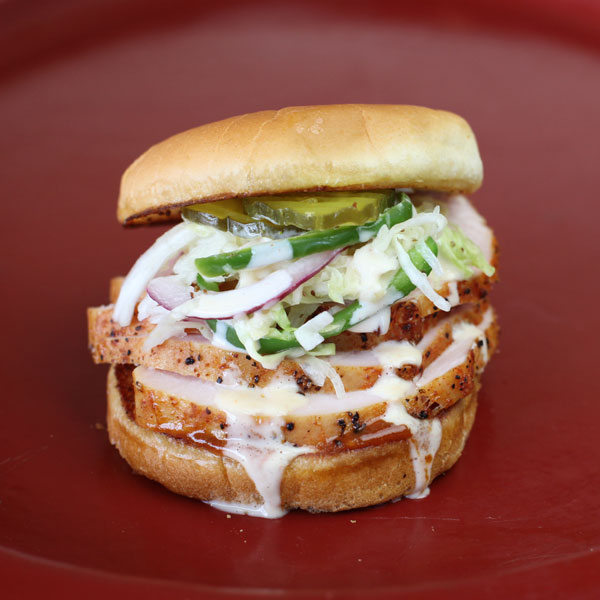
    “This makes for the rolls to be very lovely in shape and fashioned to pull apart.”.

    Jennifer Magley

    Bake for 10 minutes or until brown, brush with butter again when removed from oven. 

    Cinnamon Rolls: Simply roll out as you do for rolls. Brush with butter. 

    Mix brown sugar, white sugar, cinnamon, raisins and nuts. Roll up the dough into a log. Let rise.

    I8tonite

    We may make a small commission on the links.

  • I8tonite Learns from IG Entrepreneur Abby Breece

    I8tonite Learns from IG Entrepreneur Abby Breece

    Thrifting, Parenthood and the Joys of Living in Indy; Plus, a Spicy & Sweet Hand Tart Recipe

    Breece, at home, with a few of her finds.

    I first met Abby Breece, 36, and her husband, Eric, as neighbors when Nick and I moved to Indianapolis. The mid-thirties duo allowed us to glom onto them since this was my first time living anywhere in the Midwest, and they knew a Midwestern newbie when they saw one. Together, we wandered around Massachusetts Avenue in Indy, bar-hopping before their baby was born. They met our respective families, we met theirs, and we joined their “Covid-19 circle” during the early days of the pandemic. We even went to Chicago together, eating in some stellar places while touring the city. 

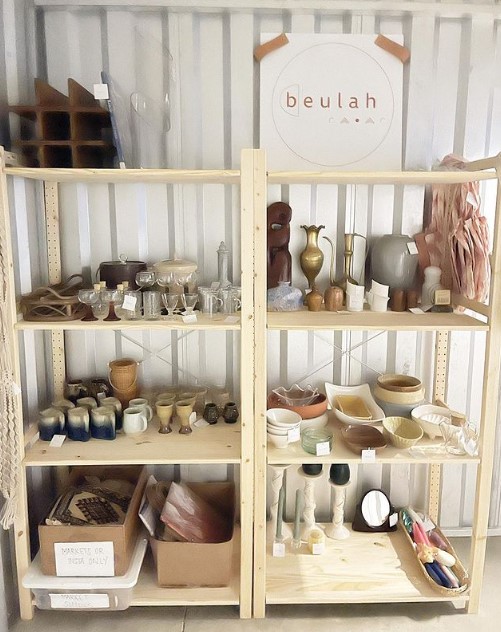
    A native Hoosier, Abby, maintains a thriving practice as a licensed marriage and family therapist. On the side, she created an online vintage Instagram shop called Beulah, named after one of Eric neighbor’s growing up in Traverse City. As she says on her Instagram store, “(Eric) remembers Beulah’s home filled with rattan, wicker and other furniture from the sixties and seventies. After we got married nine years ago, he saw me follow suit, bringing home thrifted furniture from the same era and affectionately (or not, I’m not really sure referring to (my purchases) as “more Beulah.”  

    An empathic healer during the day, and in her free time, using Beulah Vintage as a creative outlet. Her company of four years sells on a single social platform, and the business thrives. Active 2: She sourced and curated items for her store over the past year, opened a small kiosk in the Lux & Ivy Shop located in the hipster area of Broad Ripple, appeared on a TV segment in the area, and occasionally sells in local outdoor markets.

    Items at her mini Beulah in Broad Ripple at Lux & Ivy.

    Somewhere through all of this, she gives back to the community by volunteering for the Friends of Martin Luther King Jr. Park, a neighborhood volunteer initiative that helps to beautify the city’s neglected memorial green space. 

    And then she bakes. Delicious cookies. Holiday pavlova. Banana bread. 

    We inserted ourselves into Abby’s busy life to learn more about this new mom, her life and where she finds inspiration with i8tonight Questions.

    I8tonite: Tell us about yourself. Where were you born, and what does a typical day look like? I was born in Indianapolis. My mom was an elementary education teacher, and my dad was in shipping logistics.

    A typical day includes recent motherhood stuff. That means a lot of feedings every few hours and dog walking. Still, when I’m not doing that, I’m sourcing online or in person for stuff for Beulah or doing inventory.

    I’m also a licensed marriage and family therapist in private practice. And I’ve done that since officially 2016.

     Why did you start Beulah?

    I didn’t start it intentionally, but it came out of the joy of liking to source and thrift vintage and, honestly, inexpensive items while I was in college and as I grew into my career. And so that became a hobby for me, and I wanted to share it with others.

    Instagram was a big platform that I could use. I started doing it on there, and it’s taken a lot of different shapes, sizes and evolutions over the years, but that’s where it began. I’ve wanted to keep it unencumbered without a third party. That’s been how I’ve done it, but I don’t say we’ll always be like that. It’s just like that right now.

    What gives you the greatest joy with Beulah?

    It is the sourcing. Going out and thrifting without an agenda, especially when traveling. Not looking for something specific, but finding that one-of-a-kind thing. It feels freeing. 

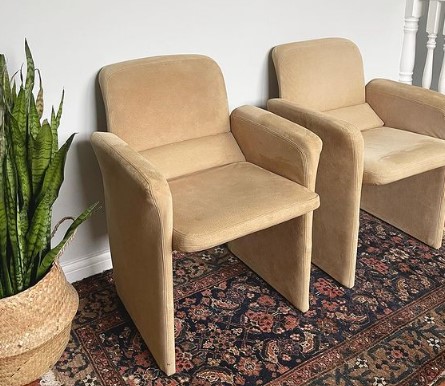
    Sculptural Dining Chairs for sale on Beulah.

    What is your favorite period in interior design? 

    Eighties post-modern. I really like things like Formica or lacquered finishes when used tastefully. Things like faux marble, for instance. I have a console table right now that’s faux marble. It’s Formica, but there’s something about it – that I don’t know – I like the texture. Sometimes the versatility that certain textures are easier to care for, clean and maintain than marble. Sometimes I like the utilitarian surfaces of 80s post-modernism. They’re easier to keep clean, even fake brass. If not done right, they can look really gaudy, but I think tastefully done, it can be like a chef’s kiss.

    Tell us about your favorite inspirations and who inspires you. 

    When I talked about different textures, it’s a bit of following the muse and not trying to be too specific. I try to be very open-minded to find my inspiration. I won’t find something if I’m looking too hard for something. I could miss out on something else that could give me inspiration. It is about timing and not having the blinders on too much. So usually, that takes the form of different textures that I like. 

     I’m really into tessellated stone, suede, or leather, which could be a specific color I’m feeling right now. I honor that, follow those whims, and trust that people will follow. 

    For people who inspire me, my friend Gretchen with Mama Ochre. Her compass is very much like her heart. She trusts her own taste and style and, always shows up for her work and won’t do it if it’s not genuine or authentic to her. And so I’ve always really liked that about her and her business; it doesn’t feel fabricated or fast fashion. It’s sincere and vulnerable. You can always see her when you see her work, so I’ve wanted to emulate something similar with Beulah and myself.

    What are your favorite things about living In Indy?

    I was thinking about this yesterday. I love the urban culture in Indy. It’s very walkable and still a small town, meaning you can access most things without having to be on a waitlist for months for new restaurants or stuff like that. Many people are really approachable and friendly and want to be engaged. It’s that Midwest nice. And for me, there’s definitely a familiarity since this has been the one place I have lived and done life, so there’s a comfort here.

    What is your favorite city and why?

    I really like Golden, Colorado. The backdrop is beautiful with mountains. It’s a quaint small town with delicious restaurants and bars but lovely scenery with rivers. It’s outside Denver, so it’s less noisy but still within the metropolis. Some good food and shops.

    You and your husband are new parents. What is your favorite place to walk or stroll in Indiana with the baby?

    The Monon Trail has always been my favorite. There are many restaurants and shops accessible from it, and you feel unencumbered by traffic. That’s the main reason I like it because you don’t have to stop at every street for a traffic light; there might be a crosswalk or two. And it’s surrounded by nature and a lot of trees. It feels like you’re in your own little world. When Eric goes to the office, I take Huck and Rooney in the stroller for a walk. I stop at Breadworks or someplace place afterward for iced tea. Or a coffee shop I last visited a while ago and get something on the way home. It makes me happy and gets me out of the house. A new and little tradition.

    What do you have in the fridge currently?

    I have a giant pitcher of iced coffee. A lot of things to make meal prep easier. Our grab-and-go stash of hard-boiled eggs and pickled bologna. (I want to be clear. That is not for me because it’s disgusting. My mid-northern Michigan husband loves the stuff.) And cookie dough. Always cookie dough.

    Adapted by Abby Breece

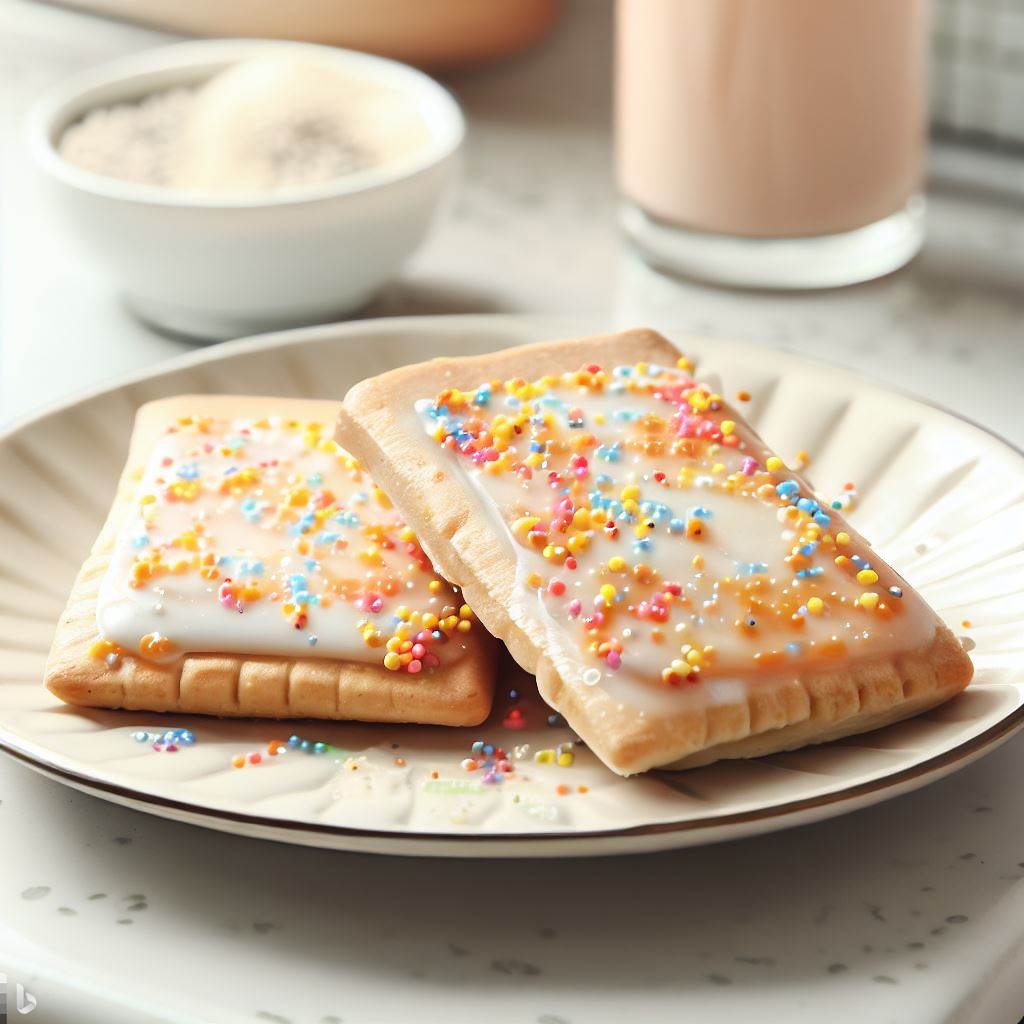
    Spicy Apricot Pop Tarts.

    How to Make this Puppy! 

    1 stick butter, softened

    1/4 cup sugar

    1/4 cup almond paste

    2 large eggs

    1 tsp lemon juice

    1/4 tsp almond extract

    1/2 tsp vanilla extract

    1/4 tsp salt

    1/2 cups flour

    1 lb. pre-made pie dough

    1/4 cup apricot jam

    1 1/2 cup powdered sugar

    TOPPING

    A dash of red pepper flakes

    About 2 tbsps. milk

    Sprinkles

    Preheat oven to 400, then line a baking sheet with parchment. Put it to the side until ready to use. 

    In a large bowl or bowl of a stand mixer, to make part of the filling, beat together the butter, sugar, and almond paste. add 1 egg (reserving the other for an egg wash), followed by the lemon juice and extracts. Once that has been mixed, add to it the salt, flour, and red pepper flakes until just combined. Place to the side. 

    Roll out your dough to a pie crust thickness. Using a sharp paring knife and ruler, cut out eight 2-inch by 3-inch squares of pie dough. Place onto the baking sheet about an inch and a half apart.  In the center, dollop a teaspoon of apricot jam and spread. Do the same with the almond batter. 

    Roll up the remaining pie dough, and cut out eight more rectangles that are a 1/4-inch longer on all sides, so that they fit over the filling. Place that layer of pie dough over the filling and crimp the edges with a fork to seal the edges. If not done, well filling will bubble out. With the remaining egg and a thimble of water to brush the edges of the tarts. This will provide a nice golden crust. Gently poke the tops with a fork twice and bake for 10-15 minutes until ever so browned. While it cools, in another bowl, stir together the powdered sugar and milk to create the glaze. If it is too thick, add more milk. Two thin? Add sugar, to achieve your desired consistency. Spread over the top and add a sprinkling of sprinkles! 

    I8tonite. 

    Disclosure: We may make a commission on links. We need to make money in some way.

  • i8tonite with Eat Smart in Portugal Author Ronnie Hess & Vegetable Frittata Recipe

    i8tonite with Eat Smart in Portugal Author Ronnie Hess & Vegetable Frittata Recipe

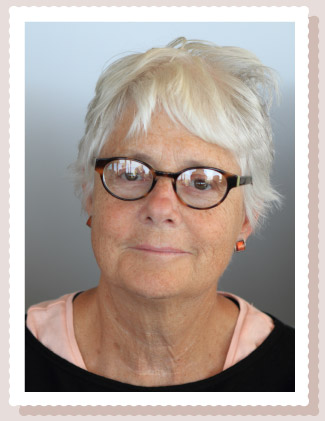
    i8tonite with Eat Smart in Portugal Author Ronnie Hess & Vegetable Frittata RecipeA poet, journalist, author, and gourmet extraordinaire. Ronnie Hess grew up in New York City, attended the Lycée Français de New York and Julia Richman High School, and graduated from Hunter College, the City University of New York. She earned a master’s degree in history from the University of Wisconsin-Madison.

    Hess began a career in broadcast journalism at Wisconsin Public Radio. In the 1980s, she was a reporter/producer for CBS News in Paris, spending nearly four years in France reporting on political, social, and cultural issues. After returning to the Midwest, she worked for Minnesota Public Radio and Chicago Public Radio and was a freelance writer/producer for the “American Justice” series that aired on A&E. Returning to UW-Madison, she became director of communications in the Division of International Studies, and taught middle school English in France during a sabbatical year.

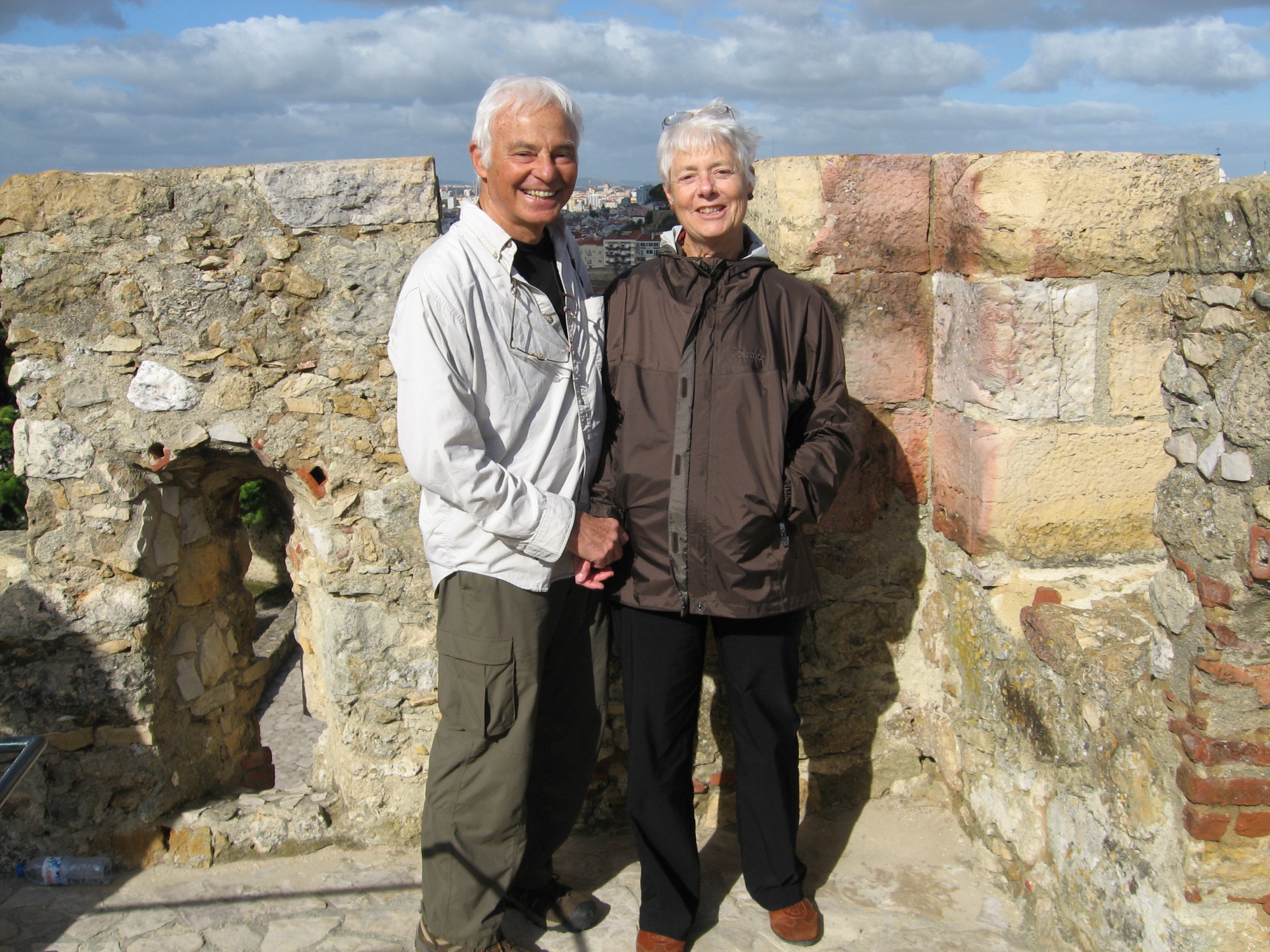
    Ronnie Hess and husband (Ron Rosner) in Lisbon. From i8tonite with Eat Smart in Portugal Author Ronnie Hess & Vegetable Frittata Recipe
    Ronnie Hess and husband (Ron Rosner) in Lisbon

    Hess has contributed to many publications – national, regional and local – including Saveur, The Christian Science Monitor, and The Milwaukee JournalSentinel. She was restaurant critic for several years for Madison Magazine and was a freelance arts critic for The Capital Times.

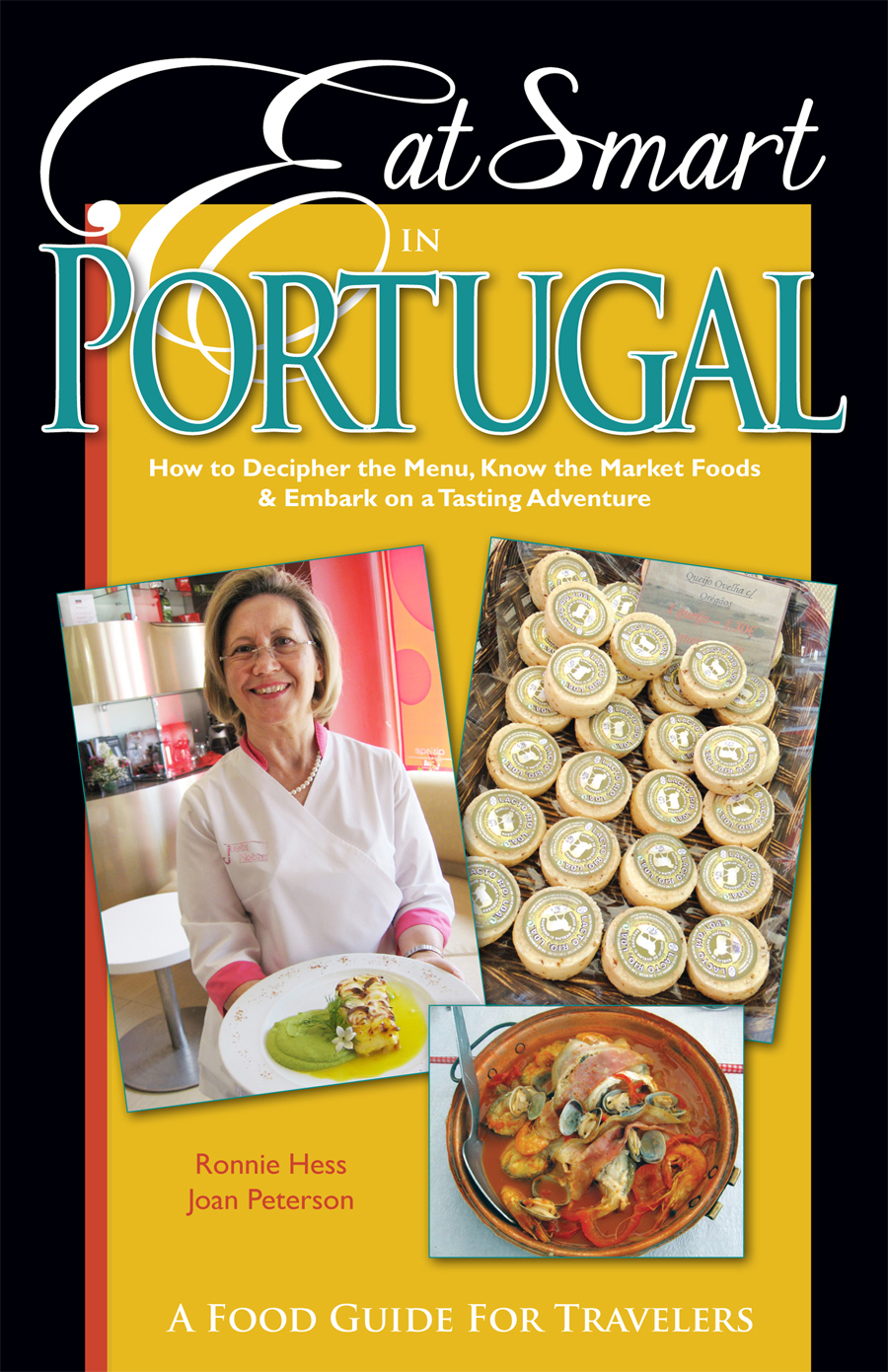
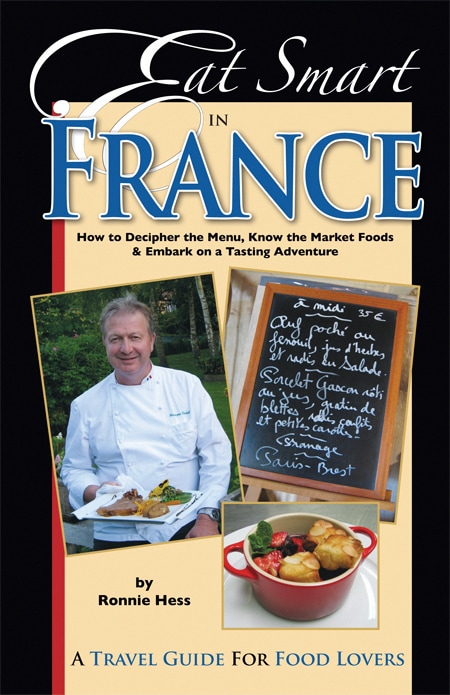
    i8tonite with Eat Smart in Portugal Author Ronnie Hess & Vegetable Frittata RecipeRonnie has penned two books in a series with one of our favorite publishers, Ginkgo PressEat Smart in France, and Eat Smart in Portugal (click through to read my interviews with her!). Eat Smart Guides are genius, teaching about history, culture, menus, language, and more for a country – and include recipes. They tell you how to decipher the menu, know the market foods, and embark on a Tasting Adventure. I love them, for the broad introduction to a culture through its cuisine, as well as the travel (and eating) inspiration contained therein. Highly recommended.

    i8tonite with Eat Smart in Portugal Author Ronnie Hess & Vegetable Frittata Recipe

    Hess travels to France and Portugal frequently – find her at MyFrenchLife and http://www.ronniehess.com

    Cheese plate, Normandy (Eat Smart in France). From i8tonite with Eat Smart in Portugal Author Ronnie Hess & Vegetable Frittata Recipe
    Cheese plate, Normandy (Eat Smart in France)

    Food People Questionnaire (with a nod to Proust):

    What is your favorite food to cook at home?
    Well, apart from salads, I have a few favorites: risotto, pasta and pesto, vegetable frittatas.

    What do you always have in your fridge at home?
    Yogurt. And granola in the cupboard. I make my own.

    What marked characteristic do you love in a person with whom you are sharing a meal?
    Lively conversation.

    What marked characteristic do you find unappealing in a person with whom you are sharing a meal?
    Bad manners. And not speaking.

    Beer, wine, or cocktail?
    Wine.

    Your favorite cookbook author?
    Jacques Pépin.

    In Belem's Jardim Botanico Tropical. From i8tonite with Eat Smart in Portugal Author Ronnie Hess & Vegetable Frittata Recipe
    In Belem’s Jardim Botanico Tropical

    Your favorite kitchen tool?
    Tongs.

    Favorite types of cuisine to cook?
    Mediterranean.

    Beef, chicken, pork, or tofu?
    None of the above. It’s fish.

    Favorite vegetable?
    Lettuce.

    Chef you most admire?
    Generally, it’s not one but all. They keep long hours, are always on their feet, working in stressful and often uncomfortable conditions.

    Food you like the most to eat?
    Chocolate.

    Chocolate cake for lunch in a restaurant in Provence. From i8tonite with Eat Smart in Portugal Author Ronnie Hess & Vegetable Frittata Recipe
    Chocolate cake for lunch in a restaurant in Provence

    Food you dislike the most?
    I like everything. Well, I’d have a hard time eating certain insects.

    What is your favorite non-food thing to do?
    Water aerobics.

    Who do you most admire in food?
    The people who grow my food, bring it to market.

    Where is your favorite place to eat?
    Increasingly it’s my kitchen. Restaurants are too noisy and I can’t always count on the food.

    What is your favorite restaurant?
    Typically, a neighborhood restaurant, specializing in Mediterranean or an ethnic cuisine I would never cook. I love Indian food.

    Do you have any tattoos? And if so, how many are of food?
    Nope.

    In northeastern Portugal in January, snowed in for several days in the village of Montesinho. From i8tonite with Eat Smart in Portugal Author Ronnie Hess & Vegetable Frittata Recipe
    In northeastern Portugal in January, snowed in for several days in the village of Montesinho


    Recipe: Vegetable Frittata

    (Serves about 4 people)

    vegetable frittata. From i8tonite with Eat Smart in Portugal Author Ronnie Hess & Vegetable Frittata Recipe

    This is based on Mark Bittman’s recipe that was featured in the New York Times. You can vary the ingredients, depending on what vegetables you’ve got, so it’s never the same. My instructions are below but here are Mark’s.

    You’ll need about 6 cups of sliced or diced vegetables. These can be raw or cooked but obviously if they’re raw, you’ll want first to add those to a large oven-safe sauté pan.

    Heat about 2 tablespoons of olive oil, add the vegetables and cook covered until almost done. (I start with onions and garlic and then add vegetables that need the most time, such as carrots, before adding green pepper or zucchini.)

    Season with salt, freshly-ground pepper and any other herbs (fresh or dried).

    Break 4-6 eggs in a small bowl, beat, and add to the frittata.

    Cook until the eggs are set.

    i8tonite with Eat Smart in Portugal Author Ronnie Hess & Vegetable Frittata Recipe
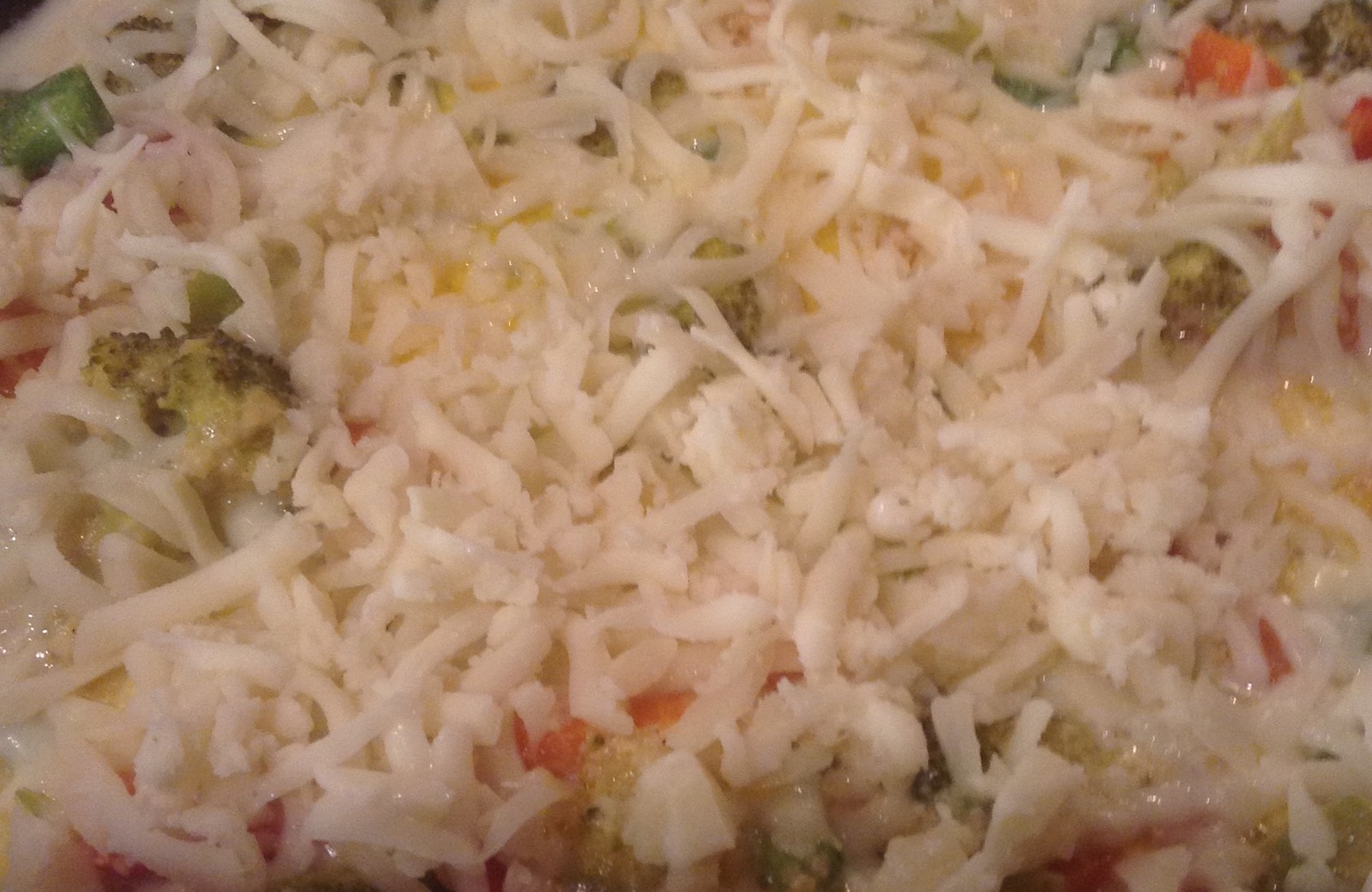
    midway through cooking, with mozzarella cheese on top of the partially cooked frittata

    At this point I usually add feta cheese and some grated parmesan cheese and finish off the dish under the broiler.

    i8tonite with Eat Smart in Portugal Author Ronnie Hess & Vegetable Frittata Recipe
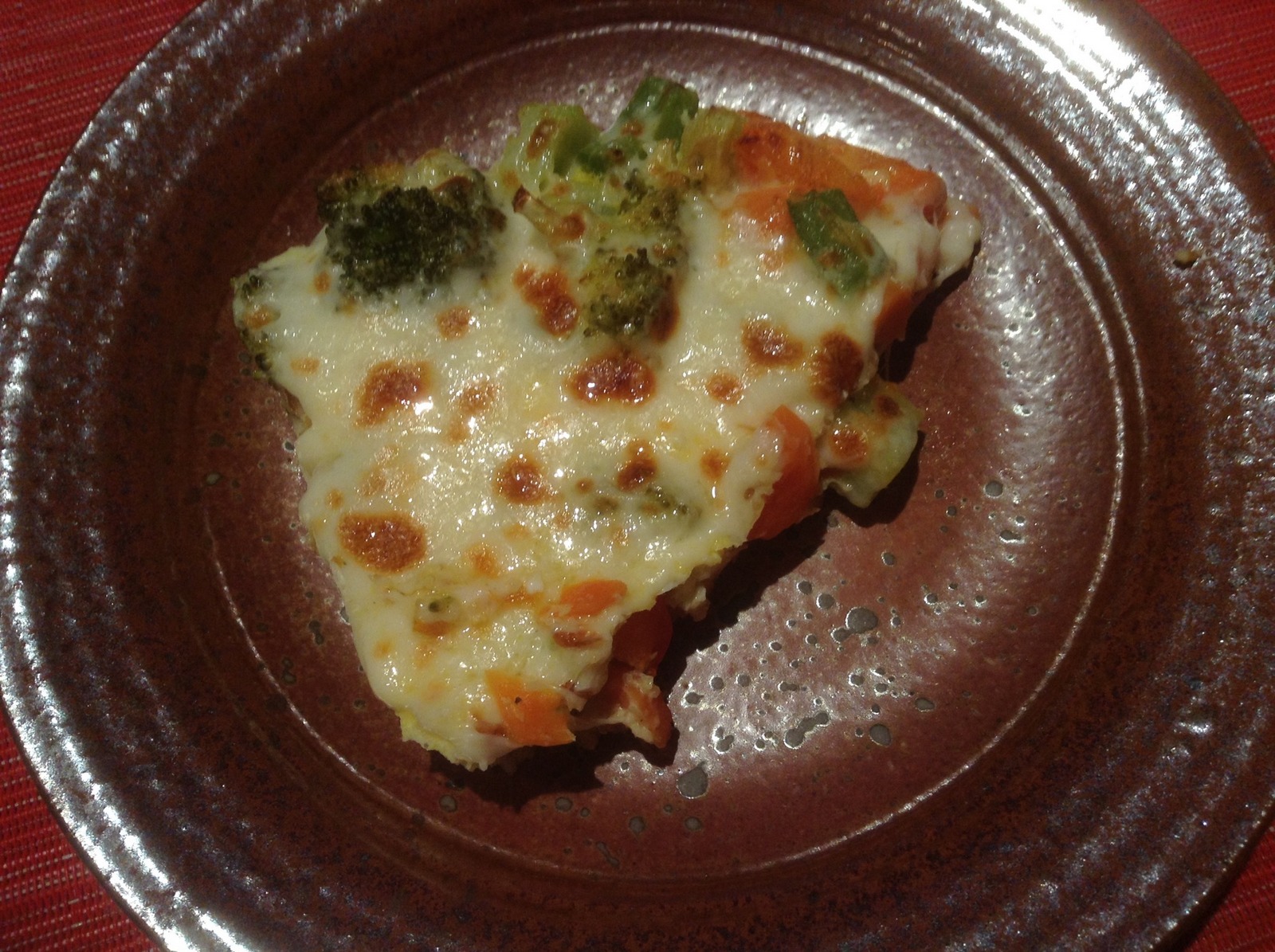
    After grilling the cheese under the broiler. In this version I used carrots, broccoli, green and red peppers.

    – The End. Go Eat. –

  • i8tonite with Food Person Fred Plotkin: Opera Expert and Author of Six Cookbooks

    i8tonite with Food Person Fred Plotkin: Opera Expert and Author of Six Cookbooks

    i8tonite with Food Person Fred Plotkin: Opera Expert and Author of Six Cookbooks
    credit Sanna-Mari Jäntt

    Few people are experts, but then there are folks, like cookbook author and opera professional Fred Plotkin, who are knowledgeable on many topics. A native New Yorker, Plotkin became a student of opera while in college, working with various classical musicians and mentors, such as late mezzo soprano and director of the Lyric Opera House, Ardis Krainik, and well-known Broadway lighting designer Gilbert Helmsley. Always found in the back or front of the house, Plotkin has never graced the stage but has written compelling articles on the singing subject in books and articles. His bestselling and definitive tome Opera 101: A Complete Guide to Learning and Loving Opera, leads the pack for appreciation on the vocal art form. His literary essays have been published in The Atlantic, The New York Times, Los Angeles Times, The Guardian, and Daily Telegraph, to name but a few.

    Apart from being a fount of operatic history and knowledge, Plotkin, who has traveled to Italy since the early 1970s, has become a resource for all edible things in Italy. In the nineties, he wrote arguably the greatest book on eating throughout the peninsula, called Italy for the Gourmet Traveler (Kyle Books), making him a famous food person on this side of the Atlantic.

    He recalls, “Italy, being the birthplace of opera, was a must (life experience) for me. Of course, eating and learning about the regional food became another obsession.”

    i8tonite with Food Person Fred Plotkin: Opera Expert and Author of Six Cookbooks
    credit Lana Bortolot

    The book is currently in its fifth edition and, rightly, has become a must for all gourmands traveling to the boot country. Although still known as an expert on classical singing, Plotkin has become a foremost authority on Italian cuisine as well, penning another five bestselling and award-winning books including Recipes from Paradise: Life and Food on the Italian Riviera, The Authentic Pasta Book, and La Terra Fortunata: The Splendid Food and Wine of Friuli-Venezia Giulia. After writing about opera for many papers and magazines, Plotkin now finds himself interviewed about on all things epicurean, appearing in The New York Times, Los Angeles Times, Bon Appétit, Food & Wine, Wine Enthusiast, and other leading food publications.

    Plotkin can be found discussing his first love — all things opera — on Manhattan’s WQXR. And, in his New York City home, he resides in the kitchen with his mistress – Italian cuisine — making some of the best regional food from the country.

    Food People Questions (with a nod to Proust):

    What is your favorite food to cook at home?
    Everything Italian

    What do you always have in your fridge at home?
    Parmigiano-Reggiano; Organic eggs; Sweet butter; Greek yogurt; Austrian apricot preserves; Organic Italian cherry nectar; Whole organic milk; Prepared mustard; Still water; Oranges; Lemons; Limes

    What marked characteristic do you love in a person with whom you are sharing a meal?
    The actual savoring of the food or drink being consumed.

    What marked characteristic do you find unappealing in a person with whom you are sharing a meal?
    Trendy, faddish foodiness, with no real awareness of what a food or ingredient means.

    Beer, wine, or cocktail?
    Wine

    Your favorite cookbook author?
    Carol Field

    Your favorite kitchen tool?
    Spade for cutting Parmigiano-Reggiano

    Favorite types of cuisine to cook?
    Italian; everything made with fruit.

    Beef, chicken, pork, or tofu?
    Fish and seafood!

    Favorite vegetable?
    Spinach

    Chef you most admire?
    Michael Romano

    Food you like the most to eat?
    Pasta

    Food you dislike the most?
    Sardines

    What is your favorite non-food thing to do?
    Opera

    Whom do you most admire in food?
    Organic farmers; Seed-savers; anyone who provides sustenance to those who need it.

    Where is your favorite place to eat?
    A tie: Friuli-Venezia Giulia and Liguria, two of Italy’s finest food regions.

    What is your favorite restaurant?
    Ristorante San Giorgio in Cervo (Liguria), Italy

    Do you have any tattoos? And if so, how many are of food?
    None. If I did, it would be of a bunch of cherries

    Scrambled Eggs Recipe

    i8tonite with Food Person Fred Plotkin: Opera Expert and Author of Six Cookbooks

    One of the most difficult things to prepare, and among the most gratifying when done correctly, are scrambled eggs. Doing it right required LOTS of practice. Here is what I do:

    Break two large or extra large eggs into a chilled glass bowl, taking care to not get any shell into the eggs. Beat the eggs only until yolks and whites combine. Do not overbeat. Fold in any added ingredient, such as small dollops of scallion cream cheese or a grated cheese, such as cheddar or gruyere. Do not beat the egg mixture if you are adding ingredients. Instead, give the mixture a quick stir.

    Melt 1 tbsp. sweet butter in a non-stick pan over the lowest heat possible. This should be a pan you only use for eggs and nothing else. Add the egg mixture, let it set for about 15 seconds. Then, using a non stick (and non metal) spatula, gently move the eggs about, occasionally stopping for a few seconds to let them set. Keep nudging them and sliding them in the pan. No violence…no intense heat, no flipping, no active stirring. Gradually the eggs will come to the degree of doneness you desire and then slide them out of the pan and onto the plate. By cooking slowly, you allow the flavor of the added ingredients to permeate the eggs and also achieve the same temperature as the eggs.
    – The End. Go Eat. –


  • i8tonite with Moe’s Original Bar B Que Founder Mike Fernandez & Moe’s Cornbread Recipe

    i8tonite with Moe’s Original Bar B Que Founder Mike Fernandez & Moe’s Cornbread Recipe

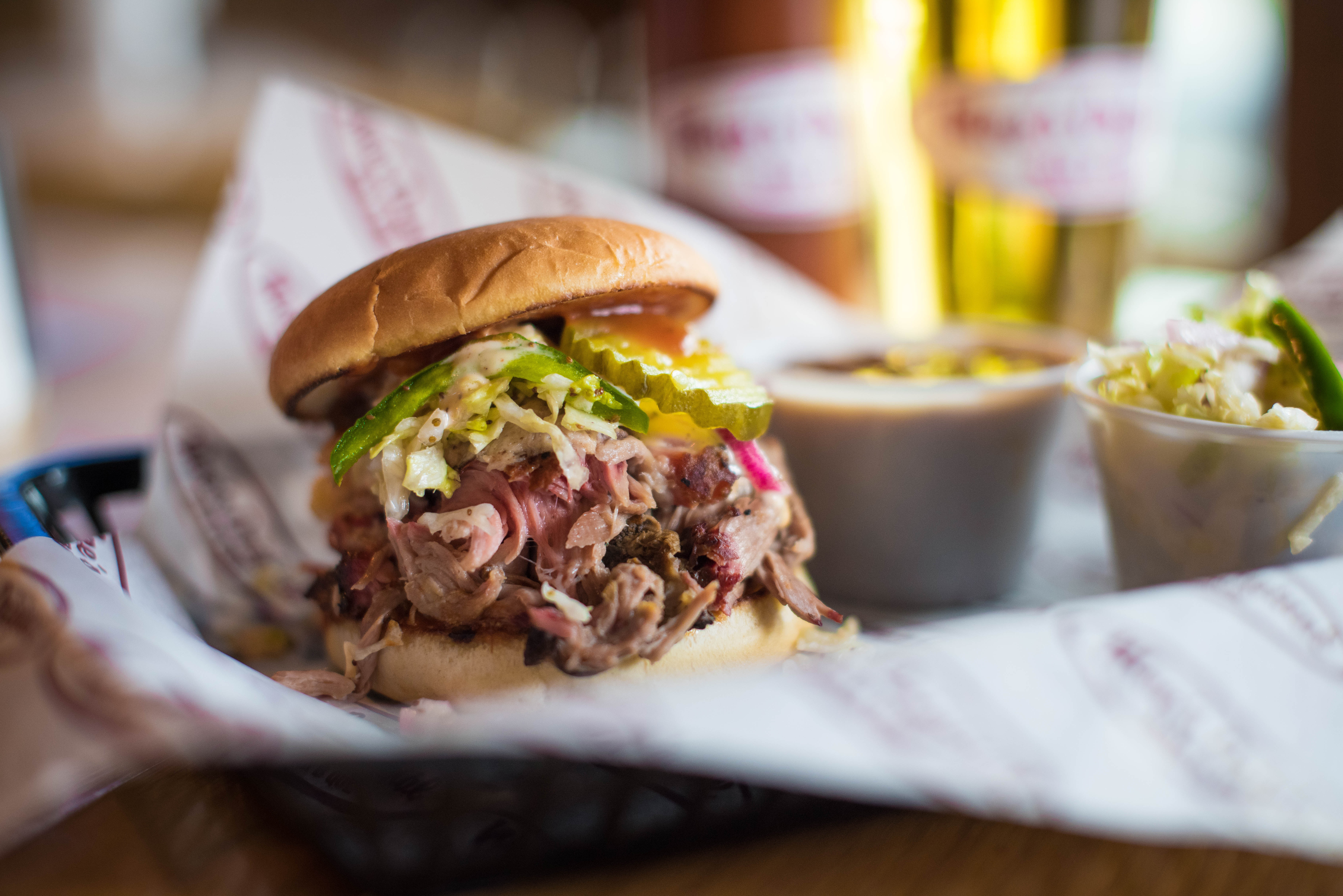
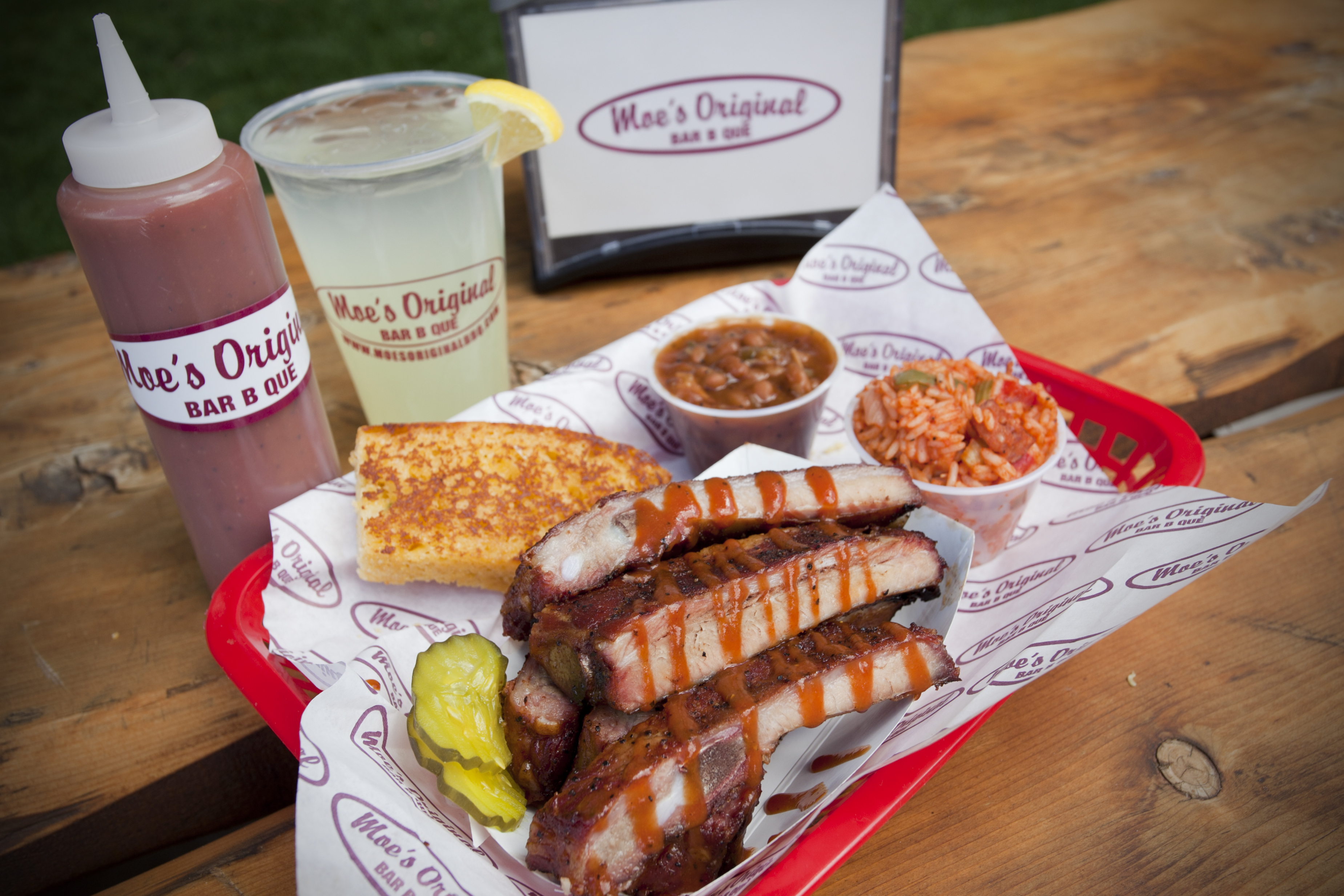
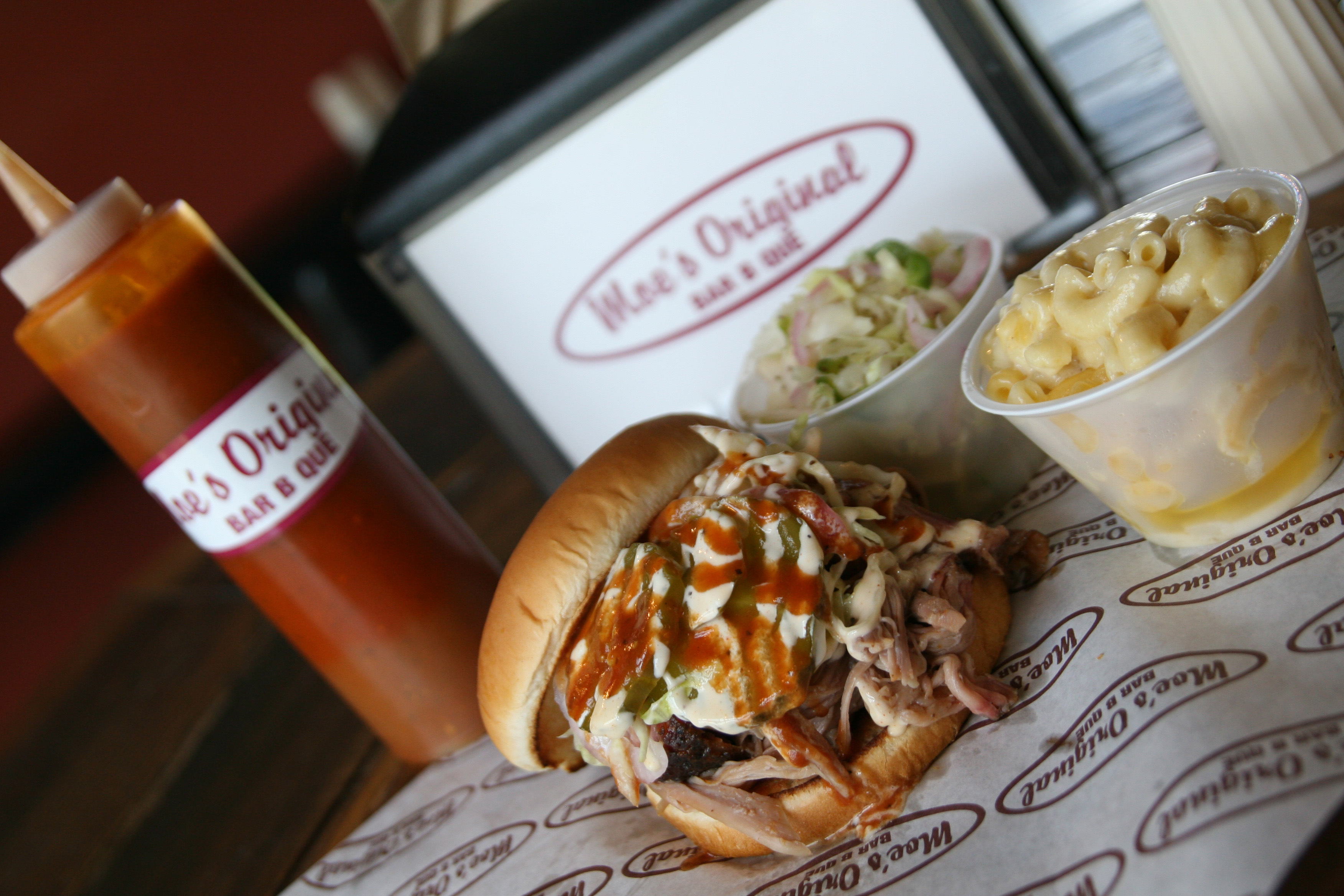
    i8tonite with Moe's Original Bar B Que Founder Mike Fernandez & Moe's Cornbread RecipeWhat do you do when you love BBQ? You learn from the best – and then smoke, cook, and eat well. And, if you’re Moe’s Original Bar B Que Founder Mike Fernandez, you turn that business into a way to give back, teach, and provide great food. But let’s start at the beginning, shall we?

    Fernandez, originally from Tuscaloosa, Alabama, learned how to fire roast meats from Tuscaloosa BBQ legend Moses Day. From there, he founded Moe’s Original Bar B Que out in Vail, Colorado (where he went to culinary school) – and has gone on to grow a business with over 50 franchises in a plethora of states.

    Fernandez’s mission is two-fold – to provide a unique and delicious dining experience, and to be a cheerleader for young entrepreneurs by providing opportunities and education.

    i8tonite with Moe's Original Bar B Que Founder Mike Fernandez & Moe's Cornbread Recipe

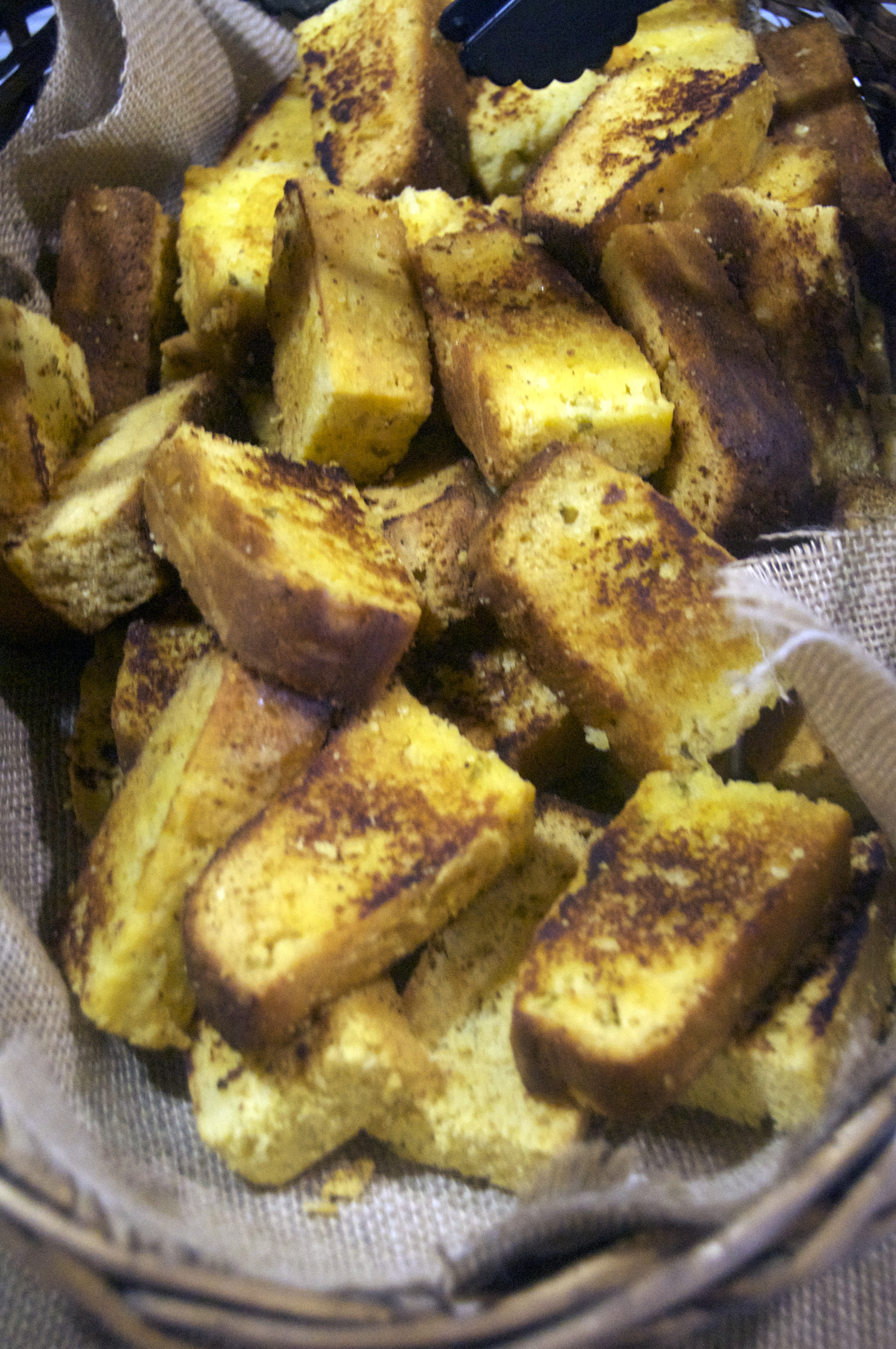
    The geography of the popularity of southern cuisine, especially BBQ, is interesting to track. When we talked, Fernandez noted, “people love BBQ – it’s unique, and you know what you’re getting into. In Vail, people eat BBQ four times a week; in Maine, once every few weeks…and in the south, everyone is always bbqing!” At Moe’s, people enjoy a meat and 3 – which is an entree, two side dishes, and a beverage. A look at their menu shows me that it would be difficult to choose exactly which, to be honest. But one thing that I always love is cornbread, and so I’m extremely pleased that Fernandez picked that recipe to share with us!

    i8tonite with Moe's Original Bar B Que Founder Mike Fernandez & Moe's Cornbread Recipe

    What most impressed me, when talking with Fernandez, was his commitment to the growth and development of young entrepreneurs. Having been one himself, he knows how important it is to have a mentor. So most of Moe’s franchises are located in college towns, and hire young adults as staff. When these college students graduate, Fernandez helps them get a store. He said that he has a vested interest in these young people, and is always trying to figure out how to help them. When I remarked on this generosity, Fernandez said he’s humbled by his success, lucky as hell, and happy to teach and share what is important. Indeed.

    i8tonite with Moe's Original Bar B Que Founder Mike Fernandez & Moe's Cornbread RecipeStop by Moe’s, in one of their 50 and growing locations (come to Michigan, Mike, please!), and know you’re not only getting great food, but supporting a business that is a cheerleader for their employees and creating small businesses that serve communities. Win/win!

    Food People Questionnaire (with a nod to Proust):

    How long have you been cooking?
    40 years. My mother taught me to cook when I was young. She is from Sicily, Italy, and we cooked together every Sunday.

    What is your favorite food to cook?
    Fresh fish that I catch myself.

    What do you always have in your fridge at home?
    Various pickled vegetables, homemade jams, and homemade cured meats

    What do you cook at home?
    A lot of Latin food

    What marked characteristic do you love in a customer?
    One that knows about food and can tell when something tastes different. I love when they want to learn, because I love to teach.

    i8tonite with Moe's Original Bar B Que Founder Mike Fernandez & Moe's Cornbread Recipe

    What marked characteristic do you find unappealing in a customer?
    When they refuse to try an item I prepared “as it is”

    Tupperware, Rubbermaid, or Pyrex?
    Pyrex

    Beer, wine, or cocktail?
    Cocktail

    Your favorite cookbook author?
    Michael Ruhlman and Brian Polcyn (Charcuterie)

    Your favorite kitchen tool?
    Kitchen Aid Mixer

    Your favorite ingredient?
    Cilantro

    i8tonite with Moe's Original Bar B Que Founder Mike Fernandez & Moe's Cornbread Recipe

    Your least favorite ingredient?
    Liquid smoke

    Least favorite thing to do in a kitchen?
    Clean floor drains.

    Favorite types of cuisine to cook?
    Latin

    Beef, chicken, pork, or tofu?
    Pork

    Favorite vegetable?
    Golden Beets

    Chef you most admire?
    Frank Stitt and John Currence

    Food you like the most to eat?
    Fresh fish just caught

    Food you dislike the most?
    Overcooked Beef

    How many tattoos? And if so, how many are of food?
    None – my mom would kill me.

    Moe’s Original Bar B Que’s Cornbread Recipe


    i8tonite with Moe's Original Bar B Que Founder Mike Fernandez & Moe's Cornbread Recipe

    Ingredients:
    6 eggs
    1 cup whole milk
    1/2 cup yellow onions, fine dice
    1/4 cup jalapenos, filet and fine dice
    3 7-ounce packages Martha White Sweet Yellow Cornbread Mix

    Directions:
    Beat eggs, add jalapenos and onions.
    Add milk and then mix in 3 packages of cornbread mix.
    Spray with Pam heavily (if old pan, add parchment paper to release) onto large 4×10 loaf pan. Pour in cornbread mix.
    Preheat to 325. Bake 1 hour. When done, it should be firm to press. Do not overcook.
    Using rubber spatula, slice into 12 slices at 3 quarters of inch each. It’s easier to cut cold or bread will crumble.
    Brush one side with margarine or butter. Place buttered side down on griddle. Fry til crispy.


    – The End. Go Eat. – 

  • My Favorite Dishes of 2016

    My Favorite Dishes of 2016

    As 2016 began, it was planned that Nick, me and the kids — Holly, the 11-year-old pitbull and our 7-year-old Frenchie, JJ — were moving to Denver from Phoenix. Our intention after twelve months in the Sonoran Desert was to relocate to the Mile High City for his work. Our last stop was the Rocky Mountains. However, after all that, we have found ourselves back in Southern California, where we had originally started. Not in Los Angeles – coming full circle — but in Newport Beach, behind the Orange Curtain. Still for Nick’s work, but with a fluffier job description.

    It’s a good location for us. Far from the histrionics of the world’s entertainment capital. Yet, we discuss missing Camelback Mountain rising out of the valley, the vast blue skies and, of course, the food. Phoenix taught me that good eating can be found anywhere if you are looking for it. It doesn’t have to be in one of the anointed culinary islands such as New York, Chicago, San Francisco or Los Angeles.

    While living in Phoenix, I discovered deep blended roots of Mexican and Native American food. Indeed, it’s common for local hunters born of Mexican descent to shoot game such as moose or elk during the holiday season. The braised meat is then turned into Christmas tamales and frozen to eat throughout the year. It’s a practice that goes well beyond the area’s 114 years as a state. Originally, Mexican settlers joined with the natives crafting unique food and then in turn, became Americans when the 48th state entered the Union.

    I bring this up because I read a well-known restaurant writer’s suggestions of “best food trends”. In her lengthy piece, she proffered gastronomic extravagances in Copenhagen, Paris, and of course, the Big Apple which is where she is based. I can always choose what is great elsewhere, from Singapore to Argentina, France to Greece. However, I think it’s our duty to describe what is “great” in America. Our culinary prowess is the myriad of cultures creating our nation – borrowing from here and there, making our own indigenous taste profiles such as fried chicken, pot roast or apple pie. Derived from other places, but made here crafting American comfort. We need to recognize that we are great, looking only to our dinner tables.

    Unlike the writer, who travels often, I didn’t get on a plane this year except a roundtrip to Vegas and Phoenix. After almost two dozen countries and nearly 250 cities, I’m not big about getting on planes anymore; plus, I love the dining scene in smaller cities such as Phoenix, Portland and even in Orange County, California. They aren’t massive but what’s cooking is robust and lively.

    As go into the new year, as a nation, we have dreamed up all types of unique food – Mexican-Korean tacos, Japanese sushi with Brazilian flavors, Thai with Texas BBQ– turning it into one melting pot of goodness. The ingredients simmering on the American stove is where we have always been welcoming, tasting little bits of this and adding some of that. Authentic American flavor is made from our fusion of cultures right here at home and it’s always been great.

    Hoja Sante stuffed with Mennonite Cheese, Gran Reserva Barrio Café : Chef Silvana Salcido Esparza (Phoenix, Arizona).

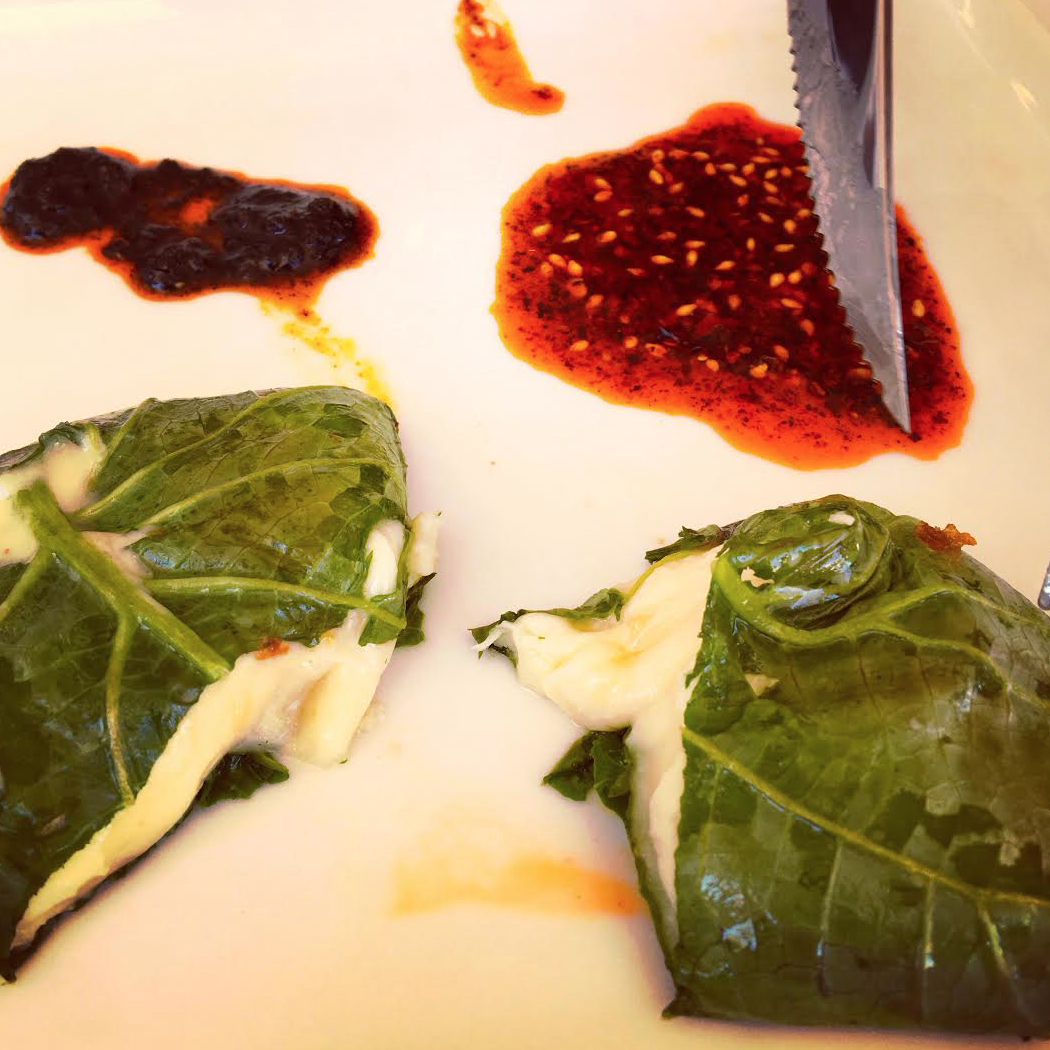
    Chef Silvana Salcido Esparza should be a nationally recognized chef and it’s a shame she’s not. She is a proud Mexican American born in the United States and is un-WASP-like most Food Network stars such as Giada, Rachel or even Paula Deen.  At her five restaurant mini-empire based in Phoenix, her cooking is Mexican but with European techniques. At Gran Reserva Barrio Café, her new restaurant which opened in spring 2016, Esparza’s creativity is evidenced in the simplicity of a melty hunk Mexican Mennonite cheese, wrapped burrito-like in a large hoya sante leaf and served with two smoky chili pastes. Simple. Traditional and yet still other worldly.

    Image result for Hoja Santa Gran Reserva Arizona Latinos

    The indigenous plant is not commonly found north of the border, and when it is, it’s usually used in stews and braises. Esparza uses it whole, instead of strips, allowing the anise flavor to compliment the queso’s milky texture. The venomous bite of the peppers is nulled by the dairy and leaving only smokiness. Texturally, the crunch of the leaf, emission of creaminess and a nullified heat is eye-opening. As I sat eating the dish, along with interviewing the Phoenix-based chef for Arizona Latinos, she imparted the history of the Mexican Mennonites and how they are still important to the agriculture of the country.

    This gooey delicious dish is modest, and that’s what makes it brilliant.

    Chicken Liver Pasta, Sotto:  Chef Steve Samson (Los Angeles, CA)

    On a media tasting invite, I went through a selection of items chosen by Chef Steve Samson at his almost six-year-old restaurant Sotto. The cozy space is inviting with blue walls, wooden tables and chairs as is Mr. Samson, who is one of the kinder cooks in the culinary world.

    Going through his menu, which is all yummy the standout, became the housemade Rigatoni tossed with Chicken Livers, Parmigiana Reggiano and Porcini. It’s a daring dish for Angelenos to embrace. First, there are the carbohydrates but second the livers aren’t normally found on regular menus much less Italian. Having traveled often to Italy, I didn’t recall pasta and innards used in this way and asked Samson where it was based. It was his unique twist on the typical Bolognese ragu. Instead of throwing away something tasty, he invented this earthy and rustic dish. I’m not fond of chicken livers – and I don’t know many people who are – but this I would eat every day for the rest of my life.


    Jardineros (Garden) Tacos, Taco Maria: Chef Carlos Salgado (Costa Mesa, CA)

    Taco Maria is a high-end eating experience much like the Rick Bayless’ chain Red O or even Phoenix’s independent Barrio Café (see above). White tablecloths, waiters with crumbers and sparkling water served in wine glasses, my type of my place, where a diner feels special. Located inside a mall within a mall, it is an indoor-outdoor space which is a good showcase for the unique tastes presented by Chef Carlos Salgado.

    Much has been written about Salgado and for good reason, his fusion of California agricultural and Mexican cooking produce, arguably the country’s best tacos. Ordering a la carte during lunch, there are a five varieties of the national south of the border food: chicken, beef, pork,  fish and vegetarian. Exceptional eats every single one, wrapped with the housemade delectable blue corn tortillas found only at Taco Maria. (B.S. Taqueria gets their masa from here too.) The standout is clearly the vegetarian (jardineros) made with shitake mushroom chorizo, a crispy potato and queso fundido. Separately, each one would make a great filling but together, they create something truly different. The minced fungi spiced with traditional south of the border flavorings texturally give the chorizo a meat-like consistency. However, it’s the flavor which is a standout.

    Pasta dishes, Tratto: Chef Chris Bianco (Phoenix, AZ)

    Legendary chef Chris Bianco is  renowned for Pizza Bianco. Matter of fact, his pizzas have been called the best in the world by former “Vogue” food writer Jeffrey Steingarten. Therefore, when someone invites you to Tratto, his new restaurant which opened in early summer 2016 in the same mall as his world-renowned pizzeria, you go – but not for his pizzas. At his new space, he has opened his creativity to showcase other goodness derived from Arizona farmers; mostly notably, the wheat growers.

    Bianco does everything else but pizzas. Old-fashioned, Italian food but a real display of southwestern growers. I don’t mean peppers, tomatoes and cheese but bold pairings such as beets and gorgonzola roasted in a fig leaf. All ingredients are sourced from the 48th state, crafting Italian food. Don’t question it but eat his handmade pastas which are carefully crafted by Bianco. Get off the carb diet and have a bit of heaven.

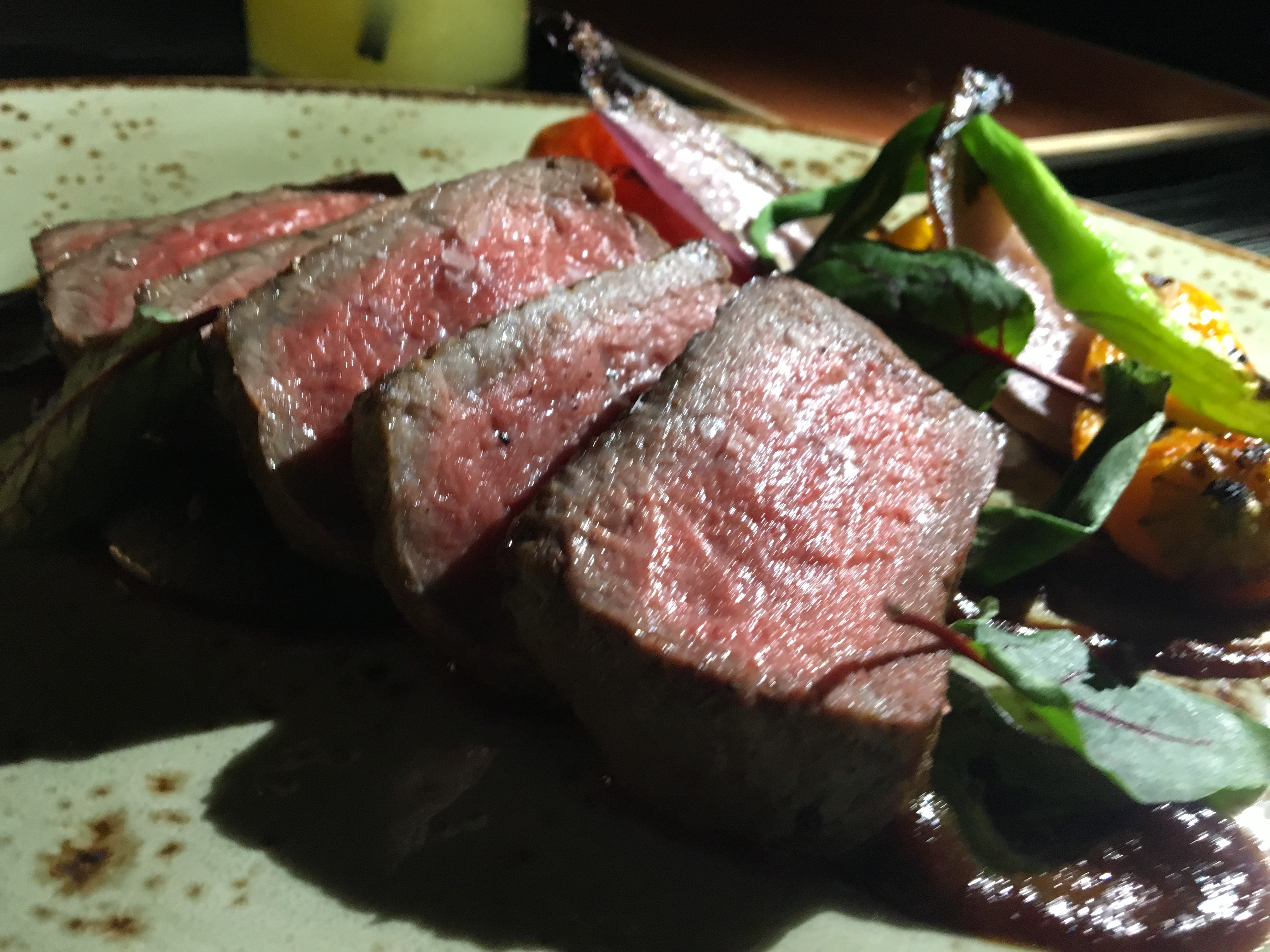
    Beef Tenderloin with Mole Negro, Talavera at Four Seasons Scottsdale: Chef Mel Mecinas (Phoenix, Arizona)

    To reiterate, I’ve listed the dishes I’ve eaten over the course of the year which I remember fondly. Eating them, at the restaurant, the conversations around them and how good they are. Nothing comes as close to Chef Mel Mecinas and his mole negro and beef tenderloin.

    Mole is probably one of the world’s most difficult sauces to make. Consisting of more than two dozen ingredients ground and simmered into a liquid, resulting in something edible which is complex, luscious and fortifying. Fish is too delicate for the earthiness but lean cuts of meat provide a great experience to taste the Mexico pottage which is what diners get at Talavera under the capable hands of Chef Mecinas.

    Unfortunately, he no longer works at the restaurant where he was the Executive Chef for more than a decade. Greener pastures beckoned. However, one day I hope the world gets to eat his extraordinary mole.


  • i8tonite with Maine Windjammer Chef Annie Mahle & Pork, Potato, and Parsnip Hash​ Recipe

    i8tonite with Maine Windjammer Chef Annie Mahle & Pork, Potato, and Parsnip Hash​ Recipe

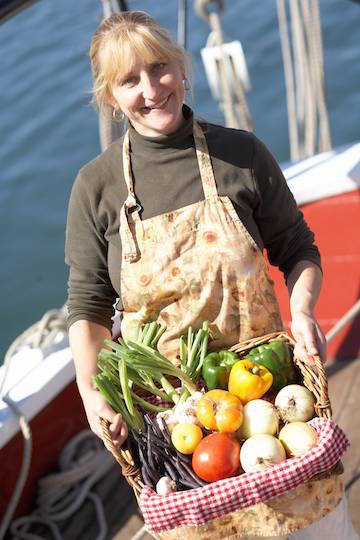
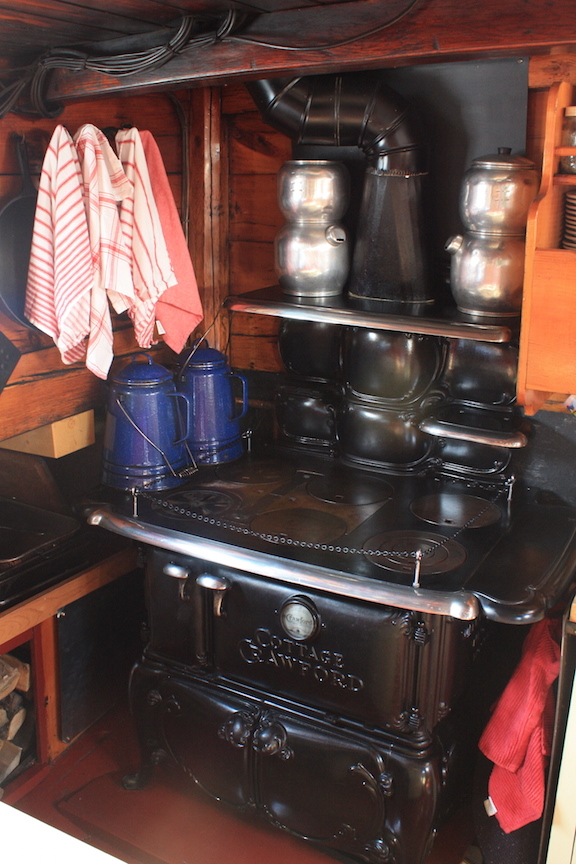
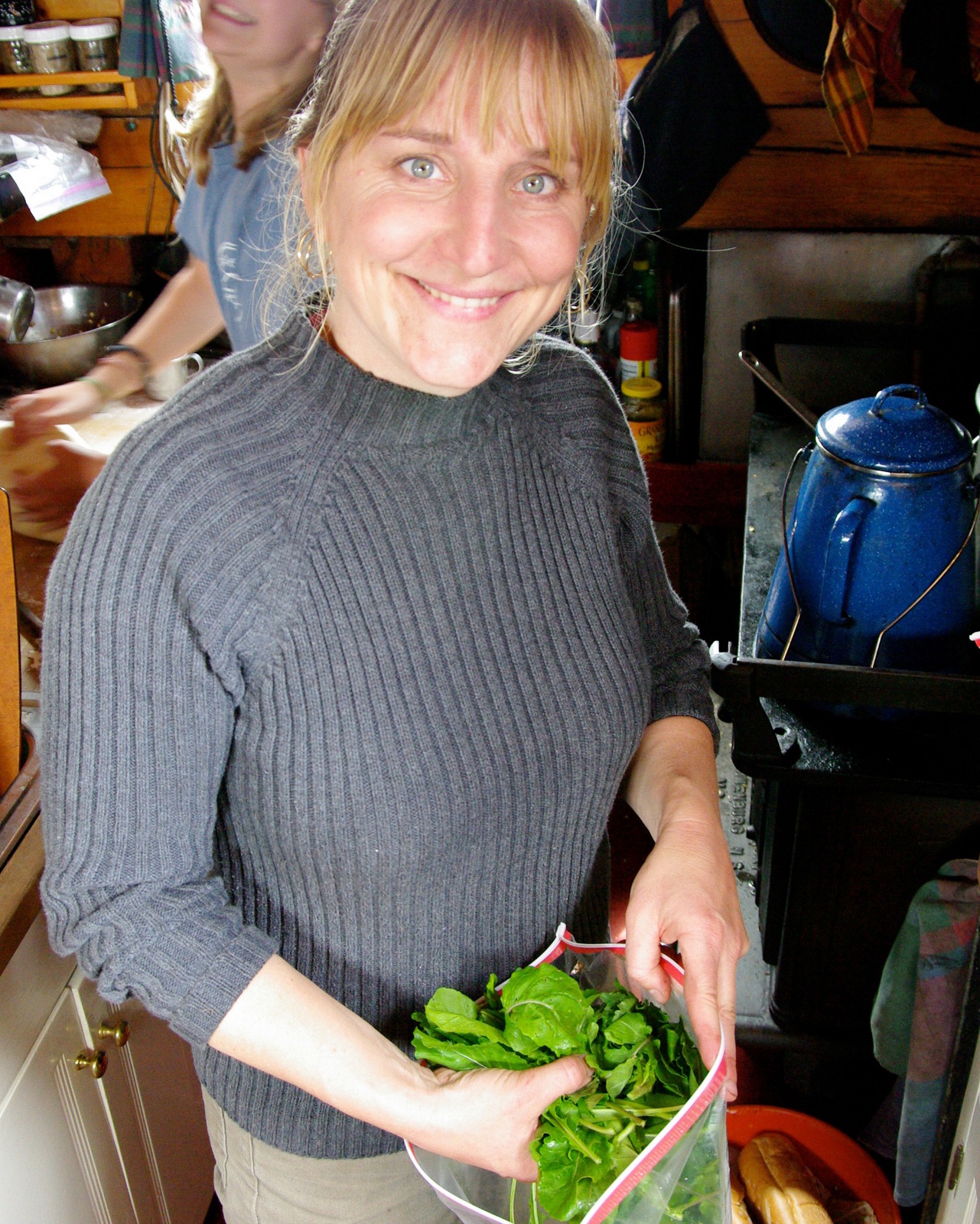
    i8tonite with Maine Windjammer Chef Annie Mahle & Pork, Potato, and Parsnip Hash RecipeFor over 25 years, Annie Mahle has honed her craft with both knife and pen. Annie and her husband, Captain Jon Finger, run the Maine windjammer, the Schooner J. & E. Riggin. Not only is Annie a maritime captain, she also is the captain and chef of her galley, where she has been cooking meals on her cast iron wood stove, Lucy. In the winter, she continues to create new recipes and shares them on her recipe and lifestyle blog, At Home & At Sea. Her third cookbook, Sugar & Salt: A Year At Home and At Sea – Book Two is the second in a series of cookbooks featuring a collection of recipes, crafts, thoughts, and stories from Chef Annie’s adventurous life on the coast of Maine.

    i8tonite with Maine Windjammer Chef Annie Mahle & Pork, Potato, and Parsnip Hash Recipe
    Lucy

    Chef Mahle notes, “In Sugar & Salt, I share more memories, stories, and recipes that are inspired by my life on the coast of Maine. Whether it’s through my cooking, crafts, or gardening, I’m always creating, and I hope that this book will be a inspiration for the reader.”


    i8tonite with Maine Windjammer Chef Annie Mahle & Pork, Potato, and Parsnip Hash Recipe

    Chef’s Questionnaire (with a nod to Proust):

    How long have you been cooking?
    My first cooking memory is of canning tomatoes with my grandma in her kitchen. Several years later, I had a love affair with chocolate chip cookies. I started cooking professionally after I graduated from college and haven’t looked back!

    What is your favorite food to cook?
    Anything from the garden but kohlrabi.

    What do you always have in your fridge at home?
    Half and half, kale, leftovers.

    What do you cook at home?
    All of the comfort food.

    What marked characteristic do you love in a customer?
    I love someone who is willing to try something new. Like oysters. And really savor that first bite.

    What marked characteristic do you find unappealing in a customer?
    Boorish or selfish sorts who are unaware of how much airtime and space they take up.

    Tupperware, Rubbermaid, or Pyrex?
    Ball jar.

    Beer, wine, or cocktail?
    Wine. Red. Although I do love creating new cocktails.

    Your favorite cookbook author?
    Lori Colwin, Laura Brody, Dorie Greenspan. I wish I liked James Beard more.

    Your favorite kitchen tool?
    My santoku. One day I wasn’t thinking and used the tip to pry something open. Rookie move. The tip broke. But then Jon, my husband, ground the tip down to look like a blunt sailor’s knife and I love it.

    Your favorite ingredient?
    Flour. Or eggs. They can become so many creations.

    Your least favorite ingredient?
    Kohlrabi. Hate it.

    Least favorite thing to do in a kitchen?
    Clean.

    i8tonite with Maine Windjammer Chef Annie Mahle & Pork, Potato, and Parsnip Hash RecipeFavorite types of cuisine to cook?
    The type you eat with family and friends.

    Beef, chicken, pork, or tofu?
    Pork. Flavor, flavor, flavor.

    Favorite vegetable?
    A ripe tomato picked just off the vine on a warm summer day.

    Chef you most admire?
    Is it a cliché if I say Julia Child? Well, it’s true.

    Food you like the most to eat?
    I’m loving poached eggs, kale, and avocado for breakfast right now.

    Food you dislike the most?
    Food that is too clever for its own good. The sort that looks like the height of art on the plate, but leaves you still feeling hungry and wishing for a burger.

    How many tattoos? And if so, how many are of food?
    I’ve never gotten a tattoo, but my crew has poked at me for years to get one. I think a tattoo would bore me after a time. If I did get one, it would be a ring of a knife, fork, and spoon around my wrist or bicep.

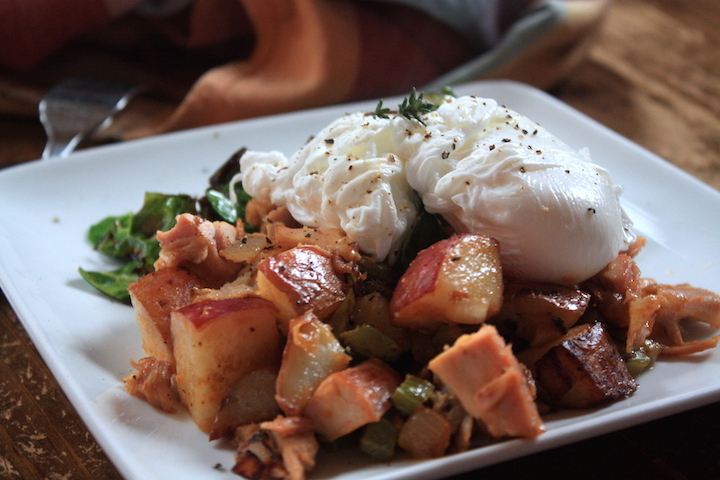
    Pork, Potato, and Parsnip Hash with Poached Eggs and Asparagus Recipe

    i8tonite with Maine Windjammer Chef Annie Mahle & Pork, Potato, and Parsnip Hash Recipe

    Hash is usually made with leftover meat or fish from a previous meal. Feel free to substitute beef, pollock, or other flavorful fish in place of the pork.
    Serves 4

    Ingredients:
    1 1⁄2 cups diced parsnips, peeled; about 2 parsnips
    5 cups diced red potatoes; about 11⁄2 pounds or 6 potatoes
    3 tablespoons olive oil
    1 cup diced onion; about 1 medium onion
    1 teaspoon minced garlic; about 1 clove garlic
    1⁄2 teaspoon kosher salt
    several grinds fresh black pepper
    1 pound cooked pork shoulder or other tender pork meat, pulled apart with a fork into bite sized pieces
    1 pound asparagus, ends cut or snapped off; about 1 bunch
    Poached Eggs
    Herbed Salt (recipe below)

    Directions:
    Place the parsnips and potatoes in a wide saucepan and cover with salted water. Bring to a boil and boil for 5 minutes or until tender when poked with a fork. Remove from water with a basket strainer or slotted spoon and set aside. Keep the water hot for the asparagus. In the meantime, heat a large skillet over medium-high heat and add the olive oil and onion. Sauté until translucent, about 10 minutes. Add the garlic and sauté for 30 seconds to 1 minute. Add the parsnips, potatoes, salt, and pepper and cook until the potatoes begin to brown. Add the pork and sauté until the pork is warm. Remove from heat and cover.

    Add the asparagus to the boiling water and cook for 1 minute or until the asparagus is tender. Timing will vary with the thickness of the stalks. Remove from water with tongs, transfer to a platter and cover. To the same pot of water, add the vinegar (from Poached Egg recipe) and poach the eggs. Plate the hash, asparagus, and poached eggs and sprinkle the eggs with a pinch of Herbed Salt.

    Herbed Salt
    Makes about 2 tablespoons

    1 tablespoon kosher salt
    1⁄2 tablespoon freshly ground black pepper
    1 tablespoon minced fresh dill

    In a small bowl, combine all of the ingredients. Store in a glass jar indefinitely.

    – The End. Go Eat. –

  • I8tonite: A Cheat Sheet to Eating in NYC’s Little Italy

    I8tonite: A Cheat Sheet to Eating in NYC’s Little Italy


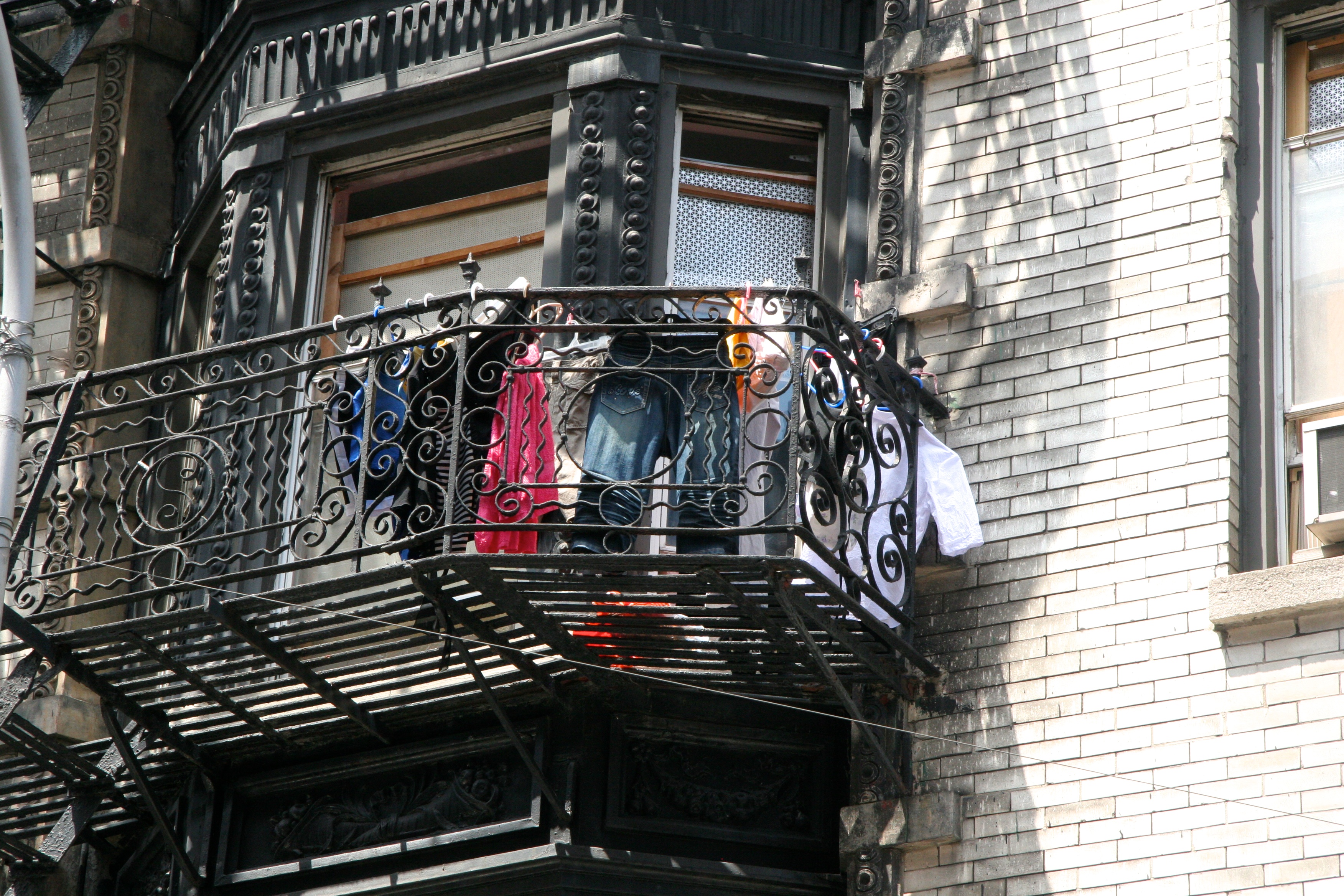
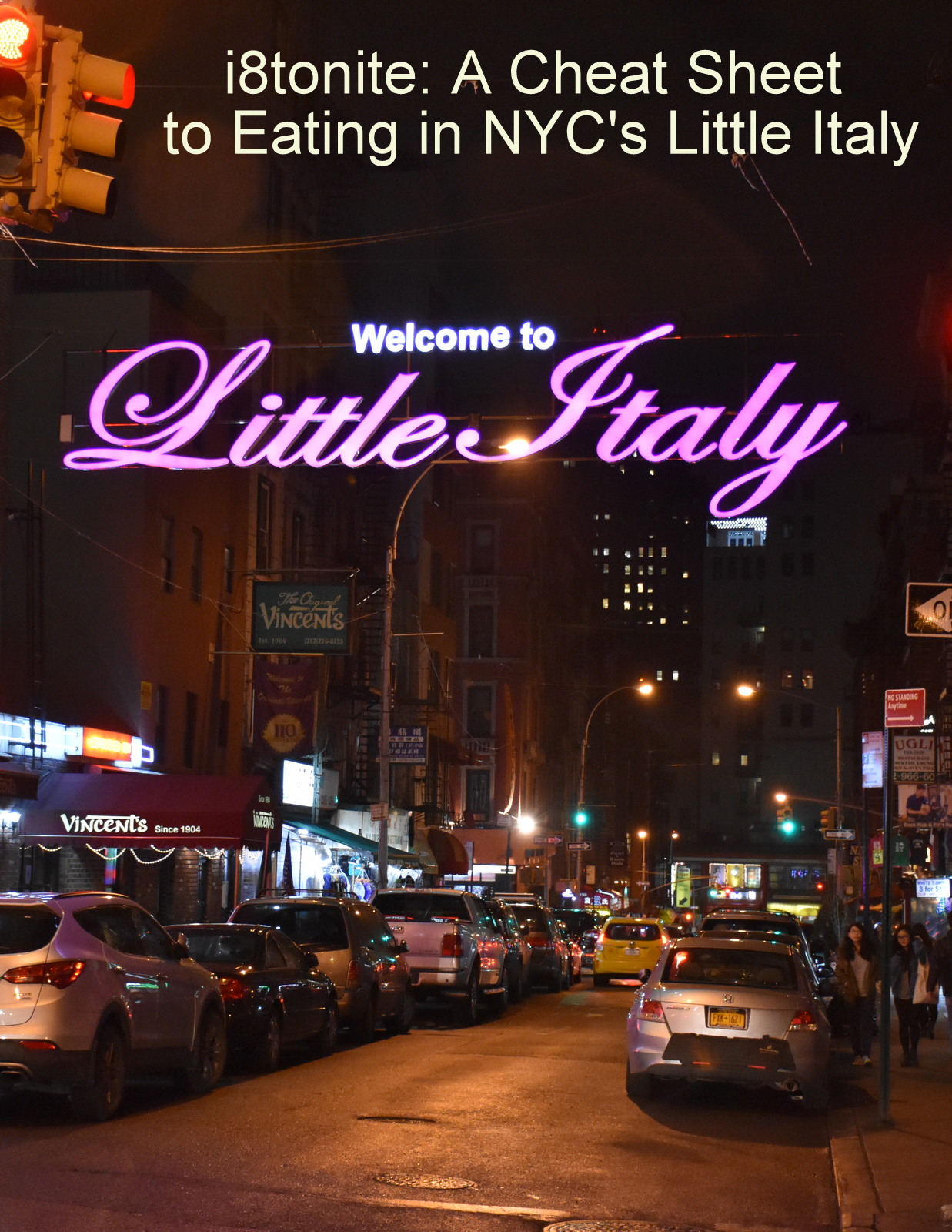
    I8tonite: A Cheat Sheet to Eating in NYC's Little Italy. Photo by Patrick RasenbergA long, long time ago in a galaxy far, far away…honestly, it was only 30 years ago when New York City’s Little Italy seemed like a slice of Naples. The area wasn’t so sanitized and mafia guys, like John Gotti, would hang out in the one of the local trattorias. Now, they are all in Brooklyn like the last of the Godfather series. Then, laundry would hang from pulleys rigged between buildings and neighbors screamed at each other from across the street, “Hey Doris! I need some sugah!” That was Little Italy.

    As real estate has become the number one money maker in the world, old Big Apple neighborhoods have transformed into shopping and eating meccas with name brand stores holding court. The web of streets below Houston and east of Broadway always had a lot of European charm with independent shops from butchers to bakers and candlestick makers, but it’s been joined by bigger outlets. Think of seeing the actor Steve Buscemi, long noted for independent films, next to George Clooney, Hollywood glitz, but it’s only because Steve is there that George came to the party. It’s a bit of a shock almost like one of these things does not belong. Yet, like all things in New York, they co-exist, peacefully and wind up working in movies together. (See Spy Kids 3-D: Game Over.)

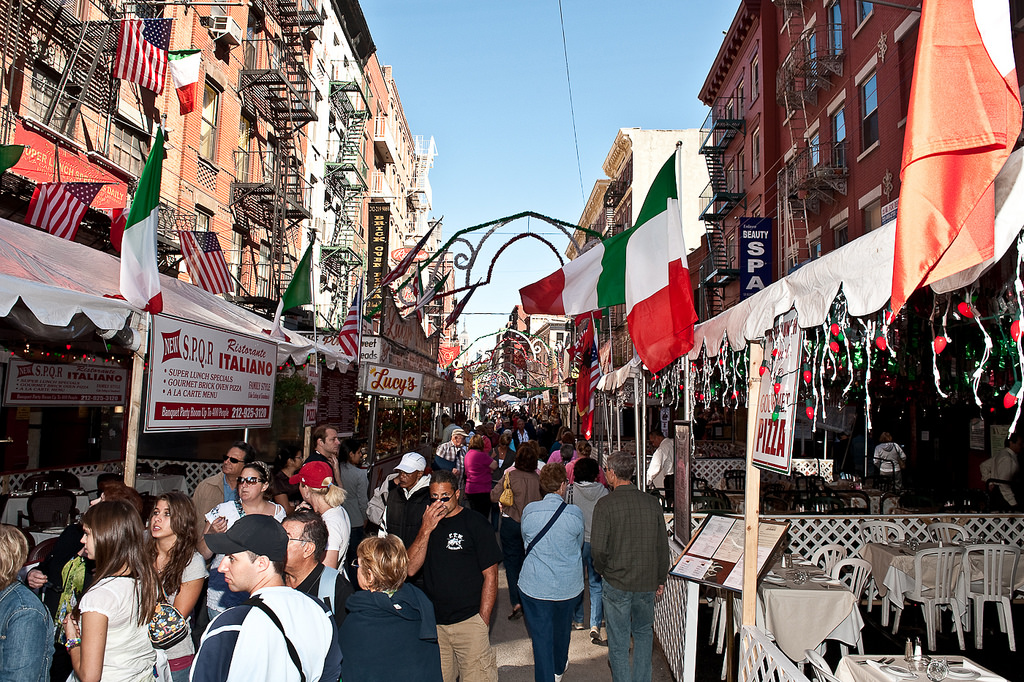
    The Feast of San Gennaro, New York City's longest-running, biggest, and most revered religious outdoor festival in the United States. From I8tonite: A Cheat Sheet to Eating in NYC's Little Italy
    The Feast of San Gennaro, New York City’s longest-running, biggest, and most revered religious outdoor festival in the United States.

    Probably one of the country’s most important ethnic festivals, The Feast of San Gennaro, started in the area. Originally, the event was to welcome new Italian immigrants to the area. Now, almost a hundred years later, the one day event has expanded into eleven and six urban blocks of food, raucousness and general good naturedness saying, “This is what New York City was like.” In September, it seems like the world, not only those interested in pasta and pizza, converge on Mulberry between Houston and Canal. Instead of paisanos walking the streets, it really is a melting pot of cultures eating sausages with peppers and onions, throwing darts at balloons, tossing ping pongs into fishbowls and carrying on…welcoming everyone to the neighborhood.

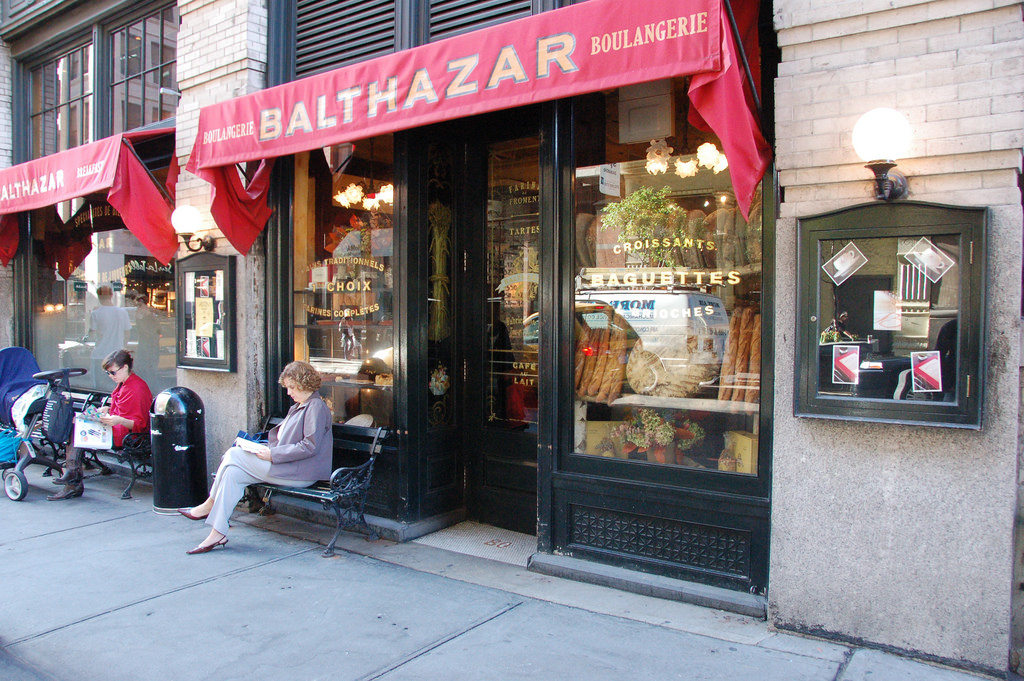
    Balthazar. From I8tonite: A Cheat Sheet to Eating in NYC's Little Italy. Photo by Sue and Danny YeeBreakfast: Breakfast at Balthazar should be on the bookshelf with Breakfast at Tiffany’s, but there isn’t a book with that title. Ever since opening in 1997 Keith McNally’s ode to Paris has been a staple of the downtown demi-monde set. At dinner, it’s still one of the few places to see and be seen. Breakfast is normally not such a rush. it’s a quieter atmosphere with businessmen and female entrepreneurs holding court. Funny, to be recommending a French place while walking around Little Italy, but it’s a must.

    • Our Suggestion: Eggs En Cocotte. A classic dish not normally seen on menus but it’s really delicious and very easy to make at home. Here, though, they serve them with “soldiers” mean strips of toast without the crust. Just like our English “mummy” used to make.
    • Cost: $15.00
    • Website: http://www.balthazarny.com/

    I8tonite: A Cheat Sheet to Eating in NYC's Little ItalyLunch: Walking in New York is tantamount to running a gauntlet if you’re not used to it. Swerving and dipping. Spinning and sprinting. The onslaught of pedestrians is mesmerizing,  overwhelming and hungry-making which is why you need a hearty lunch. Head to Parm. One of those newly designed farm-to-table  sandwich shops but this one started on Mulberry Street and now has sisters in Battery Park City, Yankee Stadium, and the Upper Westside. (Everything has to be a conglomerate.) It’s fun and affordable. You can belly up to the bar and have a lunch cocktail ( I would) to wash down a delish  sandwich. It’s simple fare and without a lengthy menu.

    • Our suggestion: Order the Chicken or Eggplant Parm. Lightly breaded and crisped outside served on a freshly baked semolina roll with beautiful marinara and mozzarella dripping from the sides. Delicious and satisfying for the mid-day repast. And get that lunch martini.
    • Cost: $15.00
    • Website: parmnyc.com

    Cocktails: Spring Lounge. Sitting on the corner of Spring and Mulberry is a citadel to urban drinking. Spring Lounge, for generations, is the place where you’re coming for a shot of anything, with a beer or whiskey chaser. Holding up since the 1920’s, as the interior wood paneling can attest, it was first a haven for drinkers during Prohibition, meaning you could get your beer on. Now, it’s a bar with sister bars but you can still get pretty wasted cheaply. If you are so inclined you could join the Early Morning Drinkers Society which starts at 8:00am and yes, Virginia, people are sipping the toddy in the morning.

    • Our Suggestion: A shot of something with a cocktail. Go for it. We don’t judge.
    • Cost: Varies
    • Website: thespringlounge.com

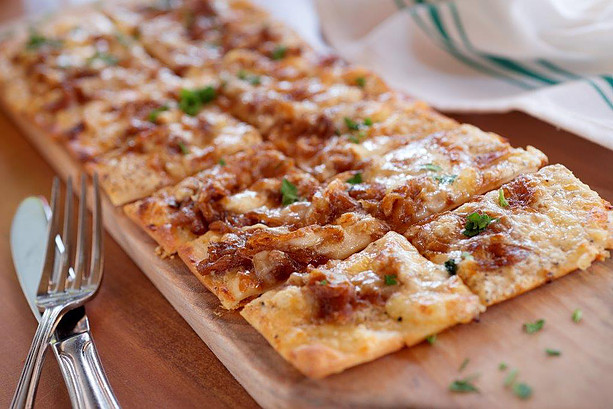
    I8tonite: A Cheat Sheet to Eating in NYC's Little ItalyDinner: Jacques. I know, I know. You are in Little Italy, why the hell am I recommending two French places? Well, it’s because there are excellent Italians restaurants in every place but Little Italy. Head uptown to Lidia Bastianich’s Felidia or Mario Batali’s Babbo. Italians, like the LGBTQ community, aren’t in ghettoes anymore, they are everywhere. So…we’re going French in Little Italy at Jacques. Part of the charm is the escargot, the excellent steak frites, the French accented waitstaff. It’s like being in a real brasserie in Paris without the plane ride. The smoky yellow walls seem to be evidence of a bygone era when patrons and their tobacco habits have left behind the color as a souvenir. Tin signs are extolling French products also decorate the room with wood chairs and benches. It’s very New York-centric and symbolic of a changing neighborhood. They also have some excellent specials such as order a full meal for a couple and get a bottle of wine, meaning two entrees and two appetizers.

    Flatbread at Jacques. From I8tonite: A Cheat Sheet to Eating in NYC's Little Italy

    • Our suggestion: The escargot is excellent. Lots of buerre and garlic for dipping slices of French loaf.  Follow it up with the Pat LaFrieda Steak au Poivre. Medium-rare.
    • Cost: Escargot, $11. The steak, $29…you can’t find a steak for that price at your local butcher.
    • Website: jacques1534.com

    Crosby Street Hotel. From I8tonite: A Cheat Sheet to Eating in NYC's Little ItalyWhere to Stay: The Crosby Street Hotel. An 86-room hotel outfitted with fabric covered walls and Easter egg colored chairs sits at the entry to Little Italy. It’s a modern looking structure tucked in amongst the last remaining tenements apartment building harkening back to New York’s roughed up days.

    I8tonite: A Cheat Sheet to Eating in NYC's Little ItalyFirmdale, the hotelier, does this weird thing saying it’s in Soho but really, it’s Little Italy. Soho is the mostly made-up of cast-iron buildings and is located on the west of Broadway. These are tenements. Regardless, it’s a beautiful, small hotel located off the beaten path much better than the Soho Grand which is just stuffier and older.


    Pin for later:

    I8tonite: A Cheat Sheet to Eating in NYC's Little Italy


    The end. Go eat.


  • i8tonite: Chef Scott Simpson from Auburn, Alabama’s The Depot and Blue Corn Grits

    i8tonite: Chef Scott Simpson from Auburn, Alabama’s The Depot and Blue Corn Grits

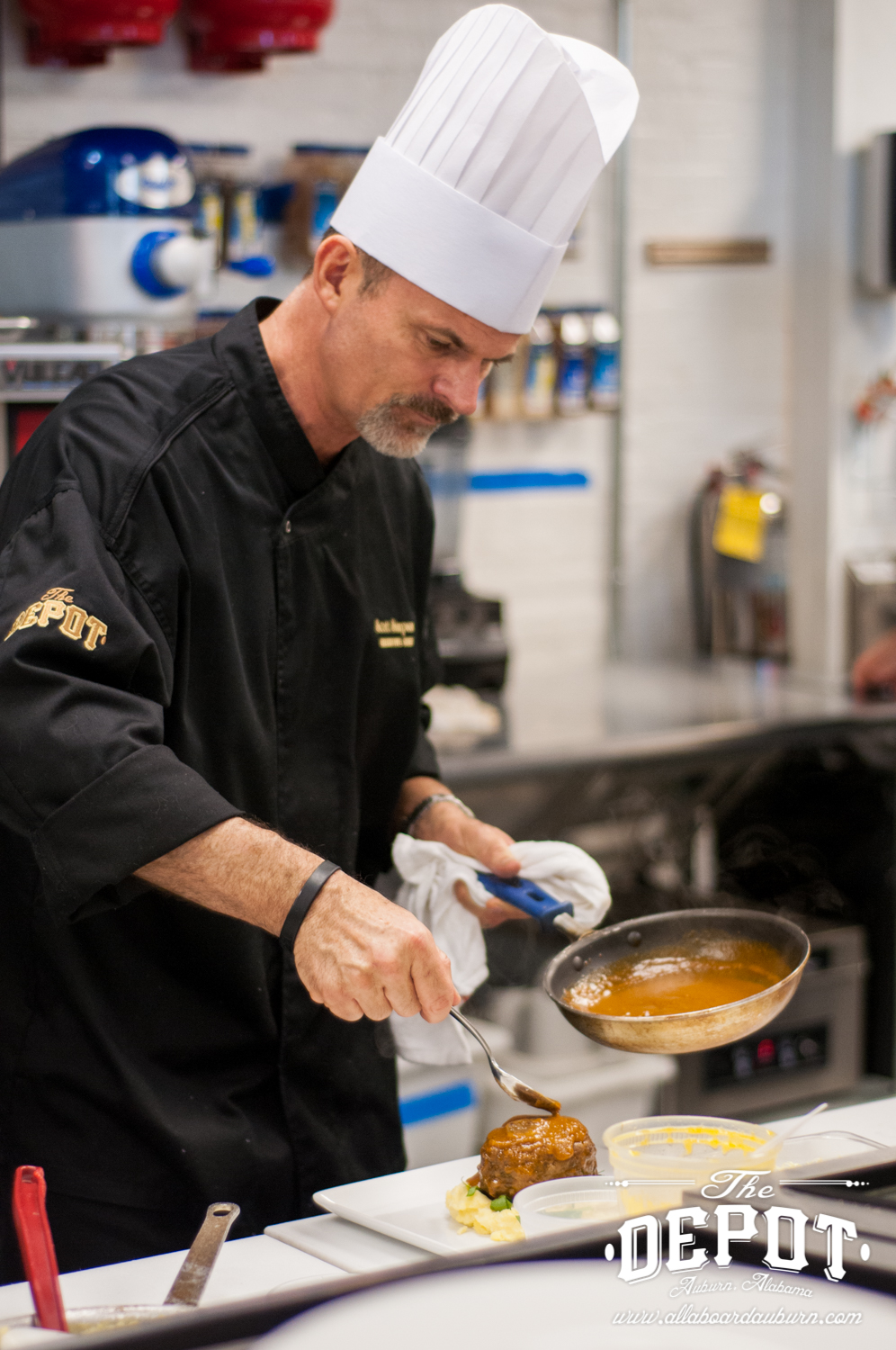
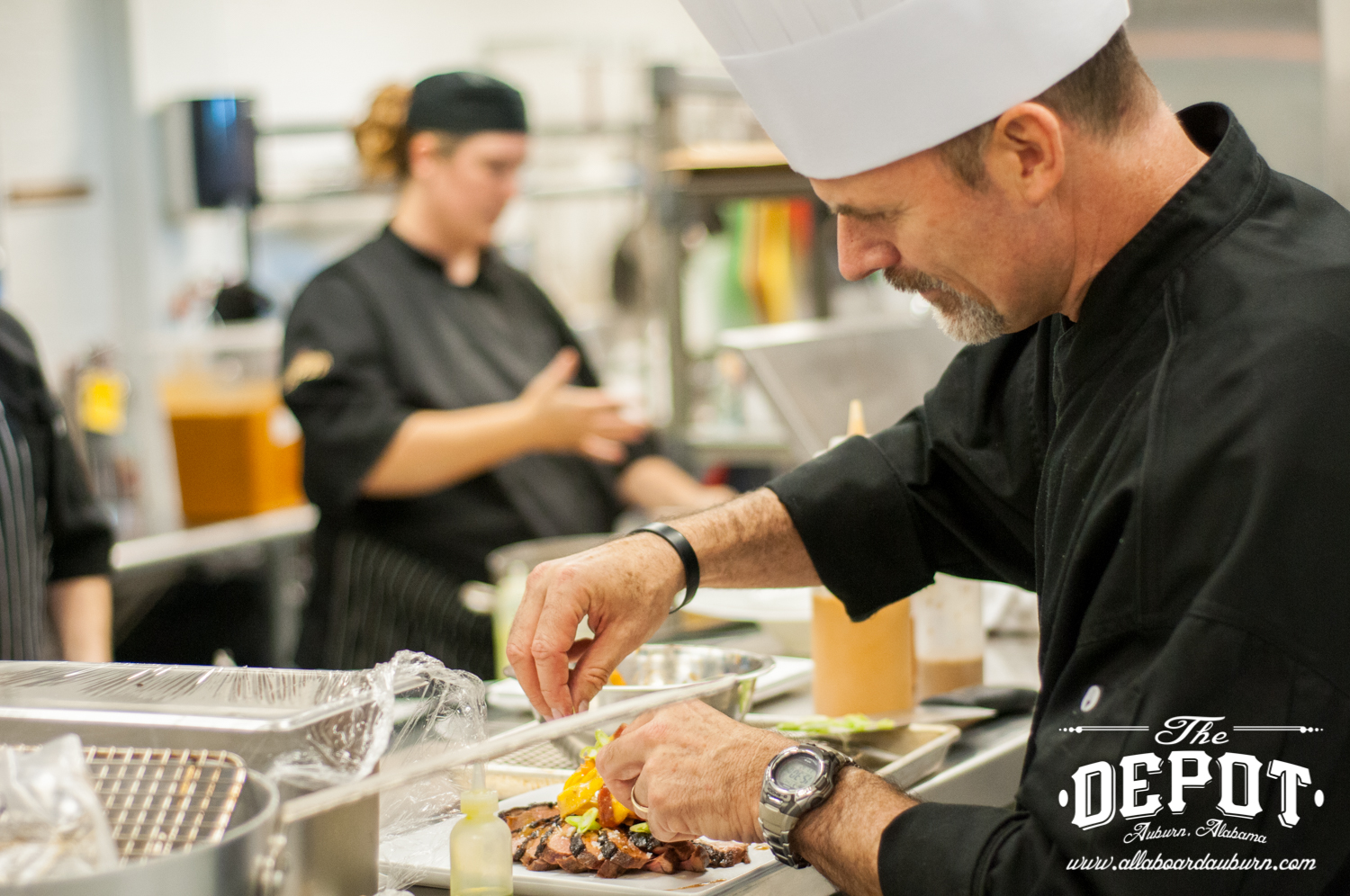
    i8tonite: Chef Scott Simpson from Auburn, Alabama’s The Depot and Blue Corn GritsIn September 2015, Chef Scott Simpson, along with his partners, opened the seafood restaurant, The Depot in Auburn, Alabama. It’s the  newest dining establishment in a town which is also home to the well-known University of Auburn. Overall, the southern enclave, although small compared to larger urban areas, is home to more than sixty thousand individuals, mostly employed by the liberally based higher learning institution.

    It’s a far cry from the Southern California beaches where Simpson grew up and many of the global culinary regions where his chef skills were perfected. For more than a decade, Simpson worked at the JW Marriott, first in Palm Springs and then, cheffing at the property in Quito, Ecuador. He joined Capella Hotel Group, luxury hotelier, as the opening chef for many of their new global properties. He skillfully crafted menus for the room and boards’ restaurants in Mumbai, Bali, Mexico, Singapore, the Caribbean, and domestically, in the United States south including Washington D.C, Virginia Beach, and then to Auburn. At each global stop, Simpson acquired cooking nuances used in each cuisine.
    i8tonite: Chef Scott Simpson from Auburn, Alabama’s The Depot and Blue Corn GritsSimpson says of The Depot, “It’s not Auburn’s normal cuisine. The area hasn’t had global food, so our objective was for the eating experience to be educational yet still be identifiable as having Southern roots.”

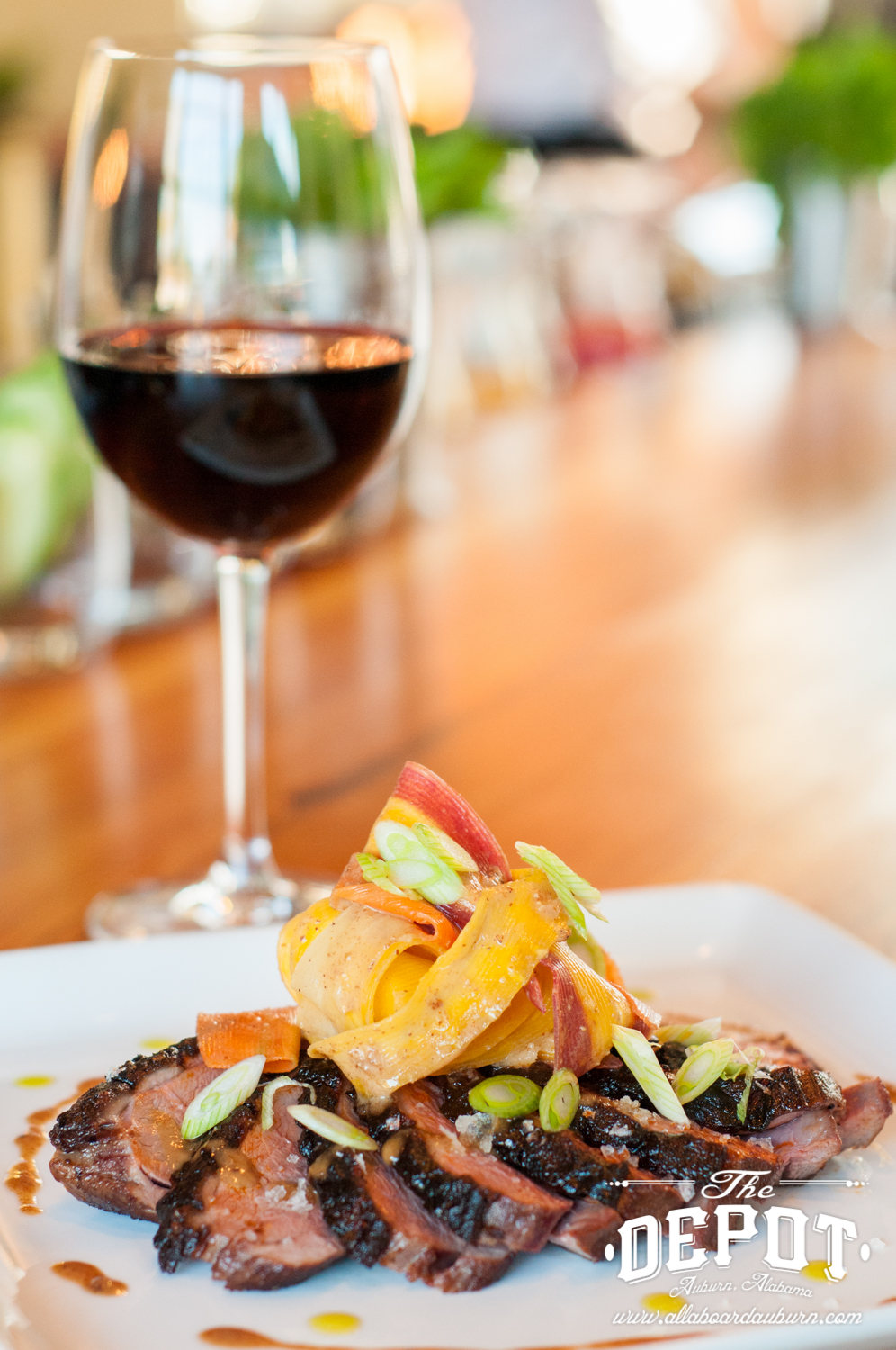
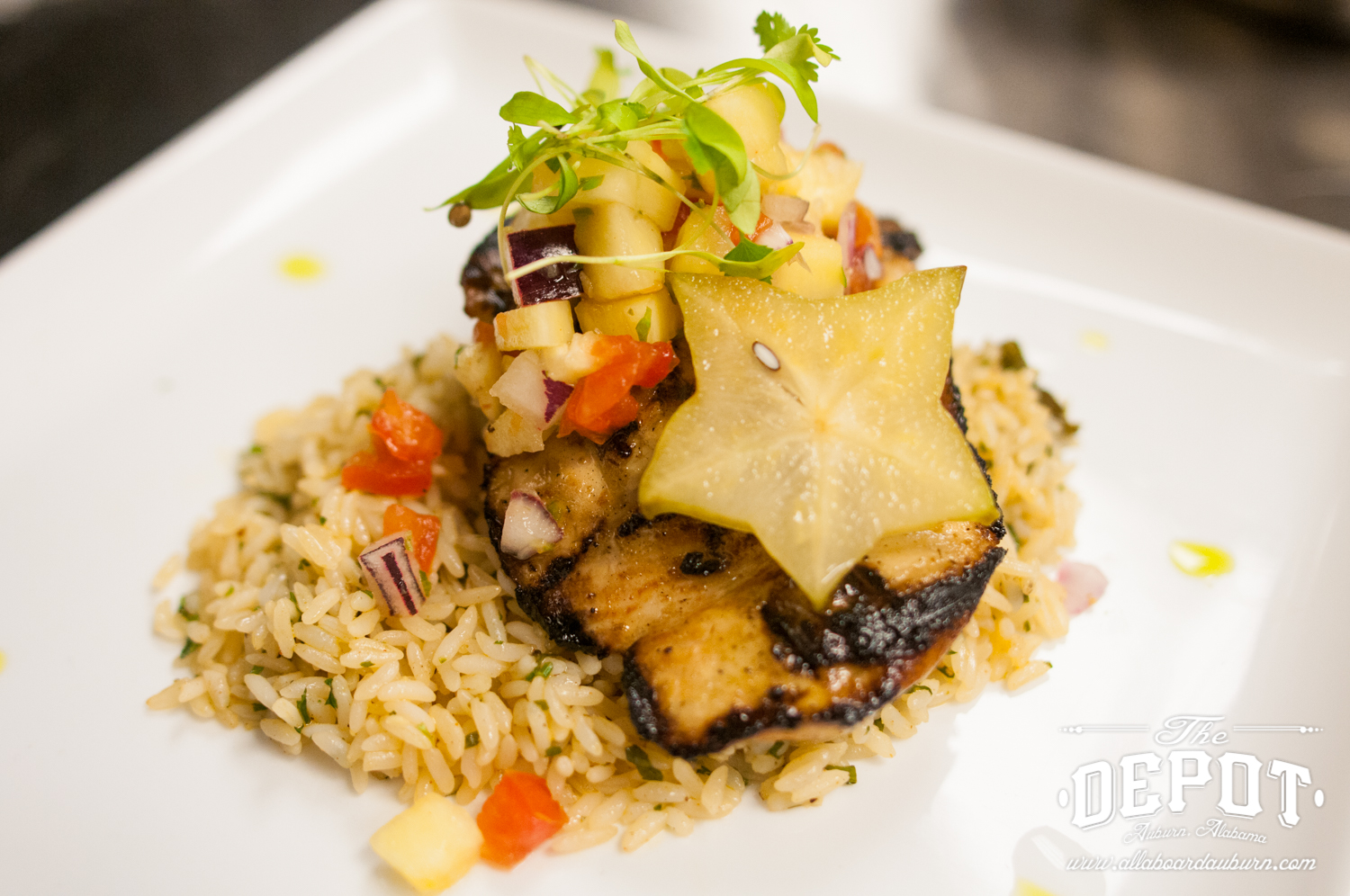
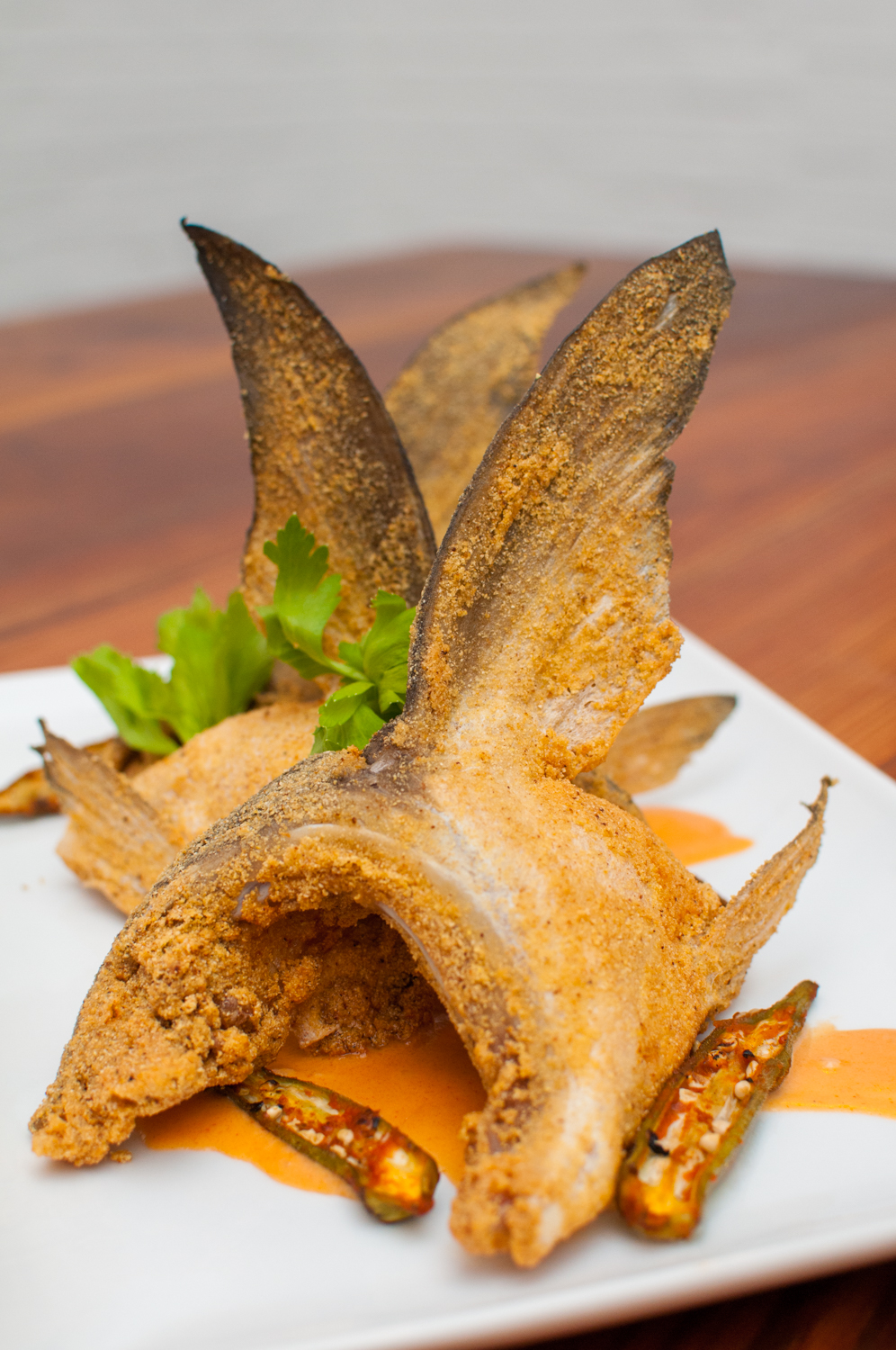
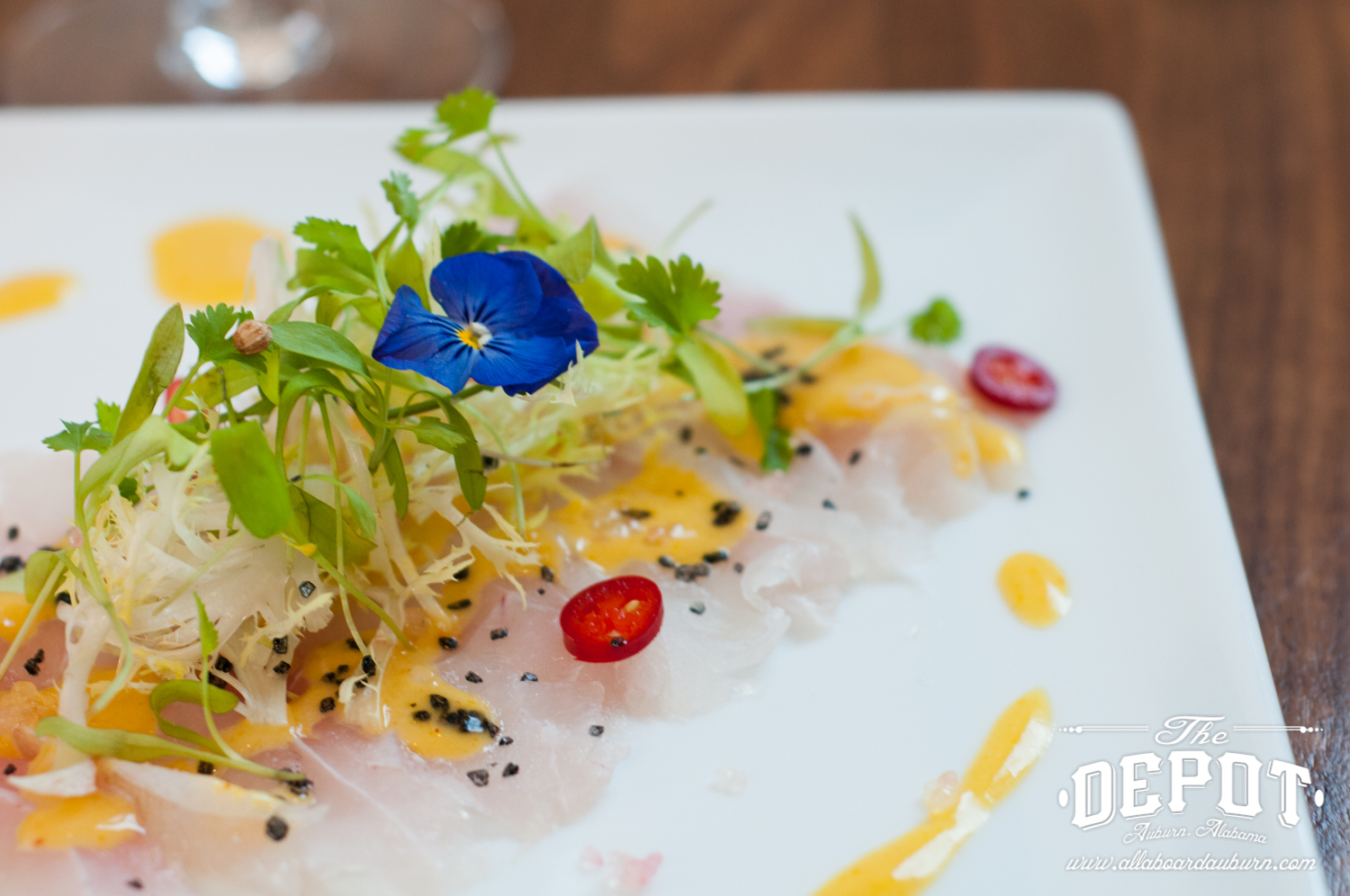
    i8tonite: Chef Scott Simpson from Auburn, Alabama’s The Depot and Blue Corn GritsHoused in a former train station, The Depot was reincarnated as a restaurant, a Southern hospitality showcase to its Victorian birth and former life as a transportation hub. Original black and white tiled floors have a polished sheen, a massive shining chandelier dusts a warm glow over the tufted, leather booths and wooden tables. It’s breathtaking food hall for Simpson to display his virtuosity, skillfully turning the former rail station into a delicious seafood brasserie. From the menu descriptions, there’s an international traveler and culinary master manning the stove, with the flash fried cobia wings served with a buffalo buerre blanc, blackened amberjack with a hoppin’ john risotto, short rib osso buco with an ancho demi glaze. Each item plucked  is an ode to the Deep South combined with an international flavor.

    With The Depot under Simpson’s adroit cookery talent, Auburn may have a destination restaurant to rival any of the big cities. Luckily, for the college town, Simpson is calling it home.

    CHEF QUESTIONNAIRE (with a nod to Proust): 

    How long have you been cooking?  Since I was 8. I have a picture of me on a chair so I could reach the stove and first cooked an omelet.

    What is your favorite food to cook? Super fresh Seafood (It’s also my favorite NOT to cook – nothing like a delicious crudo or sashimi).

    i8tonite: Chef Scott Simpson from Auburn, Alabama’s The Depot and Blue Corn GritsWhat do you always have in your fridge at home? Kerrygold butter, fresh garlic, cilantro, Hass avocados, lemons. Local farm eggs, cooked rice, raw tortillas, an array of international condiments ,and at least 3 distinct varieties of cheeses and some Albarino chilling.

    What do you cook at home? “Somma Pasta” – I like to open my fridge and make a simple and spontaneous some-of-this and some-of-that dish. I love making creative pasta dishes. I received formal culinary training in Florence, and pasta is always a comforting and quick dish to make.

    What marked characteristic(s) do you love in a customer? Adventuresome diners eager to step outside their norm and willing to trust me to introduce them to a new flavor or dish. Sharing guests who have enough appetite to keep tasting and tasting and sharing dish after dish at their table. AppreciativeI love customers who understand this is my artwork, I crave feedback and comments, I am always waiting to hear their honest assessment of the dish.

    i8tonite: Chef Scott Simpson from Auburn, Alabama’s The Depot and Blue Corn GritsWhat marked characteristic do you find unappealing in a customer? I confess I am disappointed in those guests who come in, smile, and say “everything was so wonderful and delicious,” and then terrorize you later that week on Social Media.

    Tupperware, Rubbermaid, or Pyrex? We use clear square Cambro’s in the restaurant to be more space efficient and reduce potential breakage. At home, my wife and I like more eco-friendly, Pyrex style glass containers. They don’t get scratched from scrubbing or stained from a curry or a Spicy tomato sauce.

    Beer, wine, or cocktail? Wine: I spent a lot of my life working in restaurants with amazing wine cellars. I am totally spoiled and have a strong appreciation for the pleasure of wine with food. Plus, I’ve never read a Bible story of Jesus changing water into anything else but wine.

    i8tonite: Chef Scott Simpson from Auburn, Alabama’s The Depot and Blue Corn GritsYour favorite cookbook author? I really respect the meticulous research and commitment to the authenticity of chefs like Rick Bayless or Marcella Hazan. Many other chefs throw all that out the window in order to market a gimmicky twist. Many longstanding recipes and techniques are the way they are for a reason.

    Your favorite kitchen tool?  Tasting spoons.

    Your favorite ingredient? I think Garlic is delicious in most anything and the same for a squeeze of fresh lemon…and never underestimate the difference a great sea salt like Maldon makes.

    Your least favorite ingredient? Sugar!

    Least favorite thing to do in a kitchen? Waste something.

    i8tonite: Chef Scott Simpson from Auburn, Alabama’s The Depot and Blue Corn GritsFavorite types of cuisine to cook? I really enjoy cooking Latin inspired dishes. Certainly I remain humbled by true Indian Cuisine. Still I try to satisfy myself with a semblance of Indian cooking I enjoyed there while working with some of the very best Chefs in all of India.

    Beef, chicken, pork or tofu? I love them all, but beef is hands down what I most often crave – after fresh seafood. I start salivating when I see a tender juicy medium-rare steak. Fewer things are more satisfying than slicing into a perfectly cooked piece of properly aged, high-quality, well-marbled meat.

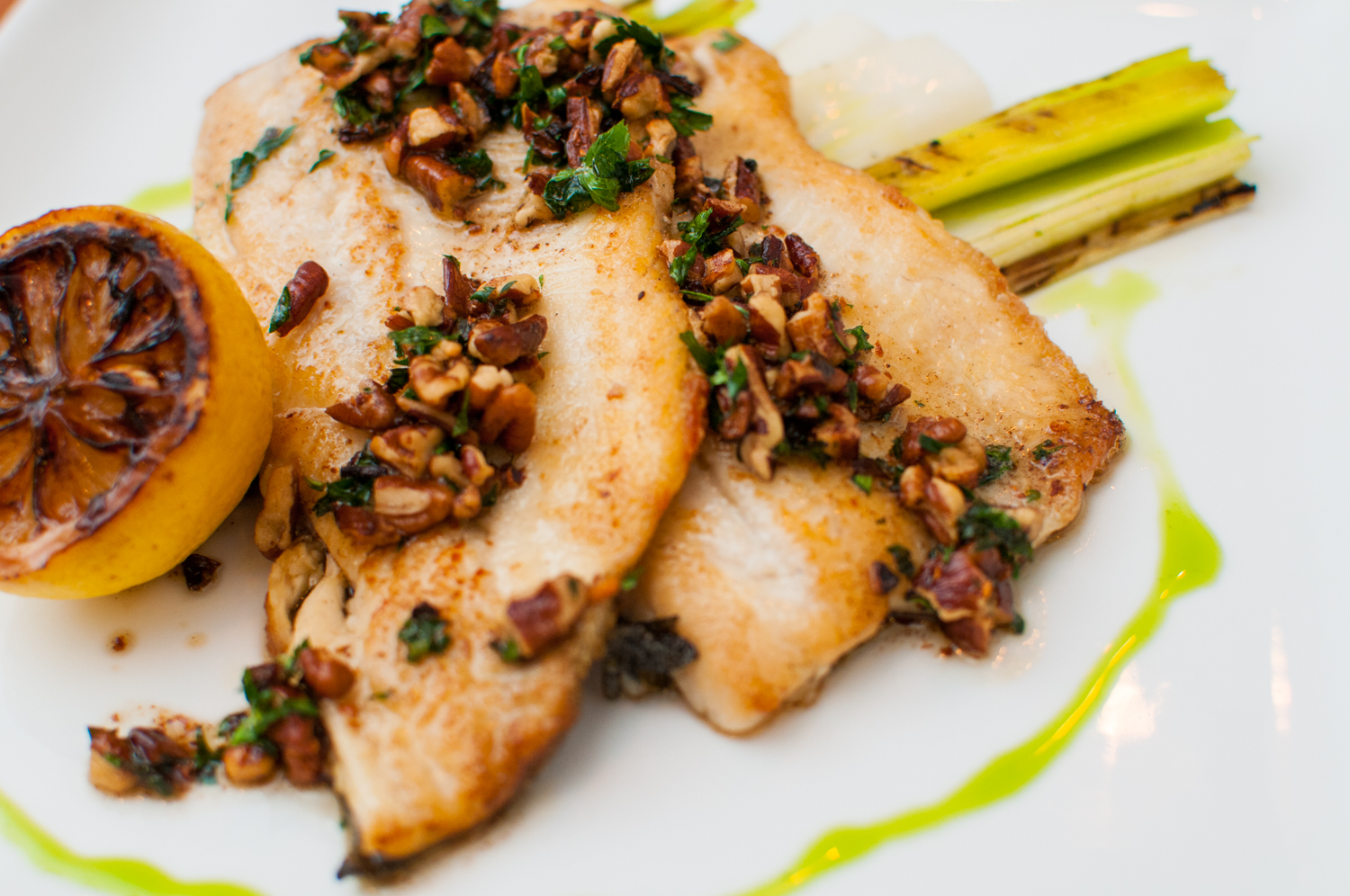
    Favorite vegetable? Super tough question! Frequently I incorporate exotic mushrooms, or eggplant, which enhances many dishes. Also, I enjoy a very simple side of Sea Salt Maple Roasted Carrots that we pair with our Pecan Brown Butter Trout. Right now, I’m featuring some delicious Malabar spinach, rainbow chard, and Red Mustard frills, which are fresh and seasonal here in Auburn, Alabama.

    i8tonite: Chef Scott Simpson from Auburn, Alabama’s The Depot and Blue Corn GritsChef you most admire? I admire Jamie Oliver, simple pure style of cooking, his obvious, passionate enjoyment of cooking. More importantly, he aspires to more than selfish glory or feeding his own pocketbook – he puts his popularity and voice to much better use.

    Food you like the most to eat? I enjoy bold spicy flavors. The cuisine of the Sun and Sea.

    Food you dislike the most? Unauthentic, “mis-prepared” or ruined ethnic specialties.

    How many tattoos? And if so, how many are of food? My art is all edible.


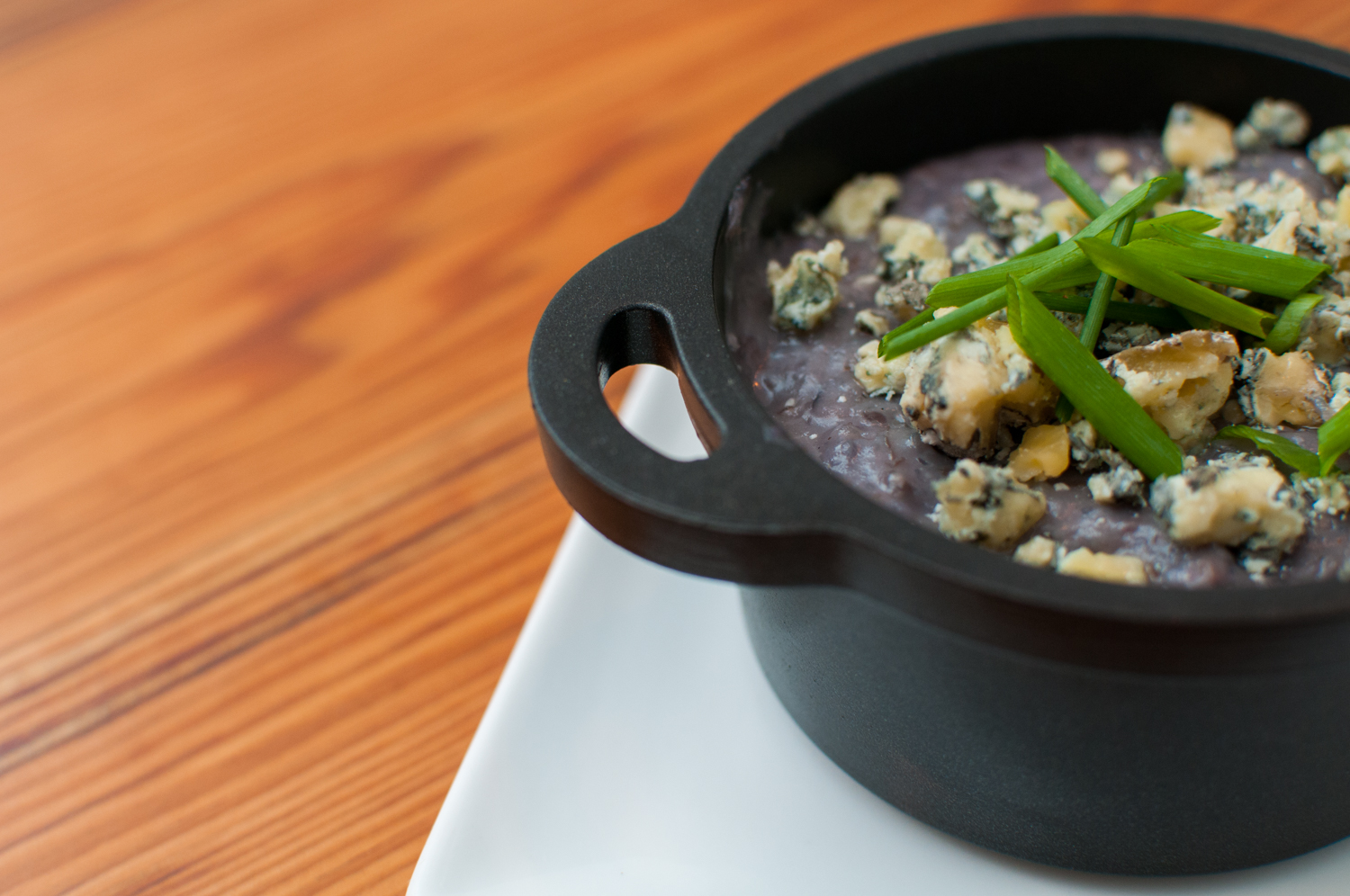
    Recipe: Chef Scott Simpson’s Blue Corn Grits

    i8tonite: Chef Scott Simpson from Auburn, Alabama’s The Depot and Blue Corn Grits

    Ingredients:

    • 2 teaspoons kosher salt
    • 1 qt. water
    • 1 cup stone-ground grits
    • 2 ½ tablespoons butter
    • 2 ½ tablespoons mascarpone
    • Crumbled artisan bleu cheese to taste

    Preparation

    1. Bring salt and water to a boil in a heavy saucepan over high heat. Whisk in grits, and cook, whisking constantly, 45 seconds. Scrape bottom and sides of the pot.
    2. Return to a boil; cover and reduce heat to medium-low. Cook 20 to 25 minutes or until tender. (For a looser consistency, whisk in 2 to 4 Tbsp. water halfway through cooking.)
    3. Stir in butter and mascarpone until fully melted. Garnish with artisan crumbled bleu cheese and serve immediately.

    The end. Go eat.

    (All photos courtesy of The Depot)

  • i8tonite: A Cheat Sheet to Eating in Paris’s 8th Arrondissement

    i8tonite: A Cheat Sheet to Eating in Paris’s 8th Arrondissement

    i8tonite: A Cheat Sheet to Eating in Paris's 8th ArrondissementMany words have been written to describe Paris. We aren’t going to attempt a vain-glorious description ourselves, but trust us that the city is breathtaking in April. Frank Sinatra, Ella Fitzgerald, Sarah Vaughn, and many others have sung “April in Paris,” an ode to the city and its springtime affliction. No other urban setting seems to blossom from relief of winter’s gray as does Paris when the March rains have abated and, in their wake, colorful flowers emerge. Yet Paris is also stunning in summer – although crowded, and during the holidays when delicate ornaments and poinsettias decorate many of the facades, buildings, and shops. Paris is beautiful, period, at pretty much anytime of the year.

    The 8th Arrondissement, also known as The Golden Triangle, is defined by the boulevards of Champs-Elysees, Avenue Montaigne, and George V, producing one of the world’s most desirable neighborhoods. Indeed, many of Paris’s legendary hotels are situated in the area, including the grand Plaza Athénée, the incomparable Four Seasons, and the exquisite family-owned boutique Hotel San Regis.

    Mostly residential and business-oriented, the area has become more of a shopping district, giving Rue Saint-Honóre a run for its euro as the most haute couture street in Europe. Along tree-lined Avenue Montaigne, visitors can shop a host of LVMH boutiques from Celine, Chanel, Gucci, and Dior to name only a few.

    The area is also home to several Michelin-starred dining experiences. If you are a dining aficionado, experiencing one of a Michelin restaurants is an absolute must. The French are masters of fine dining, having pretty much invented it – and personally, I love the pomp and flourishes.

    April in Paris (Vernon Duke/ E.Y. Harburg, 1932)

    I never knew the charm of spring
    I never met it face to face
    I never knew my heart could sing
    I never missed a warm embrace

    Till April in Paris, chestnuts in blossom
    Holiday tables under the trees
    April in Paris, this is a feeling
    That no one can ever reprise

    i8tonite: A Cheat Sheet to Eating in Paris's 8th ArrondissementBreakfast: Paris’s Eighth arrondissement is one of the world’s most luxurious neighborhoods, known for the couture houses and the historic Four Seasons, George V sits regally amongst them. With its stratospheric ceilings, tapestry covered walls, and elegant cornicing decorating the rooms, this is French dining at its finest. Why have breakfast in the three-Michelin starred room when dinner is an epicurean delight? Mon Cherie, if it’s warm, the terraced doors are open wide and the glorious springtime sun dances through the clear glass vases of Jeff Leatham, the hotel’s artistic director and his legendary floral arrangements. (The Four Seasons, George V’s  hotel budget for flowers, at one time, was close to a half million dollars.)  Rainbow prisms dance through the vessels of water and into the 19th century hotel’s courtyard. You know you are in Paris. Sublime.

    Our Suggestion: You think you’ve had scrambled eggs? From personal experience, I will tell you haven’t had deux oeufs until you them at Le Cinq at the Four Seasons, George V. At 18€  for a pair of eggs, whipped into clarified butter, there is really nothing more decadent or surreally edible than the pale, Easter yellow–colored curds. They are served with crust-less toast points, housemade crème fraiche butter, and a selection of jams and preserves. The large tapestried chairs and tables, as well as each place setting, were designed specifically for George V.

    • Price: 18€.  At the time of this writing, it equates to about $9 an egg but it does come with the toast. Coffee is separate. (Ahem.)
    • Hours: 7:00am – 10:00am
    • Website: http://www.fourseasons.com/paris/dining/restaurants/le_cinq/
    • Address: 31 Avenue George V, 75008, Paris, France
    • Phone: 33 1 49 52 71 54

    i8tonite: A Cheat Sheet to Eating in Paris's 8th ArrondissementLunch:  Publicis Drugstore. A drugstore for your allergy medicine, a bookstore for reading, three restaurants including Chef Joel Robuchon, a perfumery, a bar, and a movie theatre. Take your medicine, followed by coffee at the bookstore – you read a little of Hemingway because you’re in Paris and that’s what l’americains do – then head to the cinema. (In Paris, people see films or cinema – never a movie or a screener.) Repeat. No need to go anywhere else. It’s an upscale, chic version of a strip mall. Nothing quite like it.

    Our Suggestion: La Brasserie. Have a burger. Just eat it. It’s delicious and as you’re eating it you say to yourself, “Why aren’t American burgers this good? All. The. Time.” Have some wine to wash it down. If you get a window table, you can finagle your camera so the Arc de Triomphe, your food, and strolling Parisians are in one shot.

    • Price: 15€
    • Hours: 8:00 am – 1:00am
    • Website: http://www.publicisdrugstore.com/
    • Address: 133 Ave de Champs-Elysees 75008, Paris, France
    • Phone: 33 1 44 43 79 00

    i8tonite: A Cheat Sheet to Eating in Paris's 8th Arrondissement Cocktail: L’Avenue. You’ve worn out your credit cards shopping up and down Avenue Montaigne only to come to the legendary L’Avenue. European celebrities, Hollywood stars, and the fashion elite hang out just to mingle like it’s a Vanity Fair party.  And the paparazzi hang out, waiting for their shot. It’s a must for any well-dressed, cosmopolitan tourist-  but it is very difficult to get into even after being open for over a decade. If you arrive early enough and settle in with one of your shopping bags from Chanel, Dior, or Celine, they will seat you for an afternoon aperitif. (This is a sister establishment to the famed Hotel Costes, and the Costes Brothers team, who created the omnipresent electronic-based bar music almost twenty years ago. You’ve heard it from Singapore to Buenos Aires to Greenland.)

    • Our suggestion: Order a glass of French wine or a martini.  Europeans never put enough ice in the cocktails.
    • Price: Varies
    • Hours: 8:00am – 2:00am
    • Website: http://www.avenue-restaurant.com/
    • Address: 41 Avenue Montaigne, 75008, Paris, France
    • Phone: 33 1 40 70 14 91

    i8tonite: A Cheat Sheet to Eating in Paris's 8th ArrondissementDinner: Pershing Hall.  The hotel and restaurant is glorified by the fashion industry’s elite and is contained in a 19th century building leased by the United States. The hall was dedicated to the John J. Pershing, the only general to receive the highest rank of General of the Armies, during his lifetime. Designed by the late, fabled Parisian decorator Andree Putnam, who planned the interiors for Ian Schrager’s New York-based boutique property, Morgan’s Hotel. Heavy glass bead curtains partition separate dining areas. A vertical garden rises up six stories on one side of the inner courtyard, making the inhabitants feel as if they were part of Tarzan’s jungle without leaving the safety of Paris. This is a revered piece of design work which has now been copied the world over – and the best part, you get to eat there.

    Our suggestion: Beef or tuna tartare. Tartare is very much a French gastronomic invention. Made with impeccable grades of meat, a “steak” is finely chopped with capers and herbs and topped with a raw egg. Delicious.

    • Price: Order the land (beef), 18€, and sea version (tuna), 18€, along with a side dish of Russian caviar served on a hard-boiled egg, 130€. To drink, a super cold martini or a flute of champagne.  That’s the way to roll.
    • Hours: Sunday – Monday, 7:00am – 1:00am, Tuesday – Saturday, 7am – 2:00am.
    • Website: www.pershinghall.com
    • Address: 49 Rue Pierre Charron 75008, Paris, France
    • Phone: 33 1 58 36 58 00

    i8tonite: A Cheat Sheet to Eating in Paris's 8th ArrondissementStay: Four Seasons, George V

    I know, I know. You’re thinking who is this guy who is going to recommend the Four Seasons, Paris? First, the French are the best at service. It’s not born from fawning obsequiousness, but a genuine pleasure in making sure guests receive the best. If you are happy, they are happy. Staying at any of the French hotels is definitely an experience, but if you’re in the 8th, and  have a few Benjamins to burn, this would be my suggestion. There is an indoor pool, one of the few hotels in the City of Lights to have one (except the re-modeled Ritz will be having one soon, too).  www.fourseasons.com/paris

    The End. Go Eat.