Category: Food People

  • Tucson’s Black Foodways and the Sonoran Desert

    Tucson’s Black Foodways and the Sonoran Desert

    Black American history is incorporated into the story of Southern Arizona in ways we don’t see in other cities. In the Sonoran Desert, Black life didn’t grow out of the big migration waves or the busy neighborhoods that influenced food in Chicago, the South, or Los Angeles. There were no rows of storefronts, no restaurant scenes built on being seen. Instead, in this arid landscape, where survival depends on resilience, Black communities adapted to the land, forming in small, often invisible ways.

    Black history in Tucson and throughout the borderlands starts with the Spanish colonial era, not the U.S. South. By the mid-1500s, Afro-Mexicans were living throughout the region, outnumbering white settlers, with Mexico ending slavery in 1829. After the Civil War, the Buffalo Soldiers stationed in Arizona remained and built lives there.  As time passed, Black Arizonaians entered the military, worked on the railroads, taught, and held civic jobs. Neighborhoods formed, as they often do, around churches, schools, and civic institutions.

    Enslavement under Spain was brutal, just like that of those bought and sold in the American South, but it operated differently. Spanish colonial slavery allowed for indentured servitude, wage earning, and migration freedom, so by the eighteenth century, many people of African descent in Mexico, then called New Spain, were living outside plantations or farms. Regarding food, cooking was done at home rather than along trade routes, unlike much of the Confederacy. In other words, they were tending their farms and livestock because they owned them. In Chicago and other northern Midwest cities, Southern recipes and traditions were sustained by churches, clubs, and restaurants that served as community gathering places. In the South, food came from working on plantations and farms.  Black cooking along the West Coast is part of a broader conversation, blending with Mexican, Central American, and Asian Pacific flavors.

    Black Buffalo Soldiers stand and sit near a military camp in the American Southwest in the early 20th century, surrounded by tents and arid landscape.
    Buffalo Soldiers at a military camp in the American Southwest, early 20th century. Public domain image, Library of Congress.

    In Tucson, Black life took shape through military service, particularly at Davis-Monthan Air Force Base, because the city is a service town—railroad jobs, education, and civic work—not through dense neighborhoods like Harlem or South Central. There was never a big soul food scene here. Instead, a blend of Afro-Mexican and Mexican cultures began to emerge, found in ingredients that could withstand the heat. The result is a mix that also draws from Indigenous culinary history, too, in what the desert grows and sustains.

    Importantly, the Tucson Black History Museum tells the story of Black culture in Southern Arizona, weaving work, service, and the slow building of community, not through big culinary scenes.   Across the region’s churches, homes, and workplaces, the food stories told become part of everyday life rather than being celebrated publicly.

    Portrait of a Buffalo Soldier in U.S. Army uniform from the late 19th century, photographed in a studio setting.
    Portrait of a Buffalo Soldier, circa 1896–1899. Public domain image courtesy of the Smithsonian National Museum of African American History and Culture

    Preserved by the museum, a quote from a longtime resident, “You cooked what you could get here, not what you remembered from somewhere else. The desert decided a lot of that for you.”

    The other night, I cooked cod with garlic, butter, lime, and chiltepín. I used what I had on hand, which I thought might honor those before me. I served the pan-roasted fish with quinoa, roasted cabbage and green onion. It’s a Borderlands meal, but the ingredients might show up in Black kitchens in Borderlandia. Instead of vinegar or tomato sauce, lime provides acidity, shifting the flavors toward the Southwest. Chiltepín, native to this region, adds the heat. Quinoa can be used in place of sorghum or rice, though either would work.  The farmers-market cabbage and green onions, sautéed and mixed in, tie it together.

    These ingredients don’t match what you’d find in Chicago, the South, or Los Angeles, because life and farming are defined by the desert and what grows here. Everything in the Sonoran has to adapt to heat, to scarce water and to being resilient in the face of adversity.

    Paddle cactus at Mission Gardens

    Recipe

    Cod with garlic, lime, butter, and chiltepín

    Quinoa with charred cabbage and green onion

    Serves 2

    Ingredients

    2 cod fillets

    Olive oil

    Salt and black pepper

    2 tablespoons butter

    2 garlic cloves, smashed or thinly sliced

    1 lime

    Chiltepín, crushed, to taste

    1 cup cooked quinoa

    2 cups thinly sliced green or Napa cabbage

    2 green onions, sliced

    Roasted unsalted peanuts, chopped or crushed

    Instructions

    Begin by cooking the quinoa, then set it aside. 

    Heat a wide skillet over medium-high heat with olive oil. Add the cabbage and let it sit undisturbed for a minute or two, until it starts to char. Stir, add the garlic, season with salt, and cook until tender, with browned edges. Remove from the heat and fold into the quinoa, along with the green onion and peanuts, if using. Finish with lime zest, a small squeeze of lime juice, and salt to taste. Set aside.

    Pat the cod dry and season with salt and pepper. Heat a skillet over medium-high heat with olive oil. Add the cod and cook without stirring for approximately 3 minutes, until lightly browned. Flip, add butter and garlic, and baste the fish for another 1 to 2 minutes as it finishes cooking. Remove from heat and finish with lime juice and a pinch of crushed chiltepín.

    To serve, spoon the quinoa and cabbage mixture onto the plate and place the cod on top. Drizzle some of the spicy butter and lime sauce over the fish. 

  •  Cooking with Tucson’s Indigenous Ingredients

     Cooking with Tucson’s Indigenous Ingredients

    How a Newcomer to the Southwest Dips His Toes into the Holiday Festive Glaze.

    When Nick and I picked Tucson as (hopefully) our final move and — yes, our last destination — I knew I didn’t have a clear picture of Tucson’s Indigenous ingredients or the region’s complex food history, even after living on both U.S. coasts and in seven cities. Tucson, also known as the Old Pueblo, is full of gastronomical history, indeed the country’s oldest, going back nearly four centuries. In comparison, I’ve spent years writing about ingredients, cooking techniques, and chefs in their kitchens, and I’ve felt confident in my descriptions and use of both gluten-free and non-gluten-free ingredients. Living in the Sonoran Desert is making me realize my usual approach doesn’t apply here.

    This Tucson gluten-free almond cake came out of that intention — something simple, something I could bake without fuss, but still tasting like the Sonoran Desert brushing up against my kitchen. Hibiscus for tang and color, citrus for brightness, almonds for body. It’s the kind of dessert that lets the region show up without trying too hard.

    Tucson isn’t a “farm-to-table” town in the way the Midwest is. It’s much older than that. What you see in markets and farmers’ markets traces back to Indigenous farming methods that have been here long before the United States existed. Tepary beans. Mesquite. Chiltepin. The three sisters — corn, squash and beans. Sonoran white wheat. These are foods created by people who figured out how to thrive in arid conditions, stark heat and scarcity, including long periods of drought. Yet, they managed to build a culinary region with depth.

    I’ve certainly not used many of the new ingredients I’m surrounded by, such as the beans or nopales.  Instead of asking myself, “What’s seasonal?” I’m now asking no one but me, “What survived here, continues to grow and why?” It creates a different way of viewing local Ingredients. And, these, of course, carry stories as well as the people who cultivate them, too.

    I’ve also been reading how longtime Tucson restaurants have done this work. Wildflower, native Tucsonan and restaurant impresario Sam Fox’s first restaurant, manages to highlight the region without leaning on trends. No doubt you know his Culinary Dropout or Flower Child, and the selling of his empire to the Cheesecake Factory netted him $800 million. It opened more than two decades ago and still draws a regular clientele because it balances a sense of place with a contemporary atmosphere: no adobe wall or cactus but a well-lit, sexy space. The menu changes enough to keep new and old customers happy, but you’ll always find something tied to the desert, such as mesquite, squash, cinnamon and Oaxaca cheese. 

    So, I’m trying to cook with the foods that matter to my new home. I’m buying mesquite flour. I’m reading up on tepary beans. I’m reaching for chiltepin instead of the usual red pepper flakes. And I’m letting Tucson teach me to look at food from a different, more inclusive perspective.

    This week’s recipe is an almond cake with cinnamon, covered in a “pretty in pink” hibiscus glaze, which isn’t ancient or Indigenous. But it uses items such as almond flour (while wild desert almonds can be made into a flour—this Bob’s Red Mill almond flour), hibiscus, an edible flower found throughout the Southwest, and cinnamon, brought to the region in the 16th century by the Spanish. It tastes sweet and right while showcasing the beauty of where I’m living now. It’s easy, with hints of sweet floral notes and pantry ingredients I have on hand – except the hibiscus syrup. (You can find that online or at specialty stores like AJ Fine Foods. It’s where I purchased mine.)  And sometimes it’s enough to acknowledge the food where you moved, combined with familiar elements that you know. 
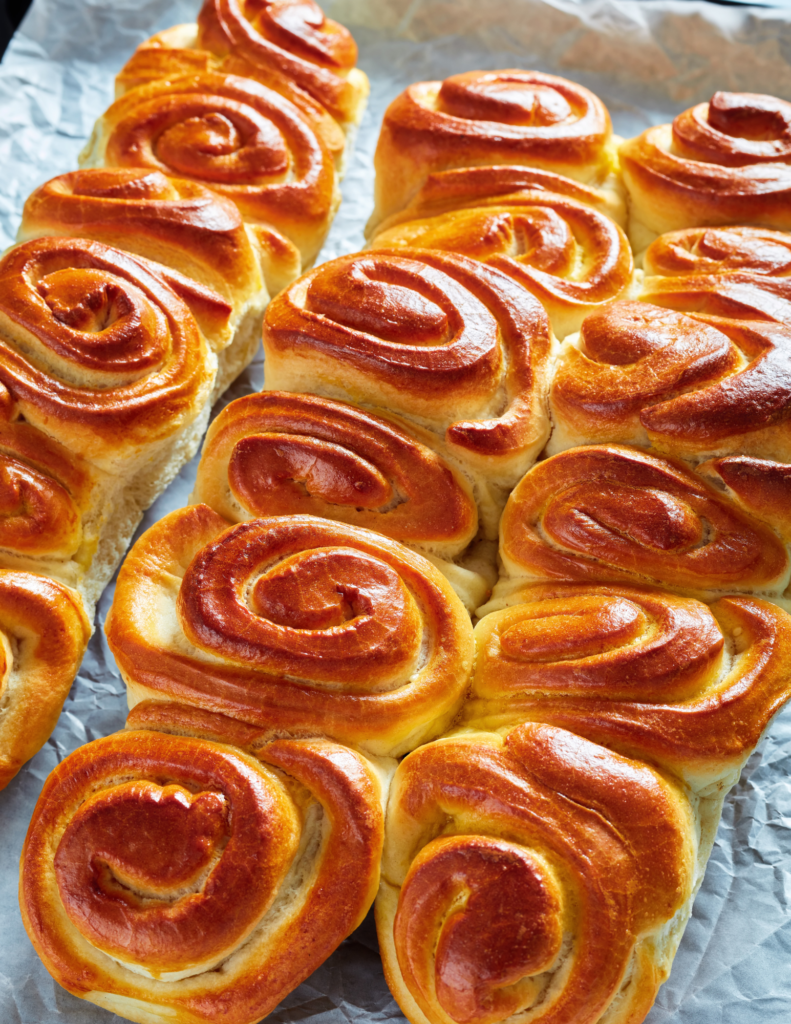
    Importantly, it’s festive enough for the holidays.

    Almond Cake with Cinnamon and Hibiscus Glaze

    Serves 8

    Almond Cinnamon Cake with Hibiscus and Orange Glaze

    Ingredients

    • 1 ½ cups almond flour
    •  ½ cup white rice flour
    •  1 teaspoon baking powder
    •  ¼ teaspoon baking soda
    • ½ teaspoon kosher salt
    • 1 teaspoon ground cinnamon
    • 2 large eggs, room temperature
    • ⅓ cup neutral oil (avocado, canola, grapeseed)
    • ½ cup sugar
    • 1 teaspoon vanilla extract
    • ½ cup milk or a milk alternative

    Hibiscus Glaze

    • ½ cup powdered sugar
    • 2 to 3 tablespoons hibiscus syrup (adjust to taste and thickness)
    • A gentle squeeze of fresh orange juice for brightness (Optional)  

    Directions

    1. Preheat oven to 350°F. Grease an 8-inch round cake pan and line the bottom with parchment.
    2. Whisk the dry ingredients together in a medium bowl: almond flour, rice flour, baking powder, baking soda, salt, and cinnamon.
    3. In a separate bowl, whisk the eggs, oil, sugar, vanilla, and milk until smooth.
    4. Combine the wet and dry ingredients. Mix until just blended. The batter will be slightly thick.
    5. Pour into your prepared pan and smooth the top.
    6. Bake for 22 to 28 minutes, or until the center is set and a toothpick comes out clean.
    7. Cool completely before glazing.
    8. Make the glaze: whisk the powdered sugar with hibiscus syrup until it reaches a pourable consistency. Add lime juice if using.
    9. Drizzle glaze over the cooled cake. Let it sit for at least 15 minutes before slicing.

    LEFTOVERS

    Local: Tucson
    Tucson’s KGUN reports that the MSA Annex at Tucson’s Mercado District continues to grow, adding two new food spots to its westside lineup. BŌS Burger opened with Japanese-leaning Wagyu smash burgers and katsu-style sandwiches, while Hidden Hearth Bakery started serving whole-grain, fresh-milled breads in late November.

    Regional: Arizona and the Southwest
    According to The Glendale Star, A 16-year-old was hospitalized after visiting the fair on Oct. 26. She and several others say the illness began after petting pigs at the fair’s zoo. 

    National:
    The USDA Economic Research Service says food prices in the United States will continue to rise in 2026. The agency’s latest Food Price Outlook projects an increase over all food categories of about 2.7 percent next year, with grocery costs climbing roughly 1.2 percent and restaurant prices up an estimated 3.3 percent. The forecast states that uncertainty remains high, driven by tariffs and climate-related disruptions.

  • Beautiful, Longer Days: Foraging for Wild Onions & Garlic

    Beautiful, Longer Days: Foraging for Wild Onions & Garlic

    Imbloc, A Celtic Tradition: The Period Between Winter Solstice and Spring’s Beginning

    Did you know that cheesy onion biscuits with a big smear of butter are associated with gratefulness and optimism? It’s one of several dishes historically found at meals that celebrate February 1st—Imbolc or Astronomical Spring—and February 2nd, which has morphed into the modern Groundhog Day. Humans have enjoyed particular dishes to ritually and emotionally welcome the lengthening day for millennia. People understood they depended on seasonal food access and that even hunting was at the mercy of weather and animal behavior.

    The etymology of Imbolc refers to “in the belly” since domestic animals are pregnant in winter and produce milk for the babies born in the spring. It may still be quite cold or snowy, but tendrils of green are climbing up from the soil.

    Some communities stored domesticated animals and harvests for winter, while others relied primarily on foraging and hunting. By winter’s end, food was getting scarce. Imbolc marks the incrementally extended daylight that awakens wild garlic and onions—some of the first fresh plants to appear. People build fires, sharing revelry and gratitude for making it through winter with feasts. Grains, cheeses, butter, milk, and optimistic spring greens make up these meals. Even now, we enshrine these foods as symbols of early spring.

    We can invite this festive and grateful energy into this century and our lives. What a cheerful way to interrupt the sometimes oppressive cold and gray winter days. In the 21st century, people are not as tightly bound to seasonal rotations or natural light cycles due to their connection to the grid and the global food industry. We entrench ourselves in the hustle of deadlines, the economy, careers, staying informed, grocery shopping, laundry, rush hour, crime statistics, and paying bills.

    But we are also sensuous mammals, our senses enmeshed with light, temperature, scents, and sound changes. All of these stimuli trigger responses in our bodies and behavior. Our modernity abstracts how we entangle with nature, and trivializing its influence shrinks our impulse to be playful, contented and inspired. Consider an Imbolc-inspired meal with your family to root yourself back into rhythms and cycles. Or reach out to others and have a potluck feast with a gathering of people. You can share the Onion and Cheese biscuits and an excellent rich butter. The ingredients are probably already in your home or easily picked up at a market.

    Science and folklore agree that it is good for our health to give some time and attention to our environment and share it with other living beings.

    One way I’ve started to appreciate the living beings I interact with every day is to learn their names. I’ve begun discovering what wild plants are edible around me growing wild. I experiment with gardening but am more intimidated by it than Early Spring foraging. Early spring is a low-effort window for beginners like myself because there’s only a little green coloring in the soil. It’s much easier to discern one plant from another.

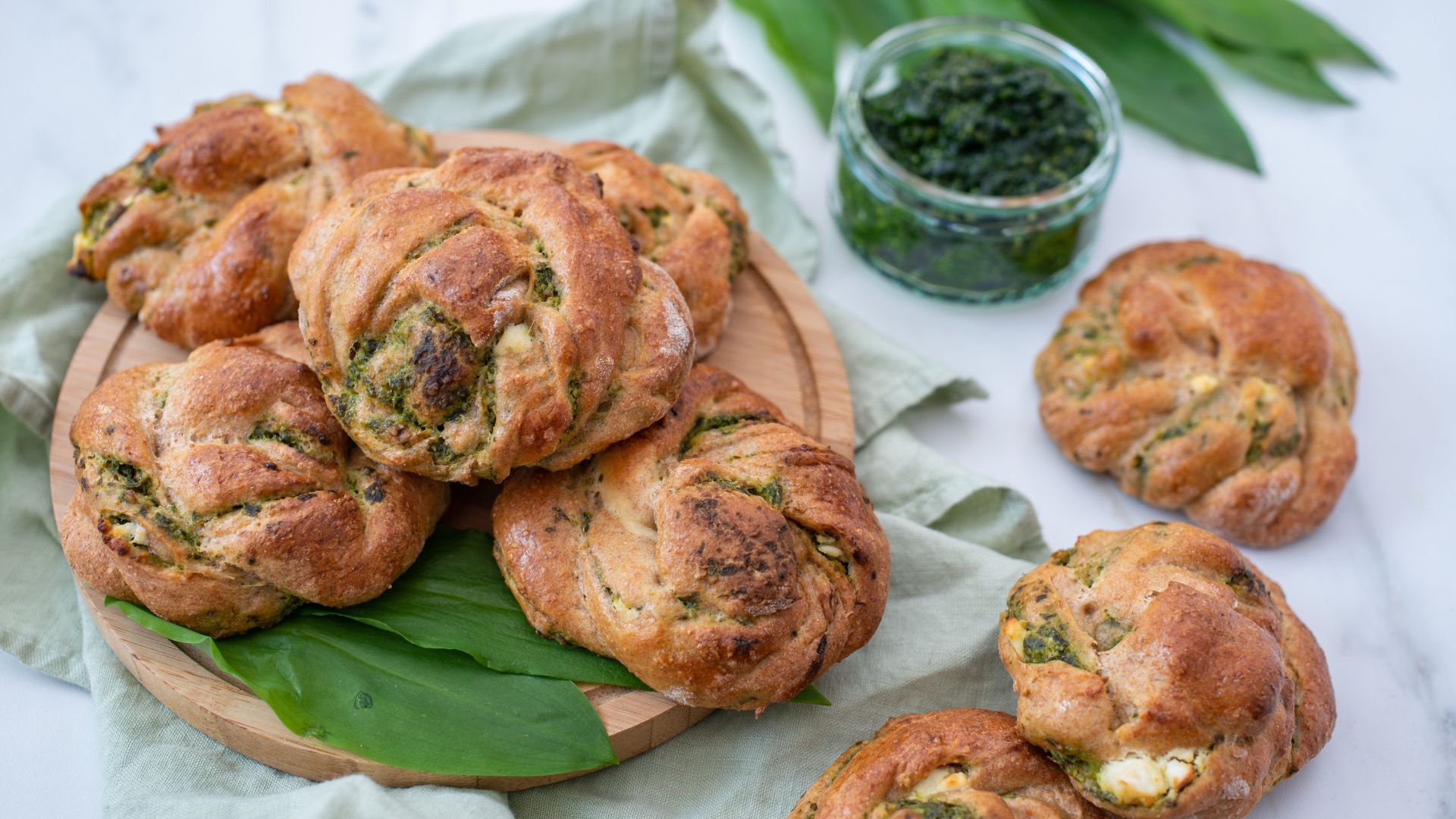
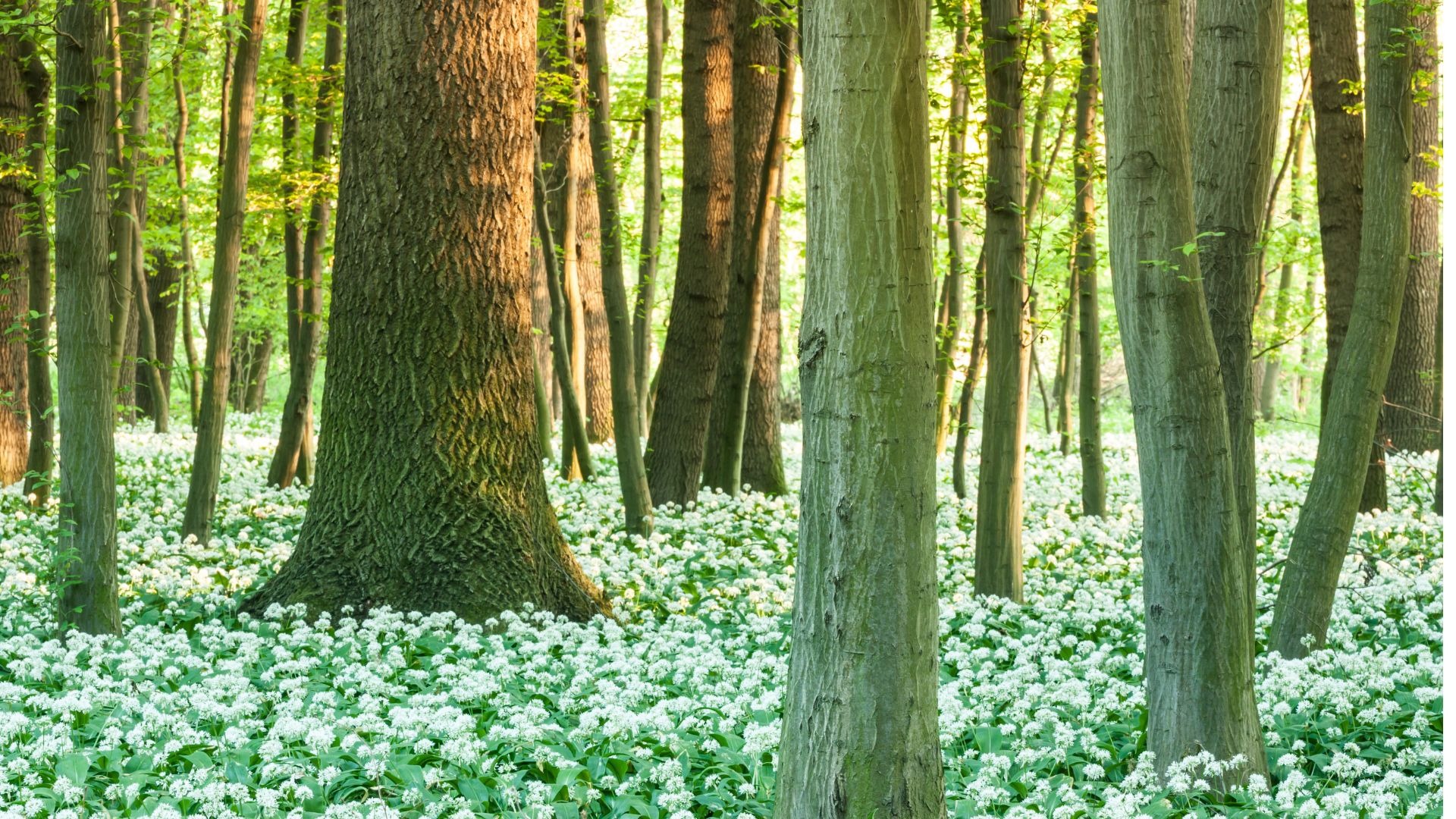
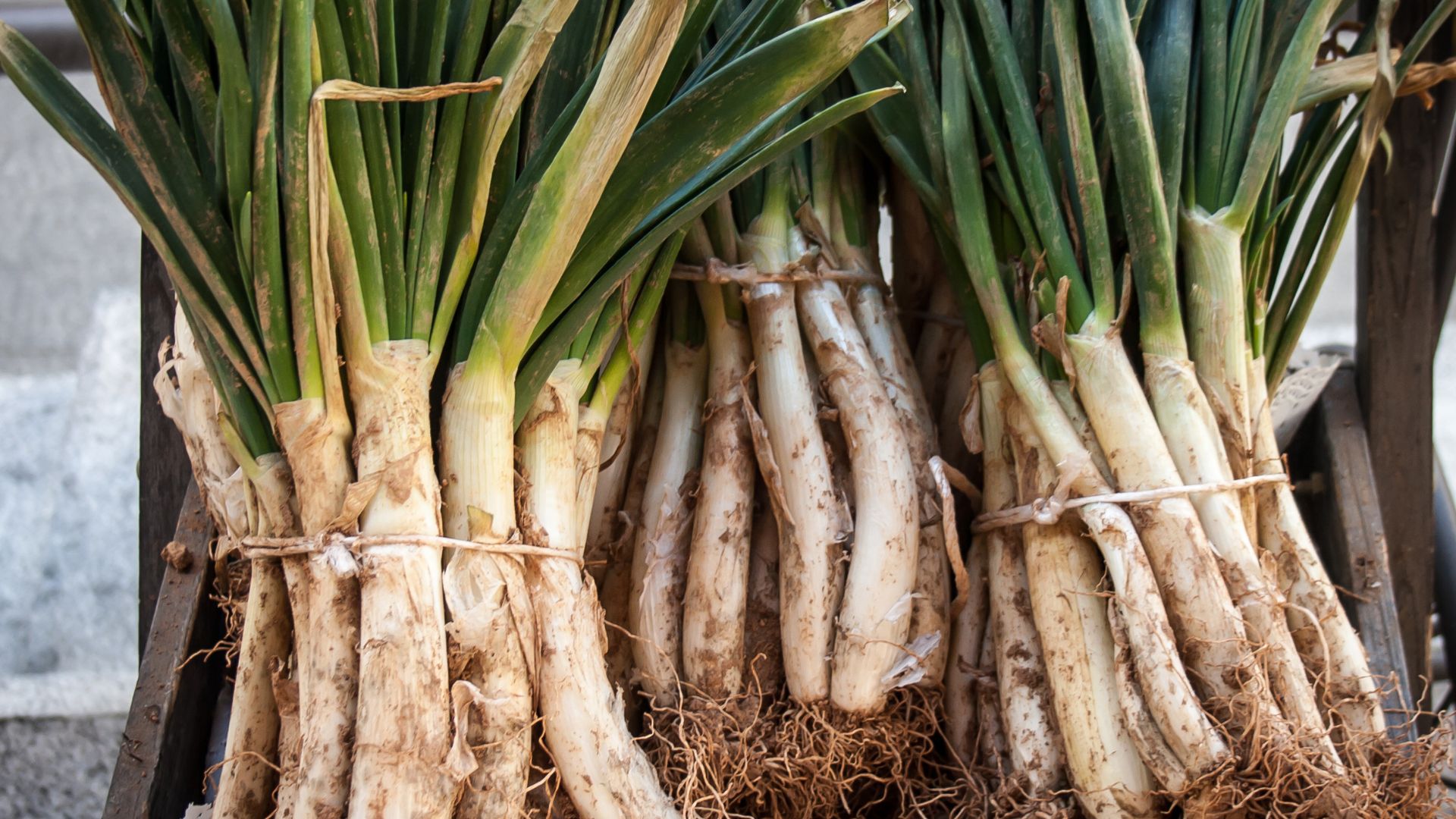
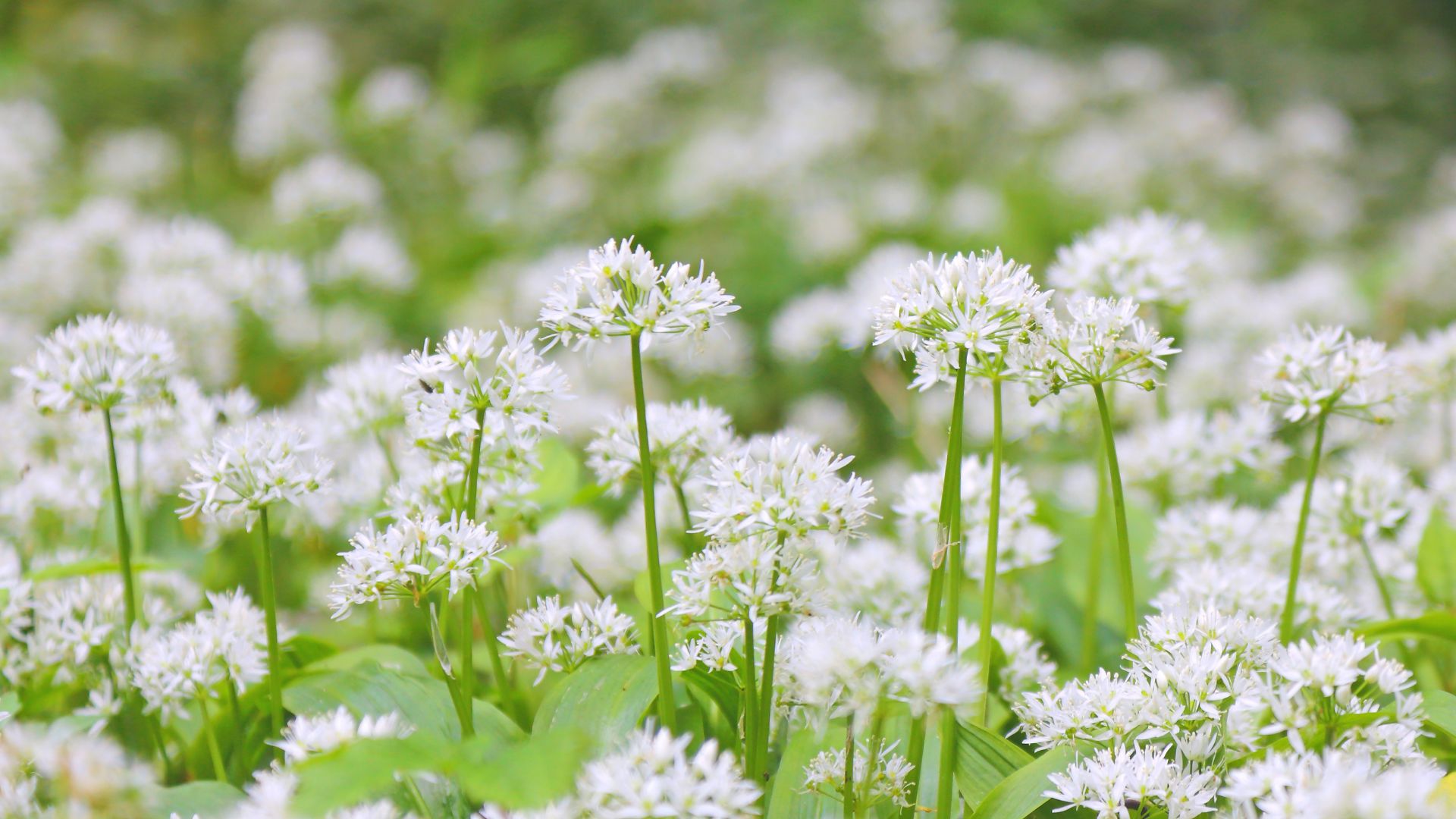
    If you’d like to be bold and find a plentiful, unassuming plant to forage and use immediately, find field garlic (allium vineale) and field onions (Allium Canadense). They grow almost anywhere. In the Northern Hemisphere, they sometimes appear on winter days with some warm sunshine. In early spring, they come forth and are often mistaken for fast-growing grass.

    Step one: Find a field or a yard. It could be your yard, a shared bit of grassy area in your apartment complex, landscaping at your place, a public park, or an edge of woods. Field onions and garlic grow anywhere in soil and sunlight.

    Do take a moment to consider the “isolation” of your spot. I prefer a place away from dog walkers or heavy industry. There are varying opinions about pesticides/herbicides. Still, I won’t harvest where little lawn treatment flags protrude from the ground. Many public parks and woodlands are sprayed with treatments, too. I prefer to forage inside a forest rather than from its edges, where they mainly concentrate the spraying. Sometimes, there is signage after an application.

    When you’ve picked your first spot, quickly scan and notice clumps growing taller than the surrounding grass. Please take a little pinch of stalk and smell it. If you smell either garlic or onion- bingo! You’ve found them. The garlic scent is so distinctive, while the onion is more subtle. Because they look so similar, the aroma will be your reliable identifier. Before the Spring Equinox, you are unlikely to have flowering, but you can see differences in their leaves. Field Garlic is a darker green, with hollow leaves like little straws. Field Onions are not hollow.

    You can gather leaves by pulling them or cutting them with scissors to harvest.

    The leaves are saturated with flavor, but if you want the little bulbs for extra punch, dig down around the plant with a tool like a spade or even a giant spoon. The bulbs will come out caked in soil, and you may not get all of them entirely, but that’s okay. The remaining bulbs will grow again. They are tenacious, and a lot of people consider them weeds.

    Bring something along to carry your treasure. It could be a basket or a washable bag. It will get dirty and soak up that Allium scent. Please give them a good soak in hot water at home, which will loosen the soil. Rinse them a few times, and that’s all there is to it. The next delight is deciding how you’ll use your treasure. Making the cheese and onion biscuits with these may make you feel optimistic and accomplished.

    Another bonus to discovering the wild plants we intermingle with daily is that many people already know what these plants look and taste like. There are field guides, websites, YouTube videos, local classes, and flesh-and-blood people who love to share their interests with you.

    Recipe for Cheesy Onion Biscuits

    • 2 cups all-purpose flour or gluten-free. (We like Cup4Cup)
    • 1 tablespoon baking powder
    • 1/2 teaspoon baking soda
    • 1/2 teaspoon salt
    • 1/2 cup cold unsalted butter, cut into small cubes
    • 1 cup shredded cheddar cheese
    • 1 small onion, finely chopped
    • 1/2 cup buttermilk
    • 1/4 cup sour cream
    • 1 tablespoon honey (optional, for a touch of sweetness)
    • 1 tablespoon chopped fresh parsley (optional, for garnish)

    Instructions:

    1. Preheat your oven to 425°F (220°C). Line a baking sheet with parchment paper or lightly grease it.
    2. In a large mixing bowl, combine the flour, baking powder, baking soda, and salt.
    3. Add the cold butter cubes to the dry ingredients. Use a pastry cutter or your fingertips to rub the butter into the flour mixture until it resembles coarse crumbs.
    4. Stir in the shredded cheddar cheese and chopped onion until evenly distributed.
    5. In a separate small bowl, whisk together the buttermilk, sour cream, and honey (if using).
    6. Make a well in the center of the dry ingredients, and pour the buttermilk mixture into the well. Gently stir until the dough comes together. Be careful not to overmix.
    7. Turn the dough out onto a lightly floured surface. Pat it into a rectangle about 1/2 to 3/4 inch thick.
    8. Use a biscuit cutter or a sharp knife to cut the dough into biscuits. Place the biscuits on the prepared baking sheet, leaving a little space between each one.
    9. If desired, brush the tops of the biscuits with a little extra buttermilk or melted butter for added flavor and color.
    10. Bake in the preheated oven for 12-15 minutes, or until the biscuits are golden brown and cooked through.
    11. Remove from the oven and sprinkle with chopped fresh parsley, if using. Serve warm and enjoy your cheesy onion biscuits!
  • Mean Streets of Hollywood to Sweet Noblesville, Indiana

    Mean Streets of Hollywood to Sweet Noblesville, Indiana

    Noblesville Main Street’s Executive Director, Kate Baker, Shares Her Love for the Midwest Town and Her Mom’s Chili Recipe

    Executive Director Kate Baker, Noblesville Main Street.
    Kate Baker, Courtesy of Kate Baker

    I met Indiana-born Kate Baker, Executive Director of Noblesville Main Street, at a catering company’s tasting launching into weddings and events. I’m from Los Angeles and Kate lived there for a decade, too. At different times – I’m more than a decade older – we both worked in entertainment media relations, sending out screeners and ensuring celebs hit their red-carpet marks at events for studios and productions. She worked on the Emmys around television, and I worked on Oscar campaigns. We trundled with the photogs at the Golden Globes’ step and repeat, where the broadcast and cinema stars drink together. We even share a few of the same media friends on social media. Of course, there are hundreds of events in Los Angeles daily, with more journalists covering sports, fashion, and entertainment than anywhere in the world. Yet, far from the Hollywood klieg lights and the narcissistic movie and television industries, we found friendship in Indianapolis.

    While I gingerly tread into the writing world – still trying to find my footing after nearly four years of living in Indiana – Kate found a calling into a tourism leadership role in one of the most vibrant and charming communities in the state, Noblesville. There is a resemblance to Napa County’s St. Helena, a delicious walking district outside of San Francisco, known for superb dining and charming independent shops to this sweet burg, roughly 45 minutes north of Indianapolis. They both offer a daytime destination from cities of approximately the same size and have more sole proprietorships than chains. According to Best Places, Indy has a slightly larger population than the Bay Area: 880,104 vs. 865,933, respectively. One of my favorite eating experiences in the 19th state occurred at 9th Street Bistro, where Chef Samir Mohammad creates superb dishes inspired by travels, he and his wife, Rachel Firestone, take annually.  

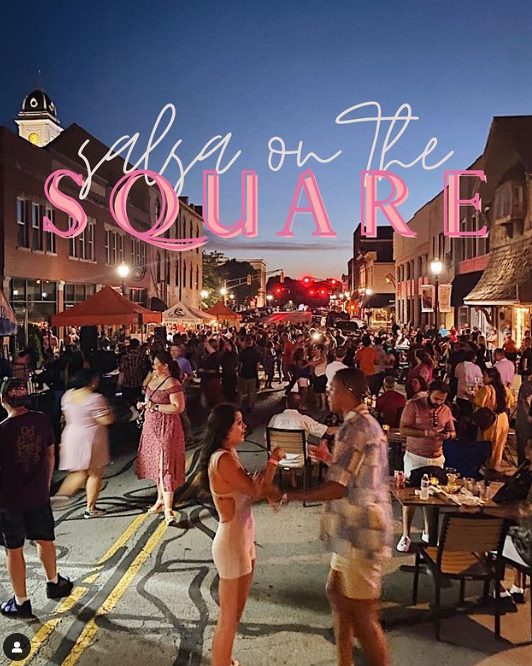
    A promotional post for Salsa on The Square in Noblesville Indiana.
    A promotional post for Salsa on The Square in Noblesville Indiana. Courtesy Noblesville Main Street.

    In 2019, Kate began overseeing multifaceted roles such as development, marketing, and other destination executive functions. Beyond focusing on the town’s renewal, which has more than 70,000 individuals, she practices her first love, music, volunteering as the assistant music director at Noblesville First United Methodist Church. 

    “Noblesville is not just my hometown; it’s the crucible that shaped my aspirations,” Baker said when she took the role. “As a denizen of Old Town, I cherish the opportunity to actively shape the evolution of our downtown culture. Noblesville Main Street epitomizes the rich tapestry of our city’s history, vibrancy, and irreplaceable charm. I eagerly anticipate the myriad ways in which we can bolster our community, ensuring it remains an inclusive haven for all.”

    Buy Noblesville merchandise here: T-shirts, drinkware and even a snow globe!

    FOOD QUESTIONS

    What is your favorite food to cook at home? My mom’s chili recipe, which I make a little spicier. It is by far my favorite comfort food!

    What do you always have in your fridge at home? Cheese, eggs, and milk. I realize now I’m addicted to dairy! (But don’t tell anyone about the container of frosting kept hidden in the side of the door for those moments you just need a taste of sweet. Ha ha ha!)

    What marked characteristic do you love in a person you share a meal with? When I share a meal with someone, I love seeing their joy in the foods they love. In Noblesville, we have several amazing places that offer unmatched culinary experiences. My favorite thing to do is take someone to one of these places for the first time. I love to see them take their first bite and have that eyes-closed moment as they experience the taste sensation created by fresh ingredients, culinary expertise, and, above all, love.

    What marked characteristic do you find unappealing in a person with whom you share a meal? I don’t enjoy sharing space with someone unwilling to try new things or dine without gratitude.

    Beer, wine, or cocktail? Wine, wine, wine, wine!

    Who is your favorite cookbook author? One of my best friends from college is from Puerto Rico. I have spent quite a bit of time there and was given a cookbook called “Puerto Rico True Flavors” by Wilo Benet. “This book has helped me create some really beautiful meals and has been a favorite of mine for more than 2 decades!     

    What is your favorite kitchen or bar tool? I cannot live without my espresso maker. Does this count?

    Favorite types of cuisine to cook? Italian – and because basic pasta dishes make me feel empowered as its one of the only things I confidently make! My skills in the kitchen could be improved.

    Beef, chicken, pork, seafood or tofu? Beef, but this girl loves surf and turf!

    Favorite vegetable? A tie between broccoli, brussels sprouts, and butternut squash.

    What chef or culinary person do you most admire? Jessica Walls at Debbie’s Daughters. Her thoughtfulness into her baked goods, her celebration of family, and the importance she places on consistency and quality for every morsel of every cookie, cake, or loaf of bread make her and her sisters’ food so special. You can taste the love in every single bite.  

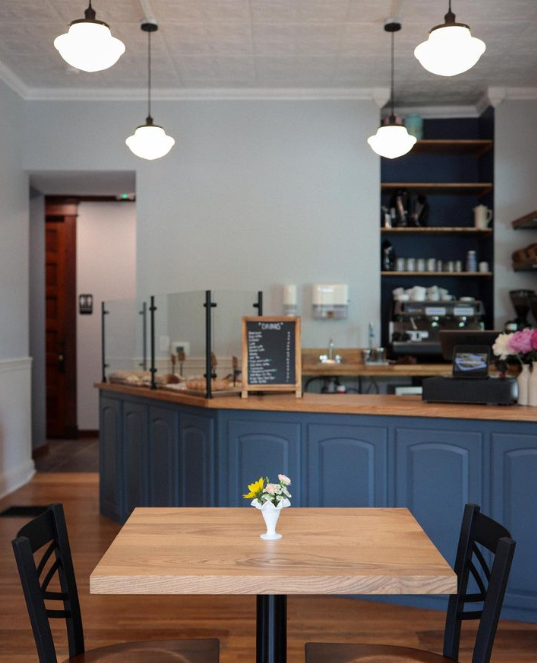
    Photo of the interior of Debbies Daughters with a table and blue counter.
    Inside Debbie’s Daughters, Noblesville Indiana. Courtesy, Debbie’s Dabughters

    What food do you like the most? My favorite meal has a filet mignon, baked potato, and steamed broccoli. 

    What food do you dislike the most? Mushrooms. I haven’t entirely made my peace with fungus, but there are exceptions to this: hibachi style is one of those for me.  

    What is your favorite non-eating thing to do? Sing. I can’t imagine my life without music.

    Whom do you most admire in food? My mom. There is nothing like homecooked meals by a parent/guardian who loves you.

    Where is your favorite place to eat/drink in the Midwest? Absolutely depends on my mood, but the top places would be 9th Street Bistro, Debbie’s Daughters, Uptown Cafe, and The Nesst of Noblesville, with great memories at HollyHock Hill. 

    Where is your favorite place to eat and drink outside the Midwest? This is a three-way tie, and all are in my old stomping grounds of Los Angeles: Palmeri Ristorante (Brentwood), Taverna Tony’s (Malibu), or Sugarfish (California).

    What is your favorite restaurant? Impossible to pick just one! Currently, I can’t seem to stop craving 9th Street Bistro in Noblesville.

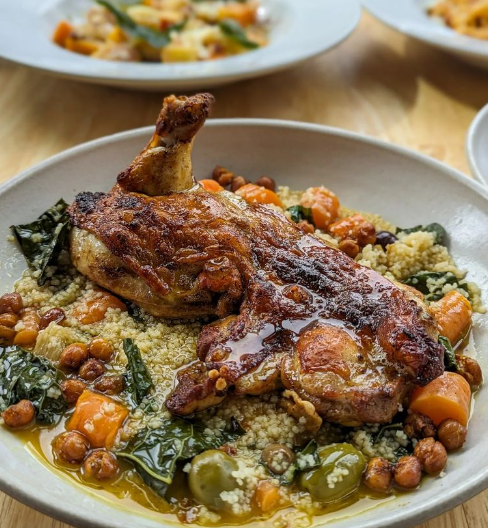
    Moroccan Chicken, Courtesy of 9th Street Bistro
    Moroccan Chicken, Courtesy of 9th Street Bistro

    Who is/are the person/s with whom you would share your last meal? Last meal?! I can’t even fathom the last meal, let alone who I would invite! First thought would be my parents, but let’s be real – if it was my last meal, this would be a party including everyone I’ve ever loved. 

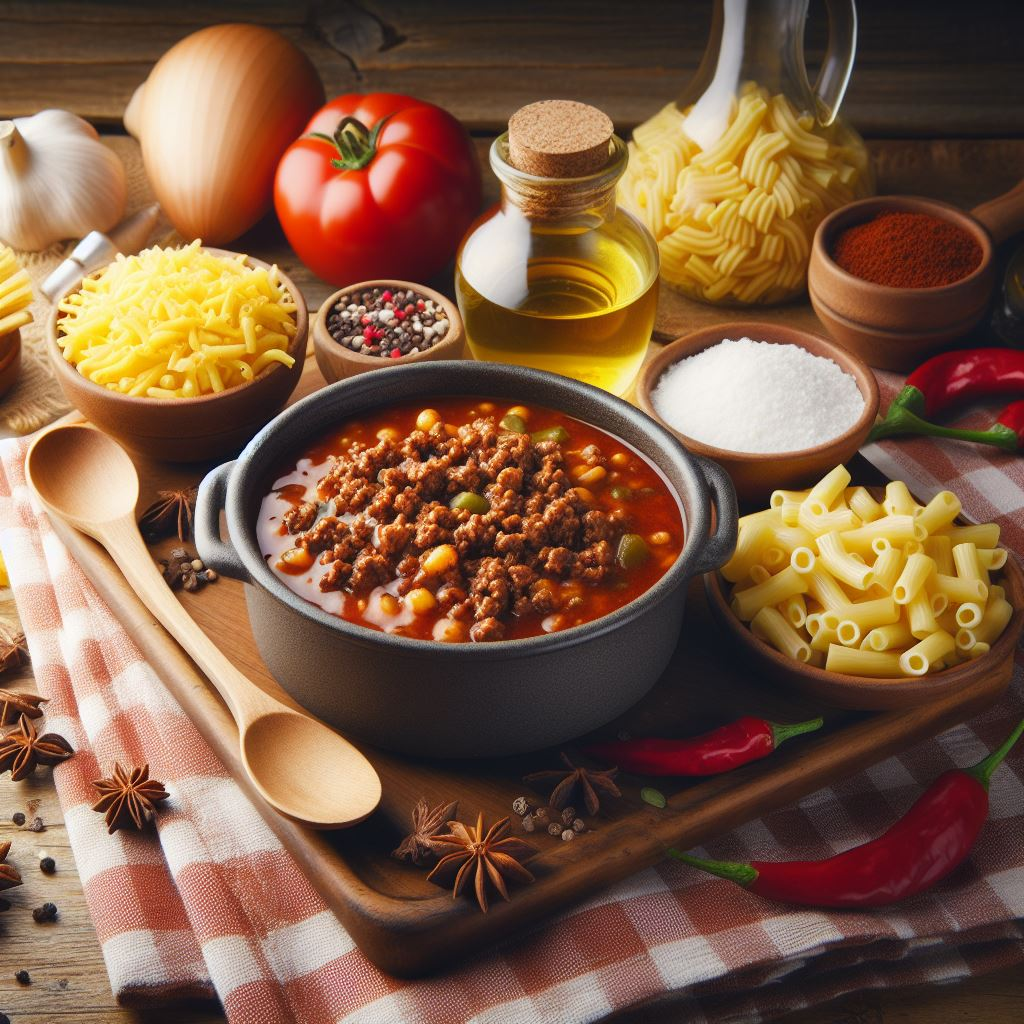
    A Midwest Chili Recipe from Mary Baker, Kate’s Mom 

    (Original recipe from my mom. I’ve made improvisations through the years in the heat and how I cook the meat, but this was a mother instructing her daughter who was newly on her own!)

    What to buy at the store:

    • 2 1/2 pounds ground chuck
    • 1 large can “Brooks” Mild Chili Beans
    • 1 can dark red kidney beans
    • 1 can of pinto beans
    • 1 can Great Northern Beans
    • 2 large cans of Hunts Diced Tomatoes
    • 1 small can of diced tomatoes with green chilies
    • 2 envelopes of Durkee Original Chili Seasoning (Kate usually does 1 mild and 1 hot pack)
    • 1 small box of “elbow” macaroni
    • 1 small bottle of Tabasco sauce
    • 1 medium “sweet” onion ~ chopped
    • 1 bag of shredded cheese (your choice: I usually get Monterey Jack…or a blend)
    • 1 bottle of tomato juice
    • 1 container of sour cream
    • Crackers of your choice: Oyster. Regular saltines or whatever.

    What to have on hand:

    • A big pot to pour everything into and hold your chili
    • Strainer
    • Can or another saucepan to put strainer onto to catch drippings from the ground chuck. Don’t drain it into your sink. Your drainpipe will eventually get clogged and be just a mess to clean out.
    • Saucepan to cook macaroni in. 
    • Cutting board

    Directions:

    1. Use your largest pot and pour all cans of beans and diced tomatoes into it. Put on a burner on very low heat.

    2. Put half of the beef into a microwave-safe bowl and break it apart with a fork. Microwave on high for about 3 minutes. Take it out and continue to break it up with a fork. Mike for another 2 minutes. Take it out and do the fork thing again till it’s the consistency you like. If the meat is still pink, cook it in one-minute intervals until it is fully cooked. When cooked through, dump it into the strainer and drain well. Put back in the bowl, and put one envelope of the seasoning mix into the ground chuck and mix in with fork. Pour beef into the tomato/bean mixture in the pot. Repeat with the rest of the meat.

    3. Stir beef, tomatoes, and beans together and keep on low heat.

    4. Fill a medium-sized saucepan about 3/4 full with hot water. Bring to a rolling boil on top of the stove. When boiling, add about 1 1/2 cups of macaroni. Turn the heat down, but continue to boil, stirring with a fork fairly often. After about 5 minutes, periodically take out one piece of macaroni….let it cool a bit….and taste it. When it is done to your liking, drain the pasta in the strainer. This time directly into the sink.

    5. Pour drained pasta into the pot. Stir. Cover.

    6. Chop onion and put it into a small Tupperware-type container with the lid snapped on. Put into fridge.

    7. Cook chili on low heat, stirring every few minutes for about a half hour. Reduce heat to “simmer” and keep covered for as long as you want without overcooking it.

    8. If the chili is too thick for your liking, add some tomato juice….a little at a time….until it is the thickness you want.

    9. Serve with onions, cheese, sour cream and crackers.

    10. Enjoy!!

    (We might make a small commission on sales generated through affiliate links.)

  • My Indy Neighbor Makes the Best Jerk Chicken

    My Indy Neighbor Makes the Best Jerk Chicken

    Or, How I Learned About Chinese Jamaican Food

    It’s easy to meet your neighbors when you have dogs. Owners seem to be on the same schedule. It’s either before work or after, sometimes it’s in the afternoon when you work from home. Such as it is with Scott, whom I met as he rolled by on his skateboard with Indigo in tow. However, with her sylph-like form harnessed to her owner, it seemed that Indy pulled Scott like a husky. Indy is sweet to watch; she lopes with determination and zest, eager to exercise.

    In comparison, I trundled by with George. Our chocolate lab loves every dog, and every dog loves him. Indy, a pit and whippet mix, can be rough and needs galloping runs with her skater Dad. The two canines have become friends—a quick sniff and off to their worlds. George is finding good goose poop to eat – a never-ending process – and Indy is potentially racing the Iditarod.  

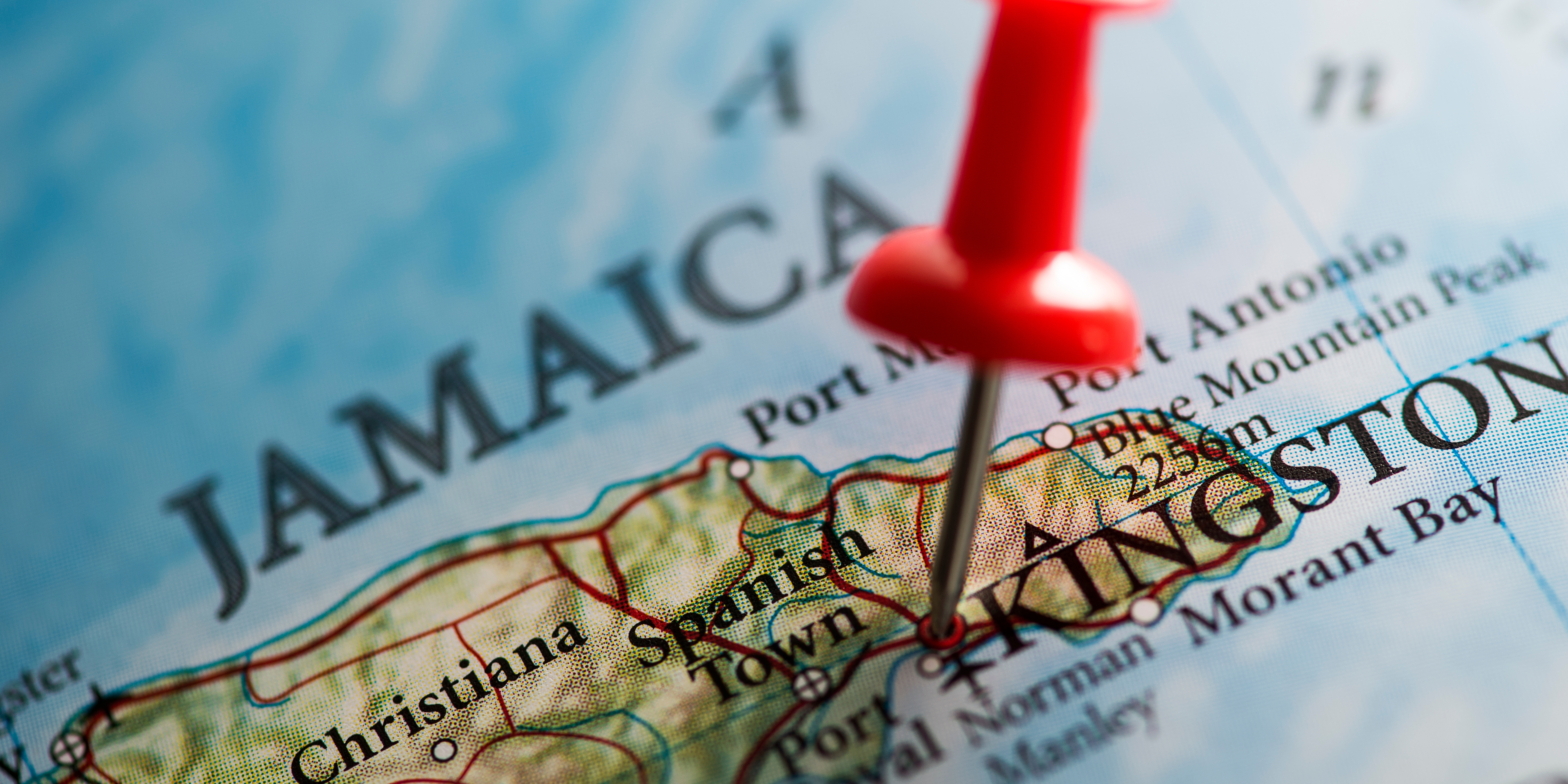
    Growing up as a half-Filipino and half-Caucasian-American boy, I feel acutely drawn to people like me. We are unique. I thought Scott might be bi-racial, too. As it turns out it, he identifies as Chinese Jamaican, a small group of the country’s immigrants that settled in the Caribbean. The son of an American Irish-Scottish father and a Chinese mother, he was born in the Caribbean nation of Jamaica. Raised in Indiana, he, a digital artist, and his wife, Berlin, a teacher are now empty nesters.  

    Scott and Berlin Hughes Photo, Scott Hughes

    Being the food lover I am, I immediately searched the internet for recipes from his Caribbean background. His cooking heritage includes many dishes such as stir-fried goat, jerk chicken chow mein, and char sui dahlpouri. The last dish, literally is a melting pot of cultures, with tastes from Southeast Asia, China, and the continent of Africa.  

    According to the National Library of Jamaica website, the Chinese, mostly Hakka, arrived as indentured servants to work the sugar plantations from 1854 until 1886. Three well-documented ships sailed with almost thousand immigrants during this period. Then, a second and third migration occurred from the early 20th century until the 1970s, mostly of individuals and entrepreneuers looking for better lives. The online publication Gal-Dem, dedicated to telling marginalized people’s stories, says that 50,000 Chinese Jamaicans live on the island today. During an ethnic revolt during the 1970s, several thousand Chinese Jamaicans moved to Canada and parts of the U.S. for safety. 

    When I learned that Scott was Chinese Jamaican, I took it upon myself to learn more. It’s a fascinating immigration story about how Asians and Pacific Islanders came to create a diverse culture in Caribbean history.  Through this, I discovered that the first Filipino settlement occurred in a Louisana in 1763 with a group of enslaved people and other people of color. Even earlier, Filipinos sailors aboard a Spanish ship landed in Morro Bay, California in 1587, reports PBS So Cal Focus, 33 years before the pilgrims land at Plymouth Rock. With this said, discovery of North America most likely were not European but from the Asian diaspora

    In his words: Scott Hughes

    I was born in Kingston, Jamaica in 1972. My father was American Scotch/Irish, and my mother was Chinese, whose parents came to China in the early 20th century. My mother’s people are called Hakka Chinese. They have a dialect but no longer speak it. They are native to Southern China but originally migrated to the region from the central part of China in ancient times. They are considered Han Chinese (a particular group which than moved to Southern China, before immigrating to Jamaica) and live in the traditional Hakka round houses.

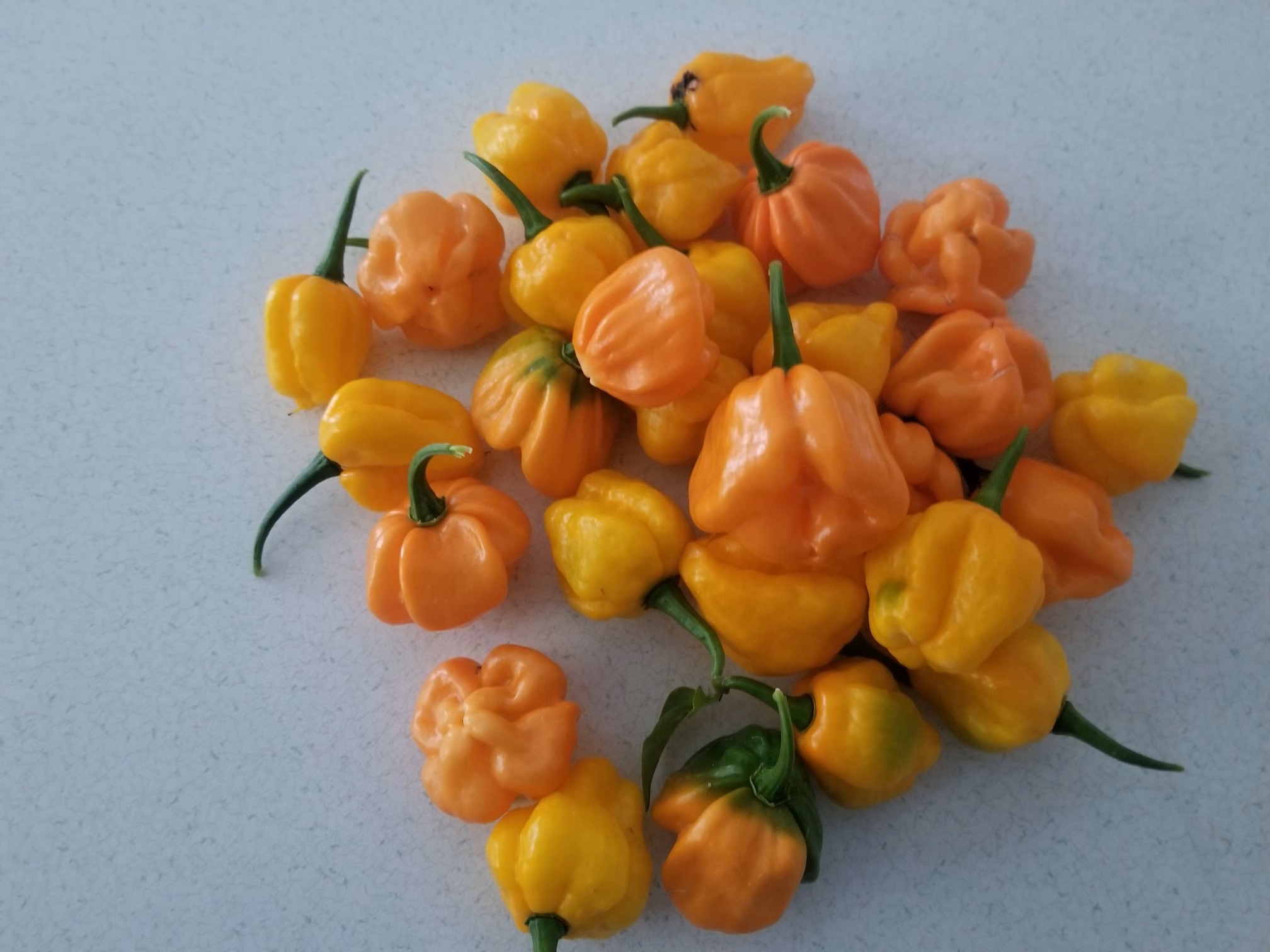
    Home grown scotch bonnets: Photo by Scott Hughes

    My mother came to America through Catholic school connections and attended Marian College in the sixties when she met my father. They moved to Jamaica and lived with my mother’s family before migrating back to the U.S. in the seventies. 

    My uncle owned a small Jamaican eatery called Patties of Jamaica at the 52nd and Allisonville Road intersection. It has been there for over 40 years, now run by my cousin.

    What is your favorite food to cook at home? 

    Jamaican food.

    What do you always have in your fridge at home?

    Scotch bonnet peppers that I grow.

    What marked characteristic do you love in a person you share a meal with?

    Trying new food.

    What marked characteristic do you find unappealing in a person with whom you share a meal?

    Hogging the best shrimp. 

    Beer, wine, or cocktail?

    No

    Who is your favorite cookbook author?

    Julia Child.

    What is your favorite kitchen or bar tool?

    Meat tenderizer mallet. 

    Favorite types of cuisine to cook?

    Chinese, Thai, and Caribbean.

    Beef, chicken, pork, seafood or tofu?

    I love chicken, beef and goat.

    Favorite vegetable?

    Green beans

    What chef or culinary person do you most admire?

    Bourdain

    What food do you like the most?

    Blueberries

    What is your favorite non-eating thing to do?

    skateboarding, water-coloring, digital design

    Whom do you most admire in food?

    Chef Ricardo 

    Where is your favorite place to eat/drink in the Midwest? Delicia

    Where is your favorite place to eat and drink outside the Midwest?

    New Orleans & Jamaica

    What is your favorite restaurant?

    Benyue Dim Sum House in Castleton.

    Who is/are the person/s with whom you would share your last meal?

    My wife. 

    Scott Hughes Recipe for Jerk Chicken

    • One medium onion, coarsely chopped
    • Three medium scallions chopped
    • 3 Scotch bonnet chiles, chopped
    • Two garlic cloves, chopped
    • One tablespoon five-spice powder
    • 1tsp ground cinnamon
    • 1 tsp ground fennel seeds
    • One tablespoon Jamaican allspice berries, coarsely ground
    • One tablespoon of coarsely ground black pepper
    • One teaspoon of fresh thyme
    • One teaspoon of freshly grated nutmeg
    • One teaspoon salt
    • 1/2 cup soy sauce
    • One tablespoon of olive oil
    • ¼ cup dark brown sugar
    • 2 (3 1/2 to 4-pound) chickens, quartered
    • 1tsp Chinese MSG (that’s right)
    • 1 Lime to wash the chicken pieces with (Jamaican practice but not needed)

    Prep chicken pieces by poking them with a fork to allow marinade to seep into the flesh. Rub chicken pieces with fresh lime (optional).
    Use a blender to make spices into a marinade, and place chicken into a 1-2 1-gallon size freezer bag(s) and marinate for a day. If you need to use two freezer bags, split the marinade into both.

    Bake or grill at around 415 degrees for approximately 40 -50 minutes, depending on the size of the pieces.

    If baking, use a slotted pan to release the chicken drippings below. However, roasting the meat in a glass baking dish allows the spices and juices to bathe. It all comes out delicious. 

    You can adjust to a lower heat but add extra time to accommodate.

    Best served with Jamaican rice and peas and a mango coleslaw

    [mc4wp_form id=3900]

  • 2023 Gratitude, A Love Letter from Indy

    2023 Gratitude, A Love Letter from Indy

    Someone asked me if I liked living in Indianapolis. I won’t lie, I do. It’s an easy place to live. The cost of living is low. And, I genuinely love the Midwestern sky even when it’s a wintry gray; though, as I type this, instead of being a cold industrial hue, it’s the color of a vast, majestic ocean, even if the temperature hovers at fifty degrees. Plus, I’m a sucker for quick trip destinations and veering towards the offramp for quick drive-throughs. The small towns of Indiana offer studies of architectural nostalgia and dining, such as covered bridges, Underground Railroad sites, great barbecue ribs, and, strangely enough, pizza. 

    That same person said, “…but you don’t love it.” And I won’t lie again, I don’t. I didn’t love living in California, with complications of wealth, fame, traffic and general mass population malaise. It’s a nice place, but for me, been there, done that. The only place I’ve ever loved living in is New York City. That’s a story for a different time. 

    However, the Midwest, four years and a pandemic later, gives me a chance to take a leap of faith, but I’m doing it in gratitude as I write this by concentrating on writing, mostly around food and design. That alone makes me grateful for living here. In the marketing world, I’ve walked red carpets with clients and sailed the seven seas – actually, six – and met bold-faced names that now, when I mention their names some folks would go,” Who?” It isn’t essential in the scheme of things. Finding food, how we eat, what we eat, and don’t and just eating or even the act of not is important. 

    As an aging gay man of color, – it’s challenging to find that bit of thankfulness sometimes in Indiana or anywhere. Being half-Filipino and Caucasian, I’m mistaken for being Latino, even by Hispanics. Then there is the terrible feeling of coming out every single day. Explaining, “No, my partner is a man.” Followed by the looks. However, the other day, I had a Caucasian woman of a certain age get testy with me, saying, “You’re a man. You can’t multitask.” That cracked me up and horrified me at the same time. All of a sudden, in her comment, I was straight and, apparently, a stand-in for anything male. A little sad, but I guess, to her, I was part of the patriarch at that moment. 

    Of course, being over fifty – the horrors – it isn’t easy to make younger generations realize why it is vital that generations of us and I still stand, work, and have dreams. 

    But I’m aware there are many like me, middle-aged, still finding our way. I only have to look at actors Ke Huy Quan, Michelle Yeoh, Samuel L. Jackson, KFC’s founder Harland Sanders, and Tim and Nina Zagat for inspiration who harbored hopes in directives, as in cities and towns across the globe. That’s the good thing. We have second – and third-endless chances of living into our middle age and remaking ourselves. Isn’t that glorious? 

    That makes me appreciate the Hoosier State more. I’ve been given something new to accomplish instead of holding on. 

    Favorite Things This Year: 

    Book: Minda Honey’s debut memoir, The Heartbreak Years. Charming, funny and at times, disturbing story of a young woman finding her way in Southern California. 

    Song: MMM by Romanian musician, Minelli. Simple ditty about a relationship gone awry and moving past it but it’s the intonation and musicality of Minelli that makes it fun: You know you did me wrong, Mmmm. It hit YouTube in 2022 but it’s an earworm that keeps giving me bops. 

    Streaming: Netflix’s Glamorous with the influencer Miss Benny and Kim Cattrall. While the writing isn’t stellar, the cast is and sometimes that’s worth the price of admission. Besides, it takes place in New York City, provides fluff, good-looking folks and an amusing storyline with the lead a non-binary, non-Caucasian person.  

    Life: Nick, my partner of a decade and our two dogs, Rufus, our French bulldog puppy and Jorge/ George.

    Lastly, Indianapolis has become an unrecognized melting pot. On any given day, the streets and malls feature a large swath of various ethnicities and non-gender conforming identities. In turn, all this mixing of ingredients creates a new fusion of delectable deliciousness. 

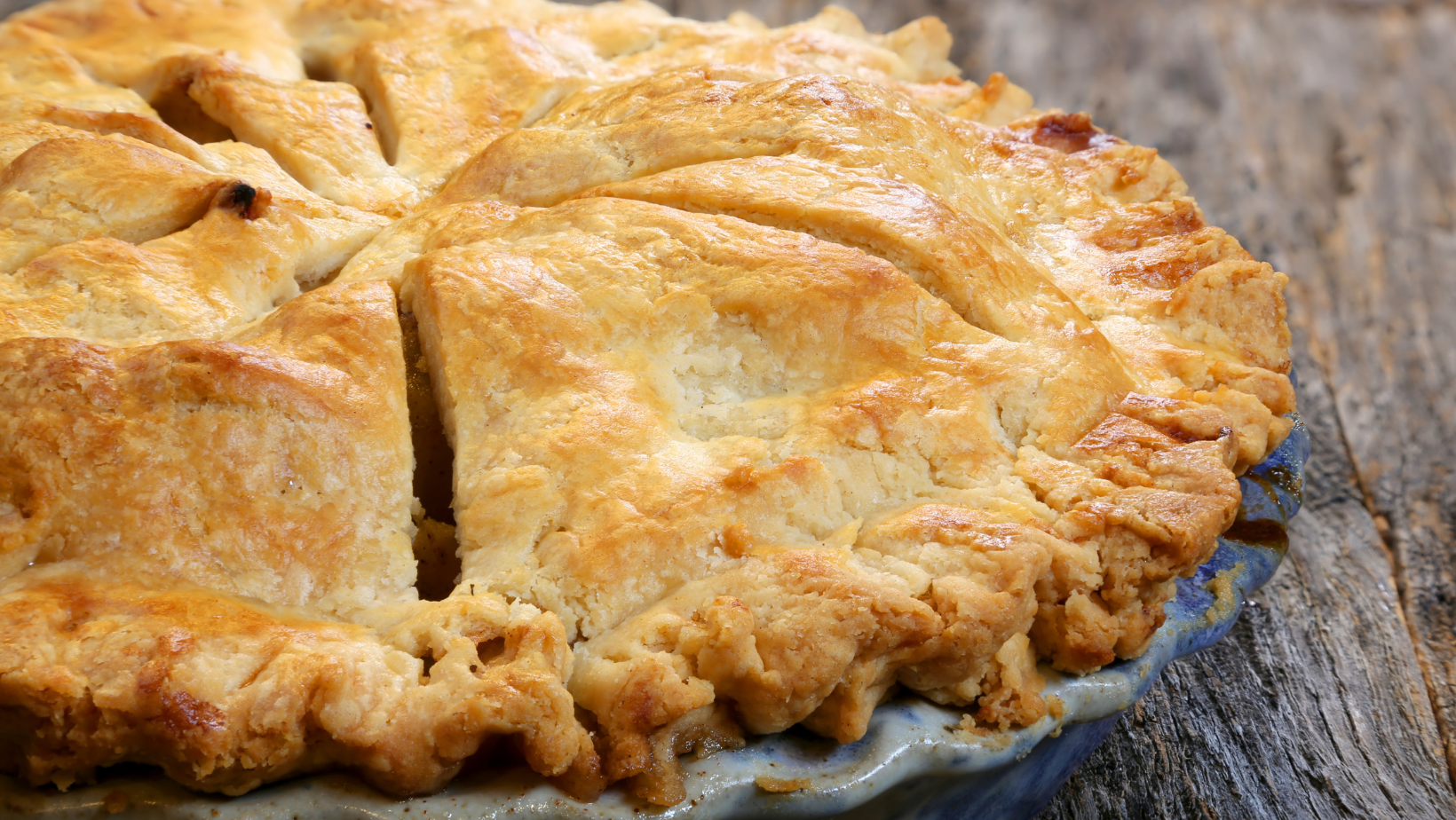
     Recipe for Gluten-Free Asian Pear and Apple Pie

    How to make the crust: 

    1 cup of GF flour blend like King Arthur’s Measure for Measure or Cup4Cup

    1/2 teaspoon, salt

    1/2 teaspoon, sugar

    Two tablespoon butter

    Two tablespoon oil

    1/2 teaspoon, vinegar

    Use four to six tablespoons of cold water so that the mix creates a ball of dough. Roll into a globe and place the dough in the center of two pieces of waxed or parchment paper or plastic wrap. Roll out so that it forms a circle.

    Peel off the top layer of waxed or parchment paper. Spray a pie pan with non-stick spray. Invert the pan upside down on top of the dough, centering it as much as possible. Place your hand under the waxed paper, flipping the whole thing over, and press gently into the pie pan.

    Filling:

    Two to three cups of ripe Asian pears, cored and sliced

    Two to three cups of apples, your choice

    3/4 cup sugar

    One tablespoon, cornstarch 

    One teaspoon, ground cinnamon

    1/8 teaspoon, ground nutmeg

    1/8 teaspoon of five-spice powder

    1/4 teaspoon, salt

    One tablespoon of lemon juice

    Directions:

    Preheat your oven to 425 degrees.  Place one pie crust on a greased 9-inch glass pie plate. Press firmly against the side and bottom.

    In a large bowl, gently mix all the filling ingredients and spoon into your crust-lined pie plate. Top with a second pie crust. Pinch the top and bottom pie crust at the edges to seal and cut 4 – 5 slits in the top crust for venting.

    Bake for 40 to 45 minutes or until the crust is golden brown. Cover your edges after about 15 minutes of baking to prevent excessive browning.

    Cool on a cooling rack for at least an hour before serving.

  • Pot Roast & Kisses: Indiana’s Reverend Peyton’s Big Damn Band Sings the Blues about Love and Food

    Pot Roast & Kisses: Indiana’s Reverend Peyton’s Big Damn Band Sings the Blues about Love and Food

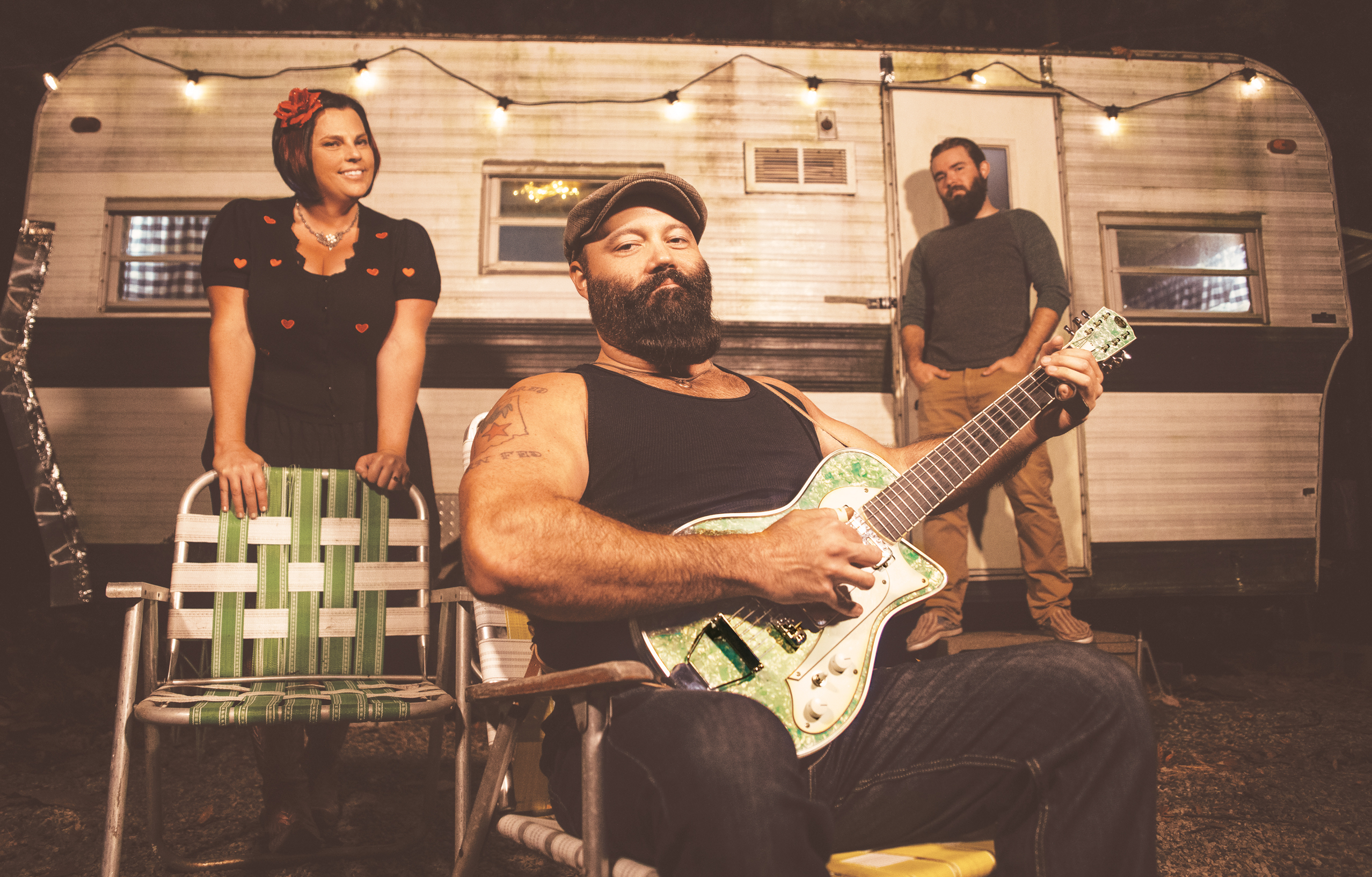
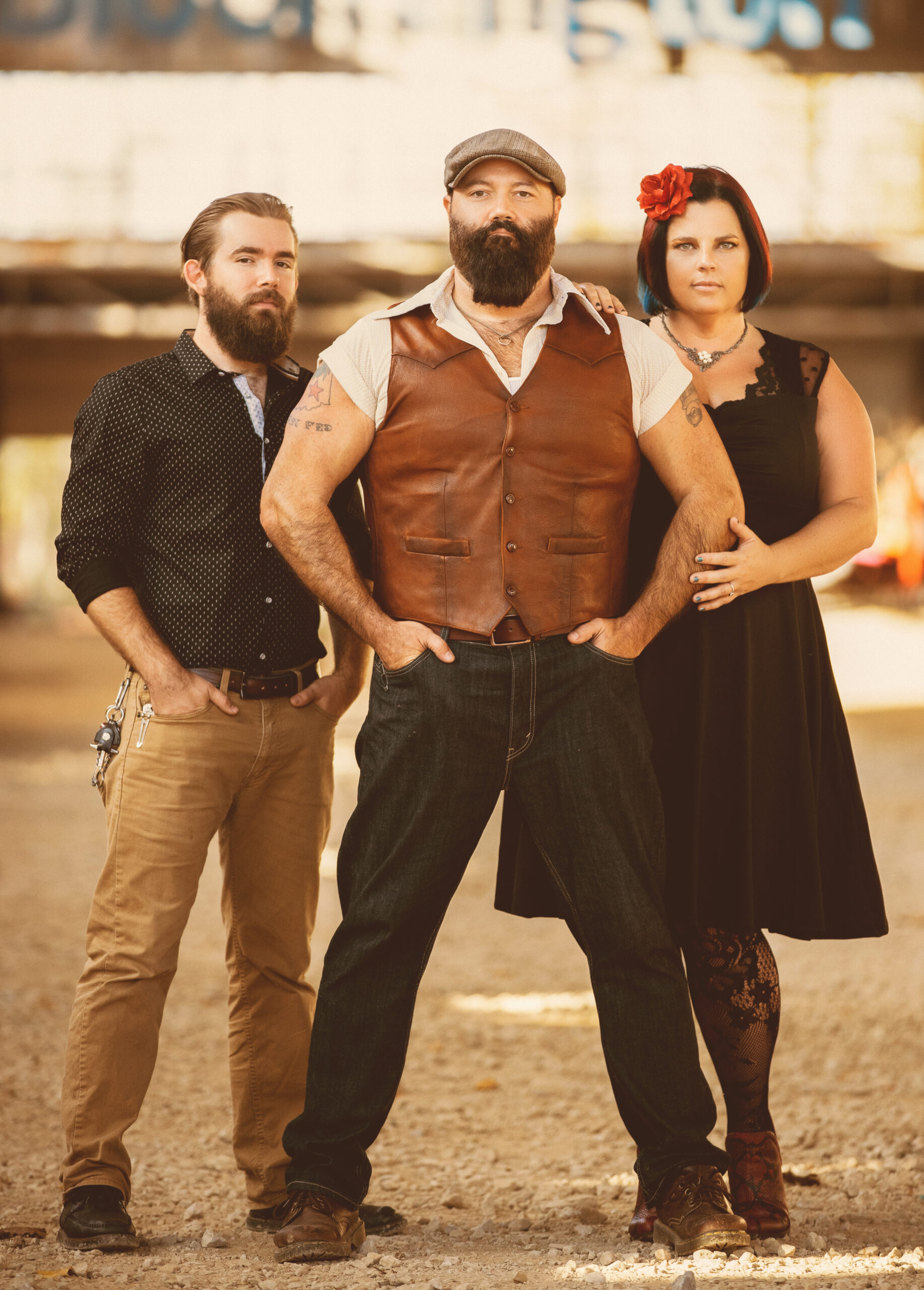
    Reverend Peyton’s Big Damn Band from Brown County, Indiana, is a chart-topping three-piece American country blues group, having reached number one on iTunes and Billboard with their latest, “Dance Songs for Hard Times.”  Guitarist and singer Reverend Peyton, along with his wife, the beguiling Breezy, a washboard-playing maestro, and drummer Max Senteney much of their music offers stories of romance, the difficulties of American life and, of course, food.  

    While playing nearly 250 dates a year, the hardworking trio crafts heartfelt tunes about heartbreak, and their love of Indiana and its food. Whether in full songs or a lyrical mention, Rev and the group warble about food. In “Pickin Pawpaws”, Peyton finds difficult in traveling all the time, finding peace in harvesting the native fruit of the Midwest, roaring “pickin paw paws with my maw maw/ come pick pawspaws with me now.” Pawpaws are a mango-banana-like fruit also called a Hoosier banana. In their rendition of the 1948 song Cornbread and Butterbeans, while playing in London, they change the lyrics to “goodbye and don’t you cry/ I’m going to Indiana/ buy a dog/ and a big fat hog” as an ode to their hometown state. 

    Belting out about food isn’t without precedent. According to CBC News food writer Andrew Copplino, the great master of the Delta-style blues Robert Johnson, found inspiration from tamales at a Mississippi restaurant called Abe’s BBQ, prompting him to pen a 1936 song called Hot Tamales, They’re Red Hot about a woman and steamed masa. Not only did the musical notes of an American institution start but also became synonymous with food. For the last century, blues and food evolved, becoming the best of friends, either as a euphemism for love or evangelizing great tastes, or both. 

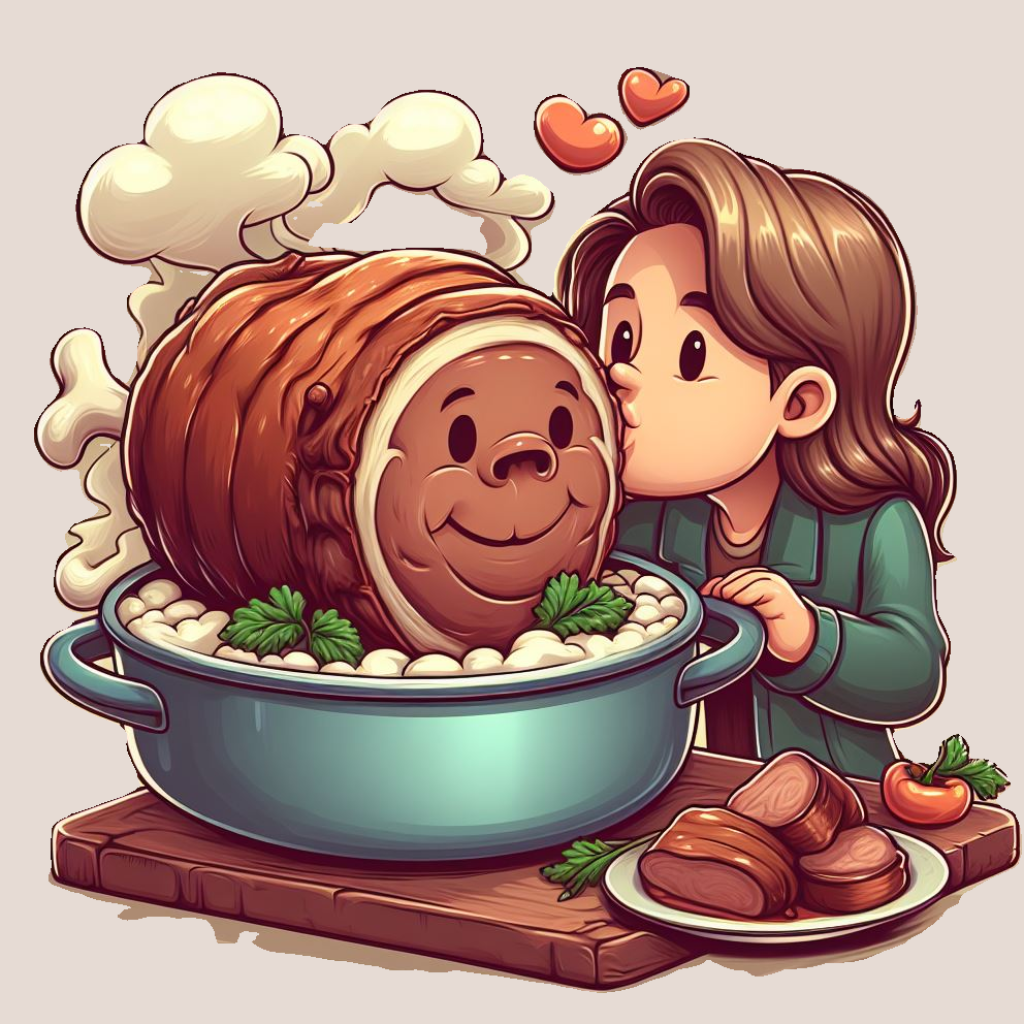
    On one of Reverend Peyton’s Big Damn Band’s many hits, “Pot Roast and Kisses” , with more 2,000,000 streams, Peyton croons a husky hunger, “I got a Genie/ just granting wishes/ Like I won the lottery/by my misses / Pot roast and kisses/ So delicious/ I smell something sweet cookin up/ in the oven/ but there’s nothing like her lovin.”  It’s one of the best of the American musical genre showcasing a heartland heart smoldering with gravy laden affection. If only we could see the mashed potatoes. 

    After reading the email interview with Breezy and Rev, it felt like participating in one of the great romances of the world such as Richard and Elizabeth, Johnny and June, Stephen and Ayesha…and ahem, eating. 

    THE INTERVIEW

    What is your favorite food to cook when not touring?  

    Breezy: I do all the cooking, so when we get home from a tour, I am usually cooking for a ton of people. Our friends and family know I love to cook, so I’m always prepared to feed a crowd.

    Rev’s favorite is salmon, so we usually have that when we get home.

    REV: Breezy is a real cook, an absolute chef. She has a real passion and love for preparing food. All our friends and family look forward to her coming home, because she is always creating amazing spreads of food that she shares with so many people…. And luckily… me too!

    What is your favorite food when touring?

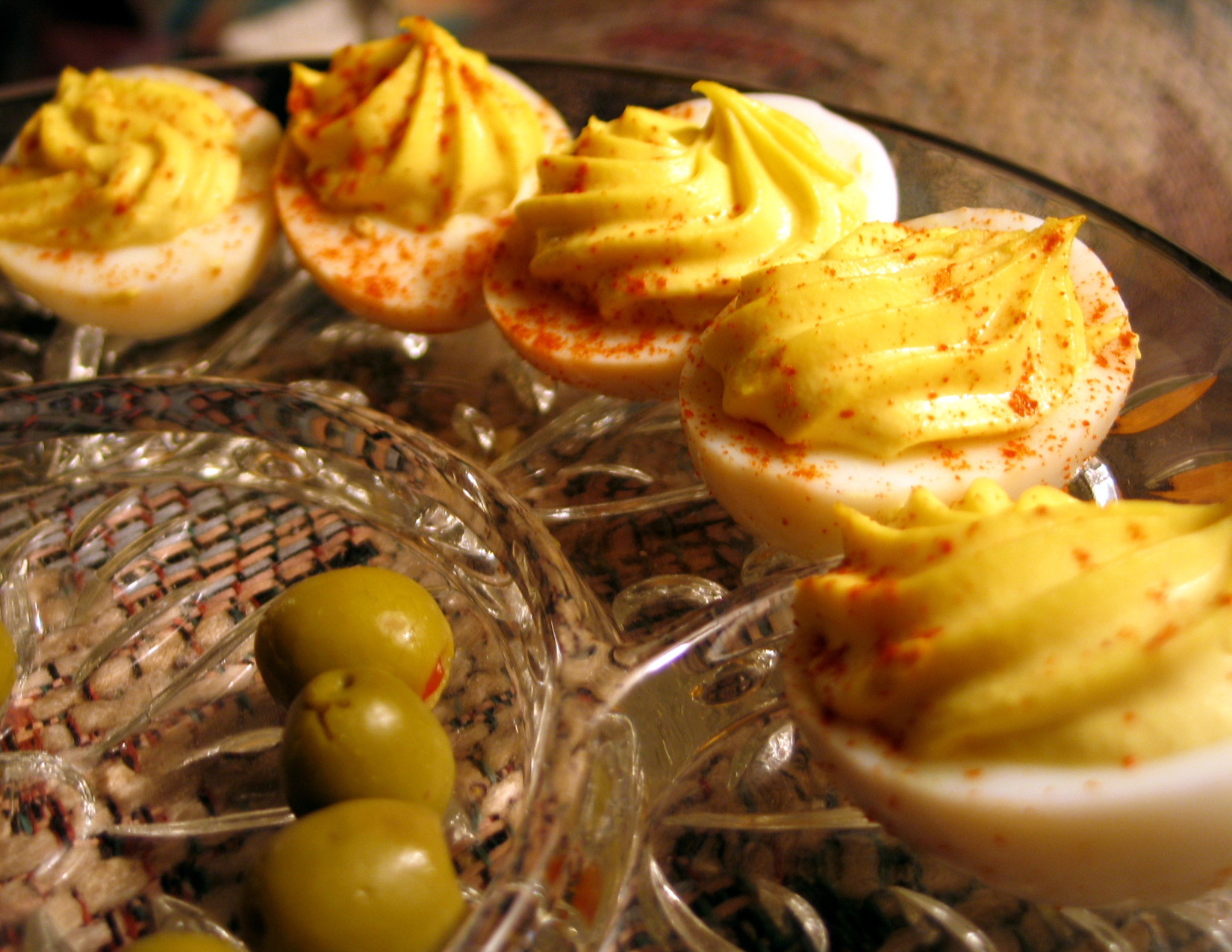
    B: We are fairly limited on the road, but I often make deviled eggs as a snack for the band and crew because we have the ingredients on our rider.  

    REV: Because of the nature of touring, we end up eating at restaurants a lot. After years of doing this though, we have so many favorite places all over the world. We avoid fast food at all costs.

    What do you always have in your fridge at home?

    B: Prairie Farms Cottage Cheese, small curd, full fat and cold brew. These are essential for Rev to live. He is obsessed with cottage cheese and that’s his favorite brand.

    REV: I would eat the same three or four things over and over if it weren’t for Breezy, making sure that I don’t. Breezy always has interesting things in the fridge, because she is usually planning meals way ahead.

    What marked characteristic do you love in a person with whom you are sharing a meal?

    REV: you know I have very rarely actually shared a meal with someone, really got to know them, and not liked them.

    Reverend Peyton Big Damn Band
    Photo: Tyler Zoller

    What marked characteristic do you find unappealing in a person with whom you are sharing a meal?

    REV: I’d say terrible manners, rudeness, if at a restaurant- treating servers with disrespect.

    What is your favorite thing to make for yourself and your family?

    B: Maybe Paleo chili, or creamed spinach.

    REV: Breezy’s creamed spinach might be mine too haha! It might be surprising, but so many people in my hillbilly family always ask her to make that dish. Her secret is Indian spices, and it is incredible.

    Beer, wine, or cocktail?

    B: For me bourbon, Rev doesn’t drink alcohol, but he does drink a lot of coffee.

    REV: Coffee for sure!

    Your favorite song about food?

    REV: Oh man, that’s a tough one, and probably would change day to day, but today… it’s Poke Salad Annie by Tony Joe White.

    Where do you get your inspiration when writing a song about food?

    REV: I just write about whatever inspires me. Sometimes a melody will just speak to me in a certain way, and sometimes…. That’s food!

    Your favorite kitchen or bar tool?

    B: My Blackstone Grill.

    Favorite types of cuisine do you like to cook?

    B: I use a lot of Indian spices in my food but I cook all different cuisines.

    Beef, chicken, pork, seafood or tofu?

    B: Seafood, hands down. We both fish, so as fresh as we can get it.

    Favorite vegetable?

    B: Cabbage, it’s so versatile and can be eaten raw or cooked.  

    What chef or culinary person do you most admire?

    B: That’s a hard one, because I am a cooking show fanatic, but Alex Guarnaschelli is my absolute favorite.

    What food do you like the most?

    B: I could eat a spicy tuna roll everyday for the rest of life and be happy.

    What food do you dislike the most?

    B: I love everything but for health reasons we don’t eat much fried food and heavy carb foods like potatoes.

    What is your favorite non-food thing to do?

    B: Cuddle up with our cat Chunkleberry Finn when we aren’t on tour.

    Whom do you most admire in food?

    B: The farmers. I have a small garden, but I’m pretty lousy at it.

    Where is your favorite place to eat/drink in Indiana?

    B: Our favorite restaurant is a place called Samira in Bloomington, Indiana. It’s Afghani good and it’s wonderful. I’ve been trying to duplicate one of their dishes for years and I’m getting close, but they are very secretive about the recipe and I think I’m missing one ingredient.

    REV: We have eaten at amazing places all over the world as we travel around and play music, and Samira is our favorite!

    Where is your favorite place to eat and drink outside the Midwest?

    B: Any place that has good fresh seafood.

    REV: Osteria Del Calderone, Parma, Italy

    Who is/are the person/s with whom you would share your last meal?

    B: When we are home we have dinner with our best friends/neighbors Michelle and Francie nearly every night. They own a wonderful store called The Wild Olive that sells olive oil, balsamic vinegars and other great food products. I use a lot of their products.

    REV: Breezy.

    What made you want to become a musician?

    REV: it’s just been in my soul since I was born. As soon as I was handed a guitar, I haven’t put it down.

    Tour Bus Deviled Eggs (Inspired by Breezy Peyton)

    What You Will Need: 

    • Hard-boiled eggs (6 eggs make 12 deviled egg halves)
    • Mayonnaise
    • Mustard (yellow or Dijon)
    • Salt and pepper
    • Paprika (optional, for garnish)
    • Optional: vinegar, ras al hanout, garam masala hot sauce, pickle relish, chopped herbs (such as parsley or chives) for extra flavor

    Let’s Make This Puppy: 

    Hard-boil the eggs: Place the eggs in a pot and cover them with cold water. Bring the water to a rolling boil, then turn off the heat, cover the pot, and let the eggs sit in the hot water for about 10-12 minutes. Afterward, transfer the eggs to a bowl of ice water to cool before peeling.

    Once the eggs have cooled, carefully peel them and slice them in half lengthwise. Remove the yolks and place them in a separate bowl. Arrange the egg white halves on a serving plate.

    Mash the egg yolks with a fork until they’re crumbly. Add the mayo and mustard to the mashed yolks. Start with about 2 tablespoons of mayonnaise and 1 tablespoon of mustard for 6 eggs, adjusting to your preferred taste and consistency. Mix well until you achieve a creamy texture. You can add a splash of vinegar, hot sauce, pickle relish or as an ode to Breezy, ras al hangout or garam masala. Season with salt and pepper to taste.

  • I8tonite: Media Maven Jennifer Magley & Her Grandmother’s Delicious Rolls

    I8tonite: Media Maven Jennifer Magley & Her Grandmother’s Delicious Rolls

    When I first met Jennifer Magley at an event, she offered huge smiles, genuine warmth, displayed a brilliant fashion sense all while listening to an old fart (me) prattle on about nonsense. That very morning, her company downsized leaving her without work. To her credit, she showed grit and resilience by coming out to make new acquaintances instead of staying cooped up, feeling sorry for herself, which is what I would have done. 

    Born in Kansas, Magley attended the University of Florida and was a scholarship athlete at IMG Academy under the direct tutelage of renowned tennis coach Nick Bollettieri. While in college, Magley became the number one ranked NCAA Division, Singles player in the country, a four-time All-American, and the Arthur Ashe Jr. Sports Scholar recipient. As a member of TEAM USA, Magley represented the United States in over 14 countries. After graduation, she competed professionally on the WTA Tour before being named Associate Head Coach at Wichita State University. With many accolades and recognition, she became the nation’s youngest NCAA Division head coach at Florida Gulf Coast University. 

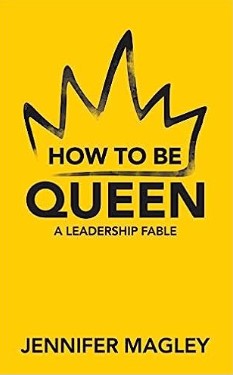
    She has written two books, with her debut novel Division I, released in 2014, spotlighting issues that affect female collegiate athletes and, in 2021, How to Be Queen-A Leadership Fable, about the power of imperfect leadership. 

    Today, with national media coverage, from USA Today, CNN, ESPN, Foundr Magazine, and US News & World Report, she is a successful Keynote Speaker and High-Performance Coach, having spent over a decade as a recruiter and helping successful people become their best. Additionally, she started Magley Mass Media, where she promotes women, including her mother, Evelyn Magley, the first Black woman to head a men’s professional basketball league. Her father, a former pro player with the Cleveland Cavaliers, Dave Magley, was the former commissioner of the National Basketball League of Canada and now is the president and chief operating officer for the North American Basketball League. 

    Between her sold-out luncheons, writing, speaking, and being just a media superstar, Magley graced us with answers to i8tonite questions and a time-honored yeast rolls recipe.

    Why did you start Magley Mass Media? 

    In March, my full-time role as a technical recruiter laid me off and launched Magley Mass Media. I just looked at my phone and it says I started doing my thing on April 18th full time.

    What gives you the greatest joy in working in this space? 

    For most people, the reality is that no one knows your name; I help change that through 90-day Media Mastermind Groups. My greatest joy is seeing the folks I partner with land more media, connections, and onstage opportunities. People need to know you exist and that you have expertise.

    What is your favorite thing to do around your company? 

    Finding new ways to surprise and promote the people I work with. I deeply believe that over-performing is such a gift. It’s a joy to be able to see my clients light up.

    Could you tell us about your favorite inspirations? 

    There have been a lot of people who have sacrificed in my bloodline for me to be where I am today. I have descended from slaves and slave owners, immigrants, and orphans. That’s positive motivation. On the flip side, there are a handful of men that have taunted me with their money and arrogance. Hard to say which inspires me more.

    What are your favorite things about the Midwest? 

    The people. Indiana has been rated by the IEDC as one of the best places in the country to begin a business. That proves to be true. I was born in Kansas, so that’s why I probably say the people. Secondly, cost of living.

    What is your favorite regional city and why? 

    This is unexpected but Cincinnati, that counts right? They have done so much to develop their downtown, especially Over the Rhine, with restaurants and shops. They have a bit more elevation than Indianapolis and it really is such a lovely place, and the food is fantastic.

    Where is your favorite place to eat and why? 

    VIDA. (It’s a) Cunningham property, however it is a chef’s restaurant, so it is not a chain. This is where we go for special occasions because of their four-course dinner. Chef’s kiss. I’ve had literally everything on the menu and their consistency is unmatched for fine dining in Indy.

    What do you have in the fridge currently?

    Oatmilk. Organic Eggs. Champagne. Organic Greens. I want to be bourgeois.

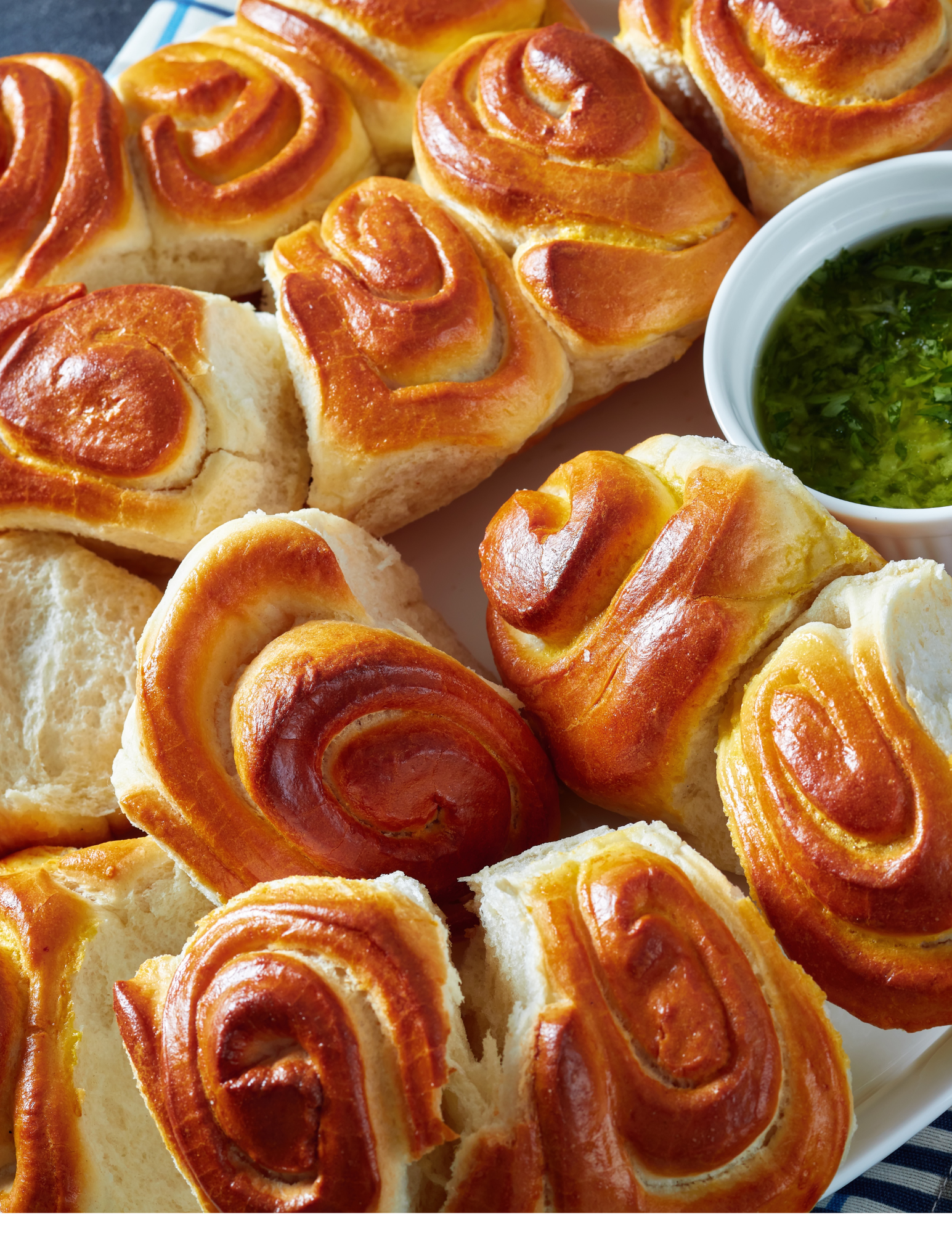
    Jennifer Magley’s Grandma’s Yeast Rolls 

    Ingredients

    4 – 5 cups all-purpose flour

    2 cups hot water

    ⅔ cup sugar

    ½ cup of liquid Crisco or any liquid cooking oil

    3 eggs

    2 packages yeast, Rapid rise or day (3 if you are in a hurry)

    Cupcake pans, greased and floured

    To Make: 

    Pre-heat oven to 375° to 400°depending upon oven. Mix hot water, oil, sugar and eggs. Stir until sugar is dissolved. If you use rapid rise yeast, sprinkle in liquid, then let it dissolve waiting a few minutes. Stir. Add about two cups of flour and stir adding more flour on the right consistency for kneading. You may put a kneading board on the counter-top. 

    Knead very little, just enough to roll out and cut. If you don’t have a biscuit cutter, use a cup to cut out two circles and a half. Fold the circles in half and add the half-circle into the greased and floured cupcake pans. Pinch the edges together. Brush with melted butter and let rise until they look right for baking. (Forty-five minutes to an hour). 

    “This makes for the rolls to be very lovely in shape and fashioned to pull apart.”.

    Jennifer Magley

    Bake for 10 minutes or until brown, brush with butter again when removed from oven. 

    Cinnamon Rolls: Simply roll out as you do for rolls. Brush with butter. 

    Mix brown sugar, white sugar, cinnamon, raisins and nuts. Roll up the dough into a log. Let rise.

    I8tonite

    We may make a small commission on the links.

  • I8tonite Learns from IG Entrepreneur Abby Breece

    I8tonite Learns from IG Entrepreneur Abby Breece

    Thrifting, Parenthood and the Joys of Living in Indy; Plus, a Spicy & Sweet Hand Tart Recipe

    Breece, at home, with a few of her finds.

    I first met Abby Breece, 36, and her husband, Eric, as neighbors when Nick and I moved to Indianapolis. The mid-thirties duo allowed us to glom onto them since this was my first time living anywhere in the Midwest, and they knew a Midwestern newbie when they saw one. Together, we wandered around Massachusetts Avenue in Indy, bar-hopping before their baby was born. They met our respective families, we met theirs, and we joined their “Covid-19 circle” during the early days of the pandemic. We even went to Chicago together, eating in some stellar places while touring the city. 

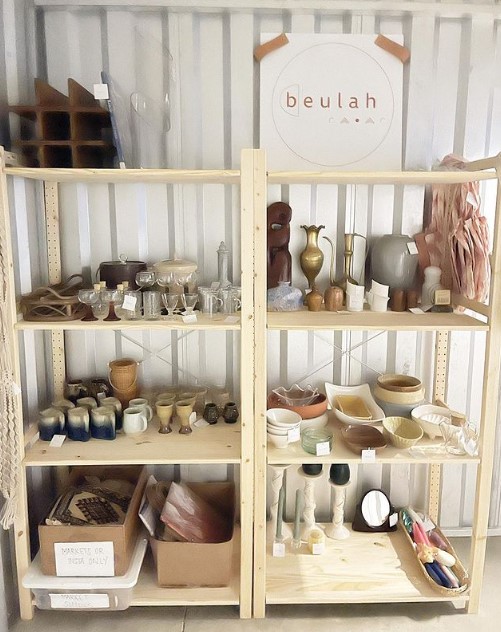
    A native Hoosier, Abby, maintains a thriving practice as a licensed marriage and family therapist. On the side, she created an online vintage Instagram shop called Beulah, named after one of Eric neighbor’s growing up in Traverse City. As she says on her Instagram store, “(Eric) remembers Beulah’s home filled with rattan, wicker and other furniture from the sixties and seventies. After we got married nine years ago, he saw me follow suit, bringing home thrifted furniture from the same era and affectionately (or not, I’m not really sure referring to (my purchases) as “more Beulah.”  

    An empathic healer during the day, and in her free time, using Beulah Vintage as a creative outlet. Her company of four years sells on a single social platform, and the business thrives. Active 2: She sourced and curated items for her store over the past year, opened a small kiosk in the Lux & Ivy Shop located in the hipster area of Broad Ripple, appeared on a TV segment in the area, and occasionally sells in local outdoor markets.

    Items at her mini Beulah in Broad Ripple at Lux & Ivy.

    Somewhere through all of this, she gives back to the community by volunteering for the Friends of Martin Luther King Jr. Park, a neighborhood volunteer initiative that helps to beautify the city’s neglected memorial green space. 

    And then she bakes. Delicious cookies. Holiday pavlova. Banana bread. 

    We inserted ourselves into Abby’s busy life to learn more about this new mom, her life and where she finds inspiration with i8tonight Questions.

    I8tonite: Tell us about yourself. Where were you born, and what does a typical day look like? I was born in Indianapolis. My mom was an elementary education teacher, and my dad was in shipping logistics.

    A typical day includes recent motherhood stuff. That means a lot of feedings every few hours and dog walking. Still, when I’m not doing that, I’m sourcing online or in person for stuff for Beulah or doing inventory.

    I’m also a licensed marriage and family therapist in private practice. And I’ve done that since officially 2016.

     Why did you start Beulah?

    I didn’t start it intentionally, but it came out of the joy of liking to source and thrift vintage and, honestly, inexpensive items while I was in college and as I grew into my career. And so that became a hobby for me, and I wanted to share it with others.

    Instagram was a big platform that I could use. I started doing it on there, and it’s taken a lot of different shapes, sizes and evolutions over the years, but that’s where it began. I’ve wanted to keep it unencumbered without a third party. That’s been how I’ve done it, but I don’t say we’ll always be like that. It’s just like that right now.

    What gives you the greatest joy with Beulah?

    It is the sourcing. Going out and thrifting without an agenda, especially when traveling. Not looking for something specific, but finding that one-of-a-kind thing. It feels freeing. 

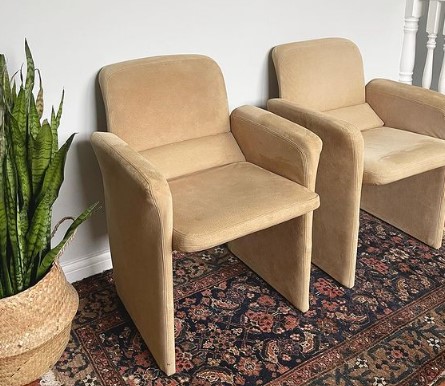
    Sculptural Dining Chairs for sale on Beulah.

    What is your favorite period in interior design? 

    Eighties post-modern. I really like things like Formica or lacquered finishes when used tastefully. Things like faux marble, for instance. I have a console table right now that’s faux marble. It’s Formica, but there’s something about it – that I don’t know – I like the texture. Sometimes the versatility that certain textures are easier to care for, clean and maintain than marble. Sometimes I like the utilitarian surfaces of 80s post-modernism. They’re easier to keep clean, even fake brass. If not done right, they can look really gaudy, but I think tastefully done, it can be like a chef’s kiss.

    Tell us about your favorite inspirations and who inspires you. 

    When I talked about different textures, it’s a bit of following the muse and not trying to be too specific. I try to be very open-minded to find my inspiration. I won’t find something if I’m looking too hard for something. I could miss out on something else that could give me inspiration. It is about timing and not having the blinders on too much. So usually, that takes the form of different textures that I like. 

     I’m really into tessellated stone, suede, or leather, which could be a specific color I’m feeling right now. I honor that, follow those whims, and trust that people will follow. 

    For people who inspire me, my friend Gretchen with Mama Ochre. Her compass is very much like her heart. She trusts her own taste and style and, always shows up for her work and won’t do it if it’s not genuine or authentic to her. And so I’ve always really liked that about her and her business; it doesn’t feel fabricated or fast fashion. It’s sincere and vulnerable. You can always see her when you see her work, so I’ve wanted to emulate something similar with Beulah and myself.

    What are your favorite things about living In Indy?

    I was thinking about this yesterday. I love the urban culture in Indy. It’s very walkable and still a small town, meaning you can access most things without having to be on a waitlist for months for new restaurants or stuff like that. Many people are really approachable and friendly and want to be engaged. It’s that Midwest nice. And for me, there’s definitely a familiarity since this has been the one place I have lived and done life, so there’s a comfort here.

    What is your favorite city and why?

    I really like Golden, Colorado. The backdrop is beautiful with mountains. It’s a quaint small town with delicious restaurants and bars but lovely scenery with rivers. It’s outside Denver, so it’s less noisy but still within the metropolis. Some good food and shops.

    You and your husband are new parents. What is your favorite place to walk or stroll in Indiana with the baby?

    The Monon Trail has always been my favorite. There are many restaurants and shops accessible from it, and you feel unencumbered by traffic. That’s the main reason I like it because you don’t have to stop at every street for a traffic light; there might be a crosswalk or two. And it’s surrounded by nature and a lot of trees. It feels like you’re in your own little world. When Eric goes to the office, I take Huck and Rooney in the stroller for a walk. I stop at Breadworks or someplace place afterward for iced tea. Or a coffee shop I last visited a while ago and get something on the way home. It makes me happy and gets me out of the house. A new and little tradition.

    What do you have in the fridge currently?

    I have a giant pitcher of iced coffee. A lot of things to make meal prep easier. Our grab-and-go stash of hard-boiled eggs and pickled bologna. (I want to be clear. That is not for me because it’s disgusting. My mid-northern Michigan husband loves the stuff.) And cookie dough. Always cookie dough.

    Adapted by Abby Breece

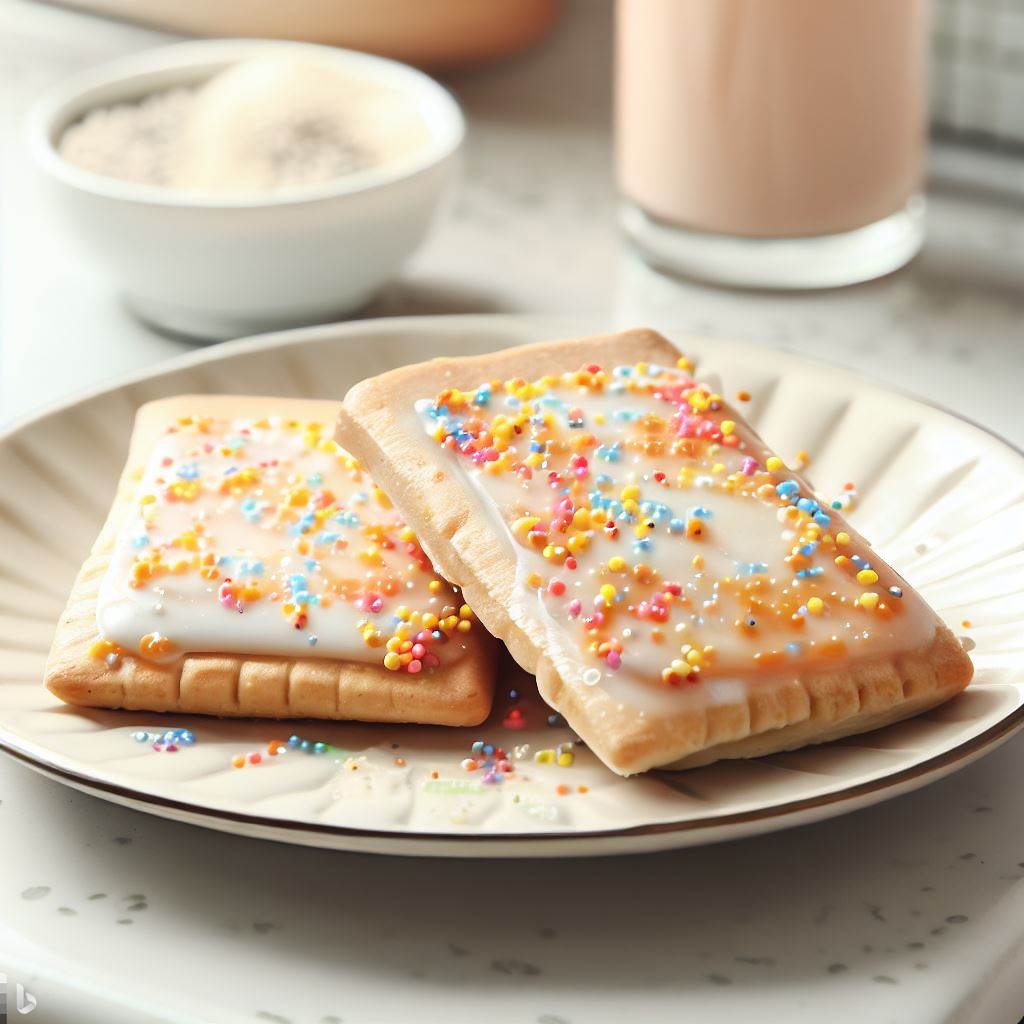
    Spicy Apricot Pop Tarts.

    How to Make this Puppy! 

    1 stick butter, softened

    1/4 cup sugar

    1/4 cup almond paste

    2 large eggs

    1 tsp lemon juice

    1/4 tsp almond extract

    1/2 tsp vanilla extract

    1/4 tsp salt

    1/2 cups flour

    1 lb. pre-made pie dough

    1/4 cup apricot jam

    1 1/2 cup powdered sugar

    TOPPING

    A dash of red pepper flakes

    About 2 tbsps. milk

    Sprinkles

    Preheat oven to 400, then line a baking sheet with parchment. Put it to the side until ready to use. 

    In a large bowl or bowl of a stand mixer, to make part of the filling, beat together the butter, sugar, and almond paste. add 1 egg (reserving the other for an egg wash), followed by the lemon juice and extracts. Once that has been mixed, add to it the salt, flour, and red pepper flakes until just combined. Place to the side. 

    Roll out your dough to a pie crust thickness. Using a sharp paring knife and ruler, cut out eight 2-inch by 3-inch squares of pie dough. Place onto the baking sheet about an inch and a half apart.  In the center, dollop a teaspoon of apricot jam and spread. Do the same with the almond batter. 

    Roll up the remaining pie dough, and cut out eight more rectangles that are a 1/4-inch longer on all sides, so that they fit over the filling. Place that layer of pie dough over the filling and crimp the edges with a fork to seal the edges. If not done, well filling will bubble out. With the remaining egg and a thimble of water to brush the edges of the tarts. This will provide a nice golden crust. Gently poke the tops with a fork twice and bake for 10-15 minutes until ever so browned. While it cools, in another bowl, stir together the powdered sugar and milk to create the glaze. If it is too thick, add more milk. Two thin? Add sugar, to achieve your desired consistency. Spread over the top and add a sprinkling of sprinkles! 

    I8tonite. 

    Disclosure: We may make a commission on links. We need to make money in some way.

  • i8tonite with Keto Author Lindsay Boyers & Recipe for Chicken Cordon Bleu

    i8tonite with Keto Author Lindsay Boyers & Recipe for Chicken Cordon Bleu

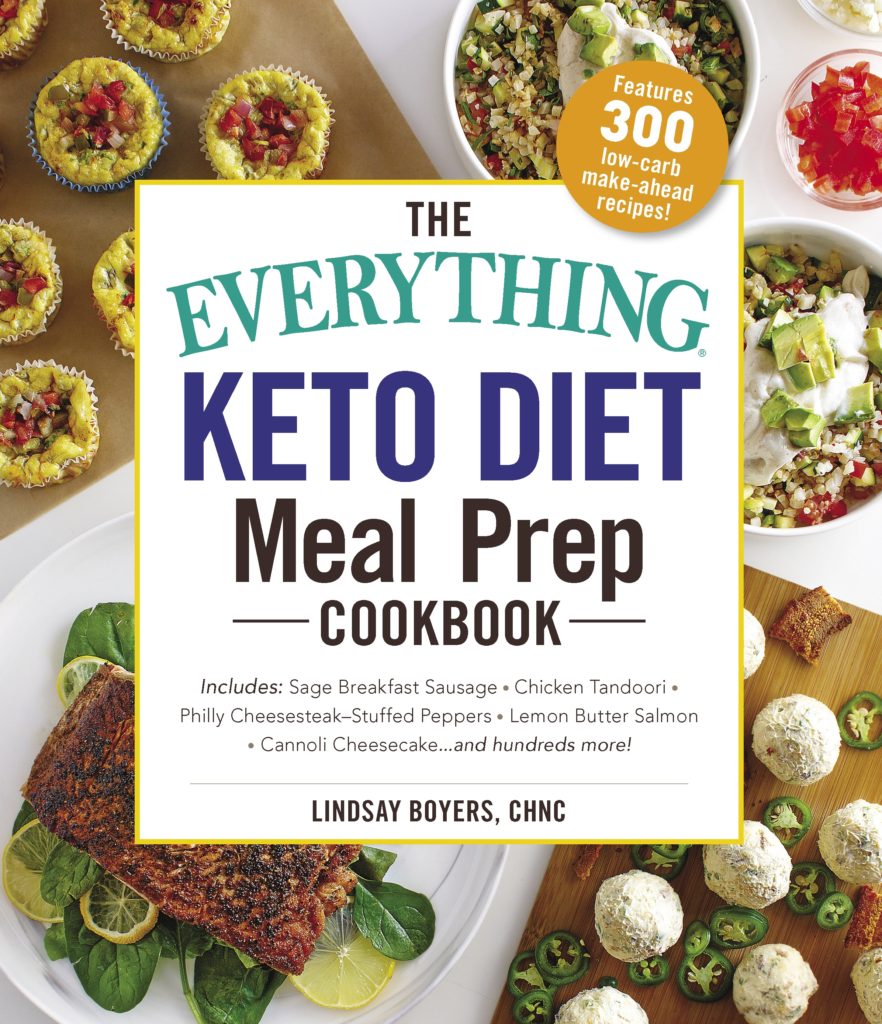
    With nine books and thousands of articles published across the internet, Lindsay Boyers, CHNC, is a seasoned author. Lindsay’s latest publication, The Everything Keto Diet Meal Prep Cookbook, is a new foray, as she breeches the world of published recipes. The cookbook highlights Lindsay’s stance on health and nutrition, positing a low-carb, ketogenic lifestyle needn’t be complicated, intimidating, or expensive. Indeed, Lindsay’s cookbook demonstrates a ketogenic way of life can be enjoyable and satisfying. Further, readers can make many of these dishes with standard pantry items.

    The Everything Keto Meal Prep Cookbook starts out introducing ketogenic basics and food prep, before moving onto recipes. The recipes are detailed, easy to follow, and, true to Lindsay’s promise, uncomplicated! From comforting classics (hello, Chicken Cordon Bleu!), to summer favorites (Key Lime Bars), and delicious twists (Thai Peanut Mason Jar Salad), Lindsay has all cravings covered. All food lovers will enjoy these cleverly crafted, easy, and delightful recipes regardless of carb orientation.

    Lindsay Boyers, CHNC is a nutrition consultant with extensive experience in a wide range of dietary therapies including the ketogenic diet. She also specializes in elimination diets, gut health, and identifying food sensitivities in her clients. Lindsay’s articles on nutrition and health have been published on various health and wellness sites, including Healthline.com, Livestrong.com, and JillianMichaels.com. She lives in Shrewsbury, Massachusetts.

    Food People Questionnaire (with a nod to Proust):

    What is your favorite food to cook at home?
    Philly Cheesesteak Stuffed Peppers! It’s always a hit and I love using my pressure cooker whenever I get the chance.

    What do you always have in your fridge at home?
    Tessemae’s Habanero Ranch Dressing!

    What marked characteristic do you love in a person with whom you are sharing a meal?
    Open-mindedness! I love when someone is willing to try something new.

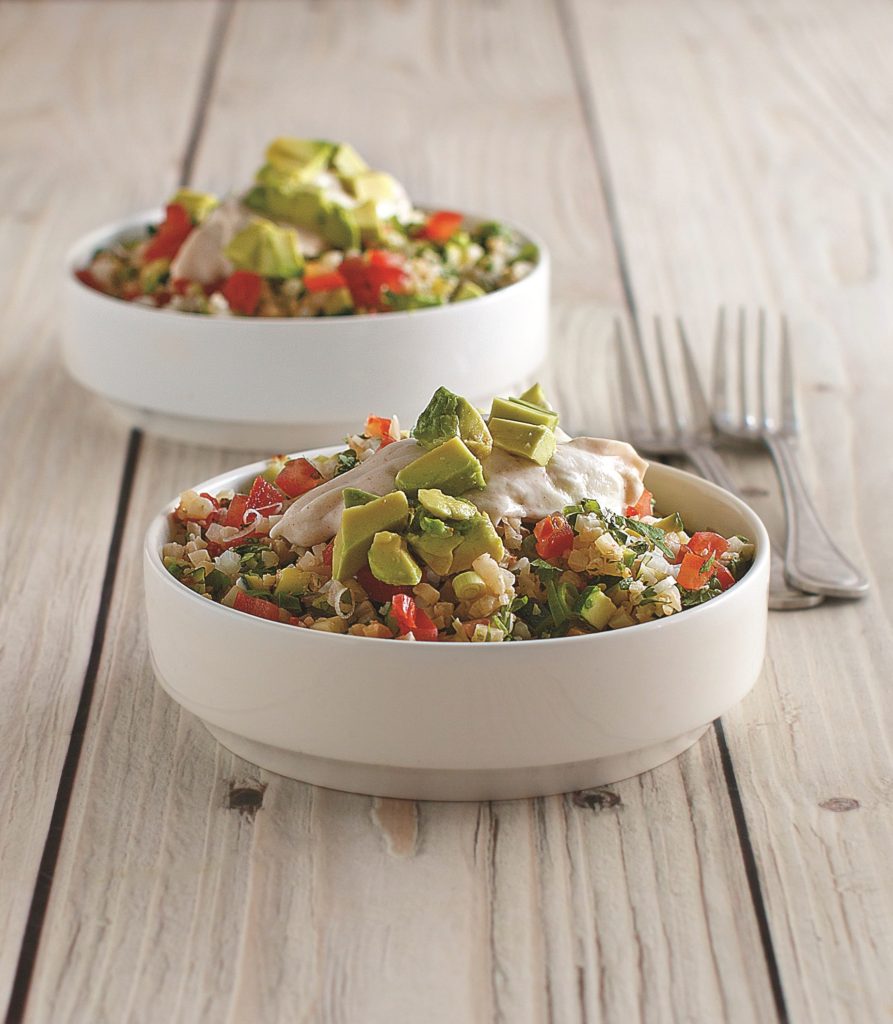
    Greek Buddha Bowl

    What marked characteristic do you find unappealing in a person with whom you are sharing a meal?
    Close-mindedness! It doesn’t bother me if someone doesn’t like something, but it does bother me when someone says they don’t like something before even trying it!

    Beer, wine, or cocktail?
    Beer in the summer, wine in the winter.

    Your favorite cookbook author?
    Danielle Walker of Against All Grain.

    Your favorite kitchen tool?
    It’s a tie between my Instant Pot and my French press.

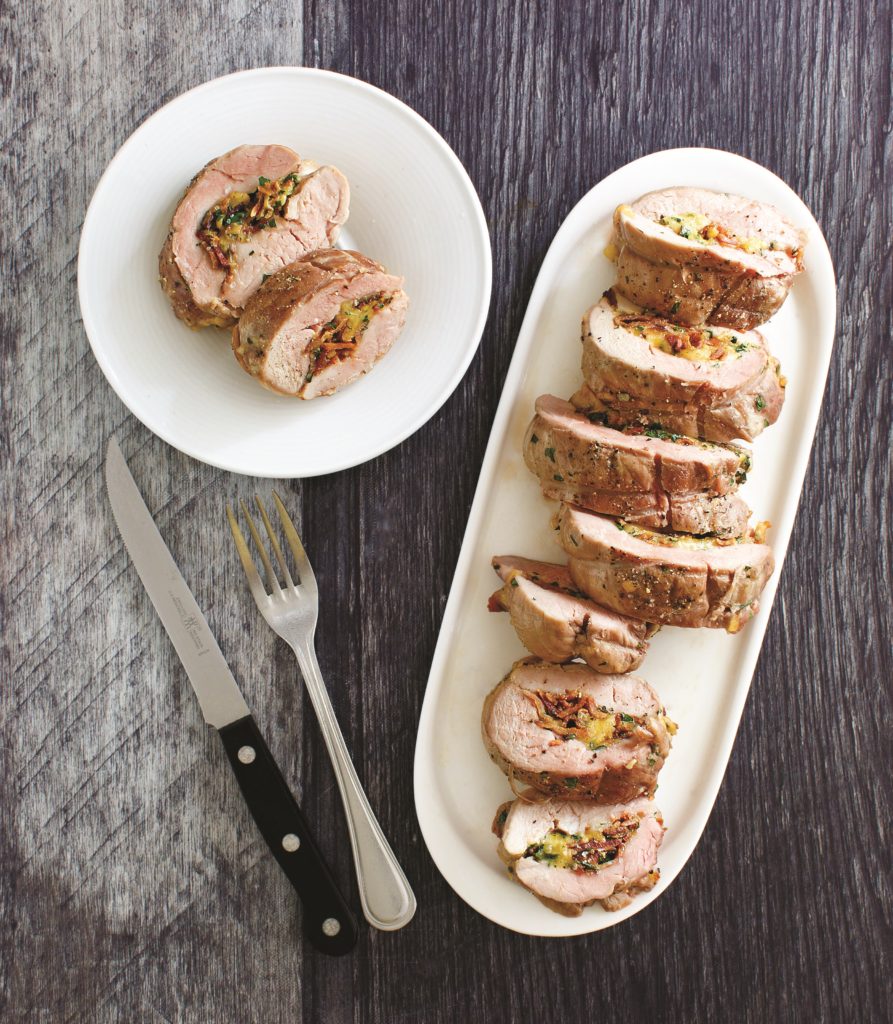
    Gouda and Bacon Stuffed Pork Tenderloin

    Favorite types of cuisine to cook?
    Italian and Mexican (even though I’m Portuguese).

    Beef, chicken, pork, or tofu?
    Beef if it’s ground, chicken if it’s not.

    Favorite vegetable?
    Broccoli.

    Chef you most admire?
    I’m a big fan of Alton Brown.

    Food you like the most to eat?
    Avocados with Everything Bagel Seasoning sprinkled on top!

    Food you dislike the most?
    Cottage cheese, for sure.

    What is your favorite non-food thing to do?
    Does reading count? I’ve always been in introvert, and my favorite thing in the world is reading in a hammock with a blanket.

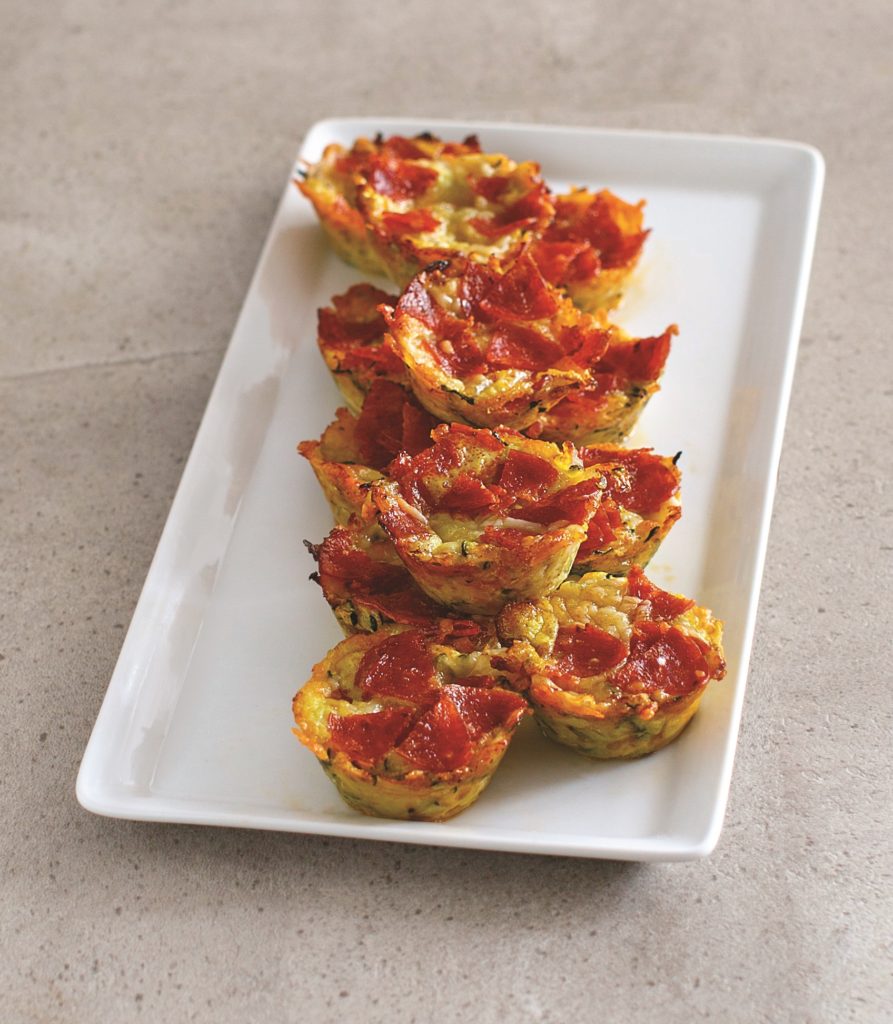
    Zucchini Pizza Bites

    Who do you most admire in food?
    There are a lot of people, but I’d probably have to choose Dr. Mark Hyman.

    Where is your favorite place to eat?
    My house! I much prefer cooking to going out to eat. That way I can control the ingredients and make it exactly to my liking.

    What is your favorite restaurant?
    There’s a sushi restaurant that’s local to me called Yama Zakura, and it is OUT OF THIS WORLD.

    Do you have any tattoos? And if so, how many are of food?
    I do! I have two. None of them are of food. I was 18 and 19 when I got them, so they’re not the best looking things.

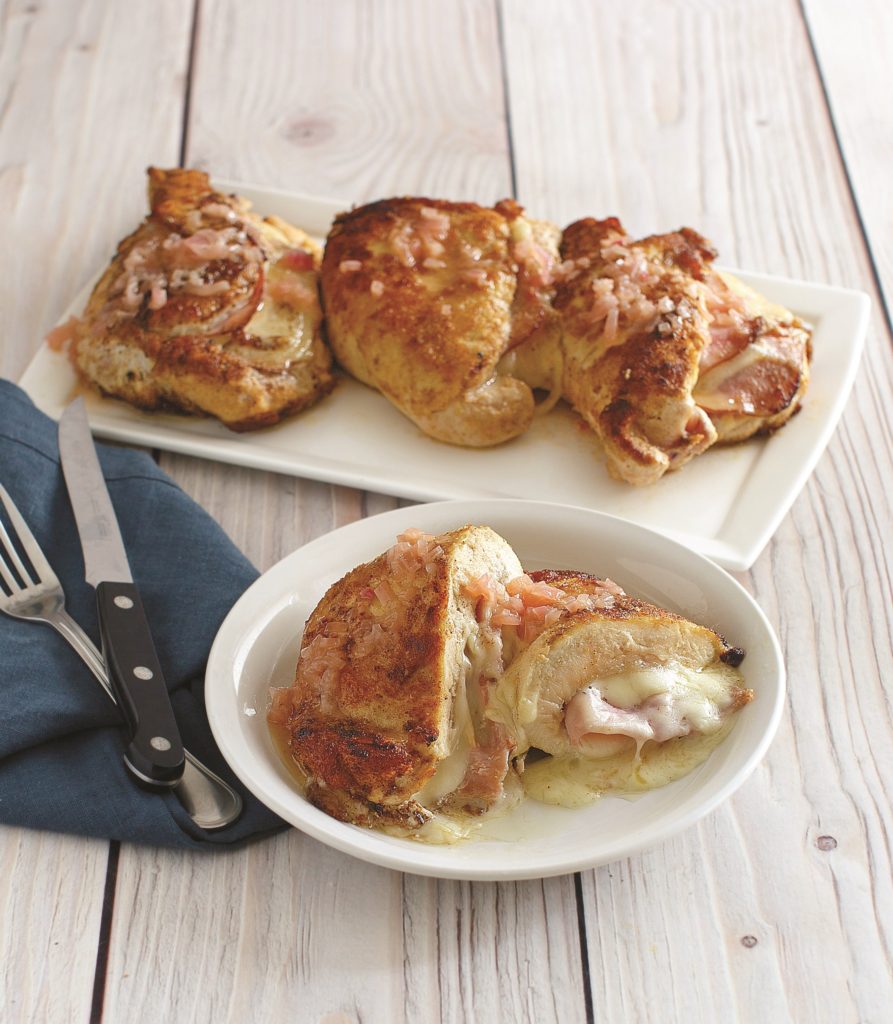
    Recipe: Chicken Cordon Bleu with Creamy Lemon Butter Sauce

    If you want a richer flavor, you can use chicken thighs instead of chicken breasts. This will also double the fat content of each serving, as chicken thighs are much higher in fat.

    Note: Save Money with Thighs! Chicken thighs don’t get as much love as chicken breasts, but they’re an excellent source of both protein and fat. When cooked, the fat renders from the chicken thigh into the sauce in which it’s being cooked and gives it a richer flavor than chicken breasts. Plus, chicken thighs tend to be cheaper and go on sale more often, especially the bone-in, skin-on varieties. You can use chicken thighs in any recipes that call for chicken breasts. If the recipe calls for skinless, you can save money by buying it with the skin on and then removing before cooking.

    INGREDIENTS | SERVES 6
    6 (4-ounce) boneless, skinless chicken breasts
    6 slices Swiss cheese
    6 slices no-sugar-added deli ham
    3 tablespoons Paleo flour
    1 teaspoon paprika
    1 cup plus 2 tablespoons grass-fed butter, divided
    1⁄2 cup keto-friendly white wine
    2 shallots, minced
    1⁄2 cup heavy cream
    3 tablespoons lemon juice

    1. Pound chicken with a meat mallet to 1⁄2″ thickness. Place one slice of cheese and ham on each breast and fold chicken over, securing with a toothpick.
    2. Combine Paleo flour with paprika in a medium bowl. Dip each chicken breast in flour mixture and set aside.
    3. Heat 2 tablespoons butter in a large skillet over medium heat. Add chicken breasts and cook 5 minutes on each side or until chicken is cooked through.
    4. While chicken is cooking, combine wine and shallots in a small saucepan. Bring to a boil and reduce until 2 tablespoons of liquid remain.
    5. Reduce heat to low and whisk in remaining butter, stirring constantly until butter is incorporated. Remove from heat and whisk in cream and lemon juice.
    6. Pour sauce over chicken and cook 1 more minute. Remove from heat.
    7. Transfer one chicken breast and equal amounts of sauce to each of six separate airtight containers. Store in the refrigerator until ready to eat, up to one week.

    PER SERVING Calories: 686 | Fat: 55 g | Protein: 39 g | Sodium: 441 mg | Fiber: 2.5 g | Carbohydrates: 6.5 g | Sugar: 1.5 g | Net
    Carbohydrates: 4 g

    Excerpted from The Keto Diet Meal Prep Cookbook by Lindsay Boyers, CHNC. Copyright © 2019 by Simon & Schuster, Inc. Used with permission of the publisher, Adams Media, a division of Simon & Schuster. All rights reserved.

    Find Lindsay online:
    Website: https://www.lindsaybnutrition.com/
    Facebook: https://www.facebook.com/lindsaythenutritionist
    Instagram: https://www.instagram.com/lindsaythenutritionist/

    Keto Kalamazoo has a wanderlust for travel and culinary adventures. In 2017, she ate her way across 29 countries and is itching to set off again! To date, her favorite destination is Budapest, Hungary, where she ate enough sour cherry soup to fill the Danube. A former secret diner, KK tries to stay active by promoting food and culture within her local community. She’s also a professor–but that’s not as fun and exotic as food adventures.